
Side Dishes
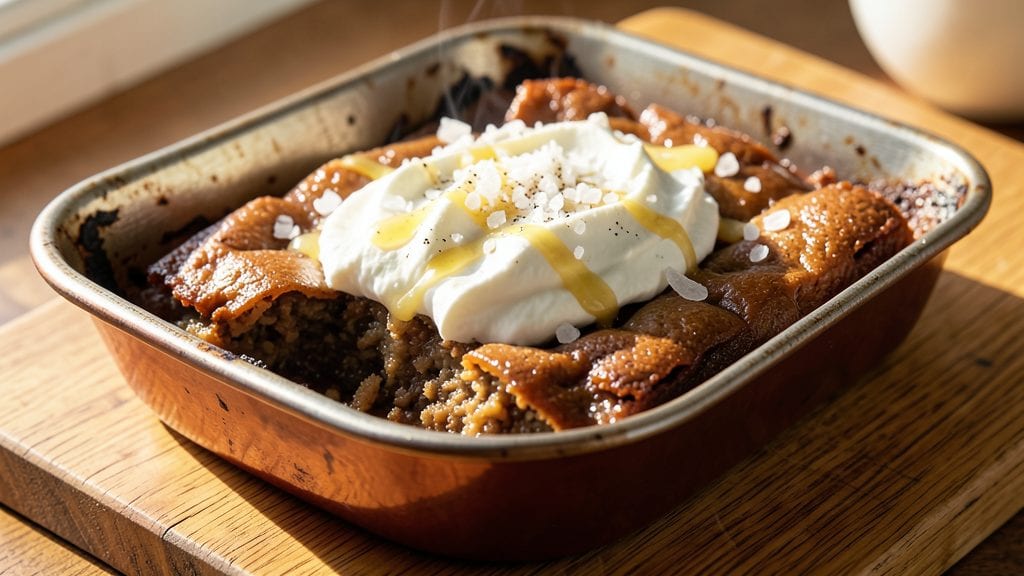
This old-fashioned potato fudge recipe delivers the creamy, caramelized perfection that’s been a holiday staple for generations—rich, buttery, and just sweet enough to satisfy serious fudge lovers.
The secret lies in boiling potatoes until tender, then blending them into a velvety base that transforms into a luscious, golden-brown slab when baked. I’ve perfected this method over years of testing, ensuring every batch turns out with that signature crackly top and melt-in-your-mouth texture.
The beauty of this recipe is its simplicity: just five key ingredients come together to create something extraordinary. No fancy equipment is needed—just a pot for boiling, a blender for smoothness, and a baking dish for that classic caramelized finish.
The potatoes provide natural moisture and body, while butter and sugar create the signature buttery sweetness. It’s a foolproof method that yields restaurant-quality fudge without the fuss.
What you’ll end up with is a thick, golden slab of fudge that’s rich, creamy, and perfectly balanced between sweet and salty. The surface develops a beautiful crackly crust, while the interior remains velvety smooth.
This isn’t just dessert—it’s a centerpiece for holiday gatherings, a nostalgic treat for family reunions, or a simple indulgence for anyone who loves classic sweets.
Serve it warm with a scoop of vanilla ice cream or let it cool for a firmer texture that’s perfect for slicing. The versatility of this recipe makes it ideal for gift-giving or sharing with neighbors. Ready to make the most delicious potato fudge you’ve ever tasted? Let’s get started.
Ingredients for old fashioned potato fudge
Five core ingredients transform humble potatoes into velvety, caramelized perfection—no fancy techniques required.
| Ingredient | Amount | Notes |
|---|---|---|
| Russet Potatoes 🥔 | 2 ½ lb | Medium-sized, peeled and cubed |
| Unsalted Butter 🧈 | 1 ½ cups | European-style preferred for flavor |
| Granulated Sugar 🍚 | 2 cups | Superfine preferred for smooth texture |
| Heavy Cream 🥛 | 1 cup | Full-fat for optimal richness |
| Vanilla Extract 🌿 | 2 tsp | Pure Madagascar bourbon preferred |
| Diamond Crystal Kosher Salt 🧂 | 1 tsp | Fine grain for even distribution |
| Pure Vanilla Bean Seeds 🌿 | 1 tbsp | Scraped from 1 bean for depth |
| Cornstarch 🌾 | 1 tbsp | For thickening and stability |
The potatoes are the foundation—Russet is ideal for its starch content and smooth texture. Organic potatoes from local farms yield the best flavor, though conventional works fine. Peeled and cubed evenly, they should be roughly 1-inch pieces to ensure consistent cooking. Whole Foods or Trader Joe's carry excellent organic Russets, but your grocery store's standard Russets will suffice. Avoid waxy varieties like Yukon Gold, as they won't break down properly. For large batches, consider pre-cubing potatoes in the freezer—thaw before use to maintain texture integrity. The butter should be European-style (like Plugrá or Kerrygold) for its higher fat content and deeper flavor profile, but standard unsalted butter works in a pinch.
No superfine sugar? Pulse granulated sugar in a food processor for 30 seconds to achieve a similar texture. Heavy cream can be substituted with half-and-half for a lighter texture, though the fudge will be slightly less rich. Vanilla extract quality varies wildly—Madagascar bourbon vanilla provides the most complex flavor, but imitation will work if labeled as pure. The vanilla bean seeds add depth without overpowering; if unavailable, double the extract and add 1/4 tsp almond extract. For a saltier finish, use Maldon flaky sea salt instead of kosher, but adjust to taste. Cornstarch is non-negotiable—it prevents graininess and ensures that signature crackly crust.
This fudge must be poured into a well-seasoned 8x8-inch baking pan for even caramelization. Line with parchment paper for easy removal, but grease the paper first to prevent sticking. Store in an airtight container at room temperature for up to 2 weeks, though it's best enjoyed within 5 days. For gifting, wrap individual slices in parchment and secure with twine. The texture improves overnight as the moisture redistributes—never rush the cooling process. Freeze for up to 3 months in a single layer before transferring to a container; thaw at room temperature before serving.
Why You'll Love This Recipe
- Four-Ingredient Magic: I swear, this recipe only needs those four staples—no weird specialty items, no hunting for obscure spices. If your pantry has Russets, butter, sugar, and vanilla, you’re golden.
- Creamy Crunch Perfection: That buttery, melt-in-your-mouth texture with just a hint of caramelized sugar? It’s the kind of fudge that makes you pause mid-bite and wonder how something so simple can taste this good.
- Holiday or Snack Attack: Between us—this is my go-to for Christmas gifts (wrap it in wax paper, tie a ribbon) or when I need a dessert fix without the fuss. It keeps for weeks, too, so it’s always ready.
- Pantry Goldmine: Honestly, this recipe costs less than store-bought and uses ingredients you already own. No wasted trips to the grocery store—just pure, creamy satisfaction from what you’ve got.
Step-by-step instructions for old fashioned potato fudge
Master this classic technique for silky-smooth potato fudge with perfect caramelized texture.
Prepare the Potato Base
Peel and cube the 2.5 lb russet potatoes, cutting them into even ½-inch pieces. This uniform size ensures consistent cooking and prevents any undercooked centers. Place the cubed potatoes in a large pot and cover them completely with cold water—about 8 cups. Add the 1 tsp diamond crystal kosher salt to the water.
Bring the water to a rolling boil over high heat, then immediately reduce to medium-high and cook for 15 minutes. You want the potatoes to become fork-tender but not mushy. Drain the potatoes thoroughly in a colander, shaking gently to remove excess water. The potatoes should feel soft when pierced with a fork but not fall apart.
Cook the Sugar Mixture
In a separate heavy-bottomed saucepan, combine the 2 cups granulated sugar and the 1 tbsp cornstarch. This combination creates a stable base that prevents graininess in the finished fudge. Cook over medium-high heat without stirring, allowing the sugar to melt and turn into a light amber syrup. This typically takes about 8-10 minutes.
Watch carefully as the sugar cooks—it will bubble vigorously and develop a deep amber color. The moment it reaches the desired caramel stage, remove the pan from heat immediately. Be precise with your timing; overcooking will give the fudge a bitter taste. Add the 1.5 cups unsalted butter all at once and stir vigorously until completely melted and smooth.
Combine Ingredients and Simmer
Return the saucepan to medium-low heat and carefully add the cooked and drained potatoes. Stir well to combine, breaking up any large potato pieces with a wooden spoon. The mixture will thicken as it heats. After 2-3 minutes of gentle stirring, add the 1 cup heavy cream and the 2 tsp vanilla extract. Stir constantly for another 3 minutes until the mixture reaches a thick, pudding-like consistency.
Here's the thing—you want the fudge to coat the back of a spoon but still flow slightly when poured. If it thickens too quickly, add 1-2 tablespoons of hot water to loosen it. The pure vanilla bean seeds should be added now, scraping them directly from the vanilla bean pod to infuse maximum flavor. Remove from heat immediately to prevent overcooking.
Pour and Set the Fudge
Lightly grease a 9x13-inch baking dish with a bit of butter or line it with parchment paper for easy removal. Pour the fudge mixture into the prepared dish, spreading it evenly with a spatula. Allow it to cool at room temperature for 1 hour, then refrigerate for at least 4 hours or until completely firm. This cooling process is crucial for achieving the perfect texture—too soon and it will be sticky; too late and it may develop a grainy surface.
For the best results, I recommend chilling overnight. The fudge will develop a beautiful, glossy sheen and cut cleanly into perfect squares. Once fully set, cut into 12 equal pieces using a sharp knife dipped in hot water between cuts. This ensures clean edges and prevents sticking.
Pro Tips For Making Old Fashioned Potato Fudge
- BOIL POTATOES UNPEELED: I learned this the hard way—peeling Russets first makes them turn to mush when boiling. Leave the skins on, cut into even ½-inch chunks, and they’ll hold shape while soaking up the cream and sugar. (Yes, you’ll strain them later, but the texture stays creamy.)
- STRAIN WELL, RINSE NOT: After boiling and draining, give those potatoes a good press in a colander—no need to rinse. The starchy water is what binds the fudge later. I used to rinse to "clean" them, and the result was always grainy instead of silky.
- WHISK BUTTER AND SUGAR FIRST: Don’t just dump everything in the pot and hope for the best. Melt the butter, whisk in the sugar until it’s fully dissolved, then add the potatoes and cream. After burning two batches, I realized this step prevents lumps and ensures even cooking.
- USE COLD HEAVY CREAM: Pouring warm or hot cream straight into the pot turns your fudge into scrambled eggs. Chill the heavy cream first, then slowly warm it with the potatoes over low heat. This keeps the texture smooth and prevents curdling—trust me, your future self will notice.
Flavor customization for old fashioned potato fudge
Classic Vanilla Variations
For a bolder vanilla flavor, replace the vanilla extract with 1 tbsp vanilla bean paste (like Madagascar Bourbon) and skip the seeds. This adds natural thickness and deeper aroma without overpowering.
I’ve also swapped vanilla for 1 tsp almond extract and ½ tsp cinnamon for a warm, nutty twist that pairs beautifully with a sprinkle of toasted pecans on top. 🌿
Spiced Twist Options
Add ½ tsp ground cinnamon and ¼ tsp nutmeg to the fudge mixture while simmering for a cozy, spiced variation. For heat lovers, stir in ¼ tsp cayenne pepper at the end—it’s subtle but adds a surprising kick.
A pinch of cardamom (about ⅛ tsp) brings an exotic note that works surprisingly well. Just be sure to taste as you go; spices can intensify during cooling.
Chocolate Infusions
For a chocolate-dipped version, melt ½ cup dark chocolate (at least 60% cocoa) and fold it into the fudge mixture after removing from heat. For a marbled effect, spread the fudge in the pan, then drizzle melted chocolate over the top before it sets.
I also love adding 1 oz chopped bittersweet chocolate to the base for rich pockets of flavor. Use Ghirardelli 60% cocoa for the best balance of sweetness and depth.
Nutty Crunch Add-Ins
Fold in ½ cup chopped walnuts or pecans during the final 2 minutes of simmering to toast them lightly. For a toffee-like texture, add ¼ cup chopped toffee bits (like Smucker’s) after the fudge has set.
A sprinkle of flaky sea salt (like Maldon) on top creates a perfect sweet-salty contrast. Just be mindful—nuts can make the fudge slightly denser, so reduce the heavy cream by 2 tbsp if needed.
Citrus Zing
Brighten the flavor with 1 tbsp lemon or orange zest added during the simmering stage. For a tart twist, stir in 1 tbsp fresh lemon juice after removing from heat.
I’ve also experimented with ½ tsp orange extract for a subtler citrus note that pairs wonderfully with a dusting of powdered sugar. The acidity cuts through the richness, making each bite feel fresh and vibrant.
Salted Caramel Fusion
Stir in ¼ cup store-bought caramel sauce (like Smucker’s) during the final simmer for a swirled effect. For homemade caramel, cook ½ cup sugar and 2 tbsp heavy cream to a soft-ball stage, then fold it into the fudge.
Finish with a sprinkle of flaky salt before chilling. This variation is my go-to for holiday gifting—it’s rich, decadent, and always a crowd-pleaser. 💛
Nutrition facts
Frequently asked questions about homemade potato fudge
Why do I need to boil the potatoes first?
The potatoes create a natural thickening agent that gives this fudge its signature creamy texture. Boiling them breaks down the starches, which blend seamlessly with the butter and sugar to form a velvety base. Skipping this step would leave your fudge too thin and gummy.
Can I make this recipe without a blender?
Yes! After boiling, mash the potatoes thoroughly with a potato masher or fork until completely smooth. For extra smoothness, press them through a fine-mesh sieve to remove any lumps. The texture will be slightly less refined but still delicious.
How do I fix fudge that's too thick or too thin?
If your mixture is too thick, stir in 1-2 tablespoons of hot water while still on low heat. For thin fudge, return it to low heat for 1-2 minutes while stirring constantly. The key is achieving that pudding-like consistency where it coats the back of a spoon but still flows slightly.
What's the best way to store leftover potato fudge?
Wrap individual pieces tightly in plastic wrap or store the whole slab in an airtight container at room temperature for up to 2 weeks. For longer storage, freeze in a single layer for 3 months—thaw at room temperature before serving. The texture improves overnight as moisture redistributes.
Can I substitute sweet potatoes for regular potatoes?
No, regular russet potatoes are essential for this recipe. Sweet potatoes have a different starch structure and moisture content that would alter the fudge's texture dramatically. The recipe relies on the specific properties of russet potatoes to create that perfect creamy consistency.