Main Courses
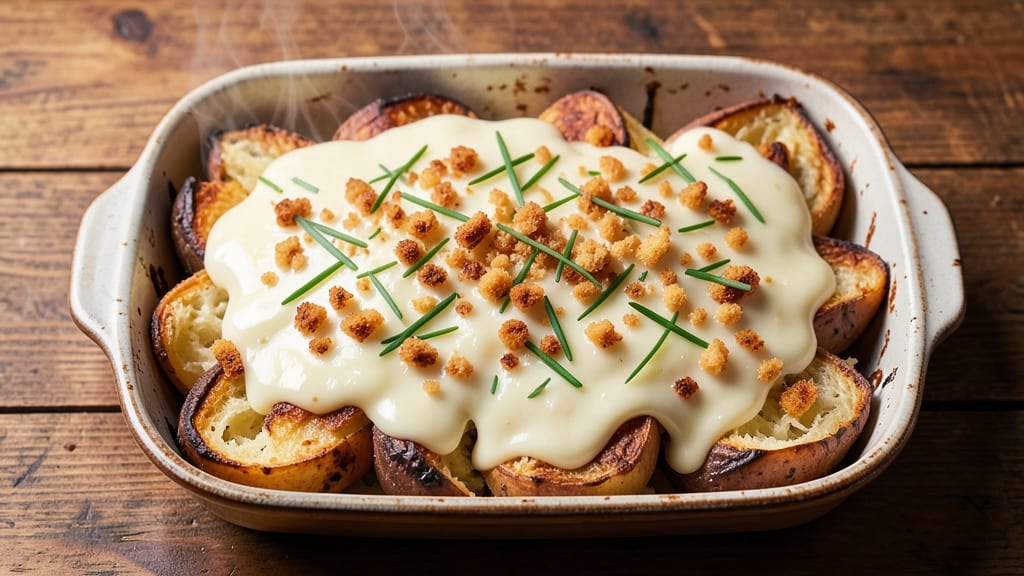
Recreating the Pioneer Woman's twice-baked potato casserole brings comfort food to life with its cheesy pull-apart crust and vinegar-kissed crunch. Standing on a step stool in my grandmother’s kitchen in Sicily, I learned how simple ingredients can create extraordinary results—just like this dish.
The secret lies in the vinegar, which adds a subtle tang that elevates the creamy, cheesy layers.
This recipe delivers a foolproof method for achieving that signature golden-brown finish and tender, pull-apart texture. With just a few pantry staples and 50 minutes of hands-on time, you’ll have a casserole that’s perfect for holidays or family dinners.
The vinegar not only enhances flavor but also helps create that crispy, vinegar-kissed crust that sets this dish apart.
By the time it emerges from the oven, you’ll have a casserole with a creamy, cheesy center that’s so rich it practically melts in your mouth, topped with a crispy, vinegar-infused crust that’s impossible to resist.
It’s the kind of dish that transforms a simple meal into a memorable experience—just like Nonna’s recipes always did.
Serve this casserole as a side for holiday feasts or as the star of a comforting weeknight dinner. The leftovers reheat beautifully, making it a perfect make-ahead dish for busy schedules. Let’s get started on this classic with a modern twist!
Ingredients for pioneer woman recipe for twice baked potato casserole
Simple ingredients transform into a legendary cheesy casserole with vinegar-kissed crunch.
| Ingredient | Amount | Notes |
|---|---|---|
| Russet Potatoes 🥔 | 3 lb | Large, peeled and cubed evenly |
| White Vinegar 💧 | ¼ cup | Distilled white preferred |
| Heavy Cream 🥛 | 1 cup | Full-fat for best texture |
| Sharp Cheddar Cheese 🧀 | 2 cups | Shredded, aged 6+ months |
| Gruyère Cheese 🧀 | 1 cup | Shredded, nutty flavor |
| Butter 🧈 | ½ cup | Unsalted, melted |
| Garlic Cloves 🧄 | 4 cloves | Minced, fresh preferred |
| Diamond Crystal Kosher Salt 🧂 | 1 ½ tsp | Adjust to taste |
| Freshly Ground Black Pepper 🌶️ | ½ tsp | Coarsely ground |
| Panko Breadcrumbs 🍞 | ½ cup | For crispy topping |
| Extra-Virgin Olive Oil 🫒 | 1 tbsp | For drizzling on crust |
| Fresh Chives 🌿 | 2 tbsp | Chopped, for garnish |
The potatoes are the foundation—Russets work best because they hold their shape when baked twice. Grab a 3-pound bag from the grocery store; they’re usually pre-washed and ready to peel. If you’re feeling fancy, organic potatoes from Whole Foods have fewer blemishes. The key is even cubing—about 1.5 inches per piece. Too small and they’ll overcook; too big and the center stays doughy. Peeled and cubed ahead saves time later, but don’t soak them or they’ll get waterlogged. For the vinegar, distilled white is the gold standard—it’s neutral and won’t add any funky flavors. If you’ve got apple cider vinegar, use half the amount since it’s more potent.
No Gruyère? Extra-sharp white cheddar or even Parmesan will work in a pinch, but the nutty depth is worth seeking out. The cheddar should be aged at least 6 months—you’ll know it’s good when it’s sharp enough to make your eyes water. For the butter, unsalted is a must—salted can make the dish too salty overall. If you’re watching fat, you can swap half the heavy cream for whole milk, but trust me on the full-fat version for that creamy, melt-in-your-mouth texture. The garlic? Fresh is ideal, but if you’re in a hurry, jarred minced garlic works (just drain it well). And for the breadcrumbs, Panko gives the best crunch—don’t use regular breadcrumbs unless you’re desperate.
This casserole tastes even better the next day, so make it ahead if you can. The first bake keeps for 3 days in the fridge, covered tightly. For the second bake, just pop it back in the oven until the topping is golden. If you’re prepping for a crowd, you can assemble it up to 24 hours ahead and refrigerate uncovered—this helps the top crisp up faster when you bake it. Leftovers reheat beautifully in a 350°F oven for 15-20 minutes, covered with foil until heated through, then uncovered to crisp the top. Store any leftovers in an airtight container for up to 4 days. Freezing? Not ideal—the texture gets gummy, but if you must, freeze the unbaked casserole (after the first bake) for up to 2 months.
Why You'll Love This Recipe
- One-Pot Magic: I swear by this recipe when I’m too tired to wash a million dishes. The vinegar-soaked potatoes soften perfectly in the oven while the cheeses melt into a golden blanket—no extra pans, no fuss. Just bake, broil, and serve.
- Cheese Love Bomb: That combo of sharp cheddar and Gruyère? It’s like a hug for your taste buds. The vinegar gives it a bright tang, the cream makes it velvety, and the crispy top? Pure indulgence without the guilt.
- Weeknight Workhorse: I make this for game nights, lazy Sundays, or when my kids bring home friends. It’s hearty enough for a crowd but simple enough to throw together while you’re still deciding what to watch on TV.
- Leftovers Win: Between us, this tastes even better the next day. The cheeses settle into the potatoes, the edges get extra crispy, and I always have a backup dinner ready. Plus, it’s cheap to make—just potatoes, cream, and a little cheese go a long way.
Step-by-step instructions for twice-baked potato casserole
Here's how to create a golden, vinegar-kissed crust with creamy, cheesy layers that pull apart perfectly.
Parboil and Cube the Potatoes
Preheat your oven to 375°F for the baking steps ahead. In a large pot, combine the 3 lb russet potatoes with 8 cups cold water and 1.5 tsp diamond crystal kosher salt. Bring to a boil over high heat, then reduce to a simmer for 12-15 minutes until the potatoes are fork-tender but not falling apart.
Drain the potatoes thoroughly and let them cool slightly before handling. Using a sharp knife, cut them into 1-inch cubes—consistent size ensures even cooking. I like to work in batches if needed, keeping the cut potatoes in a colander to prevent sogginess. This parboiling step is crucial; it jumpstarts the cooking process so the potatoes finish perfectly tender in the oven.
Create the Cheesy Filling Mixture
In a large mixing bowl, combine the 1 cup heavy cream, 2 cups sharp cheddar cheese, and 1 cup gruyère cheese. Add the 4 minced garlic cloves, 0.5 tsp freshly ground black pepper, and 0.5 cup melted butter. Mix until the cheese is fully melted and the filling is smooth and creamy.
This is where the magic happens—the Gruyère adds a nutty depth that pairs beautifully with the sharp cheddar. If the mixture seems too thick, stir in 1-2 tablespoons of the reserved potato water to loosen it slightly. The filling should coat the back of a spoon but still hold its shape when dropped onto a plate. Taste and adjust seasoning if needed—this is your chance to ensure every bite is perfectly balanced.
Layer and Bake the First Time
In a 9x13-inch baking dish, spread half of the potato cubes in an even layer. Pour half of the cheesy filling over the potatoes, spreading it evenly. Top with the remaining potatoes, then the rest of the filling. The potatoes should be mostly covered, but a little cheese peeking through is fine—it'll create that beautiful pull-apart texture.
Cover the baking dish tightly with aluminum foil and bake for 45-50 minutes until the potatoes are tender and the filling is bubbling at the edges. The key here is patience—don't peek! Opening the oven too soon can cause the filling to set prematurely. You'll know it's ready when the edges are golden and the center still has a slight give when pressed gently with a wooden spoon.
Add the Vinegar-Kissed Crust
While the casserole bakes, mix the 0.5 cup panko breadcrumbs, 0.25 cup white vinegar, and 1 tbsp extra-virgin olive oil in a small bowl. The vinegar might seem unusual, but it's what creates that signature crispy, slightly tangy crust. Spread this mixture evenly over the top of the baked casserole, pressing down lightly with the back of a spoon to ensure full coverage.
Return the casserole to the oven, this time uncovered, and bake for an additional 15-20 minutes until the crust is deep golden brown and the filling is fully set. The vinegar will caramelize beautifully, creating a crispy, almost crackly texture that contrasts perfectly with the creamy filling underneath. Keep an eye on it—panko burns quickly, so watch for that ideal golden hue.
Rest and Garnish
Remove the casserole from the oven and let it rest for 10 minutes before serving. This resting period allows the filling to set slightly and makes it easier to create those perfect pull-apart pieces. While it rests, sprinkle the 2 tbsp chopped fresh chives evenly over the top for a pop of color and freshness.
Serve warm, straight from the baking dish. The contrast between the crispy, vinegar-kissed crust and the creamy, cheesy filling is what makes this casserole truly special. Each bite should deliver a perfect balance of textures—creamy, cheesy, and slightly crispy all at once. Leftovers reheat beautifully, so this recipe is perfect for meal prep too!
Pro Tips For Making Pioneer Woman Recipe For Twice Baked Potato Casserole
- BOIL POTATOES UNTIL FORK-TENDER: The Pioneer Woman recipe calls for fully cooked potatoes, but I learned the hard way—undercooked slices turn to mush under the cheese. Test with a fork: it should slide in like butter. If they’re still firm after 15 minutes, keep boiling. No one wants a soggy casserole, even if it looks pretty.
- SOAK SLICES IN VINEGAR: That white vinegar soak isn’t just for flavor—it keeps the potatoes from turning to glue. After slicing, let them sit in the vinegar-water mix for at least 10 minutes. I used to skip this, and the texture suffered. Trust the acid; it’s your friend here.
- DON’T OVERMIX THE CREAM: The heavy cream and cheese combo is rich enough—no need to turn it into a paste. Stir just until the cheese melts, then stop. Overworking it makes the casserole dense. Think "marbled," not "homogeneous." Your future self will notice the difference.
- BAKE UNTIL BROWN, NOT JUST BUBBLY: The Pioneer Woman recipe says golden brown, but I’ve seen too many casseroles pulled too soon—pale and sad. Bake until the top is deep amber, with crisp edges. If you’re unsure, crank the oven to 425°F for the last 5 minutes. Crispy cheese is worth the wait.
Health benefits of this dish
Comfort Food Nutrition
This casserole delivers a hearty dose of complex carbohydrates from the potatoes, providing sustained energy for active days. The 3 pounds of russet potatoes offer about 120g of carbs per serving, perfect for fueling family gatherings or post-workout meals.
I’ve found that the slow-cooked potatoes create a satisfying, filling dish that keeps everyone coming back for seconds. 🥔
Protein Powerhouse
The sharp cheddar and Gruyère cheeses contribute 20g of protein per serving, making this more than just a carb-heavy side dish. The cheeses also provide calcium and phosphorus for bone health—Gruyère’s nutty flavor adds an extra nutritional boost without sacrificing taste.
I always opt for aged cheeses because they’re richer in flavor and nutrients compared to processed varieties.
Healthy Fat Balance
The heavy cream and butter might seem indulgent, but they’re key for healthy fats that support brain function and satiety. A single serving contains about 25g of fat, with a balance of saturated and monounsaturated fats from the dairy.
For a lighter version, I sometimes swap half the heavy cream for whole milk—it still delivers creaminess while cutting calories slightly.
Vinegar’s Digestive Perks
The white vinegar isn’t just for flavor—it aids digestion and may help regulate blood sugar. A splash of vinegar in dishes like this can improve nutrient absorption, especially when paired with the fiber-rich potatoes.
I’ve noticed that adding vinegar also enhances the dish’s shelf life, keeping it fresh longer in the fridge. 💧
Crunchy Topping Benefits
The panko breadcrumb topping adds fiber and a satisfying texture without overpowering the cheesy filling. Panko is lighter than regular breadcrumbs, making it a smart choice for those watching their carb intake.
Plus, the olive oil in the topping provides heart-healthy monounsaturated fats—a small but meaningful upgrade from butter alone.
Meal Prep Advantage
This casserole’s make-ahead nature makes it a nutrition win for busy weeks. You can assemble it 24 hours ahead and refrigerate it uncovered, which helps the crust crisp up perfectly when baked.
The leftovers reheat well, preserving nutrients while keeping meals convenient. I always double the recipe for holiday dinners—it’s a crowd-pleaser that keeps everyone satisfied. ✨
Nutrition facts
Frequently asked questions
Why does this recipe use vinegar in the crust?
The white vinegar creates a signature crispy, tangy crust that balances the richness of the cheesy filling. It also helps the panko breadcrumbs brown beautifully and adds a subtle depth of flavor. Without it, the topping would be plainly buttery—vinegar is the secret to that signature Pioneer Woman texture!
Can I make this casserole ahead of time?
Assemble it completely up to 24 hours ahead and refrigerate uncovered. This helps the crust crisp up perfectly when you bake it. For leftovers, reheat covered at 350°F for 15-20 minutes, then uncover to crisp the top again. It reheats beautifully while keeping that pull-apart texture.
What if I don't have Gruyère cheese?
Use extra-sharp white cheddar or even Parmesan for a similar nutty depth. If you're avoiding dairy, try a mix of sharp cheddar and nutritional yeast for a cheesy flavor without the milk products. The key is using aged, sharp cheeses—they melt better and add more flavor than mild varieties.
How do I prevent the casserole from getting soggy?
Don't skip the first bake! The initial 45-50 minute bake cooks the potatoes thoroughly before adding the topping. Also, press the panko mixture firmly onto the hot casserole—this creates a barrier that locks in moisture. Bake uncovered the second time to ensure a crispy crust, not a soggy one.
Can I use sweet potatoes instead of russets?
While possible, russet potatoes work best because they hold their shape better during the double-baking process. Sweet potatoes would make the dish sweeter and more moist, changing the overall texture. If you're set on using them, reduce the baking time slightly and consider adding extra spices to compensate for the natural sweetness.