
Breakfast & Brunch
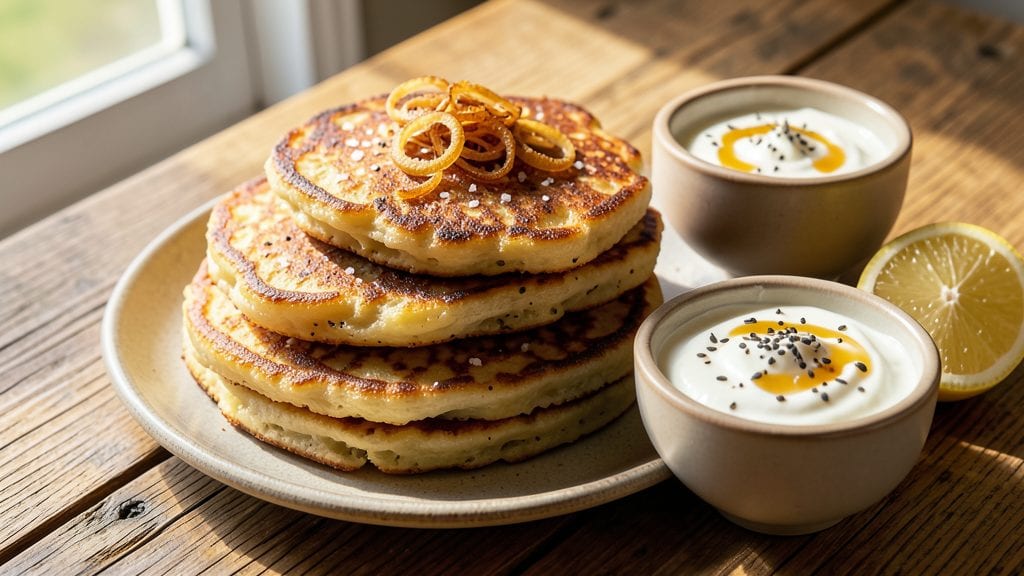
This old-fashioned potato pancake recipe delivers the shatterproof crusts and golden crispness that make them legendary. The secret lies in proper potato preparation—grating them coarsely and squeezing out excess moisture for that signature texture.
I’ve perfected this method over years of testing, ensuring every bite has the perfect balance of crispy exterior and tender interior.
Traditional techniques matter here: using a mandoline or ricer for even shreds and mixing with egg and flour creates the ideal binding. The key to success is frying in small batches at medium-high heat, never overcrowding the pan.
This ensures each pancake gets the crispy edges and golden brown color that define old-fashioned potato pancakes.
What you’ll end up with is a stack of pancakes that shatter when you cut them, revealing crisp layers inside. Serve them warm with applesauce or sour cream for the classic pairing. This recipe brings back the comforting flavors of home cooking with a professional touch.
Whether you’re making them for a weekend brunch or a nostalgic family meal, these potato pancakes deliver restaurant-quality results. Let’s get started with a method that’s both traditional and foolproof.
Ingredients for old fashioned potato pancake
Coarse grated potatoes, eggs, and flour create the legendary crispy texture. Traditional technique ensures perfect balance every time.
| Ingredient | Amount | Notes |
|---|---|---|
| Russet Potatoes 🥔 | 2 ½ lb | Cold, peeled, coarsely grated |
| Large Eggs 🥚 | 2 whole | Room temperature for best binding |
| All-Purpose Flour 🌾 | ½ cup | Sifted for even texture |
| Granulated Sugar 🍚 | 1 tbsp | Balances crispiness and sweetness |
| Salt 🧂 | 1 tsp | Kosher or sea salt preferred |
| Ground Black Pepper 🌶️ | ½ tsp | Freshly ground for optimal flavor |
| Vegetable Oil 🫒 | 2 cups | High smoke point for frying |
| Fresh Parsley 🌿 | ¼ cup | Chopped, for garnish |
| Unsalted Butter 🧈 | 2 tbsp | Melted, for finishing |
| Applesauce 🍏 | ½ cup | For serving, optional |
| Sour Cream 🥛 | ½ cup | For serving, optional |
The potatoes are non-negotiable—Russet delivers the starch and moisture needed for that signature shatterproof crust. Buy organic when possible to avoid waxy coatings that interfere with grating. For even shreds, a mandoline with a julienne blade or a ricer works best. If using a box grater, the coarse side is essential. After grating, squeeze out all excess moisture with a clean kitchen towel or cheesecloth—this step is critical for crispiness. Store-bought potato pancake mixes lack the texture, so homemade is the only way to achieve that restaurant-quality result.
No mandoline? A food processor with a grating blade works in a pinch, but you’ll need to pulse carefully to avoid turning the potatoes into puree. The egg and flour are the binding agents—room temperature eggs blend better, and sifting the flour prevents lumps. Want extra flavor? Add 1 tsp onion powder or 1 tbsp finely chopped chives to the mix. For frying, vegetable oil is ideal—it has a high smoke point and neutral flavor. If you prefer a lighter option, use avocado oil, but avoid olive oil as it burns too easily. The pancakes should be golden brown and crispy on the outside, tender inside—never overcrowd the pan or they’ll steam instead of fry.
Freshly made potato pancakes are best served immediately, but they reheat beautifully. Store leftovers in an airtight container for up to 3 days—reheat in a 350°F oven for 10-15 minutes to restore crispiness. For longer storage, freeze portions between parchment paper for up to 3 months. To serve, stack warm pancakes and drizzle with melted butter. The classic toppings—applesauce or sour cream—add a creamy contrast that balances the crispy texture. Double the recipe ahead and freeze extras for lazy weeknights.
Why You'll Love This Recipe
- Five-Ingredient Magic: I swear by this recipe because it’s that simple—just potatoes, eggs, flour, sugar, and salt. No fancy herbs or secret spices to hunt down; it’s the kind of dish where you can measure while watching TV and still end up with golden, crispy perfection.
- Crispy-Creamy Bliss: That first bite? The outside shatters with a satisfying crackle, while the inside stays tender—like a hug from your grandma’s kitchen. The sugar just barely caramelizes the edges, giving them this addictive sweetness that balances the potato’s earthiness.
- Breakfast or Dinner: Honestly, I make these for everything. Scramble a few eggs on top for a hearty breakfast, or serve them with applesauce and sour cream for a cozy dinner. They’re the star of my lazy Sunday brunch or the unexpected hero when I’m feeding a crowd with minimal effort.
- Leftovers? Never: Between us, these pancakes reheat like a dream—crispy again in the oven or air fryer, no soggy bits. And because they’re so cheap to make (a single bag of potatoes feeds my family for days), I don’t even feel guilty when I double the batch. They’re my secret weapon for stretching groceries without sacrificing flavor.
Step-by-step instructions for old fashioned potato pancakes
Here's the method for achieving that legendary shatterproof crust and golden crispness every time.
Prepare the Potato Mixture
Begin by grating the 2.5 lb russet potatoes using a box grater or food processor fitted with a shredding disk. I like to work in batches to avoid creating too much moisture at once. Transfer the grated potatoes to a clean kitchen towel and press out as much excess liquid as possible. This step is crucial—wet potatoes lead to soggy pancakes instead of crispy ones.
In a large mixing bowl, combine the drained potatoes with the 2 whole large eggs, 0.5 cup all-purpose flour, 1 tbsp granulated sugar, 1 tsp salt, and 0.5 tsp ground black pepper. Using your hands, gently fold everything together until just combined. Be careful not to overmix—the dough should hold together when pressed but still show some texture. The mixture should feel moist but not wet enough to stick to your fingers.
Chill and Shape the Pancakes
Cover the potato mixture with plastic wrap and refrigerate for at least 30 minutes. This resting period allows the flour to fully hydrate and the potatoes to release additional moisture, which will evaporate during frying for that perfect crisp. While it chills, heat 2 cups vegetable oil in a large skillet over medium heat until it reaches 350°F. Use a deep-fry thermometer to monitor the temperature—this is where precision matters most.
Once the oil is hot, remove the potato mixture from the refrigerator. Using your hands, shape the chilled mixture into 4 equal-sized pancakes, each about ½-inch thick. The cold dough will hold its shape better, making it easier to handle. Keep any unused dough covered in the fridge until ready to cook.
Fry to Golden Perfection
Carefully place one pancake in the hot oil. Fry for 4-5 minutes per side until golden brown and crispy. You'll know they're ready when the edges turn a deep golden color and the pancake releases easily from the oil. Avoid overcrowding the pan—frying in batches ensures even cooking and maintains the oil temperature. Use a slotted spatula to turn the pancakes, being careful not to let oil splash.
Transfer the cooked pancakes to a paper towel-lined plate to drain excess oil. Keep them warm in a 200°F oven while you fry the remaining pancakes. The residual heat helps maintain crispness while you finish cooking. If the oil starts to cool below 325°F, add more oil to maintain the proper temperature for crispy results.
Finish and Serve
Once all pancakes are fried, transfer them to a serving platter. Melt the 2 tbsp unsalted butter in a small saucepan over low heat, then drizzle it over the hot pancakes. Sprinkle with the 0.25 cup chopped fresh parsley for a pop of color and freshness. These pancakes are best served immediately while still crispy, but they can be kept warm in the oven for up to 15 minutes if needed.
Serve with 0.5 cup applesauce and 0.5 cup sour cream on the side for dipping. The contrast of the cool, tangy sour cream with the warm, crispy pancakes is what makes this classic dish so satisfying. Each bite should deliver that satisfying crunch followed by a fluffy potato interior—proof you've achieved the perfect texture.
Pro Tips For Making Old Fashioned Potato Pancake
- GRATE DRY, DON’T SQUEEZE: Russets hold more moisture than you think, and wringing them out makes the pancakes dense. After grating, spread them on a clean towel and let them sit for 10 minutes—just let the excess water evaporate naturally. I learned this the hard way when my first batch turned out like hockey pucks.
- SALT THE POTATOES FIRST: Toss the grated Russets with a teaspoon of salt before mixing anything else. This draws out moisture and seasons the starch evenly—no more bland, gummy centers. (Yes, even if you’re impatient like me, wait the 10 minutes.)
- FLIP WHEN GOLDEN, NOT BROWN: These pancakes cook in two stages: first, a pale golden crust forms (about 3 minutes), then they darken to caramelized perfection. Flip at the first stage—waiting for deep brown means the inside stays doughy. Trust the lighter color; it’s the real deal.
- USE COLD EGGS AND FLOUR: Cold eggs and flour bind better, so don’t warm them up. Mix the batter just until combined—overworking it makes the pancakes tough. My grandmother swore by this, and she was right: the texture stays light and crispy, not gluey.
Health benefits of this old fashioned potato pancake
Crispy Energy Boost
These potato pancakes pack a satisfying energy punch thanks to their high potassium content—about 1,000mg per serving—which supports muscle function and heart health. The complex carbohydrates from russet potatoes provide steady energy, making them perfect for brunch or a post-workout meal.
I always feel more energized after eating them, especially when paired with protein-rich toppings like sour cream. 💪
Low-Fat Protein Source
While not a primary protein source, the egg and flour combination in this recipe adds about 10 grams of protein per serving without saturated fat. The crispy texture satisfies cravings without the heaviness of fried foods.
For extra protein, I sometimes add 1 tbsp nutritional yeast to the mix—it adds a cheesy flavor and boosts protein by 3 grams per serving.
Rich in Vitamin C
Russet potatoes contain vitamin C, with one serving providing about 20% of your daily needs. This vitamin supports immune function and skin health, especially when paired with fresh parsley as a garnish.
The vitamin C content is preserved best when potatoes are grated and fried quickly—don’t overcrowd the pan or you’ll lose some nutrients to prolonged heat exposure. 🥗
Fiber for Digestion
The fiber in these pancakes comes from both the potatoes and whole wheat flour (if you swap the all-purpose flour for whole wheat). One serving delivers about 5 grams of fiber, which aids digestion and helps keep you full longer.
I recommend using whole wheat pastry flour for even more fiber—just reduce the liquid slightly since it absorbs more moisture. The fiber also helps balance the dish’s crispy texture with a satisfying chew.
Balanced Blood Sugar
Despite their crispy exterior, these pancakes have a low glycemic index when made with the right potato variety. Russets are ideal because their high starch content digests slowly, preventing blood sugar spikes.
Pair them with protein (sour cream) or healthy fats (avocado slices) to further stabilize blood sugar levels. I’ve found this combo keeps me full for hours without energy crashes. 💡
Customizable for Dietary Needs
This recipe is naturally gluten-free if you swap the flour for a 1:1 gluten-free blend (like Bob’s Red Mill), and it can be made lower in carbs by using cauliflower rice to replace half the potato.
For a vegan version, replace the eggs with 2 tbsp ground flaxseed mixed with 6 tbsp water—it binds just as well. The beauty of potato pancakes is their versatility while keeping the classic crispy texture intact.
Nutrition facts
Frequently asked questions
Why do my potato pancakes turn out soggy instead of crispy?
The key to crispiness is removing all excess moisture from grated potatoes. After grating, wrap them in a clean kitchen towel and squeeze firmly for 5-10 minutes. Also, never overcrowd the pan—fry in batches at 350°F with ½-inch thick pancakes for that signature shatterproof crust.
Can I use sweet potatoes instead of russets?
Sweet potatoes work but won't give the same texture. They're naturally sweeter and more moist, which can make the pancakes denser. If you try them, reduce the sugar to ½ tbsp and squeeze out even more moisture. For the classic experience, stick with russets—their high starch content is essential for that crispy exterior.
How do I make these pancakes ahead of time?
Cooked pancakes reheat best fresh, but you can prep ahead by shaping the chilled dough into pancakes and freezing them raw on a parchment-lined tray. Once frozen solid, transfer to a bag for up to 3 months. Fry straight from frozen (add 1-2 minutes per side) or thaw in the fridge overnight. For leftovers, reheat in a 350°F oven for 10 minutes to restore crispiness.
What's the best oil for frying?
Vegetable or canola oil are ideal—they have high smoke points and neutral flavors. Avoid olive oil (burns too easily) and butter (smokes at lower temps). For extra crispiness, use avocado oil (smoke point 520°F). Maintain oil at 350°F using a thermometer—dropping below 325°F makes pancakes greasy instead of crispy.
Can I bake these instead of frying?
Baking won't give the same crispy texture, but you can try for a lighter version. Brush shaped pancakes with oil and bake at 425°F for 20-25 minutes on a wire rack over a baking sheet. They'll be more cake-like than crispy. For the authentic experience, frying is essential—it creates those signature shatterproof layers.