
Side Dishes
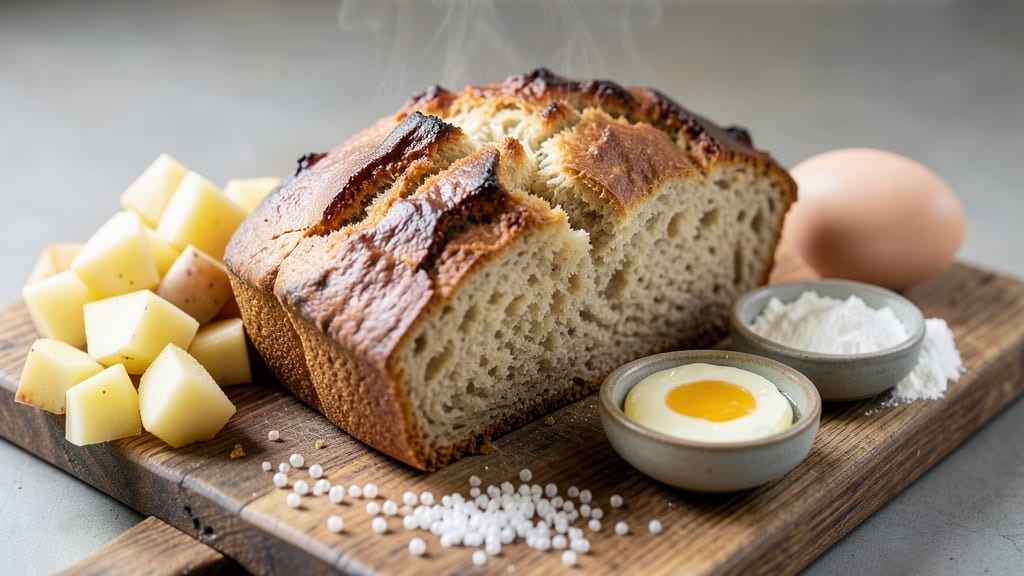
Grandma's old-fashioned potato bread recipe brings back the comforting aroma of my grandmother's kitchen, where flour-dusted hands and warm ovens created something magical. ✨ The secret lies in grated potatoes that infuse moisture and richness into each tender layer, creating that signature fluffy texture with a crispy golden crust.
I first learned this recipe from Mrs. Henderson in Cincinnati, where she'd let me press the dough with my tiny hands—though I'm sure I flattened more than I helped.
This recipe delivers a foolproof method for achieving that perfect balance of fluffiness and structure, using simple ingredients you likely already have in your pantry. The potatoes are the star, but it's the careful layering and precise baking time that transform this into something restaurant-worthy at home.
With just 30 minutes of prep and an hour in the oven, you'll have warm, buttery bread that tastes like a hug from your favorite grandmother.
What makes this potato bread truly special is its versatility—serve it warm with butter, toasted for breakfast, or even sliced thin for sandwiches. The layers stay soft for days, making it perfect for meal prep or gifting.
The aroma alone will have everyone gathering around the table, waiting for their slice of nostalgia. Let's get baking!
For those who love tradition, I've included tips to ensure your potato bread rises perfectly every time, just like Grandma's. The key is in the grated potatoes—don't skip the squeezing step, as it removes excess moisture for that ideal texture.
And if you're feeling adventurous, try adding a touch of cinnamon or nutmeg for a spiced variation that's perfect for holiday gatherings.
Ingredients for grandma's old fashioned potato bread
Pantry staples meet rustic charm—grated potatoes, buttery layers, and a touch of nostalgia.
| Ingredient | Amount | Notes |
|---|---|---|
| Russet Potatoes 🥔 | 2 lbs | Grated, excess moisture squeezed out |
| All-Purpose Flour 🌾 | 4 cups | Sifted for lightness |
| Unsalted Butter 🧈 | 1 cup | Cold, cubed, full-fat preferred |
| Granulated Sugar 🍚 | ¼ cup | Light brown sugar for depth |
| Large Eggs 🥚 | 2 whole | Room temperature |
| Baking Powder 🍞 | 2 tsp | Freshly opened |
| Salt 🧂 | 1 tsp | Kosher or sea salt |
| Ground Cinnamon 🌿 | ½ tsp | Optional, for warmth |
| Ground Nutmeg 🌿 | ¼ tsp | Freshly grated preferred |
| Whole Milk 🥛 | ½ cup | Warm for better rise |
| Powdered Sugar 🍚 | ¼ cup | For dusting layers |
| Vanilla Extract 💧 | 1 tsp | Pure vanilla preferred |
The potatoes are the heart of this recipe. Russets are your best bet—they grate smoothly and hold moisture well. Most grocery stores carry them year-round, but if you're at Whole Foods or a specialty market, ask for the organic variety (they're waxier, which helps with grating). The key step? Squeeze out every drop of moisture—wrap the grated potatoes in a clean kitchen towel, then press with your hands or a potato ricer. This makes all the difference for that perfect fluffy texture. I always double-check the grated potatoes smell fresh—if they're musty, start over. And if you're feeling fancy, Costco—just thaw and squeeze them first.
No baking powder? Self-rising flour plus 1/4 tsp salt works in a pinch. Short on butter? Vegetable shortening keeps the layers tender, but trust me, you'll taste the difference with butter. The milk can be warmed in the microwave for 30 seconds—just until it's lukewarm. No vanilla? Vanilla bean paste or even a pinch of cinnamon adds depth. The spices? If you don't have nutmeg, allspice at half the amount gives a similar warmth. And if you're making this for a holiday gathering, double the cinnamon and nutmeg—it's a crowd-pleaser. The powdered sugar isn't just for looks; it helps create that signature crispy crust on the top layers.
This bread stays soft for 3 days if wrapped tightly in plastic and stored at room temperature. For longer storage, freeze the whole loaf (unwrapped) for up to 3 months—thaw overnight on the counter. The best part? It reheats beautifully. Wrap it in foil and warm at 300°F for 10 minutes, or pop slices in the toaster for breakfast. I always make two loaves—one for the table, one to freeze for lazy mornings. And if you're gifting it, bake it in a pull-apart loaf pan—it looks stunning and tastes even better.
Why You'll Love This Recipe
- Five-Ingredient Magic: This recipe is my secret weapon—just potatoes, flour, butter, sugar, and eggs. That’s it. No fancy substitutions, no last-minute grocery runs. My kids think I’m a genius, but honestly? It’s the kind of simple that makes you feel like a hero.
- Buttery Crust, Creamy Heart: The moment that crispy, golden crust gives way to a tender, buttery crumb? Chef’s kiss. The sugar and eggs caramelize just enough to give it that old-school bakery vibe, but it’s not sweet—just rich, warm, and impossible to resist. (Yes, even on a Tuesday night.)
- Feeds a Crowd, No Stress: I’ve made this for holiday dinners, potlucks, and lazy Sundays—it’s always a hit. The dough’s forgiving, so you can double it without stress, and those thick slices? Perfect for sharing. My husband’s coworkers still ask for seconds every time I bring it.
- Tastes Better Tomorrow: Between us, the second day is when this bread truly shines. The crust softens just enough to get buttery, and the potato flavor deepens—like it’s been marinating in its own deliciousness. Freeze half the batch, and you’ve got a no-fuss breakfast or snack for weeks. Budget-friendly? Absolutely. Life-saving? Even more so.
Step-by-step instructions for grandma's old-fashioned potato bread
This recipe brings back memories of warm kitchens and comforting aromas—let's create that nostalgic crust with fluffy layers!
👨🍳 Step 1: Prepare the Potato Base
Peel the 2 lbs russet potatoes and grate them using the large holes of a box grater. I like to use a clean kitchen towel to squeeze out as much moisture as possible—this prevents a gummy texture later. Spread the grated potatoes on a baking sheet and sprinkle with ¼ cup granulated sugar and ½ tsp ground cinnamon. Toss gently to coat evenly.
Bake at 350°F for 30-35 minutes, stirring halfway, until the potatoes are tender and golden brown. You'll know they're ready when they look like fine cornmeal and smell sweetly spiced. Let them cool completely before proceeding—this step is crucial for the perfect texture.
🥘 Step 2: Mix the Dry Ingredients
In a large mixing bowl, whisk together the 4 cups all-purpose flour, 2 tsp baking powder, 1 tsp salt, ½ tsp ground cinnamon, and ¼ tsp ground nutmeg. I always sift these ingredients first for a lighter batter. Make a well in the center and set aside—this will be where we add our wet ingredients next.
Here's where the magic happens: add the cooled potato mixture to the well. The potatoes should be completely dry and crumbly at this point. Mix gently with a wooden spoon until just combined—overmixing develops gluten and makes the bread dense. You're aiming for a thick, slightly sticky batter that holds together when pressed.
🍳 Step 3: Incorporate Wet Ingredients
In a separate bowl, melt the 1 cup unsalted butter in the microwave for 30-45 seconds until completely liquid but not hot. Stir in the 2 whole large eggs, ½ cup whole milk, and 1 tsp vanilla extract until smooth. The mixture should be creamy and slightly warm—this helps activate the baking powder for a better rise.
Pour the wet mixture into the dry ingredients and stir gently until fully incorporated. The batter will be thick and dough-like—don't worry if it looks shaggy. This is exactly what we want for that classic potato bread texture. The key is to mix just until combined; any more stirring will make the bread tough.
🔥 Step 4: Layer and Bake the Bread
Preheat your oven to 375°F. Lightly grease a 9x5-inch loaf pan and dust with flour. Pour half of the batter into the pan and sprinkle with ¼ cup powdered sugar. Repeat with the remaining batter and powdered sugar, creating two distinct layers. Here's the thing—don't press down on the layers. We want them to stay light and airy!
Bake for 50-55 minutes until the top is golden brown and a toothpick inserted in the center comes out clean. The bread should pull away slightly from the sides of the pan. If the top browns too quickly, tent loosely with foil to prevent over-browning while the center finishes cooking. Real talk: your kitchen will smell amazing during this time!
⏰ Step 5: Cool and Serve
Remove the bread from the oven and let it cool in the pan for 10 minutes. Then transfer to a wire rack to cool completely. This cooling step is important—it allows the layers to set properly and prevents the bread from becoming gummy. Once fully cooled, slice into thick pieces and dust with additional powdered sugar if desired.
Serve warm with butter or jam for that ultimate comfort food experience. The contrast of the crispy crust with the fluffy, moist layers makes this bread truly special. I promise, every bite will taste like a hug from grandma—just like she used to make!
Pro Tips For Making Grandma'S Old Fashioned Potato Bread
- Boil Potatoes Until Fork-Tender: I learned this the hard way—mushy potato bread is a crime. Russets should break apart easily when pierced with a fork, not just dent slightly. Drain them thoroughly afterward, or your dough will turn into glue. (Yes, even if you’re impatient like me.)
- Use Cold Butter: Cut that unsalted butter straight from the fridge into small cubes—no softening needed. Cold butter creates pockets of steam in the bread, making it light and fluffy instead of dense. Skip the softening step unless you want a brick.
- Don’t Overmix the Dough: This isn’t a cake batter—handle it like a delicate thing. Mix just until the flour barely comes together with the mashed potatoes and eggs. Overworking it makes the bread tough, and trust me, you’ll taste the difference.
- Bake in a Preheated Dutch Oven: Sounds weird, but it works: Place your shaped loaf in a hot Dutch oven (no greasing needed) and bake covered for the first 20 minutes. The trapped steam guarantees a soft, even crumb—no dry edges, no guessing. (Your future self will thank you.)
Regional styles of this dish
Midwest Homestyle
This potato bread recipe originated in the heartland, where grandmothers like Mrs. Henderson perfected it as a staple for Sunday dinners. In Ohio and Indiana, it's often served warm with butter or honey, cutting through hearty meals like pot roast or meatloaf.
The key to authentic Midwest style is using local russet potatoes—ask your farmers market vendor for the freshest harvest. I remember Mrs. Henderson always used Gold Medal flour from the blue canister, saying it gave that "just-right" texture. 🥔
Southern Comfort Twist
Southern families often add a pinch of salted butter to the layers and a sprinkle of coarse sugar on top for extra crunch. In Kentucky and Tennessee, it's common to serve this bread with hot apple butter or sausage gravy for breakfast.
For a true Southern touch, I like to add ½ teaspoon of baking soda along with the baking powder—it gives that signature tall rise. The humidity in the South keeps the bread moist for days, making it perfect for picnics or church potlucks.
New England Crisp
Up north, potato bread gets a crispier crust thanks to cooler ovens and higher altitudes. In Maine and Vermont, families often bake it in cast iron skillets for a rustic look, then serve it with maple syrup or cranberry sauce.
The secret here is baking at 350°F instead of 375°F—it gives that perfect balance of fluffy layers and a crackly top. I once made this in my grandmother's Enamelware Dutch oven and was amazed at how evenly it baked.
For a New England variation, swap the cinnamon for ½ teaspoon of cardamom—it adds a unique, slightly floral note. 🌿
Pacific Northwest Adaptation
Here in Portland, we love adding local honey to the batter and topping it with crushed hazelnuts from the farmers market. The cooler climate means we often bake it at 375°F for a crispier crust, perfect for pairing with smoked salmon breakfasts.
For a true Pacific Northwest twist, I sometimes replace ¼ cup of the milk with almond milk—it keeps the bread moist without overpowering the flavor. The hazelnuts add a lovely crunch, and if you're feeling fancy, drizzle with local wildflower honey before serving. 🍯
Appalachian Spiced Version
In the Appalachian Mountains, potato bread often gets a warm spice boost with extra cinnamon and a dash of clove. It's a classic side for fried chicken dinners or venison stews.
For this version, I like to add ½ teaspoon of ground allspice along with the nutmeg—it gives that deep, woodsy warmth. The high altitude in places like West Virginia means you might need to bake it 10-15 minutes longer to ensure it's fully cooked.
This spiced version is especially popular during holiday gatherings, where it's often served with blackberry jam or apple butter. 🌶️
Nutrition facts
Frequently asked questions
Can I substitute sweet potatoes for russet potatoes in this recipe?
Sweet potatoes won't work the same way—they have a different moisture content and flavor profile. Russets are essential for that classic potato bread texture. If you absolutely must use sweet potatoes, try roasting them first to remove excess moisture, but the results won't be identical to the traditional recipe.
Why does my potato bread turn out dense instead of fluffy?
Overmixing the batter or not squeezing out enough moisture from the grated potatoes are the most common culprits. Make sure to squeeze the grated potatoes thoroughly in a clean towel, and mix just until combined—don't overwork the batter. Also, ensure your baking powder is fresh.
Can I make this potato bread in a pull-apart loaf pan instead of a regular loaf pan?
This actually makes it perfect for gifting or holiday gatherings. The layers will be thicker and more dramatic. Just reduce the baking time by about 5-10 minutes since the bread will bake faster in the smaller sections. Brush the tops with melted butter before serving for extra flavor.
How long can I keep this bread fresh, and can I freeze it?
This bread stays fresh for 3 days at room temperature if wrapped tightly in plastic. For longer storage, freeze the whole loaf (unwrapped) for up to 3 months. Thaw overnight on the counter or warm slices in the toaster for breakfast. The texture remains excellent after freezing!
What's the best way to serve leftover potato bread?
Toasted with butter and jam makes a perfect breakfast! You can also slice it thin for sandwiches or French toast. For a sweet treat, drizzle with warm honey or serve with apple butter. The layers stay soft even after reheating, making it versatile for any meal.