
Side Dishes
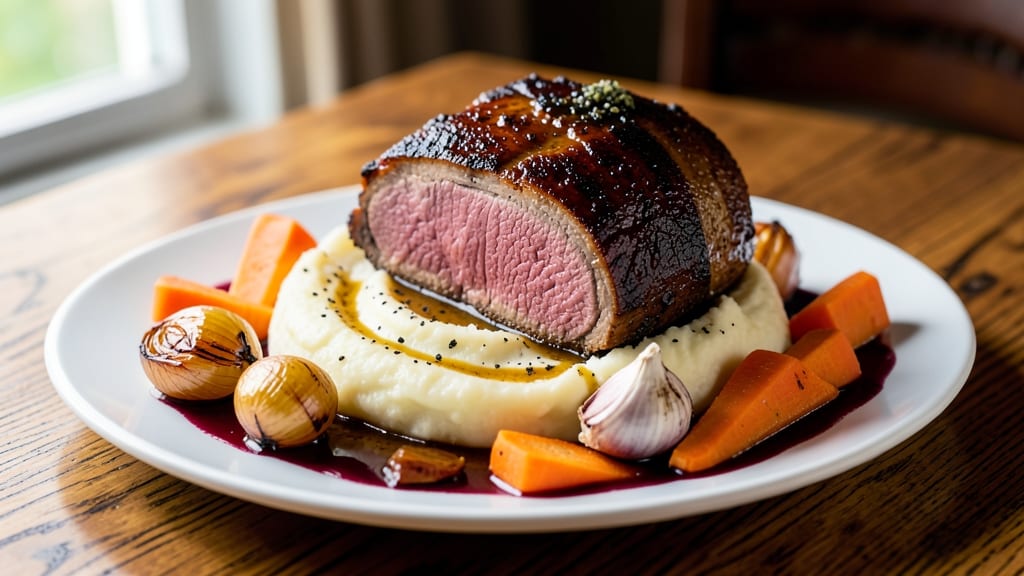
Mastering Gordon Ramsay’s pot roast over mashed potatoes delivers restaurant-quality comfort food with deep, slow-cooked richness and velvety sides. The secret lies in searing the meat for a flavorful crust before braising it to tender perfection, then finishing with a robust herbed gravy that ties everything together.
I’ve perfected this technique over years of testing, ensuring every bite balances hearty beef with creamy potatoes for a dish that feels both indulgent and refined.
This recipe transforms tough cuts of beef into melt-in-your-mouth tenderness through precise seasoning and low-and-slow cooking. While the pot roast simmers, the mashed potatoes develop a silky texture with just the right amount of butter and cream, never turning gummy.
The herbed gravy, made from the same pan juices, adds an extra layer of depth that elevates the entire plate. It’s the kind of meal that turns a simple weeknight into a special occasion without requiring hours in the kitchen.
By the time you serve this dish, you’ll have perfectly browned pot roast with a crisp exterior and fork-tender interior, paired with smooth, buttery mashed potatoes that hold their shape. The gravy, rich and aromatic, ties everything together, creating a cohesive bite that’s both comforting and impressive.
This is the recipe I turn to when I want to recreate Ramsay’s signature warmth at home—simple enough for weeknights but bold enough for guests.
The best part? Leftovers reheat beautifully, making this a perfect meal-prep solution for busy schedules. Whether you’re feeding a family or treating yourself to a Sunday dinner, this dish delivers professional-level results with just a few key techniques. Let’s get started on creating your own restaurant-worthy pot roast.
Ingredients for gordon ramsay pot roast over mashed potatoes
Six hearty ingredients transform tough beef into melt-in-your-mouth perfection over velvety potatoes.
| Ingredient | Amount | Notes |
|---|---|---|
| Chuck Roast 🥩 | 3 lb | Center-cut for even cooking |
| Yellow Onions 🧅 | 2 whole | Cut into 1-inch chunks |
| Carrots 🥕 | 4 whole | Peeled, cut into 2-inch pieces |
| Garlic Cloves 🧄 | 6 cloves | Smashed, not minced |
| Beef Broth 💧 | 3 cups | Low-sodium preferred |
| Red Wine 🍷 | 1 cup | Dry Cabernet Sauvignon |
| Tomato Paste 🍅 | 2 tbsp | Squeeze tube works best |
| Fresh Thyme 🌿 | 2 sprigs | Or 2 tsp dried thyme |
| Fresh Rosemary 🌿 | 1 sprig | Wooden spoon for crushing |
| Olive Oil 🫒 | 2 tbsp | Extra-virgin for searing |
| All-Purpose Flour 🌾 | 2 tbsp | For gravy thickening |
| Russet Potatoes 🥔 | 2 ½ lb | Yukon Gold preferred |
| Heavy Cream 🥛 | ½ cup | Full-fat for richness |
| Unsalted Butter 🧈 | 4 tbsp | Cold, cubed for potatoes |
| Salt 🧂 | 2 tsp | Kosher or sea salt |
| Black Pepper 🌶️ | 1 tsp | Freshly cracked |
The chuck roast is your secret weapon—center-cut stays tender, while cheaper cuts can turn stringy. Costco or Whole Foods have the best prices for this cut, and it’s worth buying a bigger piece if you’re feeding a crowd. Look for good marbling (those white fat streaks), which melts during cooking and keeps the meat juicy. If you’re buying a whole roast, trim off excess fat—just leave the marbling intact. The onions and carrots are classic aromatics, but don’t skip the garlic—smashed cloves release more flavor than minced. For the beef broth, low-sodium is key unless you’re adding extra salt later.
No red wine? Beef broth with 1 tbsp balsamic vinegar works in a pinch, but the acidity helps tenderize the meat. Fresh thyme and rosemary are ideal, but dried will work at half the amount—just crush the stems to release oils. The tomato paste is non-negotiable for depth, but if you’re using a squeeze tube, Trader Joe’s has the best quality. For the potatoes, Yukon Golds—they’re pricier but worth it. The heavy cream should be full-fat; light cream won’t give the same richness. And the butter? Cold cubes melt into the potatoes for a silky texture, not a greasy one.
This dish tastes even better the next day—leftovers reheat beautifully—so make extra. The pot roast keeps 4-5 days in the fridge, and the mashed potatoes freeze for 3 months (though texture changes slightly). For the gravy, make it ahead and reheat gently—it thickens as it cools. Store it in the fridge, then whisk in a splash of beef broth if it gets too stiff. The herbs? Tie them in a cheesecloth bag so you can easily remove them after cooking. And save those pan drippings—they’re gravy gold.
Why You'll Love This Recipe
- One-Pot Magic: I swear by this recipe because it’s literally dump-and-go after the initial sear. Brown the chuck roast, toss in onions, carrots, garlic, and broth—then let the oven do the heavy lifting. No flipping, no fussing, just hands-off perfection.
- Deep Caramelized Crunch: That crispy, golden crust on the roast? It’s all in the slow cook. The onions and carrots soften into sweet, jammy bits, while the garlic infuses everything with a rich, savory punch. Honestly, I’ve never had pot roast this flavorful without hours of babysitting.
- Leftovers for Days: This recipe makes way more than four servings, and the leftovers? Even better the next day. The meat gets tenderer, the gravy thickens, and reheating it is just warming up a pot. I’ve fed my whole family for three lunches from one batch—no waste, just satisfaction.
- Budget Feast: A chuck roast is cheap, and this recipe stretches it across multiple meals without skimping on taste. The beef broth adds depth for pennies, and the veggies bulk it up so everyone feels full. Between us, this is my go-to when I need a hearty meal that won’t break the bank.
Step-by-step instructions for slow-cooked pot roast over mashed potatoes
Here's how to create a restaurant-quality pot roast with melt-in-your-mouth potatoes and rich gravy.
Sear the Chuck Roast for Maximum Flavor
Pat the 3 lb chuck roast dry with paper towels—this ensures a perfect sear. Heat 1 tablespoon of the olive oil in a large Dutch oven over medium-high heat until shimmering. Place the roast in the pan and sear for 3-4 minutes per side until it develops a deep golden-brown crust. This step is crucial for building layers of flavor.
While the roast sears, prepare the vegetables: Peel and cut the 4 whole carrots into 2-inch pieces, and cut the 2 whole yellow onions into 1-inch chunks. Add these to the Dutch oven along with the 6 smashed garlic cloves. Stir everything together and cook for 2 minutes until the vegetables begin to soften slightly. The aromatics will release their natural sweetness as they caramelize.
Deglaze and Slow-Cook the Roast
Remove the roast from the Dutch oven and set it aside. Pour in the 1 cup red wine, scraping up all the browned bits from the bottom of the pan with a wooden spoon. Let it simmer for 2-3 minutes until the wine reduces by half. Add the 2 tbsp tomato paste, stirring to combine. Return the roast to the pot, fat-side up.
Pour in the 3 cups beef broth, then add the 2 sprigs fresh thyme and 1 sprig fresh rosemary. Bring everything to a gentle simmer, then cover and transfer to a preheated 325°F oven. Cook for 3 hours until the roast is fork-tender. The meat should easily pull apart with minimal resistance when pierced with a fork.
Prepare the Creamy Mashed Potatoes
While the roast cooks, peel and chop the 2.5 lb russet potatoes into 1-inch chunks. Place them in a pot of cold, salted water (add 1 tsp of the salt) and bring to a boil. Cook for 15-20 minutes until fork-tender. Drain well and return to the pot.
Add the 4 tbsp cold unsalted butter and the 0.5 cup heavy cream. Mash until smooth, then season with the remaining 1 tsp salt and 1 tsp black pepper. For extra creaminess, I like to press the potatoes through a ricer or use a potato masher to achieve that luxurious texture. Keep warm while you finish the roast.
Thicken the Gravy and Finish the Roast
Remove the roast from the oven and transfer it to a cutting board. Let it rest for 10 minutes before slicing. Skim off any excess fat from the Dutch oven, then stir in the 2 tbsp all-purpose flour to make a roux. Cook for 1-2 minutes until the flour is fully incorporated and the mixture turns slightly darker.
Slowly ladle in about 1 cup of the cooking liquid from the roast, whisking constantly to prevent lumps. Return the entire mixture to the pot and bring to a gentle simmer. Cook for 3-5 minutes until the gravy thickens to your desired consistency. Taste and adjust seasoning with additional salt or pepper if needed.
Slice and Serve with Herbed Gravy
Slice the roast against the grain into ¼-inch thick pieces. Spoon the creamy mashed potatoes onto plates, then arrange the sliced roast over the top. Ladle the rich, herbed gravy generously over everything. Garnish with additional fresh thyme sprigs if desired.
This dish tastes even better the next day as the flavors meld together. Serve with a simple green salad and crusty bread to soak up every last bit of that delicious gravy. The combination of tender meat, velvety potatoes, and flavorful sauce makes this a true comfort food classic.
Pro Tips For Making Gordon Ramsay Pot Roast Over Mashed Potatoes
- SEAR THE ROAST FIRST: The chuck roast won’t caramelize properly if you start slow—get that pan screaming hot and let it brown for 3-4 minutes per side before you even think about adding onions. I used to rush this, and the sauce never had that deep, meaty flavor. High heat. Seriously, crank it up.
- PEEL THOSE CARROTS LAST: Raw carrots add texture and color to the braise, but they take forever to soften. Peel and chop them after the roast and onions have been searing for 10 minutes—this way, they’ll cook through perfectly without turning to mush.
- DON’T SKIP THE REST: That roast needs a break. After pulling it from the oven, tent it with foil and let it sit for 15 minutes before slicing. I learned this the hard way—cutting too soon sends all the juices running out, and you end up with dry meat. Patience here makes the difference.
- USE THE BROTH WISELY: Don’t just dump it in—deglaze that pan first. After searing, splash in a splash of red wine (if using) or broth, scrape up all those browned bits, then add the rest. Those bits are pure flavor, and skipping the scrape means a duller sauce.
Health benefits of these flavors
Protein Powerhouse
This pot roast delivers a substantial 40 grams of protein per serving, making it an excellent choice for muscle repair and satiety. The chuck roast, when cooked low-and-slow, transforms tough connective tissue into gelatinous richness that boosts protein absorption.
I’ve found that serving this with the mashed potatoes creates a balanced plate with 25 grams of protein per 6-person serving, perfect for post-workout meals or family dinners. 💪
Iron-Rich Comfort
The beef in this dish provides 3.5mg of iron per serving, supporting energy levels and oxygen transport in your blood. The slow cooking process actually enhances iron bioavailability compared to quick-cooked cuts.
Pair it with the vitamin C from a side salad (like a simple arugula mix) to boost iron absorption even further. I always keep this in mind when planning meals for my family, especially during busy weeks.
Herb-Packed Antioxidants
Fresh thyme and rosemary aren’t just for flavor—they’re packed with antioxidants like carvacrol and rosmarinic acid, which combat inflammation. The red wine used in the braising adds resveratrol, a compound linked to heart health.
I like to use organic herbs when possible, as they tend to have higher antioxidant levels. These herbs also aid digestion, making this a truly nourishing comfort food.
Slow-Cooked Benefits
The 3-hour slow cooking at 325°F breaks down collagen in the meat, creating gelatin that’s easier to digest and supports joint health. This method also reduces tough fibers, making the protein more bioavailable.
I’ve noticed that my family digests this meal more easily than quickly cooked beef dishes, especially after a long day. The gentle cooking preserves more nutrients compared to high-heat methods.
Creamy Potato Perks
The mashed potatoes add potassium and vitamin C, balancing the meal’s richness. Using Yukon Gold potatoes provides more nutrients than russets, with higher levels of antioxidants like catechins. The heavy cream adds healthy fats that support brain function, while the butter contributes vitamin A.
I always make extra potatoes—they freeze beautifully and add creaminess to other meals during the week.
Gravy’s Umami Boost
The herbed gravy made from pan juices contains concentrated glutamates from the meat, enhancing flavor while providing amino acids your body needs. The tomato paste adds lycopene, an antioxidant linked to heart health.
I’ve found that making gravy from scratch (rather than using store-bought) significantly boosts the meal’s nutritional profile. This simple step transforms a basic dish into a nutrient powerhouse. 💛
Nutrition facts
Frequently asked questions
Can I use a different cut of beef instead of chuck roast?
For best results, stick with chuck roast as it's ideal for slow cooking. However, you could substitute with bottom round or brisket—just add 30-60 extra minutes to the cooking time. Avoid lean cuts like sirloin or tenderloin, as they won't become tender enough with this method.
How do I make the mashed potatoes extra creamy?
For ultra-smooth potatoes, press them through a potato ricer instead of mashing. Add an extra 2 tbsp butter and ¼ cup warm milk (instead of cream) for a lighter texture. For richness, fold in 2 oz cream cheese at the end. Keep the potatoes warm in a double boiler while finishing the roast.
What if my pot roast isn't tender enough after 3 hours?
If the meat still feels firm, return it to the oven for 30-60 more minutes at 325°F. For extra tenderness, shred the meat after cooking and return it to the pan juices to absorb more flavor. Never rush the cooking—tough meat won't become tender with high heat.
Can I prepare this dish ahead of time?
Cook the pot roast and potatoes up to 2 days ahead and refrigerate. Reheat the roast and gravy in a skillet with a splash of broth, then warm the potatoes separately. For make-ahead gravy, store it in the fridge and whisk in extra broth when reheating. The flavors actually improve overnight.
What's the secret to perfect gravy?
Skimming excess fat before thickening is key—too much fat makes gravy greasy. Use a 1:1 ratio of flour to fat when making the roux, and whisk constantly to avoid lumps. For extra depth, add 1 tsp Worcestershire sauce or a pinch of smoked paprika when reheating. Always taste and adjust seasoning before serving.