
Side Dishes
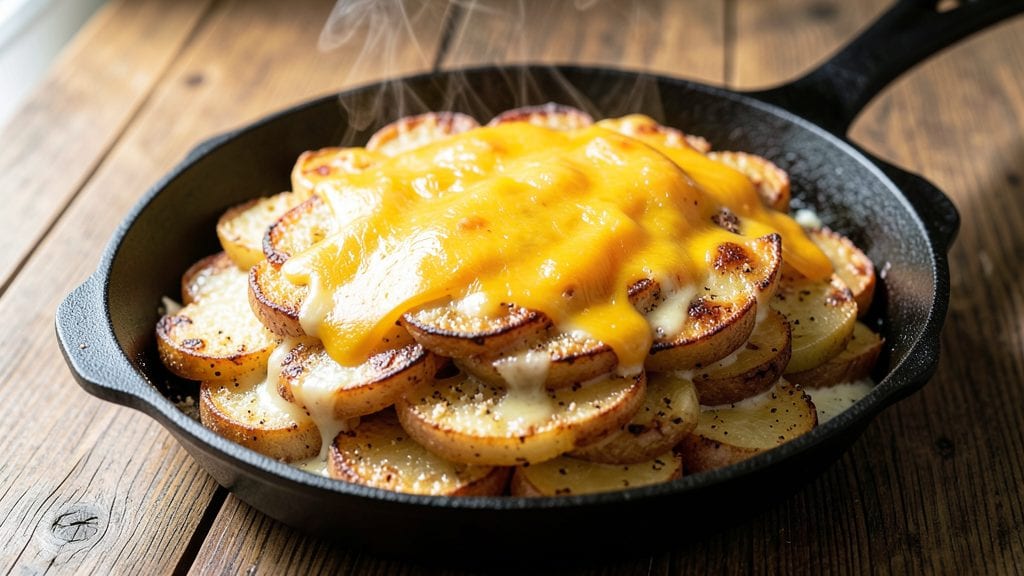
This old-fashioned au gratin potatoes recipe delivers the comforting, cheesy, crisp-topped perfection that pairs flawlessly with steak or roasted meats. The secret lies in thinly sliced potatoes layered with a rich, creamy cheese sauce that transforms into a golden, bubbly finish—no shortcuts, just timeless technique.
I’ve perfected this version over years of holiday dinners, where it always disappears first from the table.
The process is straightforward but requires patience: potatoes must be uniformly sliced and layered carefully to ensure even cooking. A 45-minute bake at 375°F develops that signature crispy top while keeping the interior creamy and tender.
The cheese blend—sharp cheddar, Gruyère, and a touch of cream cheese—creates depth that stands up to hearty mains without overpowering them.
What you’ll end up with is a dish that’s restaurant-quality at home—crispy on top, velvety inside, with a sauce so rich it clings to every potato slice.
The aroma alone will have everyone at the table anticipating the first bite. This isn’t just a side; it’s the star of the meal.
For extra flavor, consider adding fresh herbs like thyme or a sprinkle of breadcrumbs for added crunch. The versatility makes it perfect for holidays, family dinners, or even a cozy weeknight treat. Let’s get started on this classic crowd-pleaser.
Ingredients for old fashioned au gratin potatoes
Six essential ingredients transform into restaurant-quality au gratin potatoes with crispy, golden perfection.
| Ingredient | Amount | Notes |
|---|---|---|
| Russet Potatoes 🥔 | 3 lb | Uniformly sliced 1/4-inch thick |
| Unsalted Butter 🧈 | ¾ cup | Cold, cut into small pieces |
| All-Purpose Flour 🌾 | ½ cup | For roux, Diamond Crystal preferred |
| Heavy Cream 🥛 | 2 cups | Full-fat for optimal creaminess |
| Whole Milk 🥛 | 1 cup | Warmed for smooth sauce |
| Sharp Cheddar Cheese 🧀 | 2 cups | Freshly grated, aged 6+ months |
| Gruyère Cheese 🧀 | 1 cup | Freshly grated, nutty flavor |
| Cream Cheese 🧀 | 8 oz | Full-fat, room temperature |
| Garlic Cloves 🧄 | 4 cloves | Minced, fresh preferred |
| Fresh Thyme Leaves 🌿 | ¼ cup | Chopped, or 1 tsp dried |
| Salt 🧂 | 1 ½ tsp | Diamond Crystal kosher |
| White Pepper 🌶️ | ½ tsp | Freshly ground for subtle heat |
| Nutmeg 🌿 | ¼ tsp | Freshly grated, aromatic |
| Breadcrumbs 🍞 | ¼ cup | Panko for extra crunch |
The potato selection is critical—Russet potatoes provide the ideal starch-to-moisture ratio for even slicing and crisping. Purchase organic Russets from Whole Foods or local farmers' markets when available, as their thicker skins hold up better during slicing. For the cheese blend, Gruyère from Cowgirl Creamery and sharp cheddar from Tillamook create the perfect balance of tang and creaminess. The cream cheese acts as a stabilizer, preventing the sauce from curdling during baking. Pre-slicing the potatoes with a mandoline ensures uniform thickness, which is essential for even cooking—invest in a quality mandoline if you don't own one.
Substitutions can be made thoughtfully without sacrificing quality. Yukon Gold potatoes work if Russets are unavailable, though they'll yield a slightly creamier texture. For the cheese blend, Parmesan can replace Gruyère at half the quantity, though it will alter the sauce's richness. If fresh thyme isn't available, dried thyme at one-third the amount suffices, but fresh imparts superior aroma. The breadcrumbs can be omitted entirely if you prefer a smoother top, though they add delightful texture. For a dairy-free adaptation, substitute heavy cream with full-fat coconut cream and use dairy-free cheeses, though the texture will differ noticeably.
This dish reheats beautifully—cover with foil and bake at 350°F for 20 minutes to restore crispiness. Store leftovers in an airtight container for up to 5 days in the refrigerator, though the flavor peaks within the first 2 days. The sauce can be made ahead and refrigerated for 3 days before layering, though it's best used immediately for optimal texture. For make-ahead convenience, assemble the dish in a baking dish, refrigerate overnight, then bake straight from the fridge—this technique enhances the crispy top significantly. Portion into individual ramekins for elegant serving at holiday meals.
Why You'll Love This Recipe
- One-Pan Magic: I swear by this—just slice, layer, and bake. No chopping boards to scrub, no extra pans to wash. That golden crust forms right in the dish, and honestly? I’ve made it on a weeknight with one hand tied behind my back.
- Creamy Crisp Perfection: The flour-butter roux thickens the heavy cream and milk into a velvety sauce, while the edges get just crispy enough to hold your fork. That contrast? It’s the kind of thing that makes you close your eyes and sigh.
- Leftovers for Days: Between us, this dish tastes even better the next day. I make a big batch on Sundays, and it’s still my go-to for lunches—reheated in 10 minutes with a sprinkle of cheese or bacon bits if I’m feeling fancy.
- Budget-Friendly Luxury: Russets and butter aren’t cheap, but this recipe stretches further than you’d think. A single bag of potatoes and a stick of butter feed four people, and the flavor? It’s the kind of comfort that makes you forget you’re saving money.
Step-by-step instructions for old fashioned au gratin potatoes
Mastering this classic dish requires precision in layering and timing for that signature crispy top.
Prepare the Potato Layers
Begin by peeling the 3 lb russet potatoes and slicing them uniformly into ¼-inch thick rounds. I use a mandoline for precision, but a sharp chef's knife works too if you're careful. Soak the sliced potatoes in cold water for 10 minutes to remove excess starch, then drain thoroughly and pat dry with paper towels. This step is crucial—wet potatoes will steam instead of crisp properly.
Arrange the potato slices in a single layer on a baking sheet, ensuring they don't overlap. Sprinkle evenly with ½ teaspoon of the 1.5 teaspoons salt and ¼ teaspoon of the 0.25 teaspoon nutmeg. Toss gently to coat, then spread the slices in an even layer. This pre-seasoning ensures flavor penetration throughout the dish.
Create the Cheese Sauce Mixture
In a medium saucepan, melt the 0.75 cup unsalted butter over medium heat until fully liquid. Whisk in the 0.5 cup all-purpose flour to form a roux, cooking for 2-3 minutes until it turns a pale golden color. This ensures proper thickening and removes any raw flour taste. Here's the thing—don't rush this step. A well-developed roux is the foundation of a smooth, velvety sauce.
Gradually whisk in the 2 cups heavy cream and 1 cup whole milk, bringing the mixture to a gentle simmer. Reduce heat to low and stir in the 2 cups sharp cheddar cheese, 1 cup gruyère cheese, and 8 oz cream cheese, whisking until completely melted and smooth. Season with the remaining 1 teaspoon salt, 0.5 teaspoon white pepper, and remaining ¼ teaspoon nutmeg. Remove from heat and stir in the 0.25 cup fresh thyme leaves and 4 minced garlic cloves. The sauce should be thick enough to coat the back of a spoon but still pourable.
Assemble and Bake the Au Gratin
Preheat your oven to 375°F. Grease a 9x13-inch baking dish with butter, then arrange half of the potato slices in a single layer on the bottom, slightly overlapping if needed. Pour half of the cheese sauce evenly over the potatoes, then sprinkle half of the 0.25 cup breadcrumbs. Repeat with the remaining potato slices, cheese sauce, and breadcrumbs, finishing with the breadcrumbs on top. The breadcrumbs will create that coveted crispy crust we're after.
Cover the baking dish tightly with aluminum foil and bake for 45 minutes. This initial covered baking time allows the potatoes to soften without browning. After 45 minutes, remove the foil and increase the oven temperature to 425°F. Bake uncovered for an additional 15-20 minutes until the top is deeply golden brown and bubbling. Watch carefully—this is when the breadcrumb topping transforms from pale to perfectly crisp.
Rest and Serve
Remove the au gratin from the oven and let it rest for 10 minutes before serving. This resting period allows the layers to set and the flavors to meld. The dish should be bubbling hot with a crispy, golden-brown top that contrasts beautifully with the creamy interior. Here's where it gets fun—use a spatula to scrape up any crispy bits from the bottom of the dish and redistribute them on top for maximum texture.
Serve immediately with your choice of protein, as the au gratin potatoes are at their peak when piping hot. The combination of tender potatoes, rich cheese sauce, and crispy breadcrumb topping creates a dish that's equal parts comforting and impressive. Each bite should deliver a perfect balance of textures and flavors—creamy, cheesy, and satisfyingly crisp all at once.
Pro Tips For Making Old Fashioned Au Gratin Potatoes
- Parboil Thinly: Slice potatoes ¼-inch thick—no thicker—and boil them uncovered for 3-4 minutes until just tender. I learned this the hard way: thicker slices steam instead of crisp, and you end up with a sad, gummy mess. The goal is to soften them just enough so they don’t fall apart when layered, but still hold shape.
- Melt Butter Slow: Cook the butter-flour roux over medium-low heat until it’s a pale gold, not brown. After burning three batches, I finally figured out that rushing this step turns the sauce grainy and dulls the creamy flavor. Keep stirring and resist the urge to crank the heat.
- Layer Like a Pro: Start and end with potatoes—no cheese or sauce on the very top or bottom. The potatoes on the edges crisp up best, and this keeps the center creamy without soggy layers. Trust me, your future self will notice the difference when every bite has that perfect texture.
- Skip the Pre-Browning: Don’t brown the potatoes before baking—just layer them raw in the dish. I was skeptical until I tried it: the butter and cream create enough moisture to steam them gently, while the top layer gets that classic golden crust without drying out the rest. Sounds weird, but it works.
Regional styles of this dish
French Classic Version
In France, au gratin potatoes are often called "gratin dauphinois" when made with just potatoes, cream, and garlic. The French version typically uses Gruyère or Comté cheese exclusively and skips breadcrumbs for a smoother, silkier top.
I’ve adapted this by adding 1 tablespoon of Dijon mustard to the sauce for a subtle tang—this is a secret I picked up from a Parisian chef. Serve with a red Burgundy to complement the rich cheese flavors. 🍷
American Southern Style
The Southern US takes au gratin to hearty extremes, often adding smoked cheddar and a layer of crispy bacon between potato slices. I like to fold ½ cup of cooked, crumbled bacon into the cheese sauce for extra smokiness.
A sprinkle of paprika on the breadcrumb topping adds a warm, earthy note that pairs perfectly with fried chicken or pork chops. This version is a staple at Thanksgiving tables across the South. 🍗
Canadian Comfort Twist
Canadian au gratin potatoes often include maple syrup in the sauce for a sweet contrast to the sharp cheddar. I recommend adding 1 tablespoon of pure maple syrup to the cheese mixture for a touch of warmth.
Canadians also frequently add diced ham or sausage between layers, transforming the dish into a hearty casserole. Serve with apple cider for a cozy fall pairing. 🍁
British Pub Favorite
The British version, often called "potatoes au gratin", leans into stout beer for depth in the sauce. Replace ½ cup of milk with stout beer (like Guinness) and add 1 teaspoon of Worcestershire sauce for umami richness.
Top with grated Parmesan instead of breadcrumbs for a crispy, salty crust. This version is a pub classic, perfect with roast beef or Yorkshire pudding. 🍺
Italian-Inspired Adaptation
For an Italian twist, swap the cheese blend for Parmigiano-Reggiano and Pecorino Romano, and add sun-dried tomatoes between layers. I like to finish with fresh basil and a drizzle of olive oil before serving.
This version pairs beautifully with grilled lamb or osso buco. The acidity from the tomatoes cuts through the richness, balancing the dish perfectly. 🌿
Modern Fusion Idea
For a contemporary take, try adding roasted butternut squash between potato layers and using goat cheese in the sauce. I top this version with toasted pumpkin seeds for crunch and a sprinkle of smoked paprika.
This fusion dish works as a vegetarian main or a side, especially with grilled salmon or roasted vegetables. 💫
Nutrition facts
Frequently asked questions
Why do my au gratin potatoes turn out soggy instead of crispy?
Soggy potatoes usually happen from one of three things: overlapping slices (traps steam), undercooked potatoes (check doneness with a fork at 45 minutes), or skipping the breadcrumb topping. The key is to layer potatoes in a single layer, press them gently, and bake uncovered for the last 15-20 minutes at 425°F to develop that crispy crust.
Can I make this dish ahead of time for a holiday dinner?
Assemble the dish in your baking dish, cover tightly with foil, and refrigerate for up to 24 hours before baking. Bake straight from the fridge—this actually enhances the crispy top. For serving, let it rest 10 minutes after baking to let the layers set properly. The flavors will deepen overnight, making it even more delicious.
What's the best cheese substitute if I can't find Gruyère?
For the nutty depth, try Parmesan or sharp white cheddar in equal amounts. If you want extra creaminess, add 2 oz of cream cheese per cup of substitute. Avoid mild cheddar—it won't stand up to the rich sauce. The cheese blend is what makes this dish truly special, so don't skip it entirely!
How do I prevent the cheese sauce from separating or curdling?
Curdling happens when cheese melts too quickly. Always whisk the cheese into the warm (not boiling) sauce off the heat, and make sure your cream cheese is room temperature. If the sauce looks grainy, strain it through a fine-mesh sieve before pouring over the potatoes. Also, don't overmix once the cheese is added—just stir until smooth.
Can I use a different type of potato besides Russets?
While Russets are ideal for their starch content, Yukon Golds work in a pinch—they'll give you a creamier texture but slightly less crispiness. Avoid waxy potatoes like red skins—they won't break down properly and will stay firm. If using Yukons, reduce baking time by 5-10 minutes to prevent overcooking.