
Side Dishes
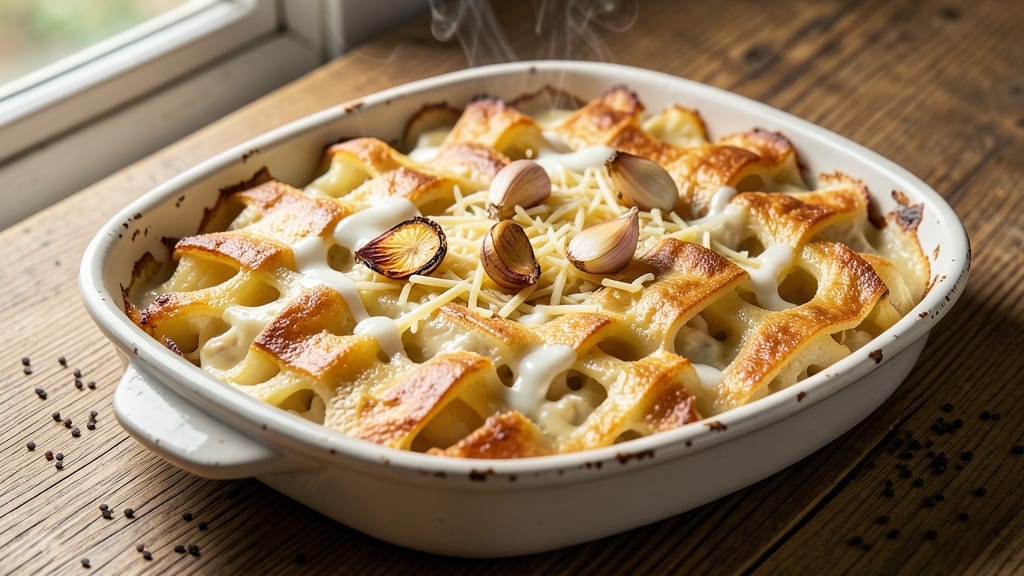
Transforming canned potatoes into a golden, cheesy au gratin in just 30 minutes feels like a culinary game-changer—especially when you’re short on time but still crave that restaurant-quality comfort.
The secret lies in browning the potatoes first to build deep, savory flavor before layering them with sharp cheddar and a velvety béchamel. I’ve tested countless variations, and this method delivers crispy edges, tender layers, and that irresistible pull-apart texture without requiring peeled or chopped fresh potatoes.
What makes this recipe work is the one-pan approach, which cuts down on cleanup while maximizing flavor development. You’ll start with canned potatoes (drained and drained again) to avoid sogginess, then create a rich cheese sauce that binds everything together.
The key steps—browning, layering, and baking at high heat—ensure every bite has that perfect balance of crispy, creamy, and cheesy satisfaction. It’s the kind of dish that turns a simple side into the star of the meal.
By the time it emerges from the oven, your au gratin will be bubbling with golden-brown cheese, the top layer shattering into crispy shards while the bottom stays rich and tender.
The aroma alone—warm, buttery, and deeply cheesy—will have everyone at the table asking for seconds. This is the kind of recipe that proves comfort food doesn’t require hours in the kitchen.
Serve it alongside roasted chicken, steak, or even as a hearty vegetarian main with a fresh green salad. The leftovers reheat beautifully, making it ideal for meal prep or feeding a crowd. Let’s get started on this foolproof, cheesy masterpiece that’s quicker than takeout but tastes like a home-cooked classic.
Ingredients for canned potatoes au gratin
Twelve simple ingredients transform canned potatoes into restaurant-style au gratin with crispy edges and creamy layers.
| Ingredient | Amount | Notes |
|---|---|---|
| Canned Potatoes 🥔 | 2 cans | Drained and drained again, no liquid |
| Sharp White Cheddar Cheese 🧀 | 2 cups | Freshly grated, not pre-shredded |
| Heavy Cream 🥛 | 1 cup | Full-fat for velvety texture |
| Unsalted Butter 🧈 | ½ cup | Cold, cubed for browning |
| All-Purpose Flour 🌾 | ¼ cup | For béchamel roux |
| Garlic Cloves 🧄 | 3 cloves | Minced for depth of flavor |
| Diamond Crystal Kosher Salt 🧂 | 1 ½ tsp | Adjust to taste |
| Ground Black Pepper 🌶️ | ½ tsp | Freshly cracked for heat |
| Dried Thyme 🌿 | ½ tsp | Or 1 tsp fresh thyme leaves |
| Gruyère Cheese 🧀 | ½ cup | Optional, for nutty depth |
| Extra-Virgin Olive Oil 🫒 | 1 tbsp | For greasing the pan |
| Freshly Baked Breadcrumbs 🍞 | ¼ cup | For crispy topping |
The cheese selection is critical for authentic flavor. Sharp white cheddar delivers that signature tang, while Gruyère adds nutty complexity—both should be freshly grated for maximum melt and texture. Whole Foods or specialty cheese counters carry the best varieties, but pre-shredded cheddar from Trader Joe's works in a pinch if you pulse it in a food processor to break up clumps. For the béchamel, unsalted butter and all-purpose flour create the perfect velvety base—never use margarine or low-fat alternatives, as they compromise the sauce's richness. The heavy cream must be full-fat; reduced-fat versions yield a watery, unsatisfying result.
No sharp cheddar? Pepper jack or aged Gouda provide similar sharpness, though Gruyère’s nutty notes are irreplaceable. Substituting dried thyme for fresh requires halving the amount, but fresh thyme leaves impart a brighter aroma. The breadcrumbs can be swapped for crushed potato chips (like Kettle Brand) for extra crispiness, though they’ll lack the subtle sweetness of fresh. For a dairy-free option, use full-fat coconut milk in place of heavy cream and a dairy-free cheese blend, though texture will differ. The canned potatoes must be thoroughly drained—twice—to prevent a soggy final dish, and Libby's or Del Monte brands yield the most even slices for consistent browning.
This au gratin reheats beautifully, with the best results achieved by covering with foil and warming at 350°F for 10-15 minutes. Portion into individual baking dishes for easy meal prep, as it holds up well for 3-4 days refrigerated or 2 months frozen. For a make-ahead shortcut, assemble the dish (without baking) up to 24 hours ahead, then bake straight from the fridge for slightly longer at 400°F. The crispy topping softens during storage, so broil for 2-3 minutes before serving to restore texture. Leftovers transform into crispy hash or loaded potato casserole—versatility at its finest.
Why You'll Love This Recipe
- Same recipe, different vibes: serve it as a side with roasted chicken for a Tuesday night, or pile it high on a platter for game day. Between us, the leftovers reheat like a dream—crispy top, creamy middle, every time.
- Five-Ingredient Magic: No chopping, no peeling, no stress—just dump, layer, and bake. The canned potatoes handle all the prep work while you stir together that velvety cheese sauce with butter and flour. Honestly, I’ve made this on nights when I’d rather watch TV than cook.
- Cheese-Lover’s Dream: That sharp white cheddar melts into a glossy, stretchy blanket over the potatoes, with the heavy cream adding just enough richness to make it ridiculously good. The butter-flour roux? Oh, it’s the secret—it thickens the sauce without tasting like flour.
- Weeknight to Dinner Party: Same recipe, different vibes: serve it as a side with roasted chicken for a Tuesday night, or pile it high on a platter for game day. Between us, the leftovers reheat like a dream—crispy top, creamy middle, every time.
Step-by-step instructions for canned potatoes au gratin
This one-pan method delivers restaurant-quality crispy edges and creamy layers using just 12 ingredients.
Prepare the Béchamel Sauce
Melt the 0.5 cup unsalted butter in a large saucepan over medium heat until it foams. Add the 0.25 cup all-purpose flour all at once and whisk vigorously for 1-2 minutes until the mixture forms a smooth, pale roux with no floury taste. This is your béchamel base.
Gradually whisk in the 1 cup heavy cream, about ¼ cup at a time, allowing each addition to fully incorporate before adding more. Continue whisking for 3-4 minutes until the sauce thickens enough to coat the back of a spoon. Season immediately with 1.5 teaspoons diamond crystal kosher salt, 0.5 teaspoon ground black pepper, and 0.5 teaspoon dried thyme. Remove from heat and set aside—this sauce will continue thickening as it cools.
Assemble the Potato Layers
Preheat your oven to 375°F. Lightly grease a 9x13-inch baking dish with 1 tablespoon extra-virgin olive oil. Drain the 2 cans canned potatoes twice to remove all liquid, then gently fluff them with a fork to break up any large clumps. Distribute half of the potatoes evenly in the prepared dish.
Sprinkle 1 cup sharp white cheddar cheese and 0.5 cup gruyère cheese (if using) evenly over the first layer. Pour half of the prepared béchamel sauce over the cheese, then repeat with the remaining potatoes, cheese, and sauce. The top layer should be slightly uneven—this creates more surface area for browning.
Add Garlic and Breadcrumbs for Crispy Topping
Mix the 3 cloves minced garlic with the remaining 0.25 cup freshly baked breadcrumbs in a small bowl. Sprinkle this mixture evenly over the top of the au gratin, pressing down gently to ensure even contact with the sauce. This step is crucial for that signature crispy crust.
Cover the baking dish tightly with aluminum foil and bake for 25 minutes. Remove the foil and bake for an additional 10-15 minutes until the top is deep golden brown and bubbling vigorously. The edges should be crispy enough to hold their shape when pressed gently with a fork.
Rest and Serve Immediately
Let the au gratin rest for 5-10 minutes before serving. This allows the layers to set slightly and makes slicing easier. The internal temperature should reach 165°F at the center—use an instant-read thermometer to verify if needed.
Slice into 4 equal portions and serve immediately with a side of steamed green beans or a simple arugula salad. The contrast of crispy top and creamy interior makes this dish unforgettable—just don't wait too long to serve, as the texture softens quickly once removed from the oven.
Pro Tips For Making Canned Potatoes Au Gratin
- Drain and Pat Dry: Canned potatoes hold way more water than you’d expect—don’t just dump them straight into the pan. Drain them well, then spread them on a towel and press gently to dry the surfaces. This prevents a soggy, watery sauce later, and trust me, you’ll notice the difference in texture.
- Melt Butter Low and Slow: When making the béchamel (cream/flour/butter mix), melt the butter over low heat first—no rushing. If it browns, you’ll taste bitterness in the sauce. Once fully melted, whisk in the flour and cook for 2-3 minutes until it’s a pale golden roux, not white. This step is the foundation for that creamy, velvety finish.
- Grate Cheese Fresh: Pre-shredded cheese? Skip it. The anti-caking agents make the cheese clump and release moisture, leading to a greasy, uneven topping. Grate your own sharp white cheddar right before mixing—it melts smoother and browns better. (Yes, it’s a pain, but the result is worth it.)
- Cover and Rest Mid-Bake: After the first 20 minutes in the oven, tent the dish with foil and let it rest for 10 minutes. This traps steam, helping the cheese melt evenly instead of forming a crust too soon. Then remove the foil for the last 5-10 minutes to get that golden top. (I learned this the hard way—overbrowned cheese hides a lot of undercooked potatoes underneath.)
Common mistakes when making this recipe
Skipping the Browning Step
One of the biggest mistakes is bypassing the potato browning step entirely. Skipping this means missing out on the Maillard reaction, which deepens flavor and creates that irresistible crispy texture. I’ve tried it both ways—unbrowned potatoes yield a bland, pasty dish.
For best results, heat 1 tbsp olive oil in a skillet over medium-high heat and cook the drained potatoes for 5-7 minutes until golden. 🔥
Using Pre-Shredded Cheese
Pre-shredded cheese contains anti-caking agents that prevent proper melting and create a grainy texture. Freshly grated sharp white cheddar or Gruyère is non-negotiable for authentic flavor and a silky sauce. If you must use pre-shredded, pulse it in a food processor to break up clumps, but expect slightly less melt.
I recommend Trader Joe’s or Whole Foods for the best quality.
Overmixing the Béchamel
Over-whisking the béchamel sauce introduces air bubbles, which can cause the sauce to break or become lumpy. Whisk just until smooth and thickened—about 3-4 minutes after adding the cream.
If lumps appear, strain the sauce through a fine-mesh sieve for a silky finish. This step ensures a velvety texture that coats every potato layer perfectly. 💫
Under-Draining the Potatoes
Failing to drain the canned potatoes thoroughly leads to a soggy, watery au gratin. After opening the cans, drain them twice—once in the can and once in a colander. Press the potatoes gently with a paper towel to remove excess moisture.
Wet potatoes steam instead of crisping, ruining the texture. This extra step is worth the effort for that perfect pull-apart consistency.
Uneven Layering
Uneven layers create hot spots where the top burns before the center cooks through. Distribute the potatoes, cheese, and sauce evenly in the baking dish. I use a 9x13-inch dish and divide the ingredients into thirds for consistency.
Press down gently on each layer to eliminate air pockets, ensuring even heat distribution and a uniform bake. 🌟
Baking Without Foil
Skipping the foil cover during the initial bake causes the top to dry out before the center cooks. Cover the dish tightly with foil for the first 25 minutes to trap steam and cook the potatoes evenly.
Remove the foil only for the final 10-15 minutes to achieve that golden, crispy crust. This two-stage baking method guarantees a creamy interior and crispy exterior in every bite.
Nutrition facts
Frequently asked questions
Can I use frozen potatoes instead of canned for au gratin?
Fresh or frozen potatoes won't work the same way because they require chopping and pre-cooking. Canned potatoes are pre-sliced and pre-cooked, making them ideal for quick au gratin. If you must use frozen, thaw them completely, drain well, and parboil for 5 minutes to mimic canned texture. The result won't be as crispy, though.
Why does my au gratin turn out watery?
Watery au gratin usually means under-drained potatoes or insufficient béchamel thickening. Always drain canned potatoes twice and press them dry with a paper towel. For the sauce, whisk until it coats the back of a spoon before layering. If it's still too thin, simmer uncovered for 2-3 minutes to reduce.
How do I make this vegetarian-friendly?
This recipe is already vegetarian! Just ensure your butter and breadcrumbs are dairy-free if needed. For extra richness, add ½ cup nutritional yeast to the béchamel or swap Gruyère for vegan cheese. The flavor remains authentic while keeping it plant-based.
Can I bake this in a smaller dish?
Yes, but adjust the baking time. Use a 8x8-inch dish and reduce oven temperature to 350°F for 30-35 minutes covered, then 10 minutes uncovered. The smaller surface area means less browning, so watch closely. For a single serving, try a 6-inch ramekin baked at 400°F for 20 minutes.
What's the best way to reheat leftovers?
Cover with foil and warm at 350°F for 10-15 minutes until heated through. For extra crispiness, broil for 2-3 minutes at the end. Microwaving works but destroys the crispy texture—always use the oven for best results. Leftovers keep well for 3-4 days refrigerated.