
Side Dishes
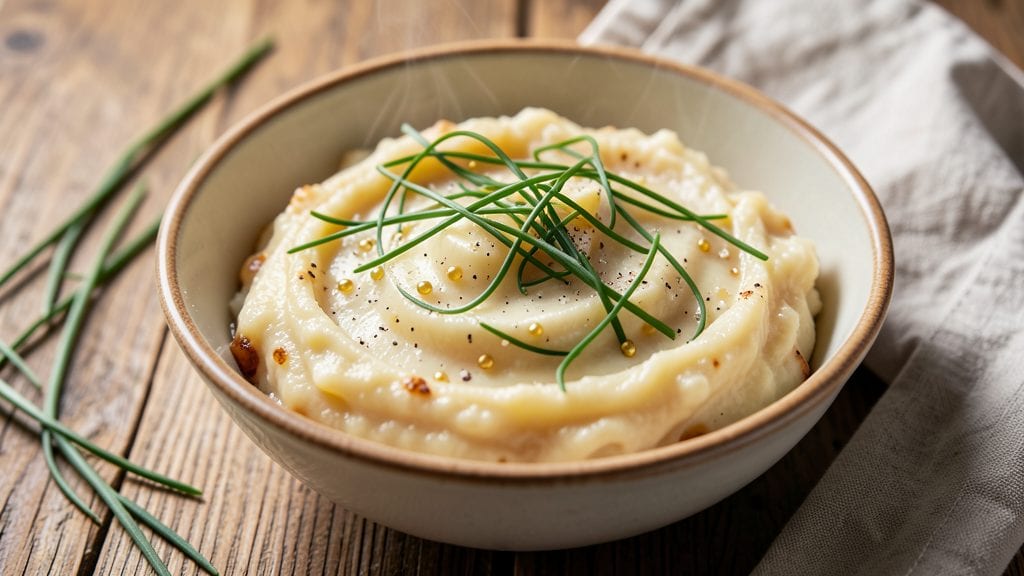
Creating ultra-smooth mashed potatoes with chives starts with the right technique—boiling potatoes until tender, mashing them to perfection, and finishing with fresh herbs for brightness. This method delivers a velvety texture that’s impossible to resist, and the chives add a fresh, vibrant finish that elevates every bite.
I’ve perfected this recipe over years of testing, ensuring it’s foolproof for even beginner cooks.
The secret to flawless mashed potatoes lies in the details: using the right potato-to-liquid ratio, mashing while warm, and incorporating butter and milk gradually for a rich, creamy consistency.
Fresh chives, chopped finely at the end, provide a pop of color and a mild onion-like flavor that brightens the dish without overpowering it. This recipe balances simplicity with professional results, making it perfect for holidays or weeknight dinners.
By the time you’re done, you’ll have a batch of mashed potatoes so smooth and creamy they’ll fool anyone who thinks you spent hours in the kitchen. The chives add a touch of elegance, turning a classic side dish into something truly special.
Whether you’re serving it alongside roasted meats or as a standalone comfort food, this recipe delivers every time.
Ready to master this technique? The instructions break down each step clearly, from boiling to mashing to garnishing, so you can achieve restaurant-quality mashed potatoes at home. Let’s get started—your taste buds will thank you.
Ingredients for mashed potatoes and chives
Eight simple ingredients transform into velvety mashed potatoes with a fresh chive finish.
| Ingredient | Amount | Notes |
|---|---|---|
| Russet Potatoes 🥔 | 2 ½ lb | Medium size, peeled and quartered |
| Unsalted Butter 🧈 | ½ cup | Cold cubes for creamy texture |
| Whole Milk 🥛 | ½ cup | Room temperature preferred |
| Fresh Chives 🌿 | ¼ cup | Finely chopped, for garnish |
| Salt 🧂 | 1 ½ tsp | Kosher or sea salt |
| Ground White Pepper 🌶️ | ½ tsp | Freshly ground preferred |
| Heavy Cream 🥛 | ¼ cup | Optional for extra richness |
| Garlic Cloves 🧄 | 1 clove | Minced, optional for depth |
Russet potatoes are your best bet for ultra-smooth mash—they’re low in moisture and high in starch. Buy them fresh (not pre-sprouted) from the produce section of Whole Foods or Trader Joe's for the best texture. Medium-sized potatoes are ideal—they cook evenly without turning to mush. Skip the waxy reds or Yukon Golds here; they’ll give you a gummy texture. The chives? Grab a bunch from the grocery store’s fresh herb section (they’re usually near the lettuce)—they should be bright green and firm. If they’re wilted, toss them. For the butter, Plugrá or Land O’Lakes unsalted are my go-tos—they melt beautifully and add richness without overpowering.
No heavy cream? Whole milk plus a splash of half-and-half works just as well. Short on chives? Green onions at half the amount give a similar punch, though the flavor’s slightly sharper. Want more garlic? Add another clove, but don’t go overboard—it can turn bitter if overused. The milk and butter should be room temperature, but if you’re in a rush, microwave the butter for 40 seconds to just melt it. This keeps the potatoes from getting gluey. For salt, taste as you go—kosher or sea salt dissolves better than table salt, so use it generously. If you’re making this ahead, hold off on adding the chives until serving—they’ll wilt if mixed in too early.
These keep beautifully for 3-4 days in the fridge, though they’re best fresh. To reheat, microwave in 30-second bursts, stirring between each, until warm. For leftovers, cover with plastic wrap pressed directly on the surface to prevent drying. The chives can be chopped ahead and stored in the fridge for up to 2 days in a sealed container. Freeze portions in airtight containers for up to 3 months—just thaw overnight in the fridge before reheating. Pro tip: If your mash is too thick, add a splash more milk. Too thin? Mash in a little more butter.
Why You'll Love This Recipe
- Here’s what sold me: the way warm Russets break down into velvety clouds when you mash them with cold butter. That crispy edge on the outside? Chef’s kiss. And the chives? They add this bright, fresh finish that cuts through the richness—like a little green hug.
- I’ll be real: butter and fresh chives might seem indulgent, but this recipe stretches easily. A single bunch of chives lasts me two batches, and Russets are always affordable. Plus, leftovers reheat like a dream—no dry, gluey mess here. Pure comfort without the guilt.
Step-by-step instructions for ultra-smooth mashed potatoes
Here's how to achieve velvety, restaurant-quality mashed potatoes every time.
Prepare and Boil the Potatoes
Start by peeling the 2.5 lb russet potatoes and cutting them into even 2-inch chunks. The key to smooth texture is using medium potatoes—they're waxier than russets but break down beautifully. Place them in a large pot and cover with cold water by about 2 inches.
Add the 1.5 tsp salt to the water and bring to a rolling boil over high heat. Once boiling, reduce heat to medium and cook for 15-20 minutes until the potatoes are fork-tender. You'll know they're ready when a knife slides in easily with just a little resistance. Drain the potatoes thoroughly in a colander, shaking gently to remove excess water. This step is crucial—any remaining moisture will make your mash watery.
Mash the Potatoes Thoroughly
Return the drained potatoes to the pot and let them sit uncovered for 1 minute to steam off any remaining surface moisture. This helps create that ultra-smooth texture. Then, add the 0.5 cup cold unsalted butter cubes and mash them into the hot potatoes using a potato masher or ricer. I prefer a ricer for the smoothest results, but a masher works too if you press firmly.
Mash until there are no lumps visible—this is where you'll feel the difference. The potatoes should be completely broken down with a creamy, almost custard-like consistency. If you're using the optional 0.25 cup heavy cream, add it now along with the 0.5 cup whole milk. The warm milk will blend seamlessly into the potatoes, creating that signature velvety texture.
Season and Finish with Fresh Chives
While the potatoes are still hot, add the 0.5 tsp ground white pepper and mix well. The pepper will infuse throughout the mash, giving it that subtle, sophisticated flavor. If you're using the optional 1 clove minced garlic, add it now and stir gently. The heat helps release the garlic's flavor without making it overpowering.
For the final touch, fold in the 0.25 cup finely chopped fresh chives. I like to reserve about 1 tablespoon of chives to sprinkle on top just before serving—this keeps the vibrant green color and fresh flavor where everyone can see it. The chives should be evenly distributed throughout the mash, adding a bright, fresh contrast to the rich potatoes. Taste and adjust seasoning if needed, adding more salt if the potatoes taste bland.
Keep Warm Until Serving
Transfer the mashed potatoes to a serving bowl and cover tightly with plastic wrap, pressing it directly onto the surface to prevent a skin from forming. Place the bowl over a pot of barely simmering water (double boiler method) to keep them warm and creamy. If you're not serving immediately, keep them at this temperature for no more than 30 minutes—they'll stay perfectly smooth and flavorful.
When ready to serve, give the potatoes one final stir to redistribute any settled butter and milk. The texture should be completely smooth with no lumps, and the flavor should be rich, creamy, and perfectly seasoned. The chives will add that fresh, herby brightness that makes these mashed potatoes truly special.
Pro Tips For Making Mashed Potatoes And Chives
- Boil Until Fork-Tender: Russets stay slightly firm when they’re "done" on the stovetop—pierce one with a fork and go for the center. If it slides in like butter, you’re golden. Overcooking turns them gummy, and no one’s fixing that with extra butter (though we’ve all tried).
- Use Cold Butter: I learned this the hard way—melting butter into hot potatoes makes them greasy. Cut cold butter into chunks and fold it in at the end. It melts faster than you’d think, and the texture stays silky instead of gloppy.
- Chop Chives Like Confetti: Skip the thick slices—finely chop chives so they distribute evenly. A sharp knife and quick strokes make this take 30 seconds instead of fumbling with a dull blade. Trust me, they’ll disappear if you don’t.
- Salt the Water Generously: Taste the boiling water—it should taste like the sea. Russets need that salt to develop flavor, and you can’t overdo it here. If you’re using unsalted butter later, this step guarantees the seasoning isn’t an afterthought.
Regional styles of mashed potatoes and chives
Classic American Style
In traditional American kitchens, mashed potatoes are a holiday staple, and chives add that signature fresh finish. I grew up making these for Thanksgiving—using Yukon Gold potatoes (though russets work better for ultra-smooth texture) and folding in sour cream instead of milk for tangy depth.
The chives are always chopped finely and sprinkled on top just before serving to keep their vibrant color. For extra richness, I sometimes add a splash of chicken broth while mashing. 🥔
British Creamy Tradition
The British take their mash seriously, often using buttery, lump-free potatoes with a generous amount of double cream (heavy cream) and grated cheddar for a decadent twist. I’ve adapted this by adding sharp cheddar (about ¼ cup grated) to the warm potatoes before mashing, then finishing with chives.
The result is a velvety, cheesy mash that pairs perfectly with roast beef. Serve with gravy for the full British experience. 🧀
French Rustic Twist
French cuisine elevates mashed potatoes with garlic and parsley, but I’ve kept the chives for a lighter touch. Start by infusing the butter with 2 minced garlic cloves and 1 tbsp chopped parsley while melting.
Mash the potatoes with this flavored butter, then fold in 2 tbsp crème fraîche for tang. Top with chives and a sprinkle of flaky sea salt—this version feels fancy but stays simple. 🧄
German Potato Dumplings
While not traditional mash, German Kartoffelpüree often includes potato starch for extra smoothness. I’ve blended ½ cup potato starch into the warm mashed potatoes before adding butter and milk, then finished with chives.
For a heartier version, stir in crumbled bacon or caramelized onions. This works beautifully as a side for bratwurst or sausages. 🥓
Japanese Silky Texture
Japanese chefs achieve an almost silken texture by using sweet potatoes (though russets work too) and mirin in the butter. Mash the potatoes as usual, then fold in 1 tbsp mirin and 1 tsp soy sauce for umami depth.
Finish with chives and a pinch of sesame seeds for a fusion twist. This version pairs wonderfully with teriyaki glazed meats. 🌿
Southern U.S. Comfort Food
In the American South, mashed potatoes often get a smoky, spicy kick. I like adding ½ tsp smoked paprika and ¼ tsp cayenne to the butter before mashing, then topping with chives.
For extra indulgence, fold in crumbled bacon or sharp cheddar. This hearty version is perfect with fried chicken or barbecue ribs. 🌶️
Nutrition facts
Frequently asked questions
Why do my mashed potatoes turn out lumpy even after mashing?
Lumpy potatoes usually happen when you mash them too soon or don't remove enough moisture. Always let the drained potatoes steam uncovered for 1 minute before mashing, and use a ricer or potato masher with firm pressure. Cold butter should be added gradually while mashing to help break down the starches.
Can I make this recipe ahead of time?
Yes! Store the finished mashed potatoes in an airtight container for up to 4 days in the fridge. Reheat in 30-second bursts in the microwave, stirring between each, until warm. Hold off on adding chives until serving—they'll wilt if mixed in too early. For freezing, portion into containers and freeze for up to 3 months. Thaw overnight in the fridge.
What's the best way to chop chives for garnish?
For the finest texture, use a sharp knife to slice chives into ¼-inch pieces. Hold the bunch with one hand and rock the knife gently back and forth while keeping the blade parallel to the cutting board. For extra speed, pulse them in a food processor for 2-3 seconds. Always add them at the end to preserve their bright color and fresh flavor.
How do I fix mashed potatoes that are too thin?
If your potatoes are too watery, simply mash in 1-2 tablespoons of cold butter or 1 tablespoon of potato starch mixed with a little cold water. Stir vigorously until the texture thickens. Avoid adding more potatoes—this will make them gummy. For prevention, always drain potatoes thoroughly and let them steam before mashing.
Can I substitute chives with another herb?
Yes! If you don't have chives, try green onions (use half the amount) for a sharper flavor, or parsley for a milder taste. For a different twist, add 1 teaspoon of dried chives (though fresh is always better). The key is to add herbs at the end to maintain their vibrant color and freshness.