
Side Dishes
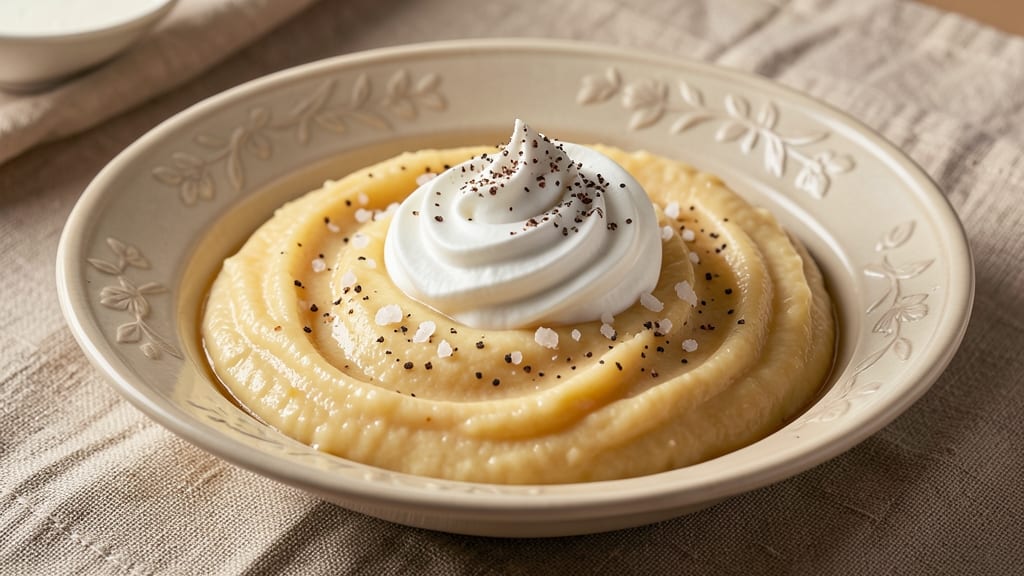
Creating smooth mashed potatoes without lumps or grittiness is all about technique—and I’ve perfected it after years of trial and error. The secret lies in precise ingredient ratios, proper potato selection, and a foolproof blending method that transforms starchy tubers into velvety perfection.
This isn’t your grandmother’s lumpy side dish; it’s a restaurant-quality texture that’ll impress even the most critical dinner guests.
Start with waxy potatoes like Yukon Gold or red potatoes—their low starch content prevents gluey results. Boil them until fork-tender, then drain completely before adding dairy and butter. The real game-changer? Using a potato ricer or high-speed blender to eliminate air pockets, which guarantees that silky, lump-free finish.
A touch of cream or milk enhances richness, while butter adds depth without overpowering the natural potato flavor.
What you’ll end up with is a batch of mashed potatoes so smooth they’ll disappear faster than you can say “seconds.” The texture is buttery yet light, with just enough body to coat a fork perfectly.
This is the kind of side dish that elevates any meal—whether it’s holiday dinner or a simple weeknight supper. Ready to master it? Let’s get started with the exact steps and ingredient ratios that make all the difference.
Once you’ve nailed the basics, you can customize with garlic-infused butter, sharp cheddar, or fresh herbs like chives. These variations add layers of flavor while keeping that signature velvety texture intact.
The best part? This method scales effortlessly—whether you’re feeding a crowd or just treating yourself to a cozy meal. Every bite will be worth the effort.
Ingredients for smooth mashed potatoes
Six ingredients transform starchy potatoes into velvety perfection—no lumps, no fuss.
| Ingredient | Amount | Notes |
|---|---|---|
| Yukon Gold Potatoes 🥔 | 3 lb | Waxy, no green spots, cut into even chunks |
| Unsalted Butter 🧈 | ¾ cup | Cold, cut into small cubes for even melting |
| Heavy Whipping Cream 🥛 | ½ cup | Full-fat for maximum creaminess |
| Whole Milk 🥛 | ¼ cup | Warmed slightly for better blending |
| Diamond Crystal Kosher Salt 🧂 | 1 ½ tsp | Adjust to taste after blending |
| Freshly Ground Black Pepper 🌶️ | ½ tsp | Cracked peppercorns for authentic texture |
| Garlic Cloves 🧄 | 2 cloves | Optional, minced for garlic-infused butter |
| Fresh Chives 🌿 | 2 tbsp | Finely chopped, for garnish (optional) |
| Sharp White Cheddar Cheese 🧀 | ¼ cup | Shredded, for customization (optional) |
Potatoes are the foundation, so Yukon Golds are non-negotiable—their waxy texture resists glueiness. Buy them fresh (no sprouts or green spots) and cut into even 1-inch chunks for consistent cooking. Whole Foods or Trader Joe's usually carry the best quality, but any grocery store’s organic section works. For extra flavor, roast half the potatoes with garlic and olive oil before mashing—trust me, it’s worth the effort. The key is boiling them until fork-tender, not mushy, then draining completely before blending.
No heavy cream? Half-and-half or warmed milk works in a pinch, though texture won’t be as rich. Pre-shredded cheese gets clumpy, so grate your own if using. Salt early and adjust later—potatoes absorb flavor as they cool. For a garlic-infused butter, mix softened butter with minced garlic and a pinch of salt, then chill until firm. The pepper should be freshly cracked (not pre-ground)—it makes a surprising difference in depth of flavor. If you’re short on time, a potato ricer beats a food processor for lump-free results.
Mashed potatoes reheat beautifully—just add a splash of warm milk or cream to restore creaminess. Store in an airtight container for up to 5 days, or freeze portions for 3 months. For serving, I like to pipe them through a star tip onto plates (dramatic, but fun) or top with extra butter and chives. Leftovers taste even better the next day as flavors meld—perfect for meal prep. Double the batch and freeze half; you’ll thank yourself later.
Why You'll Love This Recipe
- No Lumpy Nightmares: I’ll admit, I used to dread mashed potatoes—until I learned the secret: boil Yukon Golds until fork-tender, then mash them hot with butter and cream. That’s it. No straining, no clumps, just velvety perfection every time. Even my picky husband doesn’t complain.
- Butter Cream Dream: Here’s what sold me—the balance of rich, cold butter and cool heavy cream. It’s not just smooth; it’s luxurious. The Diamond Crystal salt (trust me, it dissolves better) enhances every bite, and the whole milk keeps it creamy without being greasy. My kids call it “the good stuff,” and they’re not wrong.
- Weeknight Workhorse: This recipe is my go-to for busy nights, holiday feasts, or even a fancy dinner. Serve it under gravy, alongside roasted chicken, or straight up with a sprinkle of black pepper. It reheats beautifully too—just add a splash of milk to keep it silky. Honestly, it’s the one side dish I never skip.
- Budget-Friendly Luxury: You’d think creamy mashed potatoes would break the bank, but Yukon Golds and butter stretch far. A single batch feeds six, and leftovers reheat like they’re fresh. Between us, this is the kind of dish that makes store-bought sides look sad—and it won’t empty your wallet.
Step-by-step instructions for smooth mashed potatoes
Here's how to achieve restaurant-quality mashed potatoes with a velvety texture and zero lumps.
Prepare the Potatoes for Even Cooking
Start by peeling the 3 lb Yukon Gold potatoes and cutting them into even, bite-sized chunks—about 1 to 1½ inches in size. I like to use a mandoline for consistency, but a sharp chef's knife works just fine if you're careful. The key here is uniformity; this ensures all pieces cook at the same rate and avoids a mix of undercooked and overcooked potatoes.
Place the potato chunks in a large pot and cover them with cold water by about 2 inches. Add the 2 cloves of minced garlic (if using) and bring to a boil over high heat. Once boiling, reduce the heat to medium-high and cook for 12 to 15 minutes until the potatoes are fork-tender. You'll know they're ready when a knife slides in easily and the edges begin to pull apart slightly. Drain the potatoes thoroughly in a colander, shaking gently to remove excess water—this step is critical for preventing a watery mash.
Create a Flavorful Butter Base
While the potatoes are cooking, melt the 0.75 cup unsalted butter in a large, heavy-bottomed pot over medium heat. I prefer using a Dutch oven for this step because it retains heat well and prevents the butter from burning. Once the butter has melted completely and is foaming gently, remove it from the heat and let it cool slightly—this ensures it blends smoothly with the potatoes later without creating steam that can make your mash gummy.
If you're using the optional sharp white cheddar cheese, now's the time to add it. Sprinkle the 0.25 cup shredded cheese over the melted butter and stir until it melts completely, creating a rich, cheesy base. The cheese adds a subtle tang that balances the buttery richness, but it's entirely optional if you prefer a classic flavor profile. Keep the butter mixture warm but not hot as you prepare to combine it with the potatoes.
Mash to Silky Perfection
Return the drained potatoes to the pot with the melted butter (and cheese, if using) and set the pot over low heat. Using a potato masher or a wooden spoon, begin to break up the potatoes gently. I like to start with a masher to create some texture, then switch to a wooden spoon to smooth it out. The goal here is to warm the potatoes slightly—this helps them absorb the butter and cream more evenly and prevents the final mash from being cold.
Gradually add the 0.5 cup heavy whipping cream and 0.25 cup whole milk, stirring continuously. The warmth of the potatoes will help the dairy blend seamlessly, creating a luscious, velvety texture. If you're using the optional fresh chives, reserve 1 tablespoon for garnish and finely chop the remaining 1 tablespoon to fold into the mash at this stage. The chives add a bright, fresh note that cuts through the richness.
Season and Refine the Texture
Remove the pot from the heat and add the 1.5 tsp Diamond Crystal kosher salt and 0.5 tsp freshly ground black pepper. Taste the mash and adjust the seasoning as needed—I usually find I need a bit more salt at this stage because the butter and cream can mute the flavor slightly. For an ultra-smooth finish, transfer the mash to a stand mixer fitted with the paddle attachment and blend on low speed for 1 to 2 minutes. This step ensures there are no lumps and the texture is completely silky.
If the mash is too thick, add a splash of warm milk or cream, 1 tablespoon at a time, until it reaches your desired consistency—it should be light enough to pipe but still hold its shape. For an elegant presentation, transfer the mash to a serving bowl and garnish with the reserved chopped chives. Serve immediately while still warm, and watch as everyone at the table raves about the velvety texture and rich flavor.
Pro Tips For Making Smooth Mashed Potatoes
- Boil Until Fork-Tender: Yukon Golds need to be actually soft—no one likes fighting lumps. Test with a fork: it should slide in like butter. If it’s still holding shape after 15-20 minutes, add 5 more and resist the urge to rush.
- Salt the Water Generously: I learned this the hard way—skimping on salt here means bland potatoes later. Use 1½ tablespoons Diamond Crystal (about 1 tsp table salt) per pound of potatoes. The skins will taste better, and the starch will dissolve more evenly.
- Don’t Overwork the Cream: Whipping cream and milk are your silk, not your mixer’s workout. Stir just until combined—overmixing turns them into glue. A potato ricer or food mill does the heavy lifting without gummy texture.
- Warm Dairy Before Mixing: Cold butter and cream = clumpy potatoes. Microwave the butter for 10 seconds and warm the dairy to room temp. They’ll blend smoother, and the final texture stays velvety, not grainy. (Yes, even if you’re impatient like me.)
Dietary considerations for these flavors
Gluten-Free Adaptations
Traditional mashed potatoes are naturally gluten-free, but cross-contamination can be a concern if you share kitchen tools or ingredients. Always use a clean cutting board and knife when peeling potatoes, and avoid pre-shredded cheese brands that often contain anti-caking agents with gluten traces.
For extra safety, I recommend Trader Joe’s or Whole Foods certified gluten-free cheddar options. The recipe remains unchanged—just focus on fresh ingredients and dedicated prep surfaces. 🌱
Dairy-Free Options
Swap butter for vegan butter (like Miyoko’s or Earth Balance) or coconut oil—both add richness without dairy. Use full-fat coconut milk instead of heavy cream, and unsweetened almond milk in place of whole milk. For creaminess, I blend in ¼ cup silken tofu—it mimics the texture beautifully.
Taste as you go, since plant-based fats behave differently when heated. The result is still velvety, just with a subtle coconut undertone. 🥥
Low-Carb/Keto Version
Replace Yukon Golds with cauliflower mash—steam 4 cups riced cauliflower until tender, then blend with 2 tbsp dairy-free butter, ¼ cup unsweetened almond milk, and a pinch of salt. For extra flavor, add 1 tbsp nutritional yeast (it gives a cheesy note).
This version keeps carbs under 6g per serving while maintaining that signature smooth texture. Serve alongside steak or salmon for a keto-friendly meal. ✨
Allergen-Friendly Tips
For nut allergies, avoid almond milk substitutes and stick to oat or coconut milk. If dairy is an issue, use certified lactose-free milk and butter. For egg allergies, no adjustments are needed—this recipe doesn’t require eggs.
Always check labels on pre-packaged ingredients like cheese or butter, as some brands process in facilities with common allergens. When in doubt, opt for fresh, whole ingredients. 💡
Vegan Protein Boost
Add ½ cup cooked lentils or mashed white beans to the mash for extra protein without altering texture. These blend seamlessly and add a subtle earthiness that pairs well with herbs like rosemary or thyme.
For a smoky twist, stir in 1 tsp smoked paprika with the seasoning. This version delivers 10g protein per serving while keeping the dish light and fluffy. 💪
Nutrition facts
Frequently asked questions
Why do my mashed potatoes turn out lumpy even when I blend them?
Lumps usually happen from excess moisture or improper blending technique. Always drain potatoes thoroughly after boiling and avoid adding cold dairy—warm milk or cream blends better. For ultra-smooth results, use a potato ricer or blend with a stand mixer on low speed for 1-2 minutes. Never overmix after adding butter, as this incorporates air.
Can I make mashed potatoes ahead of time?
Yes! Store them in an airtight container for up to 5 days in the fridge. Reheat gently with a splash of warm milk or cream to restore creaminess. For freezing, cool completely first, then freeze portions for 3 months. Thaw overnight in the fridge before reheating—never microwave directly from frozen.
What's the best potato variety for silky mashed potatoes?
Yukon Gold or red potatoes are ideal—their waxy texture breaks down smoothly without turning gluey. Avoid starchy russets, which create a gummy consistency. For extra richness, try fingerling potatoes (halved) or purple potatoes (for vibrant color). Always peel them first to remove any bitter skin.
How can I make my mashed potatoes extra creamy without dairy?
Use ¼ cup silken tofu or ½ cup coconut cream instead of dairy. For a neutral taste, blend in 2 tbsp aquafaba (chickpea brine) or 1 tbsp cornstarch mixed with water. Warm the potatoes slightly before adding substitutes to help them emulsify. Taste as you go—plant-based fats need more seasoning.
What's the secret to keeping mashed potatoes warm at a buffet?
Keep them in a slow cooker on "warm" setting with a lid slightly ajar. Add 1-2 tbsp butter to the surface to prevent drying. For extra insurance, place the slow cooker near the heat source (but not too close). If they thicken, whisk in 1 tbsp warm milk before serving. Never reheat in the microwave—it creates a gummy texture.