
Side Dishes
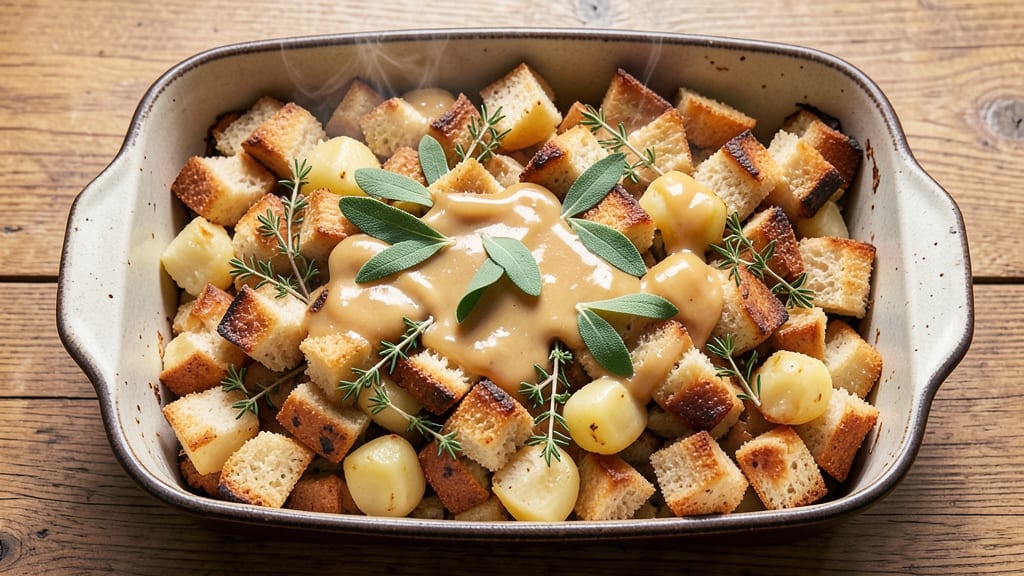
This Martin’s potato bread stuffing recipe delivers the perfect balance of crispy edges and moist, savory heart in a single bake—no soggy sides or dry crumbs here. This recipe has been perfected over generations, transforming simple ingredients into a centerpiece for holiday tables. The secret lies in the precise ratio of bread to potatoes and how they're baked together, creating that coveted texture contrast.
What sets this apart is the method: potatoes are pre-cooked to absorb moisture, while the bread forms a golden crust that locks in flavor. This ensures every bite delivers that satisfying crunch while the interior stays tender and rich.
It's the kind of dish that disappears faster than you can say "seconds, please?"—ideal for Thanksgiving, Christmas, or any gathering where sides need to shine.
The result is a stuffing with deep, savory notes from the potatoes and subtle bread sweetness, all held together by a flavorful broth. The crispy crust forms beautifully in the oven, creating that satisfying crunch that makes this stuffing unforgettable.
Whether you're serving a crowd or just enjoying a cozy meal, this recipe delivers professional-quality results with minimal effort.
For those who love customization, you can easily add herbs, sausage, or even cheese to the mix without sacrificing texture. The key is keeping the moisture balance just right—something this recipe handles perfectly. Let's get started on creating your own crispy-crusted masterpiece!
Ingredients for martin's potato bread stuffing
Nine essential ingredients transform into Martin's legendary crispy-crusted, savory potato bread stuffing.
| Ingredient | Amount | Notes |
|---|---|---|
| Day-Old French Bread 🍞 | 12 oz | Cubed into 1-inch pieces |
| Yukon Gold Potatoes 🥔 | 4 medium | Peeled and diced small |
| Unsalted Butter 🧈 | ¾ cup | Cold, cubed for baking |
| Chicken Broth 💧 | 2 cups | Low-sodium preferred |
| Fresh Sage Leaves 🌿 | ¼ cup | Chopped finely |
| Fresh Thyme Leaves 🌿 | 1 tbsp | Chopped finely |
| Celery Stalks 🧅 | 2 whole | Diced small |
| Yellow Onion 🧅 | 1 medium | Diced finely |
| Salt 🧂 | 1 ½ tsp | Kosher or sea salt |
| Ground Black Pepper 🌶️ | ½ tsp | Freshly ground |
| Garlic Cloves 🧄 | 4 cloves | Minced finely |
| Large Eggs 🥚 | 2 whole | Beaten lightly |
The bread is non-negotiable—day-old French bread gives the best texture, but crusty sourdough or baguette work too. Cube it yourself for even baking; pre-cut loaves often have uneven pieces. Whole Foods or local bakeries usually have the freshest options. For potatoes, Yukon Golds are ideal—they break down just right, but Russets work in a pinch if you're in a hurry. Peeled and diced small, they'll soak up all that savory broth without turning mushy. The butter should be cold and cubed—don't melt it ahead of time, or you'll lose that golden crust.
No fresh sage? Dried sage at one-third the amount works, but it won't have that same piney aroma. The celery and onion can be swapped for frozen chopped veggies if you're short on time—just thaw and drain them well. Low-sodium broth is key here; Swanson or Pacific Foods are reliable brands. If you're feeling fancy, add a splash of white wine or apple cider to the broth for depth. The eggs bind everything together—room temperature eggs blend better, but cold ones will work if you're in a rush. For extra richness, some cooks add a handful of pecans or walnuts, but keep it to 1/4 cup max or the texture gets too dense.
This stuffing reheats beautifully—350°F for 20-25 minutes until golden and crispy. Store leftovers in an airtight container for up to 5 days, or freeze for 3 months. The crust gets softer when reheated, so I always bake extra and serve it fresh. For make-ahead prep, assemble everything the night before, cover with plastic, and refrigerate. The flavors meld beautifully overnight, and you'll just need to bake in the morning. The potatoes will absorb all the moisture, so don't skip the pre-baking step—it's what keeps this stuffing perfectly moist inside while staying crispy out.
Why You'll Love This Recipe
- No-Cube Hassle: I just tear that day-old French bread into rough chunks—no fussy cubing, no tiny crumbs everywhere. The key? Letting the bread dry out overnight so it soaks up the broth like a dream instead of turning to mush.
- Creamy Crisp Magic: That Yukon Gold potato mash—smashed and folded right into the bread—gives it this insane texture: crispy edges from the oven, but a pillowy center that’s dangerously good with gravy. Honestly, I’ve never found stuffing this balanced.
- Leftovers That Work: This stuffing reheats like a champ—either straight in the oven or microwaved with a splash of broth to revive it. My kids actually ask for it the next day, which is basically a parenting win.
- Budget Holiday Hack: I make this for Thanksgiving, but it’s also my go-to for weeknight dinners when I need something hearty. Uses pantry staples (French bread, potatoes) and stretches easily to feed six for under $15. (Yes, even on a Tuesday night.)
Step-by-step instructions for potato bread stuffing
This method delivers the perfect balance of crispy edges and moist interior you're after.
Prepare the Potato Base
Preheat your oven to 375°F. Peel and dice the 4 medium Yukon Gold Potatoes into small, even cubes. Place them in a microwave-safe bowl and cover with water. Microwave for 8-10 minutes until fork-tender. Drain thoroughly in a colander, pressing down gently to remove excess moisture.
Transfer the potatoes to a large mixing bowl. Add the 0.75 cup unsalted butter, 2 cups chicken broth, 0.25 cup fresh sage leaves, 1 tbsp fresh thyme leaves, 2 whole celery stalks (diced), 1 medium yellow onion (diced), 4 cloves garlic (minced), 1.5 tsp salt, and 0.5 tsp ground black pepper. Mix well with your hands until the butter is evenly distributed and the potatoes are fully coated. This step ensures every bite is infused with flavor and moisture.
Incorporate the Bread and Bind
Add the 12 oz day-old French Bread (cubed into 1-inch pieces) to the potato mixture. Use your hands to gently fold everything together, ensuring the bread absorbs the liquid but doesn't become soggy. The bread should be evenly distributed throughout the potatoes.
In a separate bowl, lightly beat the 2 whole large eggs. Pour the eggs over the bread mixture and fold gently until fully incorporated. The eggs act as a binder, holding the stuffing together while keeping it moist. Avoid overmixing—just combine until the mixture holds together when pressed. This ensures a tender, cohesive texture without denseness.
Assemble and Bake for Crispy Perfection
Transfer the stuffing mixture to a greased 9x13-inch baking dish. Use a spatula to spread it evenly, pressing down lightly to compact the mixture. This helps create a crispy top layer while keeping the interior moist. Bake uncovered at 375°F for 45-50 minutes until the edges are deep golden brown and the center reaches 165°F on an instant-read thermometer.
Here's the key to crispiness: Increase the oven temperature to 425°F for the final 5-7 minutes. Watch closely—you want the top to turn a rich, golden brown with crisp edges. If it browns too quickly, tent loosely with foil to prevent burning. The high heat at the end creates that satisfying crunch while keeping the inside tender.
Rest and Serve
Remove the stuffing from the oven and let it rest for 10-15 minutes before serving. This resting period allows the juices to redistribute, ensuring every forkful is moist and flavorful. The stuffing will hold its shape better and be easier to slice.
Serve warm, garnished with additional fresh herbs if desired. The contrast of crispy edges and tender interior makes this stuffing a standout centerpiece for any holiday table. Don't skip the resting step—it's what separates good stuffing from exceptional stuffing.
Pro Tips For Making Martin'S Potato Bread Stuffing
- Cube the Bread Small: I used to cut the day-old French bread into big hunks, thinking it’d save time—wrong. Aim for 1-inch cubes so the bread soaks up the broth and butter evenly. Big chunks stay dry and chewy, while small ones get properly tender and crispy at the edges.
- Roast Potatoes First: Skip the boiling step entirely. Toss peeled Yukon Golds in olive oil, salt, and roast at 400°F for 20 minutes until golden and fork-tender. This concentrates their flavor and gives the stuffing a deeper, creamier texture without extra moisture.
- Don’t Skip the Broth Bath: After mixing the bread and potatoes, pour the warm chicken broth over everything and let it sit for 10 minutes. This isn’t just soaking—it’s letting the starches soften and the flavors meld. Skipping it means a dry, crumbly mess instead of a cohesive, flavorful bite.
- Fold in Butter Last: Cold butter mixed in early will steam and turn the stuffing greasy. Instead, add cubed unsalted butter right before baking—it melts into the hot mixture and creates pockets of richness. (Yes, even if you’re impatient like me.)
Regional styles of this martin's potato bread stuffing
Southern Comfort Style
In the South, this stuffing often gets a smoky twist by adding ½ lb cooked and crumbled andouille sausage to the potato mixture. The sausage replaces some of the broth and adds depth of flavor. I like using Johnsonville brand for its balanced spice level.
For extra richness, Southern cooks sometimes stir in ½ cup sharp cheddar cheese during the final 5 minutes of baking. This version is especially popular for Christmas dinners, where it pairs perfectly with smoked turkey. 🌶️
New England Crispy Top
Up north, they take crispiness to the next level by topping the stuffing with a layer of buttery breadcrumbs before baking. Mix ½ cup panko breadcrumbs with 2 tbsp melted butter and sprinkle evenly over the assembled stuffing before the final 425°F broil.
New England cooks also prefer using russet potatoes instead of Yukon Golds, as they hold their shape better during baking. This version is a staple at Thanksgiving gatherings in states like Vermont and Maine. 🥖
Midwest Hearty Version
The Midwest approach focuses on maximum moisture and hearty texture. They often add ½ cup frozen corn kernels and ½ cup diced bell peppers to the potato mixture for a sweeter, more colorful twist.
I've seen versions with ½ cup chopped pecans for crunch, especially in states like Ohio and Indiana. The key difference is using whole wheat bread cubes instead of French bread for added fiber. This version is perfect for family-style holiday meals where everyone wants seconds. 🌽
Texas-Style Smoky Twist
In Texas, they incorporate ¼ cup chopped chipotle peppers in adobo sauce into the broth for a subtle smoky heat. The stuffing is often baked in a cast-iron skillet for even browning, and some cooks finish it with a drizzle of chipotle cream sauce before serving.
I recommend using Penzeys brand chipotle peppers for consistent flavor. This spicy-savory version is a hit at Texas holiday tables, especially when paired with BBQ turkey. 🔥
Pacific Northwest Herb Garden
On the West Coast, fresh herbs take center stage. Instead of just sage and thyme, they add 2 tbsp fresh rosemary and 1 tbsp fresh parsley to the potato mixture. Some cooks even incorporate ¼ cup chopped sun-dried tomatoes for a Mediterranean-inspired twist.
The Pacific Northwest version often uses wild rice bread cubes instead of French bread for a nutty flavor. This lighter, herb-forward version is perfect for Thanksgiving gatherings in states like Washington and Oregon. 🌿
Nutrition facts
Frequently asked questions
Can I make this potato bread stuffing ahead of time?
This recipe actually tastes better when made a day ahead. Assemble everything in your baking dish, cover tightly, and refrigerate overnight. The flavors meld beautifully, and you'll just need to bake it for 50-55 minutes at 375°F the next day. For make-ahead convenience, you can even freeze the assembled stuffing (unbaked) for up to 3 months. Thaw overnight in the fridge before baking.
Why does my stuffing turn out dry or crumbly?
Most dry stuffing comes from either overbaking or not enough moisture in the base. First, ensure your potatoes are fork-tender after pre-cooking—they should absorb all the broth. Second, don't skip the 10-minute rest before serving, as this redistributes juices. For extra moisture, add 2 tbsp extra broth if the mixture seems too dry when assembling. The key is the 425°F broil at the end—this creates crispiness without drying the interior.
What's the best bread for this recipe?
Day-old French bread is ideal because its crust holds its shape while the interior stays tender. However, you can substitute with crusty sourdough, baguette, or even Italian bread for variety. Avoid soft breads like brioche or challah—they'll turn mushy. Pro tip: Cube the bread yourself for even baking; pre-cut loaves often have uneven pieces that bake at different rates.
Can I make this stuffing gluten-free?
Yes! Use a 1:1 gluten-free bread flour blend to make your own bread cubes or buy pre-made gluten-free bread. For binding, replace the eggs with 2 tbsp ground flaxseed mixed with 6 tbsp water (let it sit for 5 minutes to thicken). The texture will be slightly different but still delicious. Just watch the baking time closely—gluten-free versions may need 5-10 extra minutes to crisp up.
How do I reheat leftovers without drying them out?
For best results, cover the stuffing with a damp paper towel and reheat at 350°F for 20-25 minutes until warmed through. The steam from the paper towel helps maintain moisture. Alternatively, you can reheat in a skillet over medium-low heat with 1-2 tbsp broth or water, stirring occasionally. Microwaving is possible but will make the crust soggy—only do this as a last resort for 30-second intervals.