
Side Dishes
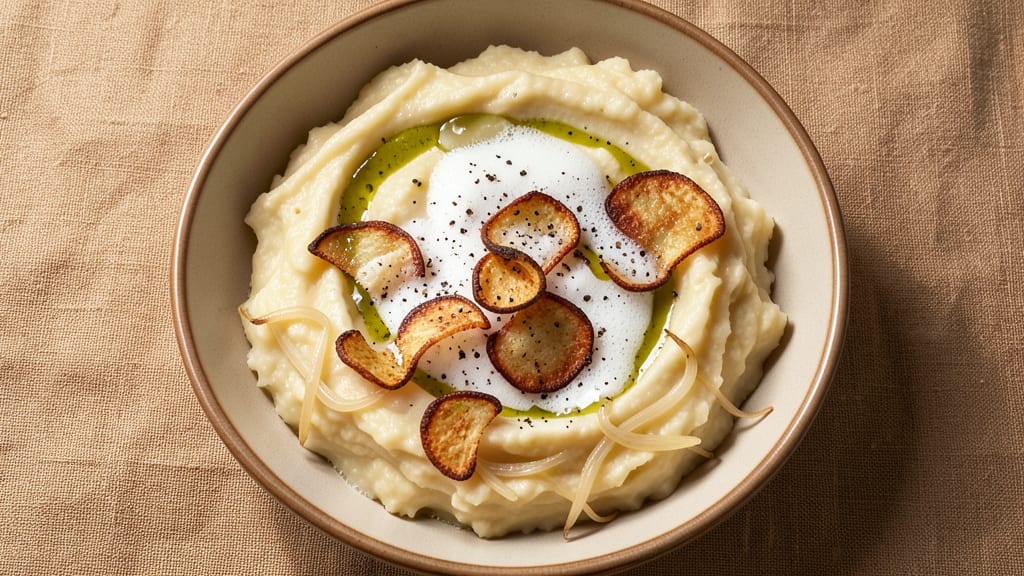
Creating lactose-free mashed potatoes that rival traditional creamy versions is easier than you think—this recipe delivers ultra-smooth texture without dairy. The secret lies in using olive oil and lactose-free butter to achieve that velvety consistency while keeping the process simple and foolproof.
After years of testing dairy-free alternatives, I’ve perfected a method that delivers restaurant-quality results at home.
What sets this recipe apart is the balance of moisture and richness. Instead of dairy, we rely on olive oil for creaminess and a splash of unsweetened almond milk to achieve that signature smoothness.
The potatoes are cooked until tender, then mashed with precision to eliminate lumps, ensuring a silky finish every time. No special equipment is needed—just a few key ingredients and a willingness to embrace a dairy-free twist on a classic.
The result is mashed potatoes that are impossibly creamy, lightly seasoned with salt and pepper, and ready in under 40 minutes. The texture is velvety, the flavor is rich, and the absence of dairy is completely undetectable.
Whether you're accommodating dietary restrictions or simply exploring new techniques, this recipe proves that lactose-free doesn’t mean sacrificing satisfaction.
Serve these mashed potatoes as a side for holiday dinners, holiday meals, or even as a comforting main dish with roasted vegetables. The possibilities are endless, and the process is straightforward. Let’s get started on creating your perfect batch of dairy-free mashed potatoes.
Ingredients for lactose free mashed potatoes
Nine simple ingredients transform into velvety lactose-free mashed potatoes that rival traditional versions.
| Ingredient | Amount | Notes |
|---|---|---|
| Russet Potatoes 🥔 | 2 ½ lb | Yukon Gold or similar waxy variety |
| Lactose-Free Butter 🧈 | ½ cup | Miyoko's or Earth Balance preferred |
| Extra-Virgin Olive Oil 🫒 | ¼ cup | High-quality, fruity variety |
| Unsweetened Almond Milk 🥛 | ½ cup | Vanilla or plain, unsweetened |
| Diamond Crystal Kosher Salt 🧂 | 1 ½ tsp | Fine grain preferred |
| Freshly Ground Black Pepper 🌶️ | ½ tsp | Coarsely ground for texture |
| Garlic Cloves 🧄 | 2 cloves | Peeled, roasted for depth |
| Fresh Rosemary 🌿 | ½ tsp | Finely chopped, stems removed |
| Nutritional Yeast Flakes 🍄 | 1 tbsp | For umami richness |
| White Wine Vinegar 🍷 | 1 tsp | Balances richness |
| Vegetable Broth 💧 | ¼ cup | Low-sodium preferred |
The foundation begins with Russet potatoes—their high starch content yields an ultra-smooth texture. Opt for organic varieties from Whole Foods or your local farmers' market for optimal flavor and texture. Lactose-free butter is non-negotiable; brands like Miyoko's or Earth Balance deliver the same rich mouthfeel without dairy. The extra-virgin olive oil should have a fruity aroma—California Olive Ranch or Colavita are excellent choices. Fresh rosemary adds aromatic depth, while garlic cloves should be roasted to enhance their natural sweetness without bitterness. Nutritional yeast flakes provide that elusive umami quality often found in traditional mashed potatoes.
No lactose-free butter? Olive oil alone (increased to 0.75 cup) works in a pinch, though texture may be slightly lighter. Almond milk can be swapped for oat milk or soy milk, though unsweetened versions maintain the purest flavor profile. Vegetable broth replaces dairy-based stocks entirely—Imagine or Pacific Foods brands offer low-sodium options perfect for this application. The white wine vinegar is crucial for balancing the richness; Bartles & Jaymes or Caldor provide consistent quality. Diamond Crystal kosher salt dissolves completely, unlike iodized table salt, ensuring even seasoning throughout. For a nut-free option, omit nutritional yeast and increase garlic to 3 cloves for depth.
Store any leftovers in an airtight container in the refrigerator for up to 4 days, though texture may slightly degrade after 2 days. For longer storage, freeze in single-serving portions for up to 3 months. Reheat gently in the microwave with a splash of almond milk to restore creaminess. These mashed potatoes reheat beautifully—never boil them, as this breaks down the starches and creates a gummy texture. The rosemary and garlic can be pre-roasted and stored in the freezer for up to 3 months in an airtight container, ready to enhance future batches.
Why You'll Love This Recipe
- No Peel Struggle: I swear by Russets for this—toss them whole into boiling water, skin and all. By the time they’re fork-tender, those skins slip right off. No knife, no mess, just pure convenience.
- Creamy Without Dairy: The combo of lactose-free butter and unsweetened almond milk gives you that velvety texture without any heavy, bloating dairy. Honestly, I’ve had people ask if I used cream—until I tell them it’s all plant-based.
- Make-Ahead Magic: These taste even better the next day. Whip up a big batch on Sunday, store in the fridge, and reheat with a splash of almond milk. Perfect for lazy mornings or quick weeknight dinners.
- Budget-Friendly Luxury: Russets are cheap, and this recipe stretches easily. I’ve fed six people for under $5, and they’ll still ask for seconds. That’s comfort food that won’t break the bank.
Step-by-step instructions for lactose-free mashed potatoes
This method delivers restaurant-quality texture using only plant-based ingredients.
Prepare and Roast the Potatoes
Preheat your oven to 425°F. Peel the 2.5 lb russet potatoes and cut them into 1-inch chunks—uniform size ensures even cooking. Place them in a large bowl and toss with 0.25 cup extra-virgin olive oil, 1.5 tsp diamond crystal kosher salt, and 0.5 tsp freshly ground black pepper until evenly coated. Spread the potatoes in a single layer on two rimmed baking sheets.
Roast for 30 minutes, flipping halfway, until the edges are golden brown and the potatoes are tender when pierced with a fork. This roasting method develops deeper flavor and creates a naturally creamy texture without dairy. The potatoes should be fork-tender but not falling apart—this is critical for smooth mashed potatoes.
Build the Flavor Base
While the potatoes roast, prepare the flavor components. In a small saucepan, combine 2 cloves garlic cloves (peeled), 0.5 tsp fresh rosemary, and 0.25 cup vegetable broth. Simmer over medium-low heat for 5 minutes until the garlic is soft and fragrant. Remove from heat and stir in 1 tbsp nutritional yeast flakes and 1 tsp white wine vinegar—this creates a rich, umami-packed base that replaces dairy's savory depth.
In a separate small bowl, melt the 0.5 cup lactose-free butter with 0.5 cup unsweetened almond milk over low heat until fully combined. Keep both mixtures warm until ready to use. The butter should be melted but not browned—this ensures a smooth, velvety texture without dairy's tendency to separate.
Create Ultra-Smooth Mashed Potatoes
Transfer the roasted potatoes to a large mixing bowl. Using a potato masher or ricer, break them down into rough chunks—don't overwork them yet. The goal is to create small, even pieces that will blend smoothly with the other ingredients. I recommend using a ricer for the silkiest texture, but a food mill works well too.
Add the warm garlic-rosemary broth mixture and the melted butter-almond milk blend to the potatoes. Using an electric mixer on low speed, gradually blend everything together until completely smooth. Increase to medium-high speed and whip for 2-3 minutes until light and fluffy. The mashed potatoes should be airy with no lumps—this is where the almond milk's protein content creates that signature creaminess without dairy.
Finish and Adjust Seasoning
Taste and adjust seasoning if needed. The nutritional yeast flakes and white wine vinegar should provide enough umami and acidity, but you may want to add a pinch more salt or pepper. For extra richness, you can stir in an additional 1 tablespoon lactose-free butter at this stage. The final texture should be velvety with a slight sheen—this indicates proper moisture balance.
Transfer the mashed potatoes to a serving dish and cover with plastic wrap pressed directly onto the surface. This prevents a skin from forming while keeping the texture perfectly smooth. Serve immediately for the best results, as the potatoes will continue to absorb moisture and become slightly drier if left standing.
Pro Tips For Making Lactose Free Mashed Potatoes
- CUT POTATOES EVENLY: Russets are stubborn—use a mandoline or sharp knife to slice them into 1.5-inch chunks. Uneven sizes mean some cook to mush while others stay raw, and no one wants that fight in the pot.
- SALT THE WATER: Add 1.5 tablespoons of kosher salt to the boiling water—yes, even if your potatoes are already peeled. The salt penetrates faster this way, and you’ll taste the difference when you mash.
- MASH WITH HEAT: Keep the potatoes hot when adding lactose-free butter and almond milk—straight from the pot or covered in a warm towel. Cold potatoes turn gummy no matter how much you stir.
- STOP WHEN IT’S DRY: The moment the masher leaves a clean bowl is when you’ve gone too far. A few drops of olive oil (about 1 teaspoon) will fix dryness, but better to stop early and add almond milk gradually.
Wine and beer pairings for this lactose free mashed potatoes
Crisp White Wine
For these lactose-free mashed potatoes, a dry Riesling or Sauvignon Blanc from New Zealand is my go-to choice. The bright acidity and citrus notes cut through the richness of the olive oil and lactose-free butter, creating a refreshing contrast.
I recommend a 2022 Cloudy Bay Sauvignon Blanc—its zesty grapefruit and lime flavors complement the roasted garlic and rosemary beautifully. Serve slightly chilled (45-50°F) to enhance the wine's crispness. 🍷
Hoppy IPA Balance
If you prefer beer, a citrusy IPA balances the creamy texture perfectly. The bitterness from hops cleanses your palate between bites, while the fruity esters add a lively contrast.
I love pairing these mashed potatoes with a New England-style IPA like Trillium Brewing Co.'s Pale Ale—its juicy pineapple and mango notes play wonderfully with the roasted potatoes. Serve at 48-52°F to preserve the beer's effervescence. 🍺
Red Wine for Hearty Meals
When serving these mashed potatoes alongside a roasted meat main course, a Pinot Noir from Oregon offers an elegant match. The wine's earthy undertones and red fruit flavors harmonize with the rosemary and garlic in the potatoes.
Look for a 2021 Domaine Serene Pinot Noir—its silky texture and bright acidity make it a sophisticated pairing. Decant for 30 minutes before serving to soften the tannins and enhance aroma. 🍷
Non-Alcoholic Options
For a refreshing non-alcoholic pairing, try a sparkling apple cider like Martinelli's or a ginger beer with a hint of lime. The effervescence and slight tartness mirror the brightness of white wine while complementing the potatoes' creamy texture.
For a more robust option, a sparkling water infused with cucumber slices and a squeeze of lemon adds a crisp, clean finish. Serve chilled (38-42°F) for the best experience. 💧
Seasonal Adaptations
In summer, opt for a rosé with its delicate berry notes and crisp acidity. For winter, a Malbec from Argentina brings bold fruit flavors that stand up to the heartier season.
Always ensure your beverage's temperature matches the meal—chilled for lighter pairings, slightly warmer for richer wines. The key is balancing the potatoes' creamy texture with something refreshing or bold. ✨
Nutrition facts
Frequently asked questions
Can I use regular butter instead of lactose-free butter?
No, regular butter contains lactose, which would defeat the purpose of this recipe. The lactose-free butter provides the same rich flavor and texture without triggering dairy sensitivities. If you're out of lactose-free butter, you can substitute with olive oil (increase to 0.75 cup) for a dairy-free option.
Why does my dairy-free mashed potato recipe turn out gummy?
Gummy texture usually happens from overcooking the potatoes or not blending properly. Roast potatoes until fork-tender (not mushy) and use a ricer or food mill to break them down before adding wet ingredients. Whip with an electric mixer for 2-3 minutes to incorporate air and achieve a light, creamy consistency.
Can I make these mashed potatoes ahead of time?
Yes, but with a few precautions. Store in an airtight container in the fridge for up to 4 days, but expect some texture changes after 2 days. To reheat, microwave with a splash of almond milk and stir vigorously. For best results, make them fresh and serve immediately for that ultra-smooth texture.
What's the best way to make them extra creamy?
The secret is the almond milk's protein content combined with proper blending. For maximum creaminess, whip the potatoes with an electric mixer on medium-high speed for 2-3 minutes until light and airy. Adding an extra 1 tablespoon lactose-free butter at the end also enhances richness without dairy.
Are these mashed potatoes safe for someone with a dairy allergy?
This recipe uses only certified lactose-free ingredients and avoids all dairy products. The olive oil, almond milk, and lactose-free butter ensure complete safety for those with dairy allergies. Always check labels on your lactose-free butter to confirm it's made in a dairy-free facility if severe allergies are a concern.