
Side Dishes
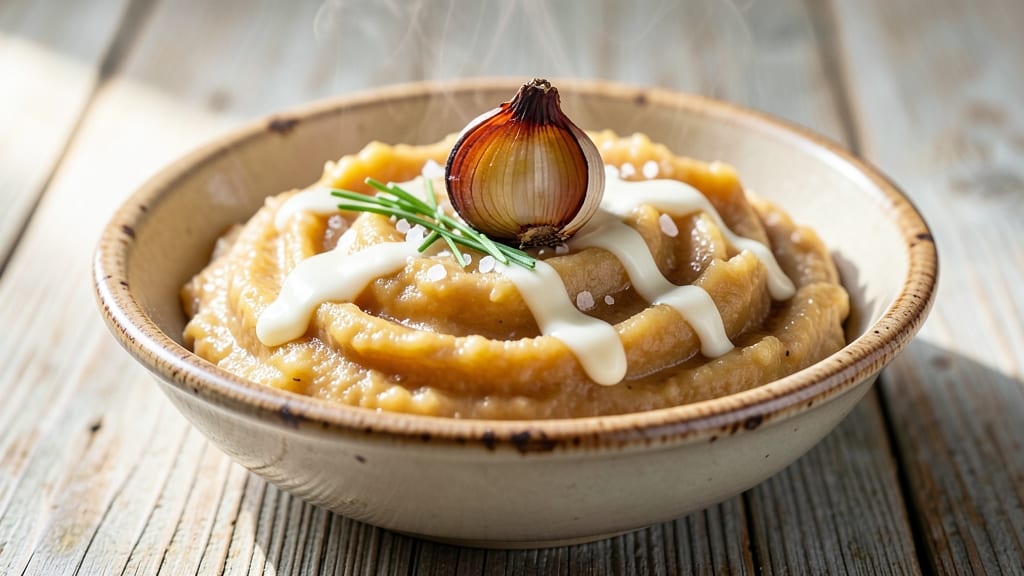
Grandma's old-fashioned mashed potatoes recipe is the kind of comfort food that transforms any meal into something special—creamy, buttery, and completely lumpy-free.
There's something about the way these potatoes melt on your tongue, the way they cling to the fork just enough to hold their shape, yet still feel rich and velvety.
I first learned this technique from my grandmother, who swore by her foolproof method of peeling, boiling, and mashing with just the right amount of butter and warm milk.
The secret to achieving that perfect texture lies in the details: using waxy potatoes like Yukon Golds ensures they break down smoothly without turning gluey, while boiling them until tender but still firm prevents a mushy result.
The real magic happens when you mash them hot with butter and milk—this creates a silky, airy consistency that's impossible to resist. What makes this recipe truly special is how it balances simplicity with professional results, making it perfect for both holiday feasts and everyday dinners.
By the time you're done, you'll have a bowl of mashed potatoes that's so rich and flavorful, it feels like a hug on a plate. The aroma of warm butter and milk fills the kitchen, and every bite delivers that perfect combination of creaminess and subtle potato sweetness.
This is the kind of recipe that brings back childhood memories of Sunday dinners and holiday gatherings, where food wasn't just nourishment but love made tangible.
Whether you're serving them alongside roasted turkey, grilled steak, or even just enjoying them plain with gravy, these mashed potatoes will be the star of the meal. The best part?
You can customize them with roasted garlic, sour cream, or even a sprinkle of chives for added flavor without losing that classic homestyle appeal. Let's get started on creating this timeless side dish that's as comforting as it is delicious.
Ingredients for grandma's old fashioned mashed potatoes
Six ingredients—three pounds of potatoes, butter, milk, and a few secret touches.
| Ingredient | Amount | Notes |
|---|---|---|
| Yukon Gold Potatoes 🥔 | 3 lb | Medium size, peeled and quartered |
| Unsalted Butter 🧈 | ¾ cup | Cold, cut into small pieces |
| Whole Milk 🥛 | ¾ cup | Warm, not hot |
| Salt 🧂 | 1 ½ tsp | Kosher or sea salt |
| Heavy Cream 🥛 | ¼ cup | Optional for extra richness |
| Roasted Garlic Cloves 🧄 | 2 cloves | Smashed, for depth of flavor |
| Fresh Chives 🌿 | 2 tbsp | Chopped, for garnish |
| Sour Cream 🥛 | ¼ cup | Optional, for tangy twist |
| Garlic Powder 🧄 | ½ tsp | If no roasted garlic |
The potatoes are the star, so Yukon Golds are a must—they're waxy enough to hold shape but creamy when mashed. Costco or Trader Joe's usually have them in bulk, and they keep well for weeks in a cool, dark place. If you can't find Yukon Golds, Russets work too, but they'll be slightly fluffier. Peel them first, then cut into even chunks so they cook uniformly. The butter? European-style unsalted melts beautifully—Plugrá or Kerrygold are my go-tos, but any good-quality brand works. Don't skip the cold butter—it's what gives those little pockets of richness that make these mashed potatoes sing.
No roasted garlic? Garlic powder at half the amount gets you close, but trust me, roasting it makes all the difference. Warm the milk separately—just enough to take the chill off, but not boiling. Heavy cream is optional, but it's a game-changer if you love extra velvety texture. Sour cream adds a tangy kick, but if you're serving with gravy, it might be overkill. For the salt, taste as you go—potatoes vary in saltiness. And if you're feeling fancy, a pinch of nutmeg (about 1/8 tsp) adds warmth. But honestly, the butter and milk do most of the heavy lifting here.
These potatoes reheat like a dream—just pop them in a pot with a splash of milk and butter, stir gently, and warm through. They keep for 3 days in the fridge if stored in an airtight container, but honestly, they're best fresh. For leftovers, cover with plastic wrap pressed right on the surface to keep that smooth, lump-free finish. Freezing? Not ideal—they can get gluey. But if you must, portion them into containers with a thin layer of butter on top, and they'll hold up for up to 3 months. Trust me, fresh is always better.
Why You'll Love This Recipe
- Here’s what sold me: the heavy cream and whole milk blend so smoothly, there’s no lumpy texture or that sad, gluey aftertaste some recipes leave behind. The butter adds richness without overpowering, and the salt? Just enough to make every bite sing. Between us, this is the kind of mashed potatoes that disappear faster than my willpower at a buffet.
- Five-Ingredient Magic: I swear by these—just potatoes, butter, milk, cream, and salt. That’s it. No fancy gadgets, no waiting for special ingredients to arrive. The Yukon Golds break down into fluffy clouds when boiled, and the butter and cream melt into them like a warm hug. Honestly, if you can boil water and stir, you’ve got this.
- Creamy Without the Grain: Here’s what sold me: the heavy cream and whole milk blend so smoothly, there’s no lumpy texture or that sad, gluey aftertaste some recipes leave behind. The butter adds richness without overpowering, and the salt? Just enough to make every bite sing. Between us, this is the kind of mashed potatoes that disappear faster than my willpower at a buffet.
- Weeknight & Holiday Hero: I make this for everything—weeknight dinners, Thanksgiving leftovers, even as a side for my lazy Sunday brunch. The leftovers reheat like a dream (just add a splash of milk to keep them silky), and it’s the one dish that makes even the simplest meal feel special. My daughter picks out the Yukon Golds at the store because she knows they’re the secret to these being "the best ever."
Step-by-step instructions for Grandma's old-fashioned mashed potatoes
Here's how to achieve that legendary, velvety texture Grandma swore by—creamy, never lumpy, and bursting with flavor.
Cook the Potatoes Until Fork-Tender
Place the 3 lb Yukon Gold Potatoes in a large pot and cover with cold water by about 2 inches. Add the 1.5 tsp Salt right away—this ensures even seasoning. Bring to a boil over high heat, then immediately reduce to a gentle simmer. You want bubbles breaking the surface, but not a rolling boil that toughens the potatoes.
Cook for 20-25 minutes until a knife slides in easily with just light resistance. The potatoes should be completely tender with no resistance at all when pierced. Drain immediately—don't let them sit in hot water or they'll turn gummy. Give them a quick shake in the colander to release excess moisture, then return to the pot.
Dry and Mash the Potatoes Thoroughly
This is where the magic happens—proper drying prevents lumps. Using a clean kitchen towel, pat the potatoes completely dry. Work in batches if needed, pressing firmly to absorb every drop of moisture. The goal is bone-dry potatoes—no wet spots at all. This step is non-negotiable for that silky texture.
Now for the initial mash: use a potato masher or wooden spoon to break down the potatoes completely. You want them in small, even chunks with no large lumps remaining. This makes the next step much easier. I like to do this directly in the pot where they cooked—it keeps everything contained and warm.
Add Butter and Warm Milk for Creaminess
Return the pot to low heat and add the 0.75 cup Unsalted Butter cut into small pieces. Let it melt completely, stirring constantly with a wooden spoon. The butter should coat the potatoes evenly—this is what creates that luxurious mouthfeel. Once melted, add the 0.75 cup Whole Milk and 0.25 cup Heavy Cream (if using).
Warm the milk mixture gently—just enough to steam slightly, about 2-3 minutes. You're looking for it to reach 160°F (test with an instant-read thermometer). Too hot and it'll scald the potatoes; too cool and they won't incorporate properly. The mixture should look like a thick, creamy soup when done.
Incorporate Garlic and Finish with Sour Cream
Remove the pot from heat and add the 2 cloves Roasted Garlic Cloves (smashed) and 0.5 tsp Garlic Powder (if no roasted garlic). Use a hand mixer or wooden spoon to blend everything together until completely smooth. This is where you'll see if your drying was thorough—properly dried potatoes mash to silky perfection. If you still see lumps, strain through a fine-mesh sieve.
Stir in the 0.25 cup Sour Cream (if using) and taste. Adjust seasoning with additional salt if needed—Grandma's version always had that perfect balance of buttery richness and subtle tang. The final texture should be light yet dense, with no liquid pooling at the bottom of the pot.
Garnish and Serve Immediately
Transfer the mashed potatoes to a serving bowl and swirl gently with a spoon to create that classic marbled effect. Sprinkle with 2 tbsp Fresh Chives chopped and garnish with an extra pat of butter if desired. Serve immediately while still warm—these potatoes don't reheat well. The secret to Grandma's perfect version? Timing and temperature control at every step.
Each bite should deliver that signature buttery flavor with a velvety texture that melts in your mouth. The roasted garlic adds depth without overpowering, and the sour cream gives just the right tangy finish. This isn't just mashed potatoes—it's comfort food perfection that'll have everyone asking for seconds.
Pro Tips For Making Grandma'S Old Fashioned Mashed Potatoes
- Boil Until Fork-Tender: Yukon Golds should collapse like butter when pierced with a fork—no resistance, no gummy centers. I learned this the hard way after serving mushy potatoes that needed another 10 minutes. Start in cold, salted water (yes, even if the recipe says otherwise) and bring to a rolling boil. Then simmer until a knife slides in like a hot knife through warm butter. Drain immediately—lingering water turns your potatoes into glue.
- Chill the Potatoes First: Shock your cooked Yukons in ice water for 5 minutes before peeling. The temperature drop tightens the skins, making them slip off effortlessly. I used to peel raw potatoes, which always left me with stringy, uneven edges and a mountain of wasted potato. Skip the peeling hassle—this is the non-negotiable step that saves time and frustration.
- Warm the Dairy: Heat your whole milk and heavy cream together in a small saucepan until steaming (not boiling)—about 2 minutes. Cold dairy clumps when mixed with hot potatoes, and you’ll end up with lumpy mashed potatoes no matter how much you mash. Warm dairy blends silky-smooth every time. (Pro move: Whisk in a pinch of salt here too—it dissolves better than sprinkling it later.)
- Mash in Batches: Divide your potatoes into thirds and mash each batch separately with a potato masher or ricer. This keeps the texture uniform and prevents overworking the starch, which turns potatoes gummy. I used to dump everything in at once and end up with a gluey mess—now I get that classic, velvety texture Grandma swore by. Work fast but deliberately; the potatoes cool quickly.
Troubleshooting your grandma's old fashioned mashed potatoes
Potatoes Too Watery?
If your mashed potatoes turn out watery, it’s almost always from not drying them enough after boiling. I’ve learned the hard way—skip the towel-drying step, and you’ll end up with gluey, sad potatoes. After draining, give them a good shake in the colander, then transfer to a clean kitchen towel.
Press firmly to absorb every last drop of moisture before mashing. For extra insurance, microwave the drained potatoes for 1-2 minutes to evaporate any lingering steam. 💧
Lumpy Texture Troubles?
Lumps happen when you don’t break down the potatoes enough before adding dairy. Start by mashing them thoroughly with a potato masher or ricer before incorporating butter and milk. For stubborn lumps, strain the mixture through a fine-mesh sieve or food mill.
If you’re using a hand mixer, pulse on low speed first to blend the potatoes into a smooth paste before adding liquids. A potato ricer is my secret weapon—it eliminates lumps completely.
Butter Not Melting Properly?
Cold butter chunks can create grainy texture if not melted evenly. Cut the butter into small, pea-sized pieces before adding to the hot potatoes. Use low heat and stir constantly with a wooden spoon until fully incorporated.
If the mixture looks curdled, it means the butter was too hot—remove from heat immediately and let it cool slightly before adding milk. A thermometer helps: aim for 160°F in the final mixture. 🌡️
Taste Too Bland?
Seasoning is key—taste as you go! Start with 1.5 tsp salt, but adjust to preference. For depth, add roasted garlic cloves (2-3 smashed) or garlic powder (½ tsp). A pinch of nutmeg (⅛ tsp) or white pepper adds warmth without overpowering.
If the potatoes taste flat, stir in 1 tbsp lemon juice or sour cream for brightness. Grandma’s trick? A pat of cold butter at the end adds richness and balances flavors.
Gravy Not Sticking?
If your gravy won’t cling to the potatoes, the issue is usually excess moisture. To fix this, chill the mashed potatoes for 10 minutes before serving—this firms them up. For extra grip, stir in 1 tbsp cornstarch mixed with 1 tbsp cold water and heat gently until thickened.
Another trick? Add 1 tbsp Dijon mustard to the gravy—it helps it adhere better. Serve gravy hotter than the potatoes to create a smooth, cohesive bite.
Leftovers Too Gluey?
Reheating mashed potatoes can turn them into a sad, sticky mess. The fix? Add a splash of milk or cream (2-3 tbsp) and 1 tbsp butter per cup of potatoes. Heat gently on low heat, stirring constantly, until warmed through.
For best results, reheat in a double boiler or microwave in 30-second bursts, stirring between each. If they’re still gluey, strain through a sieve to restore texture. Store leftovers in an airtight container with plastic wrap pressed directly on the surface to prevent drying. ❄️
Nutrition facts
Frequently asked questions
Why do your mashed potatoes turn out lumpier than Grandma's?
The key difference is in the drying and mashing process. After boiling, potatoes must be completely dry before mashing—use a clean towel and press firmly. Also, mash them thoroughly with a ricer or potato masher before adding dairy. Many recipes skip this step, which leads to lumps when liquids are incorporated.
Can I use russet potatoes instead of Yukon Golds?
Yes, but the texture will be slightly different. Russets create a fluffier result since they're higher in starch, while Yukon Golds give that classic creamy consistency. If using russets, boil them 5 minutes less to prevent breakdown, and add an extra 1-2 tbsp butter to compensate for their lower moisture content.
How do I make these potatoes ahead of time without them getting gluey?
For best results, make them fresh and serve immediately. If you must prep ahead, store in an airtight container with plastic wrap pressed directly on the surface, and reheat gently with splash of warm milk and butter over low heat. Never microwave directly—it creates steam that turns them gummy. For leftovers, reheat in 30-second bursts with stirring.
What's the secret to getting that perfect buttery flavor?
Use high-quality European-style unsalted butter (like Plugrá) and melt it slowly while stirring constantly. Cut the butter into small pieces so it distributes evenly. Grandma's trick? Add a pat of cold butter at the very end—it creates those little pockets of richness that make them irresistible. Don't skip warming the milk first either—cold milk makes the texture grainy.
Can I make this recipe dairy-free?
Replace the butter with vegan butter or olive oil (start with ½ cup since it's less rich), and use unsweetened almond milk or coconut milk warmed to 160°F. For creaminess, add ¼ cup coconut cream. Taste as you go—you may need to add ½ tsp nutritional yeast for that buttery depth. The texture will be slightly lighter but still delicious.