
Side Dishes
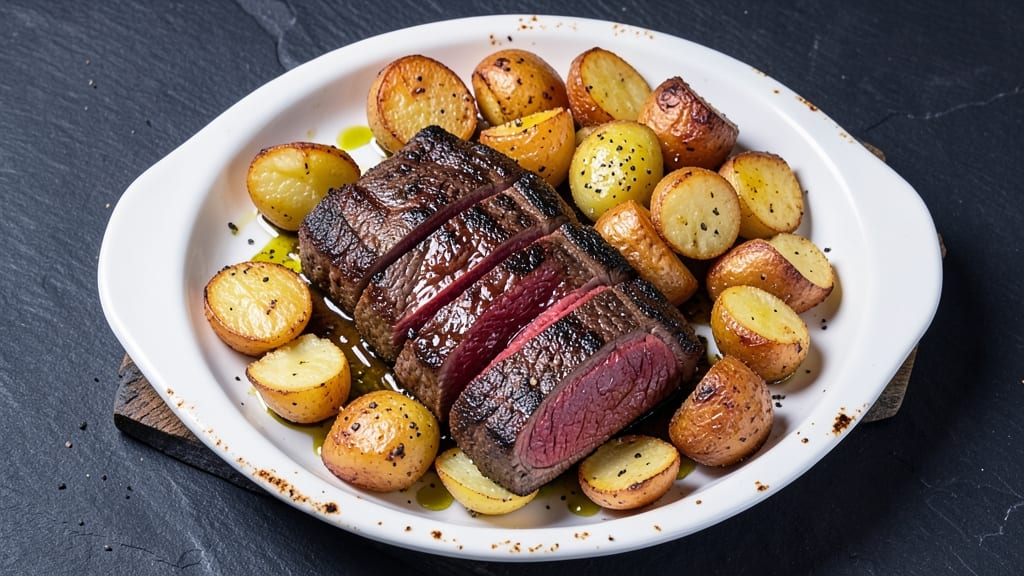
Gordon Ramsay's steak and potatoes recipe delivers restaurant-quality results with a pan-seared crust that gives way to perfectly tender centers—just like his signature dishes. The secret lies in precise timing and technique, ensuring every bite is juicy and flavorful while the potatoes develop a crispy exterior and buttery interior.
This isn’t just a side dish; it’s the foundation of a showstopping meal that feels like a Michelin-starred experience at home.
What sets this recipe apart is Ramsay’s method of high-heat searing for the steak, followed by a gentle rest to lock in moisture, while the potatoes are roasted until golden and fluffy. No shortcuts—just a foolproof approach that guarantees professional results every time.
The key ingredients are simple: quality steak, crispy potatoes, and a touch of butter that transforms everything. This is the kind of dish that makes weeknights feel special.
By the time you plate this dish, you’ll have a steak with a caramelized crust and a tender interior, paired with potatoes that are crisp on the outside and buttery soft inside. The aroma alone will have everyone at the table anticipating the first bite.
Whether you’re cooking for a date night or a family dinner, this recipe delivers the kind of meal that feels like a celebration.
Ready to elevate your cooking? Let’s break down the exact techniques Ramsay uses to achieve this level of perfection—from searing the steak to roasting the potatoes just right. This isn’t just a recipe; it’s a masterclass in simple, restaurant-quality cooking.
Ingredients for gordon ramsay steak and potatoes
Quality cuts and simple seasonings transform into Ramsay's signature restaurant-quality steak and potatoes.
| Ingredient | Amount | Notes |
|---|---|---|
| Ribeye Steak 🥩 | 1 ½ lb | Center-cut, 1-inch thick slices |
| Russet Potatoes 🥔 | 2 ½ lb | Medium size, unpeeled |
| Unsalted Butter 🧈 | ½ cup | Cold, cubed for potatoes |
| Kosher Salt 🧂 | 1 ½ tbsp | Diamond Crystal preferred |
| Freshly Ground Black Pepper 🌶️ | 1 tbsp | Coarsely ground |
| Extra-Virgin Olive Oil 🫒 | 2 tbsp | High smoke point |
| Garlic Cloves 🧄 | 6 cloves | Smashed, skin-on |
| Fresh Rosemary 🌿 | ¼ cup | Chopped, stems removed |
| Fresh Thyme 🌿 | ¼ cup | Leaves only, stems discarded |
| Heavy Cream 🥛 | ¼ cup | Full-fat for richness |
| Fresh Parsley 🌿 | ⅛ cup | Chopped, for garnish |
The ribeye is non-negotiable here—center-cut slices with visible marbling ensure that melt-in-your-mouth tenderness. Whole Foods Market or your local butcher shop are ideal sources, but even the grocery store will have quality cuts if you look for 'USDA Choice' or higher. The potatoes should be firm, unblemished russets—avoid any with soft spots or green patches. Fresh herbs are a game-changer: Whole Foods or Trader Joe's carry high-quality sprigs, but even grocery store bunches work if the leaves are vibrant. For the garlic, organic cloves from the produce section have the best flavor, though regular will suffice in a pinch.
No fresh rosemary? Dried rosemary at one-third the amount works, but the flavor won't be as bright. The thyme can be swapped for dried thyme at half the quantity, though fresh is ideal for that restaurant-quality aroma. Running short on heavy cream? Full-fat sour cream is a decent substitute, though the texture will differ slightly. The olive oil matters—avoid 'light' or 'pure' varieties; stick to extra-virgin with a high smoke point. For the steak, kosher salt is essential—Diamond Crystal dissolves perfectly, but any kosher salt will do. Freshly ground black pepper ensures maximum flavor impact, so avoid pre-ground containers that have sat on shelves for months.
Steaks should rest at room temperature for 30 minutes before cooking—this ensures even searing. Fresh herbs keep best in the fridge, wrapped in damp paper towels, for up to 5 days. The potatoes can be prepped a day ahead: parboil and store in cold water until ready to roast. Leftover steak reheats beautifully in a 300°F oven for 10-15 minutes, wrapped in foil with a pat of butter. The roasted potatoes hold up well for 3 days in the fridge, though their crispiness diminishes over time—best enjoyed fresh.
Why You'll Love This Recipe
- No-Fuss Timing: I swear by this when I’m starving after work—just slice the potatoes, sear the steak, and let the oven do the heavy lifting. Thirty minutes later, dinner’s ready without me breaking a sweat.
- Butter-Basted Magic: That ribeye, crusty on the outside but still juicy inside, paired with potatoes so tender they flake at the touch? Honestly, the butter basting turns simple ingredients into something restaurant-worthy (without the bill).
- Weeknight or Date Night: Same recipe, totally different vibes—throw it together for a lazy Tuesday or dress it up with a sprinkle of parsley for a fancy-ish dinner. Works for both my pajamas and my best jeans.
- Leftovers That Don’t Suck: Cold steak sandwiches? Yes, please. The potatoes hold up surprisingly well, and reheating them in the oven keeps them crispy. Between us, I’ve lived off these leftovers for three days straight.
Step-by-step instructions for gordon Ramsay-style steak and potatoes
Master this classic with restaurant-quality precision—crispy steak crusts and fluffy, buttery potatoes.
Prepare the Potatoes for Perfect Texture
Preheat your oven to 425°F. Peel the 2.5 lb russet potatoes and cut them into 1-inch cubes, ensuring uniform size for even cooking. Place them in a large bowl and cover with cold water, letting them soak for 20 minutes to remove excess starch. This prevents gummy texture and promotes crisp edges.
Drain thoroughly and transfer to a rimmed baking sheet. Toss the potatoes with 2 tbsp extra-virgin olive oil, 1 tbsp kosher salt, and 1 tbsp freshly ground black pepper until evenly coated. Spread them in a single layer, leaving space between each piece. Roast for 30 minutes, stirring halfway, until they begin to soften but aren't yet browned. This foundational step ensures your potatoes will achieve that signature fluffy interior while developing crisp edges later.
Season and Sear the Ribeye to Restaurant Perfection
While the potatoes roast, pat the 1.5 lb ribeye steak dry with paper towels—moisture is the enemy of a perfect sear. Season both sides aggressively with 1.5 tbsp kosher salt and 1 tbsp freshly ground black pepper, pressing the seasoning into the meat to ensure even distribution. Let the steak sit at room temperature for 30 minutes while you finish preparing the aromatics.
Heat a heavy skillet over high heat until it's screaming hot. Add 2 tbsp extra-virgin olive oil and let it shimmer for 30 seconds. Place the steak in the pan and sear undisturbed for 3-4 minutes until a deep golden-brown crust forms. Flip carefully and sear the other side for another 3-4 minutes. For medium-rare doneness, remove the steak when the internal temperature reaches 130°F on an instant-read thermometer. Transfer to a cutting board, tent loosely with foil, and let it rest for 10 minutes—this crucial step ensures tender, juicy slices.
Build the Herb Butter Sauce for the Potatoes
Reduce the oven temperature to 375°F. In a small saucepan, melt the 0.5 cup unsalted butter over low heat. Add the 6 smashed garlic cloves, 0.25 cup chopped fresh rosemary, and 0.25 cup fresh thyme, stirring constantly for 2-3 minutes until the garlic is fragrant but not browned. Remove from heat and stir in the 0.25 cup heavy cream, then pour this herb butter mixture evenly over the partially roasted potatoes.
Return the potatoes to the oven and roast for an additional 20-25 minutes, stirring once halfway through, until they're golden brown and tender when pierced with a fork. The herb butter will create a luscious, aromatic sauce that clings to each potato, elevating them from simple sides to the star of the plate. If the sauce thickens too much, add 1-2 tablespoons of hot water to loosen it slightly before serving.
Finish with Fresh Herbs and Garnish
Slice the rested ribeye against the grain into ½-inch thick portions. Arrange the herb butter potatoes on a serving platter, fanning them slightly to showcase their crispy edges. Spoon any remaining herb butter sauce from the baking sheet over the potatoes. Garnish both the steak and potatoes with 0.125 cup chopped fresh parsley, adding a bright contrast to the rich flavors.
Serve immediately with the sliced ribeye placed alongside the potatoes. The contrast of the crispy steak crust with the buttery, fluffy potatoes creates a symphony of textures and temperatures that's pure comfort food at its finest. Each bite should deliver perfectly balanced flavors—juicy, tender steak with aromatic herb-infused potatoes that practically melt in your mouth.
Pro Tips For Making Gordon Ramsay Steak And Potatoes
- CRANK THE HEAT FIRST: Start your ribeye on the hottest setting your pan allows—no mercy, no hesitation. I used to shy away from max heat, thinking it’d burn the outside before the inside cooked, but that’s how you get that perfect crust. Once you sear those edges, drop the heat to medium-high and let it finish cooking evenly.
- CUT POTATOES IN EVEN SLICES: Russets need uniform thickness to cook at the same rate. I learned this the hard way—uneven slices mean some get mushy while others stay raw. Aim for ½-inch slices, no thicker, and soak them in cold water for 10 minutes first to wash off excess starch. Trust me, it makes all the difference in texture.
- SALT THE STEAK BEFORE SEARING: Season the ribeye generously with kosher salt at least 40 minutes before cooking—yes, even if you’re in a rush. Salt draws out moisture, which evaporates during the sear, helping that crust form. Skip this, and you’ll end up with a steak that tastes bland no matter how hot your pan gets.
- USE THE PAN JUICES: After removing the steak, don’t toss that golden butter and sear residue—it’s liquid gold. Toss in your sliced potatoes, pour in the rendered butter, and let them crisp in the same pan. The flavor transfer is insane, and you’ll save a ton of cleanup. (Your future self will thank you.)
Serving suggestions for this recipe
Plating Like a Pro
Ramsay’s signature plating focuses on visual contrast—the deep brown crust of the steak against the golden, buttery potatoes. Use a large rectangular platter (I love Le Creuset stoneware) to create space between the two components.
Fan the potatoes slightly so their crispy edges peek out, then place the sliced steak alongside, not overlapping. The goal is to highlight both elements while keeping the presentation clean and elegant. 💫
Sauce Presentation
Don’t let that herb butter sauce go to waste! Drizzle a generous spoonful over the potatoes in a zigzag pattern before serving. For extra flair, use a small squeeze bottle (like MUJI’s ceramic squeeze bottle) to create thin, precise lines.
The sauce should look glossy and inviting, not drowned. A few drops of the same sauce on the steak’s edge adds a final touch of sophistication.
Garnish for Freshness
Fresh herbs are non-negotiable for that restaurant-quality finish. Sprinkle the chopped parsley lightly over both the steak and potatoes—just enough to add color without overwhelming. For a pop of brightness, add thinly sliced lemon wedges on the side (a Microplane zester works perfectly).
The acidity cuts through the richness and adds a refreshing contrast. 🍋
Steak Slicing Technique
Slice the steak against the grain into ½-inch thick portions for maximum tenderness. Arrange the slices fan-style on one side of the platter, leaving space for the potatoes. If you’re feeling extra fancy, use a sharp chef’s knife (like Wüsthof’s Classic) to create clean, even cuts.
The goal is to showcase the steak’s juicy interior while keeping the presentation neat and intentional.
Serving Utensils
Provide two serving spoons—one for the potatoes and one for the steak—to keep flavors separate. I recommend stainless steel spoons (like OXO’s Good Grips) for durability and easy cleaning.
Place them parallel to the platter for a polished look. For a rustic touch, add a wooden board beneath the platter to elevate it slightly and add warmth to the presentation.
Final Touches for Wow Factor
Before serving, give the platter a light dusting of flaky sea salt (like Maldon) around the edges for a subtle crunch. A few rosemary sprigs scattered strategically add a fragrant, aromatic element.
The key is to enhance, not overpower—every garnish should feel intentional and purposeful. This isn’t just a meal; it’s a culinary experience that deserves to be savored. ✨
Nutrition facts
Frequently asked questions
What’s the best cut of steak for this recipe?
Gordon Ramsay’s signature method calls for center-cut ribeye—it has the perfect balance of marbling and tenderness. Look for a 1-inch thick cut with visible fat streaks. If ribeye isn’t available, a New York strip works well too, though it’ll be slightly leaner. Avoid flat iron or sirloin—they lack the same rich flavor and texture.
Can I make this ahead of time?
The steak should always be cooked fresh, but you can prep the potatoes a day ahead. Parboil and store them in cold water, then drain and toss with oil and salt before roasting. For the herb butter sauce, melt the butter with garlic and herbs, then chill until ready to use. Reheat the potatoes gently in the oven before adding the sauce to restore crispiness.
How do I fix overcooked steak?
If your steak turns out tough, don’t panic! Slice it thin against the grain and serve with extra herb butter sauce to add moisture. For next time, use a meat thermometer—remove ribeye at 130°F for medium-rare. If you’re unsure, err on the side of undercooking slightly; steak continues cooking after removal from heat. Never microwave it to "fix" it—this makes it rubbery.
What’s the secret to crispy roasted potatoes?
The key is soaking them in cold water first to remove starch (prevents gumminess) and roasting at 425°F in a single layer. Don’t crowd the pan! After the initial roast, the herb butter sauce creates steam that crisps the edges perfectly. For extra crunch, broil for 2-3 minutes at the very end, watching closely to avoid burning.
Can I substitute butter in the herb sauce?
While butter is essential for Ramsay’s signature richness, you can use half butter and half olive oil for a lighter version. For a dairy-free option, melt avocado oil with garlic and herbs, then finish with a splash of heavy cream. The texture will differ slightly, but the herb flavors will still shine. Just avoid all margarine or vegetable shortening—they lack the necessary fat content for proper flavor development.