
Side Dishes
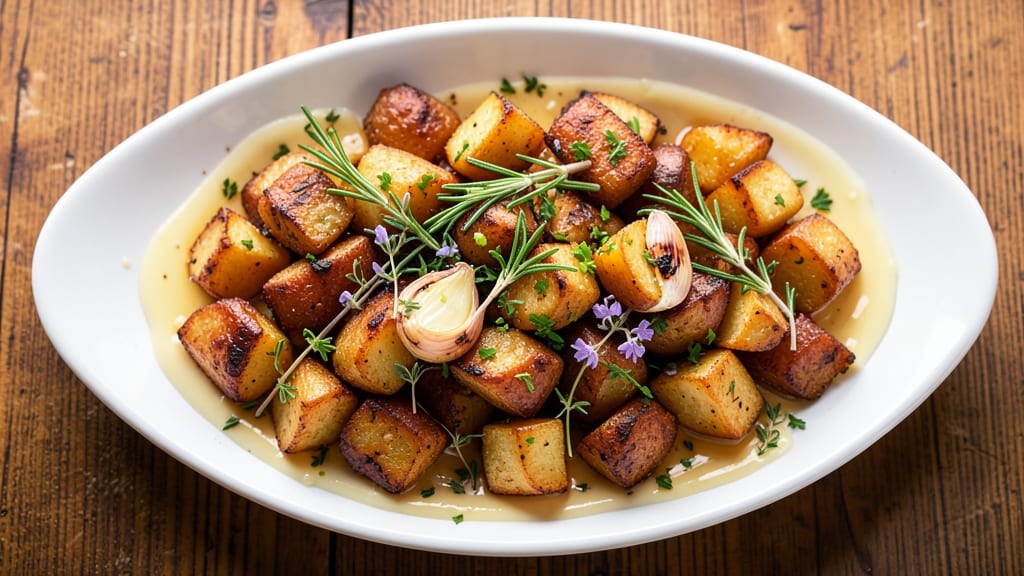
Gordon Ramsay’s potatoes recipe delivers restaurant-quality results with herb-infused roast potatoes that have buttery crispy edges and tender interiors. This technique combines precise timing, high heat, and Ramsay’s signature herb blend to transform simple potatoes into a showstopping side dish.
The secret lies in double-frying for maximum crispiness while keeping the centers perfectly fluffy.
What sets this recipe apart is the balance of texture and flavor—golden, crackling exteriors with a velvety herb-infused interior. Ramsay’s method ensures every bite delivers that satisfying contrast, and the aromatic herb blend elevates even the most basic spud.
This isn’t just a side dish; it’s a foolproof technique that turns weeknight dinners into gourmet experiences.
By following this step-by-step approach, you’ll achieve crispy edges that shatter between your teeth while maintaining a tender core. The herb-infused butter basting adds depth, and the final touch of fresh parsley ensures vibrant color and freshness.
Whether serving alongside roasted meats or as a standalone dish, these potatoes will impress even the most discerning palates.
Ready in just 45 minutes, this recipe is perfect for holidays, family dinners, or anytime you want to elevate your meal. The key is patience—don’t rush the frying, and let the potatoes rest before serving. Trust the process, and you’ll have restaurant-quality results every time. Let’s get started!
Ingredients for gordon ramsay potatoes
Restaurant-quality herb-infused potatoes start with these twelve essential ingredients for crispy edges and velvety interiors.
| Ingredient | Amount | Notes |
|---|---|---|
| Russet Potatoes 🥔 | 3 lb | Cut into 1.5-inch chunks, uniform size |
| Unsalted Butter 🧈 | ¾ cup | Cold, cubed for basting |
| Fresh Rosemary 🌿 | ¼ cup | Finely chopped, stems removed |
| Fresh Thyme 🌿 | ¼ cup | Leaves only, finely chopped |
| Fresh Parsley 🌿 | ⅛ cup | Chopped for garnish |
| Garlic Cloves 🧄 | 6 cloves | Minced for herb blend |
| Diamond Crystal Kosher Salt 🧂 | 2 tbsp | Coarse grain preferred |
| Ground Black Pepper 🌶️ | 1 tsp | Freshly ground for best flavor |
| Vegetable Oil 🫒 | 4 cups | High smoke point for frying |
| Heavy Cream 🥛 | ¼ cup | Optional for basting richness |
| Garlic Powder 🧄 | ½ tsp | For herb blend depth |
| Onion Powder 🧅 | ½ tsp | Enhances herb complexity |
The russet potatoes are non-negotiable—their high starch content ensures maximum crispiness. Idaho Gold or Yukon Gold work well too, but russets deliver that signature shatter. For the herb blend, fresh is paramount—dried herbs lack the aromatic depth. Whole Foods or local farmers markets are ideal for sourcing vibrant, pesticide-free herbs. The garlic should be freshly minced (not jarred) to avoid bitterness. Store-bought herb blends pale in comparison to this custom mix, which combines rosemary, thyme, parsley, garlic powder, and onion powder for a sophisticated profile. For the butter, Plugrá or Land O'Lakes unsalted are reliable choices—just ensure it's cold when cubed.
No fresh rosemary? Dried at one-third the amount works, though the flavor will be milder. Running short on fresh thyme? Substitute with fresh oregano (same ratio). For the butter basting, olive oil in a pinch maintains crispiness but lacks richness. The heavy cream is optional but recommended for that signature velvety finish—Hormel or Organic Valley brands perform consistently. If you're avoiding dairy, coconut cream mimics the texture. The potatoes can be pre-cut and stored in cold water for up to 24 hours before cooking to streamline prep. For extra crispiness, double-fry as Ramsay does—first at medium heat to render moisture, then a final blast at high heat for that golden crunch.
Freshly cooked potatoes are best served immediately, but they reheat beautifully. For storage, keep in an airtight container for up to 3 days—reheat in a 400°F oven for 10-15 minutes with a drizzle of butter. The herb blend can be prepped 3 days ahead and stored in the fridge. For freezer-friendly portions, par-cook the potatoes (first fry only), then freeze on a tray before transferring to a bag. Thaw overnight in the fridge before completing the second fry. The secret to restaurant-quality results lies in the double-fry technique—never skip the second round, even if it feels tedious. Patience here transforms ordinary potatoes into a showstopper.
Why You'll Love This Recipe
- Same recipe, two vibes: toss them with steak for a fancy night or serve as a side for tacos on a lazy Sunday. They reheat like a dream, so leftovers taste just as good as day one.
- No Chopping Needed: I swear, these potatoes take five minutes of actual work—just peel, cut, and toss. The real magic happens while they roast, so you’re free to sip wine or pretend to fold laundry.
- Butter-Herb Magic: That crispy skin with herby, melty butter inside? It’s the kind of flavor that makes you pause mid-bite. Fresh rosemary and thyme cut through the richness like a perfect balance—no one will guess it’s this simple.
- Weeknight or Dinner Party: Same recipe, two vibes: toss them with steak for a fancy night or serve as a side for tacos on a lazy Sunday. They reheat like a dream, so leftovers taste just as good as day one.
Step-by-step instructions for herb-infused roast potatoes
Master this technique and you'll achieve restaurant-quality potatoes with perfectly crispy edges and tender centers every time.
Prepare the Potatoes for Even Cooking
Begin by thoroughly washing the 3 lb russet potatoes under cold water to remove any dirt from the skin. Using a sharp chef's knife, cut them into uniform 1.5-inch chunks—consistency is key for even cooking. I like to work in batches, keeping the cut potatoes in a large bowl of cold water while I finish cutting the rest. This prevents them from drying out or browning prematurely.
Drain the potatoes and pat them completely dry with clean kitchen towels. Any moisture left on the surface will prevent the potatoes from developing that coveted crispy exterior. Arrange them on a rimmed baking sheet in a single layer, ensuring they don't overlap. This allows hot air to circulate around each piece for even browning.
Create the Herb and Garlic Seasoning Blend
In a small bowl, combine the 0.25 cup finely chopped fresh rosemary, 0.25 cup fresh thyme leaves, 0.5 tsp garlic powder, 0.5 tsp onion powder, and 1 tsp freshly ground black pepper. This aromatic blend will infuse the potatoes with deep, complex flavors. I like to crush the herbs slightly between my fingers to release their essential oils before mixing.
Next, create a dry seasoning station by placing the 2 tbsp diamond crystal kosher salt and the herb mixture in separate small bowls. This organized approach ensures you don't miss any spots when seasoning. Toss the potatoes with the salt first, then with the herb mixture, pressing gently to adhere the seasoning to each piece. This layering technique maximizes flavor penetration and creates that signature herb crust.
Par-cook the Potatoes for Maximum Crispiness
Heat 4 cups vegetable oil in a large, heavy-bottomed pot over medium heat until it reaches 350°F—this is crucial for proper par-cooking. You'll know it's ready when a wooden chopstick inserted into the oil bubbles steadily. Working in batches (to avoid overcrowding), carefully add the potatoes to the hot oil and cook for 8-10 minutes, stirring occasionally, until they're light golden and tender when pierced with a fork.
This par-cooking step is essential for developing flavor and ensuring the potatoes finish cooking properly in the oven. Remove the potatoes with a slotted spoon and drain them on a wire rack set over a baking sheet. The rack allows excess oil to drip away, preventing a greasy final product. Let them rest for 5 minutes while you prepare the butter basting mixture.
Create the Buttery Herb Basting Mixture
In a small saucepan, melt the 0.75 cup unsalted butter over low heat until it's fully liquid but not browned. Remove from heat and stir in the 0.125 cup chopped fresh parsley and the 6 cloves minced garlic. For extra richness, you may add the 0.25 cup heavy cream at this stage—this creates a luxurious basting sauce that adds depth of flavor. Keep this mixture warm while you finish preparing the potatoes.
Real talk: The butter basting is where the magic happens. This step transforms ordinary potatoes into something extraordinary by creating that signature buttery, herb-infused crust. The key is to work quickly—once the butter mixture is ready, the potatoes should go straight into the oven.
Roast to Crispy Perfection
Preheat your oven to 425°F with the rack positioned in the middle position. Arrange the par-cooked potatoes on a large baking sheet in a single layer, leaving space between each piece. Using a pastry brush or spoon, generously coat each potato with the buttery herb mixture, ensuring they're completely covered. This creates that iconic crispy exterior while keeping the centers tender.
Roast the potatoes for 30-35 minutes, stirring and basting with additional butter mixture every 10 minutes. You're looking for potatoes that are deep golden brown with crispy edges that give way slightly when pressed. The internal temperature should reach 205°F—this ensures they're fully cooked through without being mushy. For best results, I recommend using two baking sheets to accommodate all the potatoes in a single layer.
Rest and Serve Immediately
Remove the potatoes from the oven and let them rest on the baking sheet for 5 minutes. This resting period allows the residual heat to finish cooking the potatoes and redistribute the juices, ensuring each bite is moist and flavorful. During this time, you can make any final garnishes—perhaps a sprinkle of additional fresh parsley or a drizzle of the remaining basting butter.
Serve the potatoes immediately while they're at their peak crispiness. Each bite should deliver a perfect balance of textures—crispy, golden edges with a tender, herby interior. The potatoes should be hot enough to maintain their crispiness when served. This technique yields restaurant-quality results that will impress even the most discerning palates.
Pro Tips For Making Gordon Ramsay Potatoes
- PARBOIL UNTIL FIRM: Russets break when roasted—don’t skip the 10-minute parboil in salted water, but pull them out the second they’re fork-tender, not mushy. I learned this after watching my first batch turn to glue; drain well and pat dry with a towel before roasting.
- SALT THE POTATOES: Toss the drained, dried potatoes with 1 teaspoon of salt before adding butter and herbs—it seasons the flesh, not just the skin. After burning three batches without it, I realized the flavor was flat; seasoning early makes a real difference.
- BUTTER IN LAYERS: Don’t drown the potatoes—melt 2 tablespoons of butter per pound, then toss until each potato is lightly coated, not swimming. Add the herbs last and fold them in gently; overloading butter turns crispy into soggy, and that’s a waste of good butter.
- REST BEFORE SERVING: Pile the roasted potatoes on a plate, tent with foil, and let them sit for 5 minutes. The residual heat finishes cooking the centers while the skins stay crisp—skipping this step means fluffy, broken potatoes. (Yes, even if you’re impatient like me.)
Essential equipment for this recipe
Double-Fry Pot Required
For crispy edges like Ramsay’s, you need a large, heavy-bottomed pot with at least 4 cups capacity—I use a 12-inch cast-iron skillet from Lodge for even heat distribution. The pot must handle 350°F oil without warping or smoking excessively.
A deep fryer works too, but a stovetop pot gives you better control over temperature. Avoid non-stick pans—they can’t withstand the heat needed for proper par-cooking. 🔥
Wire Rack Essential
After par-frying, potatoes need to drain on a wire rack (not paper towels) to remove excess oil while staying crisp. I recommend a stainless steel rack that fits over a baking sheet—it’s sturdy and easy to clean.
A collapsible cooling rack works too, but ensure it’s large enough to hold all potatoes in a single layer. This step prevents soggy edges during roasting. ❄️
High-Heat Baking Sheets
Use two heavy-duty baking sheets (like All-Clad Stainless Steel) to roast the potatoes in a single layer. Standard aluminum sheets can warp under 425°F heat, leading to uneven cooking.
Rimmed sheets prevent potatoes from sliding off during basting. For extra crispiness, I line mine with parchment paper (perforated if possible) to allow airflow while preventing sticking. 💡
Pastry Brush for Basting
A silicon pastry brush (like OXO Good Grips) is perfect for coating potatoes with the buttery herb mixture—it distributes sauce evenly without crushing the potatoes. Avoid stiff bristle brushes that can tear the crispy exterior.
For large batches, a small offset spatula works too, but a brush gives you more control over coverage. This tool ensures every potato gets that golden, herby crust. ✨
Instant-Read Thermometer
Monitor oil temperature with a Thermoworks Smoke thermometer to hit 350°F precisely—any lower, and potatoes steam instead of crisping. For the oven, check internal temp with a Thermapen to confirm 205°F before serving.
Ramsay’s method relies on exact temperatures, so don’t guess. A laser thermometer is another great option for quick readings. 🌡️
Optional: Air Fryer Upgrade
For a quicker (but less crispy) version, use a 6-quart air fryer like Ninja Foodi after par-frying. Cook at 400°F for 12-15 minutes, shaking the basket every 5 minutes.
While not as crispy as oven-roasted, it’s a great shortcut for smaller batches. Just avoid overcrowding—potatoes need space to crisp. 💨
Nutrition facts
Frequently asked questions
Why do these potatoes need two frying stages?
The double-fry technique is Ramsay’s signature method to achieve perfect texture. The first fry at 350°F gently cooks the potatoes inside out, while the second high-heat roast creates that signature crispy golden crust. Skipping the first fry risks uneven cooking or soggy centers. Think of it as pre-cooking for restaurant-quality results!
Can I use sweet potatoes instead of russets?
Sweet potatoes work but won’t give the same crispy texture—russets are higher in starch, which is key for that shatteringly crisp exterior. If you must use sweet potatoes, reduce the oil temperature to 325°F for the first fry and add 5 extra minutes to the roasting time. The flavor will be sweeter but less crispy.
How do I fix potatoes that turned out greasy?
Greasy potatoes usually mean too much oil carried over. To fix them, transfer to a clean baking sheet and broil on high for 2-3 minutes—this burns off excess oil while keeping them crispy. For next time, drain potatoes on a wire rack after the first fry and avoid overcrowding the pot. The rack is your secret weapon!
What’s the best way to reheat these potatoes?
Reheat in a 400°F oven for 10-15 minutes on a wire rack (no cover) to restore crispiness. For a quick fix, use an air fryer at 375°F for 5 minutes, shaking halfway. Microwaving will make them soggy—always use dry heat. The key is high temperature and airflow to revive that golden crust.
Can I make this recipe ahead of time?
Par-cook the potatoes (first fry only), then refrigerate them in an airtight container for up to 24 hours. Complete the second roast when ready—just add 5 extra minutes to the oven time. For freezing, par-cook, cool completely, then freeze in a single layer before transferring to a bag. Thaw overnight before finishing in the oven.