
Side Dishes
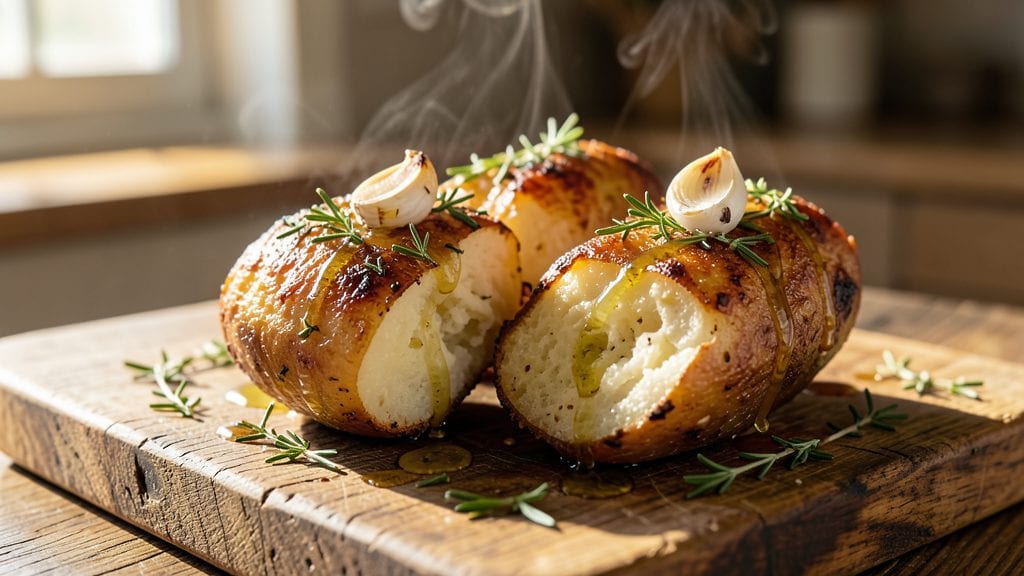
This herb-infused butterball potatoes recipe delivers restaurant-quality sides with minimal effort—crisp golden edges, tender interiors, and a bright vinegar-kissed finish that elevates any meal.
After years of perfecting roasted potatoes, I’ve found the secret lies in high heat, proper seasoning, and a vinegar splash that transforms ordinary spuds into something extraordinary. The aroma alone will have everyone asking what’s for dinner.
The process is straightforward but yields foolproof results: whole butterball potatoes tossed in olive oil, herbs, and vinegar, then roasted until perfectly crisp. No peeling, no fuss—just 30 minutes of hands-off cooking at 425°F, resulting in potatoes that are crisp on the outside and fluffy inside.
This method works with Yukon Golds or russets, but butterballs hold their shape beautifully while developing that signature crisp.
What makes this recipe stand out is the vinegar-kissed crisp—a technique I picked up from professional kitchens that adds a subtle tang and extra crunch. The herbs (rosemary, thyme, and garlic) infuse deeply during roasting, while the vinegar ensures the skins caramelize into a golden, crackling crust.
It’s the kind of side dish that turns a simple meal into something memorable.
Pair these potatoes with roasted meats, grilled fish, or even a hearty salad for a complete dinner. The recipe scales easily—double the batch for a crowd—and reheats perfectly, making it ideal for meal prep. Let’s get started on creating your best roasted potatoes yet.
Ingredients for butterball potatoes
Restaurant-quality roasted potatoes start with these eleven ingredients—simple but transformative.
| Ingredient | Amount | Notes |
|---|---|---|
| Butterball Potatoes 🥔 | 2 lb | Whole, unpeeled, uniform size |
| Extra-Virgin Olive Oil 🫒 | ¼ cup | Lightly flavored, high smoke point |
| Fresh Rosemary 🌿 | ½ oz | Finely chopped sprigs, organic preferred |
| Fresh Thyme 🌿 | ½ oz | Leaves only, stems removed |
| Garlic Cloves 🧄 | 4 cloves | Minced, fresh preferred |
| White Wine Vinegar 🍶 | 2 tbsp | Distilled, 5% acidity |
| Diamond Crystal Kosher Salt 🧂 | 1 ½ tsp | Coarse grain, 18% sodium |
| Freshly Ground Black Pepper 🌶️ | ½ tsp | Cracked peppercorns preferred |
| Unsalted Butter 🧈 | 2 tbsp | Cold, cubed, European-style |
| Granulated Garlic 🧄 | ½ tsp | For final seasoning |
| Fresh Parsley 🌿 | ¼ cup | Chopped, for garnish |
The butterball potatoes are the foundation, and Whole Foods or local farm markets offer the best quality—look for firm, blemish-free potatoes with vibrant skins. Fresh herbs are critical: organic rosemary and thyme from the grocery store's produce section (not the dried aisle) provide superior flavor. For the garlic, Costco's bulk cloves are cost-effective and consistently fresh. The vinegar should be distilled white wine vinegar—avoid balsamic or apple cider, as their sweetness overpowers the delicate potato flavor. Diamond Crystal kosher salt is preferred for its coarse texture, which adheres better to the potato skins during roasting. The unsalted butter should be European-style for higher fat content and better flavor infusion.
No fresh rosemary? Dried rosemary at half the amount works, but the flavor won't be as vibrant. Substitute thyme with dried oregano at one-third the quantity, though it lacks the same depth. Out of white wine vinegar? Apple cider vinegar is a suitable alternative, though it adds a slight sweetness. For the olive oil, avocado oil has a higher smoke point and similar flavor profile. If you're short on time, pre-minced garlic from the jar is acceptable, though fresh minced garlic provides a brighter flavor. The granulated garlic at the end is optional but adds an extra layer of flavor—skip it if you prefer a more subtle seasoning.
Store fresh herbs in the refrigerator, wrapped in damp paper towels, for up to 5 days. The roasted potatoes reheat beautifully—simply warm them in a 350°F oven for 10-15 minutes to restore crispiness. Leftovers keep in the fridge for 4-5 days, though they're best enjoyed fresh. For meal prep, roast an extra batch and store in airtight containers. The vinegar-kissed crisp diminishes slightly upon reheating, so consider adding a drizzle of olive oil before serving to revive the texture.
Why You'll Love This Recipe
- One-Pan Magic: I swear by this recipe when I’m too tired to scrub pots—just toss the whole potatoes in a sheet pan with olive oil, herbs, and garlic, then let the oven do the work. No peeling, no boiling, no stress.
- Herb Bomb Flavor: That combo of rosemary and thyme? It’s like a warm hug for your taste buds, especially when the garlic softens into golden bits. The crispy edges with that buttery center—honestly, it’s the kind of dish that makes you slow down and savor every bite.
- Leftovers That Don’t Suck: Between us, most roasted potato leftovers are sad and dry. Not these. They reheat like a dream—crispy again in the oven or straight from the fridge with a sprinkle of salt. I’ve fed these to book club, game night, and even my picky teenager’s lunchbox.
- Budget-Friendly Crowd-Pleaser: Butterball potatoes are cheap, and this recipe stretches them far. Add a protein, toss in some greens, and you’ve got a full meal for under $10. My college friends still ask for this recipe years later—proof it’s a winner.
Step-by-step instructions for herb-infused roast potatoes
Transform simple Butterball potatoes into restaurant-quality roasted potatoes with crispy exteriors and aromatic herb centers.
Prepare the Potatoes for Maximum Crispiness
Preheat your oven to 425°F with the rack positioned in the middle position. This high temperature is essential for developing that signature crispy exterior. While the oven heats, scrub the 2 lb Butterball Potatoes thoroughly under cold water to remove any dirt or debris. I like to use a vegetable brush for this step—it ensures even cleaning without damaging the skin.
Cut the potatoes into 1-inch chunks, ensuring they're uniform in size. This guarantees even cooking throughout. Place them in a large bowl and toss with the 0.25 cup extra-virgin olive oil until each piece is evenly coated. The oil will help create that golden-brown crust while keeping the interiors tender. At this stage, don't add any seasoning—we'll build the flavors in layers.
Create the Herb-Vinegar Marinade
In a small bowl, combine the 0.5 oz fresh rosemary and 0.5 oz fresh thyme leaves with the 4 cloves minced garlic and 2 tbsp white wine vinegar. The vinegar acts as both a tenderizer and flavor enhancer, while the fresh herbs will infuse the potatoes with their aromatic qualities. Let this mixture sit for 5 minutes to allow the garlic to soften slightly and release its oils.
Transfer the marinated herb mixture to the bowl with the oiled potatoes. Add the 1.5 tsp diamond crystal kosher salt and 0.5 tsp freshly ground black pepper, then toss everything together until the potatoes are completely coated. The salt will penetrate the potatoes during the roasting process, enhancing their natural flavor. Let them marinate for 10 minutes while the oven reaches temperature—this brief marinating ensures the seasoning adheres perfectly.
Roast Until Golden and Crisp
Spread the marinated potatoes in a single layer on two rimmed baking sheets, leaving about ½ inch of space between each piece. This spacing is crucial—it prevents steaming and allows for even browning. Roast in the preheated 425°F oven for 30 minutes, then carefully flip each potato piece using a metal spatula. You'll notice the undersides begin to brown during this first phase, but the tops remain pale.
After flipping, continue roasting for another 20-25 minutes until the potatoes are deep golden brown and crispy on all sides. The edges should look almost caramelized, and when you pierce one with a fork, it should slide in easily with minimal resistance. This indicates the perfect balance between crispy exterior and tender interior. If you're concerned about burning, rotate the pans halfway through the cooking time for even heat distribution.
Finish with Butter and Garnish
When the potatoes are perfectly roasted, remove them from the oven and transfer to a large bowl. Add the 2 tbsp cold cubed unsalted butter and toss gently to distribute the butter evenly over each potato. The butter will melt slightly from the residual heat, creating a glossy finish and adding richness. Sprinkle with the 0.5 tsp granulated garlic and toss again to incorporate.
Finally, garnish with the 0.25 cup fresh parsley, which adds a bright contrast to the earthy flavors. The parsley should be evenly distributed throughout the dish. Serve immediately while the potatoes are still crispy and hot. These herb-infused roasted potatoes make an excellent side dish for grilled meats, roasted chicken, or even as a standalone appetizer with a dip of your choice.
Pro Tips For Making Butterball Potatoes
- Poke the Potatoes: DESCRIPTION: Use a fork or skewer to stab each Butterball potato 4-5 times before roasting—this keeps them from exploding in the oven and lets the olive oil and herbs penetrate deeper. I learned this the hard way after watching a batch burst like a firework show (and making a mess of my sheet pan).
- Dry Them First: DESCRIPTION: Pat the potatoes thoroughly with a kitchen towel before adding oil—wet skin means uneven browning and steamed, sad potatoes. I used to skip this, and my crispy crust was always hit-or-miss. Take the extra 30 seconds, or deal with soggy edges.
- Roast in Batches: DESCRIPTION: Don’t overcrowd the pan—give each potato at least 1 inch of space so they crisp instead of steam. I used to jam them in like sardines, and they’d come out limp. A second pan or two rounds in the oven is worth the extra time.
- Sear the Garlic: DESCRIPTION: Smash the garlic cloves flat with the side of your knife before roasting—they’ll brown faster and infuse the potatoes with deeper flavor. I was skeptical until I tried it, and now I never go back. (Yes, even if you’re impatient like me.)
Pro cooking tips for great butterball potatoes
High Heat Secrets
The key to crispy butterball potatoes is 425°F—any lower, and you’ll end up with soggy edges. I use a wire cooling rack on a baking sheet to maximize airflow and prevent steaming. This trick ensures even browning without sacrificing tenderness inside. 🔥
Uniform Cutting Matters
Cutting potatoes into 1-inch chunks guarantees consistent doneness, but size isn’t the only factor. I always soak cut potatoes in cold water for 10 minutes before roasting to remove excess starch, which prevents gumminess. Drain and pat completely dry with a kitchen towel—moisture is the enemy of crispiness.
Vinegar-Kissed Crisp
The 2 tbsp white wine vinegar in the marinade isn’t just for flavor—it lowers the potato’s pH, helping the skins caramelize faster and develop a tangy, crackling crust.
For extra crisp, I add ½ tsp smoked paprika to the seasoning blend. The vinegar also tenderizes the potatoes slightly, ensuring they’re fluffy inside.
Double-Pan Roasting
Spread potatoes on two rimmed baking sheets to maximize surface area and prevent overcrowding. This allows direct heat exposure on both sides, creating that signature crisp. I rotate the pans halfway through cooking for even browning—especially important in ovens with hot spots.
Butter Finish Timing
Adding 2 tbsp cold cubed butter in the last step is non-negotiable. The residual heat melts it into a glossy finish, adding richness without steaming the potatoes.
Toss gently to avoid breaking the crispy edges. For extra flavor, I sometimes add ½ tsp garlic powder at this stage for a deeper savory note.
Reheating Like a Pro
To revive crispiness, reheat in a 400°F oven for 10-15 minutes with a drizzle of olive oil and a sprinkle of salt. Microwaving kills the texture—always opt for dry heat.
For meal prep, roast an extra batch and store in airtight containers with parchment paper between layers to maintain crispiness for up to 3 days. 💡
Nutrition facts
Frequently asked questions
Can I use whole butterball potatoes instead of cutting them?
Whole butterball potatoes roast beautifully with their skins on, creating a crispy exterior while keeping the inside tender. Just prick them with a fork first to allow steam to escape, then roast at 425°F for 45-50 minutes, flipping halfway. The vinegar-kissed marinade works perfectly on whole potatoes too—just brush it on before roasting.
Why do my roasted potatoes turn out soggy?
Soggy potatoes usually mean too much moisture or insufficient heat. Always pat cut potatoes completely dry before roasting, and use 425°F—lower temps create steam instead of crisp. Spread them in a single layer with space between pieces, and avoid overcrowding the pan. For extra insurance, roast on a wire rack over a baking sheet.
Can I make these potatoes ahead of time?
Yes! Roast them up to 24 hours ahead and store in an airtight container. To revive crispiness, reheat in a 400°F oven for 10-15 minutes with a drizzle of olive oil. For meal prep, roast an extra batch and keep them refrigerated—just add fresh parsley and a pat of butter when serving to refresh the flavors.
What herbs can I substitute if I don't have rosemary or thyme?
Fresh sage or oregano work beautifully—use ½ oz each for a similar earthy flavor. For a citrus twist, try ½ tsp dried marjoram or a pinch of crushed bay leaves. Just remember, fresh herbs always infuse better than dried. The key is balancing the flavors with the vinegar and garlic for that signature tangy-crisp profile.
How do I make these potatoes oil-free for a healthier version?
Swap the olive oil for 2 tbsp melted coconut oil or avocado oil, then toss the potatoes with 1 tbsp nutritional yeast for a cheesy flavor. Roast as directed, but expect slightly less crispiness—airflow is critical. For extra crunch, sprinkle with 1 tsp cornstarch before roasting. The vinegar and herbs will still deliver that bright, aromatic finish.