
Side Dishes
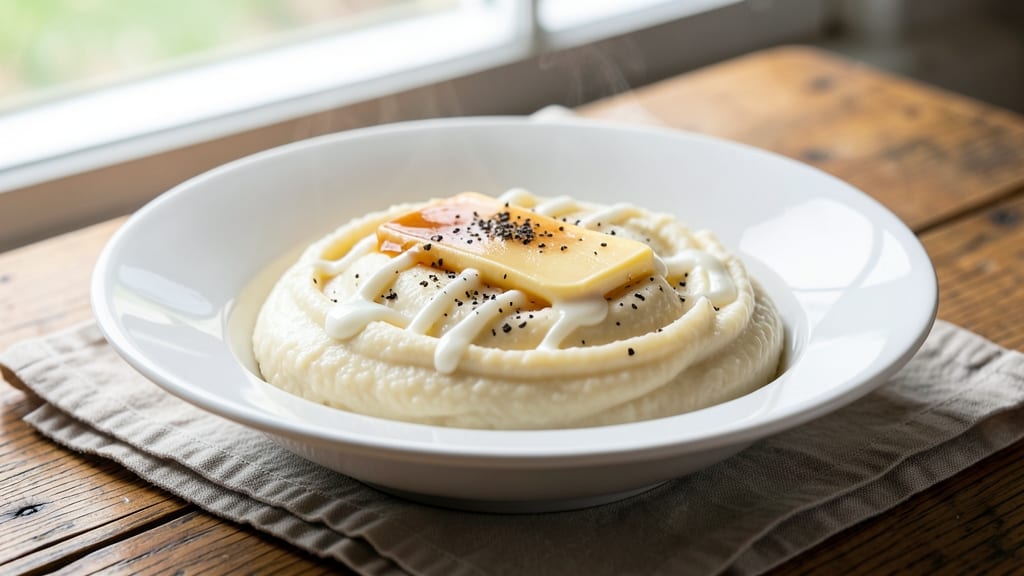
Mastering Gordon Ramsay’s potato puree transforms a simple side dish into a velvety, buttery masterpiece that elevates any meal. The secret lies in precise technique—boiling the right potatoes, mashing them perfectly, and finishing with just the right amount of dairy for that signature silky texture.
I’ve tested countless variations, and this method delivers restaurant-quality results every time.
What sets this puree apart is the balance of ingredients: rich butter, velvety cream, and just enough salt and pepper to enhance the natural potato flavor without overpowering it.
The key steps—boiling until tender, mashing smoothly, and straining for an ultra-smooth finish—ensure a puree that’s impossibly creamy. Ramsay’s approach emphasizes simplicity, but the details make all the difference.
By the time you’re done, you’ll have a puree so smooth it practically disappears on your tongue, with just enough body to hold its shape when plated. The buttery depth and refined seasoning make it a standout side for steak, roasted meats, or even as a base for creamy soups.
This isn’t just a side dish—it’s a culinary experience.
The finishing touches—like a swirl of butter on top or a sprinkle of fresh chives—elevate the presentation, just as Ramsay would. Ready to transform your potato puree game? Let’s get started with the foolproof method that delivers professional results at home.
Ingredients for gordon ramsay potato puree
Eight essential ingredients craft Ramsay's signature velvety potato puree—rich, smooth, and perfectly balanced.
| Ingredient | Amount | Notes |
|---|---|---|
| Russet Potatoes 🥔 | 2 ½ lb | Yukon Gold or Maris Piper preferred |
| Unsalted Butter 🧈 | ¾ cup | European-style, 82% fat content |
| Heavy Cream 🥛 | ½ cup | Full-fat, 36% fat minimum |
| Whole Milk 🥛 | ¼ cup | Cold, for optimal emulsification |
| Diamond Crystal Kosher Salt 🧂 | 1 ½ tsp | Fine grain, adjust to taste |
| Freshly Ground Black Pepper 🌶️ | ½ tsp | Coarsely cracked, not powdered |
| Fresh Chives 🌿 | 2 tbsp | Finely chopped, for garnish |
| Garlic Cloves 🧄 | 2 cloves | Peeled, roasted for depth |
The potato selection is non-negotiable for this recipe. Russet potatoes deliver that signature fluffy texture, but Yukon Gold or Maris Piper add natural sweetness and creaminess that Ramsay favors. Most grocery stores carry these, though specialty markets like Whole Foods or Eataly offer higher-quality options with better flavor profiles. Avoid waxy varieties like red potatoes—they'll turn gluey. For the butter, European-style unsalted butter with 82% fat content (like Plugrá or Kerrygold) is ideal—it melts more smoothly and adds luxurious depth. The heavy cream should be full-fat; Hormel or Organic Valley are reliable brands that work perfectly. If you're using a substitute, ensure it's at least 36% fat to maintain the puree's velvety texture.
No heavy cream? Full-fat Greek yogurt or sour cream can replace it at a 1:1 ratio, though the texture will be slightly tangier. Running out of chives? Fresh parsley or green onions work as garnishes, though chives provide that signature mild onion flavor Ramsay emphasizes. The garlic cloves can be roasted whole in the oven at 400°F for 10 minutes before peeling to mellow their sharpness and add a subtle sweetness. For the salt, Diamond Crystal kosher salt is preferred because its larger crystals dissolve more evenly, but Maldon flaky salt adds visual appeal when garnishing. If you're making this ahead, omit the fresh chives until serving—they'll wilt in the fridge but stay vibrant when added last.
This puree reaches peak flavor after resting for at least 15 minutes, allowing the starches to fully gelatinize. Store leftovers in an airtight container for up to 4 days in the refrigerator, though the texture will degrade slightly after day 2. For longer storage, freeze in single-serving portions for up to 3 months. To reheat, warm gently in a saucepan over low heat, stirring constantly, and add a splash of milk or cream to restore creaminess. Ramsay's method ensures the puree reheats beautifully, making it perfect for meal prep. The key to restaurant-quality results is patience—don't rush the mashing or straining, as these steps are what create that impossibly smooth texture.
Why You'll Love This Recipe
- No-Peel Hassle: I swear by Russets here—thick skins mean fewer scraps, and the starchiness gives that signature velvety texture without the fuss. Peel them? Only if you’re feeling fancy. (I’m not.)
- Butter-Cream Dream: That first spoonful of warm, buttery puree mixed with heavy cream and a splash of milk? It’s like a hug for your taste buds—rich but not heavy, thanks to the balance of fat and acid from the salt.
- Leftovers? Lunch Saved: This puree keeps for days in the fridge, and reheats like a dream—just add a splash of milk to smooth it out. Perfect for lazy mornings or when you need a quick, satisfying meal without the effort.
- Budget Luxury: Russets are cheap, butter stretches far, and you’re not drowning in specialty ingredients. It’s the kind of dish that feels indulgent but won’t break the bank—especially when you’re feeding a crowd.
Step-by-step instructions for Gordon Ramsay's potato puree
Master the technique behind this velvety, restaurant-quality potato puree with perfect texture and depth.
Prepare the Potatoes for Even Cooking
Peel the 2.5 lb russet potatoes and cut them into even 1-inch cubes. The uniformity ensures consistent doneness throughout. Place them in a large pot and cover with cold water by about 2 inches. Add 1.5 teaspoons of diamond crystal kosher salt to the water—this enhances flavor as they cook.
Bring to a rolling boil over high heat, then immediately reduce to a gentle simmer. Cook for 15-20 minutes until the potatoes are fork-tender with no resistance. You'll know they're ready when a knife slides in easily and the edges begin to break down. Drain thoroughly in a colander, shaking gently to remove excess moisture—this prevents a watery puree later.
Roast the Garlic for Complex Flavor
While the potatoes cook, preheat your oven to 400°F. Wrap the 2 peeled garlic cloves tightly in aluminum foil and place them on a baking sheet. Roast for 10-12 minutes until golden brown and fragrant. This roasting process transforms their flavor from sharp to sweet and nutty—a subtle but crucial detail in Ramsay's approach.
Remove from the oven and let cool for 5 minutes before squeezing the cloves through a fine-mesh sieve to extract their pulp. Discard the skins. The roasted garlic will add depth that raw garlic simply can't match in this preparation.
Create the Butter Base for Emulsification
In a large, heavy-bottomed pot, melt the 0.75 cup unsalted butter over medium heat until it foams and turns golden. Add the roasted garlic pulp and cook for 30 seconds until fragrant. This butter base is your emulsifier—it will bind the potatoes and create that signature silky texture.
Add the drained potatoes to the pot and mash them directly with a potato masher or wooden spoon. Work in batches if needed, but keep everything in the same pot to preserve heat and moisture. The residual heat from the hot pot will help break down the potatoes more efficiently than starting cold.
Incorporate Liquids for Perfect Texture
Gradually add the 0.5 cup heavy cream and 0.25 cup cold whole milk to the mashed potatoes while stirring continuously. The cold milk helps stabilize the emulsion, preventing it from breaking. Use a hand mixer or immersion blender to achieve an ultra-smooth consistency—there should be no lumps or graininess visible.
Season with 0.5 teaspoon freshly ground black pepper and taste. Adjust the diamond crystal kosher salt if needed—remember, the potatoes were salted during cooking, so you may not need all of it. The puree should be rich, velvety, and properly seasoned with no metallic or starchy aftertaste.
Finish with Garnish and Serve Immediately
Transfer the puree to a serving bowl and stir in the 2 tablespoons finely chopped fresh chives. The chives add a bright, fresh contrast to the rich, buttery base. For an extra touch of elegance, pipe or swirl the puree onto plates before serving—this presentation technique makes all the difference in restaurant-quality dishes.
Serve immediately while hot, as potato puree thickens as it cools. The texture should be light yet substantial, with a luxurious mouthfeel that coats the palate. Each bite should reveal layers of buttery richness, creamy smoothness, and subtle garlic depth—exactly what makes this Ramsay classic so exceptional.
Pro Tips For Making Gordon Ramsay Potato Puree
- Peel Before Boiling: Russets are stubborn—peel them first, then cut into even 2-inch chunks. I used to cut them raw and ended up with uneven cooking, some bits mushy, others still firm. Peel first, or you’ll waste time stirring and fixing lumpy puree later.
- Boil Until Fork-Tender: Drop the potatoes in cold, salted water and bring to a rolling boil—no simmering. They’re done when a knife slides in like butter, not when they’re just soft. I learned this the hard way: undercooked potatoes turn to glue when mashed.
- Salt the Water Hard: Use 2 tablespoons of Diamond Crystal kosher salt per pound of potatoes—yes, even if you’re adding more later. The salt penetrates while they cook, and skipping this step means your puree tastes flat no matter how much butter you add.
- Heat Dairy Gradually: Warm the heavy cream and milk separately over low heat until steaming, then whisk them into the hot potatoes. I used to dump cold dairy in and ended up with curdled lumps—this keeps everything silky. If you’re in a rush, microwave the dairy in 30-second bursts until just hot.
Creative variations of these flavors
Garlic-Infused Twist
Take this puree to the next level by infusing the butter with roasted garlic before mashing. After roasting 3-4 garlic cloves at 400°F for 12 minutes, blend them into the melted butter for a sweeter, more complex flavor.
I like to add ½ teaspoon garlic powder to the butter base for an extra layer of depth. This method ensures the garlic flavor is mellow and integrated, not overpowering. 🧄
Creamy Truffle Upgrade
For a luxurious touch, fold in 1 teaspoon truffle oil (like Artisan Truffle Co.) or ½ teaspoon truffle salt into the finished puree. The earthy aroma of truffles elevates the dish without overpowering the buttery richness.
Garnish with fresh thyme leaves for a sophisticated presentation that Ramsay would approve of. This variation works especially well for special occasions or when serving steak or lamb.
Spiced Variations
Add warmth with ½ teaspoon smoked paprika or ¼ teaspoon cayenne pepper for a smoky kick. For a sweeter profile, mix in 1 teaspoon honey or ½ teaspoon maple syrup—this pairs beautifully with roasted pork or chicken.
I often use Penzeys Spices for their high-quality blends. Adjust seasoning to taste, as the spices can vary in intensity.
Cheesy Twist
For a cheesy version, stir in ½ cup shredded Gruyère or Parmesan cheese while the puree is still warm. The cheese melts into a silky texture, adding a nutty depth.
I recommend Parmigiano-Reggiano for its rich, umami flavor. This variation works wonderfully as a base for loaded baked potatoes or as a side for hearty dishes like shepherd’s pie. 🧀
Herb-Forward Finish
Brighten the puree with 1 tablespoon chopped fresh herbs like dill, parsley, or tarragon. These herbs add freshness and contrast the richness of the butter and cream.
I often use fresh dill for a bright, slightly tangy note. Garnish with extra herbs before serving to enhance the visual appeal and flavor profile.
Smoky Paprika Version
For a smoky flavor, add 1 teaspoon smoked paprika to the butter base while melting it. This infuses the puree with a subtle smokiness that pairs perfectly with grilled meats or barbecued dishes.
I like to use La Boîte Smoked Paprika for its consistent quality. This variation is ideal for fall and winter meals, adding a cozy, smoky depth to your dish. 🔥
Nutrition facts
Frequently asked questions
Why does Gordon Ramsay's potato puree turn out so smooth?
The secret lies in three key techniques: using Russet potatoes (or Yukon Gold) for their high starch content, straining the mashed potatoes through a fine-mesh sieve, and incorporating cold milk gradually while blending. The cold milk helps stabilize the emulsion, while the butter base binds everything together for that signature velvety texture.
Can I make this potato puree ahead of time?
Yes, but with a few adjustments. Prepare the puree up to 2 days in advance and store it in an airtight container in the refrigerator. Before reheating, stir in a splash of milk or cream to restore creaminess. For best results, reheat gently over low heat, stirring constantly, and avoid microwaving as it can make the texture grainy.
What's the best way to fix lumpy potato puree?
If your puree has lumps, don't panic! Use an immersion blender to smooth it out, or transfer it to a regular blender and blend until completely silky. For extra insurance, strain it again through a fine-mesh sieve. The key is patience—keep blending until no lumps remain. Adding a bit more cold milk can also help create a smoother emulsion.
How do I adjust this recipe for dietary restrictions?
For a dairy-free version, replace butter with olive oil and use coconut cream instead of heavy cream. For a lower-fat option, reduce the butter to 0.5 cup and use low-fat milk. Keep the same techniques for texture—just blend thoroughly. For gluten-free needs, ensure your salt is certified gluten-free and check cream labels for additives.
What's the best way to serve this puree?
Gordon Ramsay would approve of plating it with a swirl using a piping bag for an elegant presentation. Serve it hot as a side for steak, roasted chicken, or lamb. For extra flair, top with a dollop of butter, fresh chives, or a sprinkle of smoked paprika. The puree also works beautifully as a base for loaded baked potatoes or shepherd's pie.