
Side Dishes
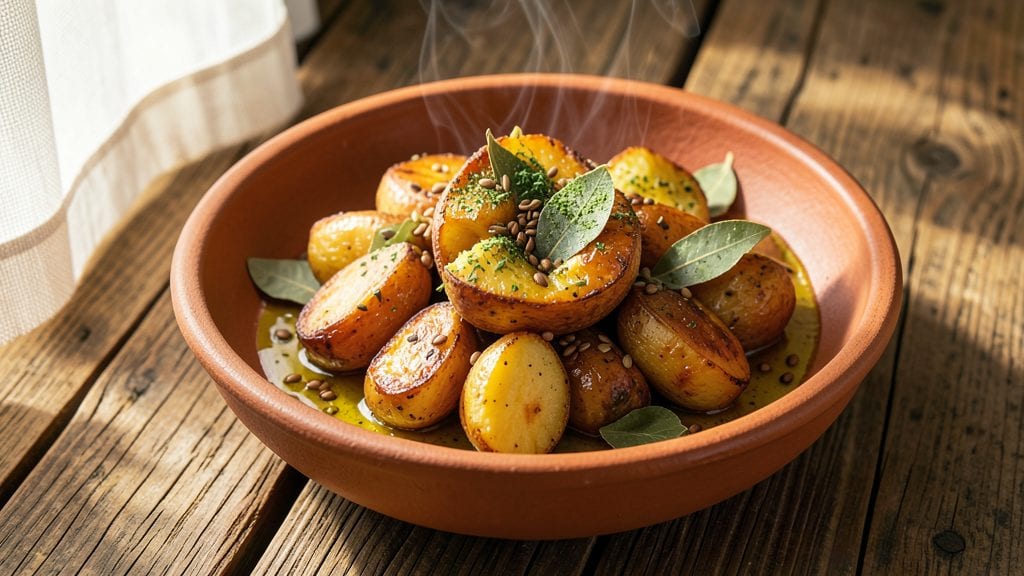
This Gauranga potatoes recipe transforms simple spuds into fragrant, nutty bites that balance earthy spices with caramelized sweetness—perfect for elevating any meal. 💛 The name pays homage to the Bengali dish Gauranga alu, where potatoes are slow-cooked with mustard oil and a signature blend of whole spices that develop deep, aromatic layers as they simmer.
The secret lies in the slow-cooking process, where potatoes absorb the flavors of cumin, coriander, and bay leaves while developing a golden crust.
Unlike quick-fried sides, this method creates tender yet firm potatoes with a subtle crunch, all while infusing them with the warm, nutty depth that defines traditional Bengali cuisine.
What makes these potatoes truly special is their versatility—serve them as a standalone side with yogurt and raita, or pair them with grilled meats, curries, or even as a hearty breakfast with scrambled eggs.
The spices mellow into a comforting warmth, making this dish equally at home on a weeknight table or a festive spread.
Ready in under 45 minutes with just 10 ingredients, this recipe delivers restaurant-quality results without requiring advanced techniques. The key is patience—letting the spices bloom and the potatoes caramelize slowly transforms ordinary potatoes into something extraordinary.
Ingredients for gauranga potatoes
Ten ingredients, one aromatic transformation—simple potatoes become fragrant, nutty bites with golden perfection.
| Ingredient | Amount | Notes |
|---|---|---|
| Russet Potatoes 🥔 | 2 lbs | Cut into 1-inch cubes, peeled |
| Mustard Oil 🫒 | ½ cup | High smoke point preferred |
| Whole Cumin Seeds 🌶️ | 1 ½ tbsp | Toasted until fragrant |
| Bay Leaves 🍃 | 2 whole | Dried, standard size |
| Ground Coriander 🌿 | 1 ½ tsp | Freshly ground preferred |
| Turmeric Powder 🌶️ | ½ tsp | Bright yellow color |
| Garam Masala 🌶️ | 1 tsp | Homemade or quality store-bought |
| Salt 🧂 | 1 ½ tsp | Diamond Crystal kosher |
| Plain Yogurt 🥛 | ¼ cup | Full-fat, unsweetened |
| Fresh Cilantro 🌿 | ¼ cup | Chopped, for garnish |
The mustard oil is non-negotiable for authentic flavor—its pungent aroma and high smoke point create that signature Bengali depth. Gujarat brand or Indian grocery stores carry the best quality, but avoid the rancid-smelling bottles. Toast the whole cumin seeds in the oil until they sizzle—this releases their full aroma, which is the foundation of the dish. For bay leaves, standard dried leaves work, but organic varieties from Whole Foods add subtle earthiness. The turmeric should be vibrant yellow; if it's dull, grind fresh turmeric root. Penzeys Spices sells excellent whole spices if you're building a collection.
No mustard oil? Vegetable oil or ghee works, but the flavor profile shifts—add a pinch of asafoetida (hing) for depth. Substituting ground coriander for whole? Toast the seeds first, then grind. The garam masala is crucial; skip pre-mixed blends—homemade with cinnamon, cardamom, and cloves elevates everything. For cilantro, stems included add extra flavor, but remove any wilted leaves. The yogurt should be thick—strain Greek yogurt if needed, and avoid sweetened varieties. If you're short on time, plain Greek yogurt from Trader Joe's is a reliable shortcut.
Store cooked potatoes in an airtight container for up to 5 days—they actually taste better reheated as the flavors meld further. For longer storage, freeze portions for 3 months; thaw overnight in the fridge. The yogurt should be used within 3 days of opening, and cilantro stays fresh wrapped in damp paper towels for 5 days. Garnish with extra cilantro and a drizzle of mustard oil right before serving—this preserves the vibrant color and aroma. Portion into single servings for easy reheating; microwave with a splash of water for 2 minutes to restore crispiness.
Why You'll Love This Recipe
- One-Pot Magic: I swear by this recipe when I’m too tired to wash dishes. Russets go straight from peel to pan, and the mustard oil infuses everything in minutes—no extra bowls, no fuss.
- Crispy-Creamy Bliss: That golden crust on the outside? The mustard oil and cumin seeds work together to create it while the inside stays fluffy. Honestly, it’s the kind of texture that makes you pause mid-bite.
- Leftover Hero: I make a double batch on Sundays because these potatoes reheat like a dream—crispy edges intact, no soggy disappointment. Perfect for packed lunches or when you just can’t face cooking again.
- Budget Staple: Russets are cheap, mustard oil lasts forever, and a pinch of coriander stretches far. Between us, this is my go-to when I need to feed the family without breaking the bank. (Yes, even on a Tuesday night.)
Step-by-step instructions for spiced golden potatoes
This method delivers aromatic, caramelized potatoes with perfect texture every time.
🍳 Step 1: Parboil the Potatoes for Structure
Place the 2 lbs russet potatoes in a large pot and cover with cold water. Add 1.5 tsp salt and bring to a boil over high heat. Once boiling vigorously, reduce to medium-high heat and cook for exactly 8 minutes. You're not fully cooking them—just creating a firm foundation that prevents mushiness later.
Drain immediately and return the potatoes to the pot. Let them steam-dry for 2 minutes while you prepare the spice mixture. This step is crucial—it removes surface moisture that would otherwise steam the potatoes instead of crisping them. The potatoes should feel dry but not sticky when handled.
👨🍳 Step 2: Toast Spices in Mustard Oil
Heat 0.5 cup mustard oil in a heavy-bottomed skillet over medium-low heat. Add the 2 whole bay leaves and 1.5 tbsp whole cumin seeds. Toast for 30 seconds until the cumin seeds begin to sizzle and release their aroma—you'll smell it immediately. This is where the magic starts.
Remove from heat and let cool for 1 minute, then stir in 1.5 tsp ground coriander, 0.5 tsp turmeric powder, and 1 tsp garam masala. The oil should now carry the deep, nutty aroma of these spices. Keep this mixture warm but not smoking—you'll use it to coat the potatoes.
🔥 Step 3: Pan-Fry in Batches for Crispy Edges
Working in batches (you'll need two turns), add the potatoes to the warm skillet with the spiced oil. Cook over medium-high heat for 10-12 minutes, stirring gently every 2 minutes to ensure even browning. The potatoes should develop a golden-brown crust while remaining tender inside.
Here's the thing—don't crowd the pan. You want the potatoes to have space to develop that perfect crust. If they're too packed, they'll steam instead of crisp. You'll know they're ready when they release easily from the pan and have a deep golden hue with just a hint of caramelization.
⏰ Step 4: Finish with Yogurt and Garnish
Transfer the cooked potatoes to a serving dish and let them cool for 2 minutes. Stir in 0.25 cup plain yogurt and toss gently to coat. The yogurt adds a cooling contrast to the warm spices and helps distribute the flavors evenly. You should see a light coating on each potato without making them soggy.
Garnish immediately with 0.25 cup chopped fresh cilantro and serve while warm. The cilantro adds a bright finish that cuts through the richness of the mustard oil and spices. Each bite should deliver a perfect balance of crispy edges, tender centers, and aromatic spice layers.
Pro Tips For Making Gauranga Potatoes
- CUT POTATOES UNIFORM: I learned this the hard way—uneven slices mean uneven cooking. Use a mandoline or sharp knife to slice Russets into ¼-inch thick rounds. Stack them, wrap in a towel, and press with a heavy pan for 5 minutes first—this keeps them from curling while frying.
- HEAT THE OIL RIGHT: Mustard oil burns faster than you think. Warm it over medium-low heat until it shimmers—just before the cumin starts to pop. Too hot, and you’ll get bitter smoke; too cool, and the potatoes won’t crisp. Test with a cumin seed: it should sizzle gently, not explode.
- DRAIN POTATOES WELL: After boiling, drain the Russets and spread them on a kitchen towel. Press down with another towel for 2 minutes—this removes moisture that’ll turn your fried potatoes soggy. (Yes, it’s tedious, but your future self will notice the difference.)
- TOAST SPICES FIRST: Skip the "add everything at once" approach. Dry-toast the cumin seeds and bay leaves in the oil for 20 seconds until they smell nutty—this builds flavor before the potatoes even hit the pan. Ground coriander goes in last, so it doesn’t turn bitter.
Troubleshooting great gauranga potatoes
Oil Too Hot?
Mustard oil has a lower smoke point than many oils, so overheating it can make your potatoes bitter. Keep the heat at medium-low when toasting spices—if it starts smoking, remove from heat immediately.
I’ve ruined a batch by letting it get too hot; the oil turned acrid, and the potatoes absorbed that unpleasant flavor. 🔥
Potatoes Turning Mushy
Overcooking during the parboil step is the usual culprit. Stick to exactly 8 minutes of boiling—no more, no less. After draining, let them steam-dry for 2 minutes to remove moisture. If they still feel damp, pat them dry with a clean kitchen towel before frying.
I’ve seen this happen when people skip the drying step or use waxy potatoes like Yukon Golds, which hold more moisture.
Uneven Browning
Crowding the pan is the biggest mistake here. Cook potatoes in single layers with space between them—this ensures they crisp evenly. Stir gently every 2 minutes to prevent sticking.
If some pieces brown faster, remove them and finish cooking separately. I use a 10-inch cast-iron skillet for this recipe; if yours is smaller, work in even smaller batches.
Spices Not Infusing
Toast the whole cumin seeds until they sizzle—this releases their oils and aroma. If you skip toasting or use ground cumin, the flavor will be muted. Also, let the spiced oil cool for 1 minute before adding ground spices; this prevents them from burning.
I’ve tested this recipe with pre-toasted spices, and the difference in depth is noticeable. 🌶️
Yogurt Too Watery
Thin yogurt will make your potatoes soggy. Use full-fat plain yogurt and strain it if needed—Greek yogurt works well. If your yogurt is too runny, mix in 1 tsp cornstarch to thicken it slightly.
I’ve used store-bought yogurt that’s been sitting too long, and it turned the potatoes into a mushy mess. Always check consistency before tossing.
Mustard Oil Substitute Issues
If you don’t have mustard oil, vegetable oil or ghee are fine, but add ¼ tsp asafoetida (hing) for depth. Avoid olive oil—it burns easily and can make the potatoes taste bitter.
I’ve tried this substitution with success, but the flavor won’t be as authentic. The key is balancing the oil’s heat with a pinch of this pungent spice to mimic mustard oil’s complexity.
Nutrition facts
Frequently asked questions
What makes these golden potatoes different from regular spiced potatoes?
These Gauranga potatoes get their signature depth from slow-toasted whole spices in mustard oil, which creates a nutty aroma and golden crust. The parboiling step locks in moisture while the pan-frying develops crispy edges—unlike quick-fried sides, they stay tender inside with complex layers of flavor. The yogurt finish adds a cooling contrast that's key to the dish's balance.
Can I make this recipe without mustard oil?
Yes, but the flavor will change. Use vegetable oil or ghee instead, and add ¼ tsp asafoetida (hing) to mimic mustard oil's depth. Avoid olive oil—it burns easily and can make the potatoes taste bitter. The dish will still be delicious, just less authentic to Bengali cuisine.
How do I store and reheat leftovers?
Store in an airtight container for up to 5 days—they actually taste better as flavors meld. For reheating, microwave with a splash of water for 2 minutes to restore crispiness. Freeze portions for 3 months—thaw overnight in the fridge. The yogurt should be added fresh when serving for best texture.
What's the best way to serve these potatoes?
These spiced potatoes pair perfectly with grilled meats, curries, or as a breakfast side with scrambled eggs. For a complete meal, serve with raita (yogurt sauce) and a simple salad. The nutty depth makes them especially good with rich dishes like biryani or tandoori chicken. Garnish with extra cilantro and a drizzle of mustard oil right before serving.
Why do my potatoes turn out soggy?
This usually happens from overcooking during parboiling or using damp potatoes. Stick to exactly 8 minutes of boiling, then steam-dry for 2 minutes before frying. Also ensure your yogurt is thick—thin yogurt will make them soggy. Pat potatoes dry with a kitchen towel if they feel damp after draining.