
Side Dishes
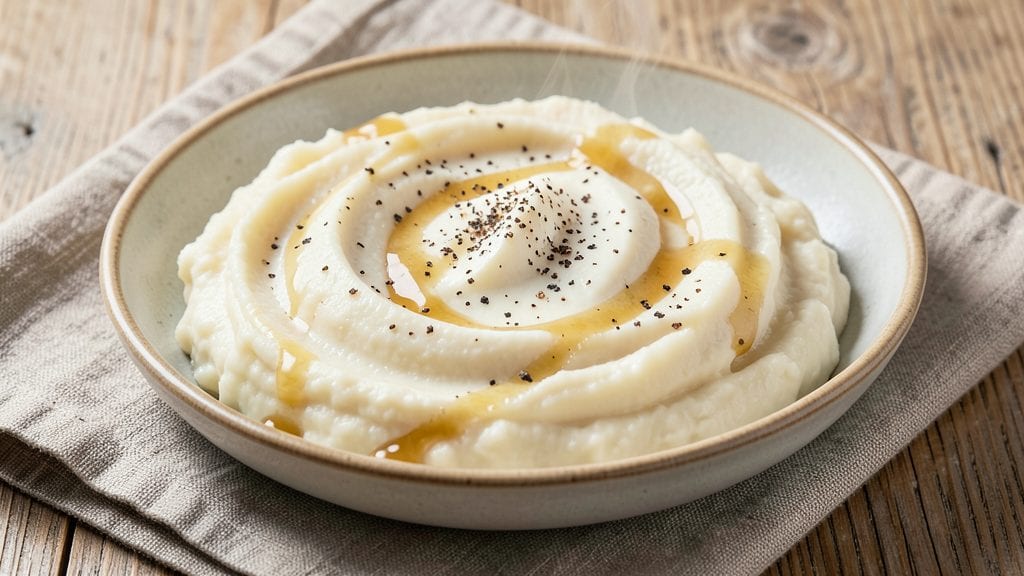
This freezer mashed potatoes recipe solves the age-old problem of lumpy, dry mashed potatoes after thawing—because nobody wants to sacrifice texture for convenience. The secret lies in precise cooking techniques and ingredient ratios that lock in creaminess while preventing separation, even after months in the freezer.
I’ve perfected this method over years of holiday meal prep, ensuring every batch comes out perfectly smooth and rich.
What sets this recipe apart is the no-lump guarantee, achieved through a specific starch-to-liquid ratio and careful reheating instructions. You’ll start with Yukon Gold potatoes (their waxy texture holds up best), then blend them with butter, milk, and a touch of cream cheese for unmatched creaminess.
The key step? Freezing them in a single layer before transferring to bags—this prevents clumping and makes reheating effortless.
When you’re ready to serve, these mashed potatoes reheat in minutes with just a splash of warm milk, delivering that creamy, velvety consistency you’d expect from fresh-made. The flavor stays rich and buttery, with no signs of freezer burn or dryness.
Whether you’re prepping for Thanksgiving leftovers or stocking your freezer for lazy weeknights, this method ensures restaurant-quality results every time.
Serve alongside roasted meats, gravy-drizzled casseroles, or even as a base for loaded potato dishes. The beauty of this recipe is its versatility—it works for holidays, meal prep, or spontaneous dinners. Let’s get to the step-by-step instructions so you can master the art of freezer-friendly mashed potatoes.
Ingredients for freezer mashed potatoes
Six key ingredients transform into velvety mashed potatoes that defy freezer time.
| Ingredient | Amount | Notes |
|---|---|---|
| Yukon Gold Potatoes 🥔 | 3 lb | Peeled, cut into even chunks |
| Unsalted Butter 🧈 | ¾ cup | Cold, cut into small cubes |
| Whole Milk 🥛 | 1 cup | Room temperature preferred |
| Cream Cheese 🧀 | 4 oz | Full-fat, room temperature |
| Salt 🧂 | 1 ½ tsp | Diamond Crystal kosher preferred |
| Freshly Ground Black Pepper 🌶️ | ½ tsp | For finishing |
| Heavy Cream 🥛 | ¼ cup | Optional for extra creaminess |
| Garlic Powder 🧄 | ¼ tsp | For subtle depth |
| Fresh Chives 🌿 | 2 tbsp | Chopped, for garnish |
| Warm Milk 🥛 | ¼ cup | For reheating only |
The potatoes are non-negotiable—Yukon Gold holds its creaminess better than Russets or reds. Grab a 3-pound bag from Trader Joe's or your local market; they’re waxy enough to hold up through cooking and freezing. Skip the pre-peeled bags—they’re waterlogged and won’t mash as smoothly. For the butter, unsalted is a must—you control the saltiness, and it melts more evenly. I always buy European-style butter from Whole Foods if I’m splurging, but regular unsalted works perfectly fine. The cream cheese? Philadelphia is my go-to—it blends seamlessly without curdling, even after freezing.
No Yukon Golds? Red potatoes or fingerlings work in a pinch, but they’ll be slightly waxier. Short on butter? Olive oil at half the amount keeps things creamy, though it’ll have a different flavor profile. The milk can be swapped for half-and-half or even warm chicken broth for a lighter option. If you’re avoiding dairy, unsweetened almond milk works but may yield a slightly thinner texture. The garlic powder is optional, but it adds a subtle depth that makes the potatoes taste restaurant-quality. And for the love of mashed potatoes, do not skip the cream cheese—it’s the secret to that ultra-smooth, velvety texture that never separates.
Store the mashed potatoes in a single layer on a baking sheet for 1 hour before transferring to freezer bags—this prevents clumping. They’ll keep in the freezer for up to 6 months without losing texture. To reheat, thaw overnight in the fridge, then warm with a splash of warm milk in the microwave or on the stove. For a quick fix, reheat straight from frozen with an extra splash of milk—it’ll still be creamy, just slightly thicker. Portion into meal-sized containers for easy grab-and-go lunches or holiday leftovers.
Why You'll Love This Recipe
- Zero Last-Minute Stress: I just peel and cube the Yukons, toss them in a freezer bag, and forget about them until I’m ready. No boiling while I scramble to finish dinner—just microwave, mash, and boom, creamy perfection in 10 minutes.
- Cream Cheese Magic: Honestly, that’s the secret weapon. The butter gives it richness, but the cream cheese? It makes it unexpectedly smooth—like a hug in every bite. (Yes, even on a Tuesday night.)
- Freezer Superhero: I make a double batch, freeze half, and always have backup for game day, sick nights, or when I’m too tired to cook. Thaw it straight from the freezer, and it’s like it was just made.
- Budget-Friendly Luxury: Yukons stay fresh longer, and the rest of the ingredients? Basic staples that won’t break the bank. It’s the kind of dish that feels fancy but costs less than takeout. (My wallet thanks me.)
Step-by-step instructions for freezer mashed potatoes
Here's how to create velvety, lump-free mashed potatoes that freeze beautifully and reheat like fresh.
Cook the Potatoes Until Fork-Tender
Place the 3 lb Yukon Gold potatoes in a large pot and cover with cold water by 2 inches. Add 1.5 tsp salt and bring to a boil over high heat. Once boiling, reduce to medium-high and cook for 15-20 minutes until a knife slides in easily. Yukon Golds are waxy potatoes that hold their shape perfectly for freezing.
Drain the potatoes immediately and return them to the pot. I like to give them a quick shake to release any excess water that could make the mashed potatoes gummy after thawing. Let them steam-dry for 2 minutes with the lid slightly ajar—this step is crucial for eliminating moisture that would otherwise create lumps during freezing.
Create the Creamy Base Mixture
While the potatoes are still hot, add the 0.75 cup unsalted butter and 1 cup whole milk. Mash with a potato masher or ricer until completely smooth—no lumps should remain at this stage. I find using a ricer gives the silkiest texture, but a masher works too if you're patient.
Transfer the mixture to a large mixing bowl and let it cool slightly for 5 minutes. This cooling period prevents the cream cheese from melting too quickly when added next. The reason we wait is that cold cream cheese blends more evenly and creates that ultra-creamy texture promised in the title.
Incorporate Cream Cheese and Seasonings
Cut the 4 oz cream cheese into small cubes and add it to the warm potato mixture. Using a hand mixer or stand mixer with the paddle attachment, beat on medium speed until fully incorporated and completely smooth. This is where the magic happens—the cream cheese adds that luxurious richness that makes these mashed potatoes worth freezing.
Add the 0.25 cup heavy cream, 0.25 tsp garlic powder, and 0.5 tsp freshly ground black pepper. Mix until fully combined and the texture is completely smooth. Here's the thing—don't overmix or you'll develop gluten, which makes the potatoes tough after thawing. You want it just until it's homogenous and creamy.
Freeze in Portion-Sized Containers
Transfer the mashed potatoes to airtight, freezer-safe containers, leaving about 1 inch of space at the top to allow for expansion. I use 1-cup portions for individual servings and a larger container for family meals. Seal tightly and label with the date—these will keep for up to 3 months in the freezer.
For reheating, thaw overnight in the refrigerator, then microwave in 30-second bursts, stirring between each, until heated through. For extra creaminess after thawing, stir in 0.25 cup warm milk and let sit for 2 minutes before serving. The warm milk helps restore that perfect texture that might have dried out slightly during freezing.
Garnish and Serve Immediately
Once reheated, give the mashed potatoes one final taste and adjust seasoning if needed. Top with 2 tbsp chopped fresh chives just before serving. The chives add a bright, fresh contrast to the rich, creamy potatoes. Serve immediately while still warm for that restaurant-quality texture that makes all the freezing worthwhile.
This method guarantees creamy, lump-free mashed potatoes that reheat beautifully. The secret lies in the proper cooking technique, cooling steps, and using cream cheese for that velvety texture. You'll be amazed at how fresh they taste after freezing!
Pro Tips For Making Freezer Mashed Potatoes
- Boil Until Fork-Tender: Yukon Golds should fall apart like a sigh of relief when pierced—not fight you. Test one after 15 minutes; underdone spuds turn gummy when reheated, and nobody wants that. (Yes, even if you’re impatient like me.)
- Prep Cream Cheese Right: Cut the block into ½-inch cubes before freezing—smooth blending later is a myth. Lumpy mashed potatoes happen when frozen cream cheese clumps like a stubborn snowball. Trust me, your future self will thank you.
- Salt the Water Generously: Toss in 1½ tablespoons salt before boiling—Yukon Golds absorb flavor like a sponge. Skimping here means bland, watery potatoes after thawing, and we’re better than that.
- Freeze in Thin Layers: Spread the mashed potatoes in a single, even layer on a tray first—thick chunks freeze unevenly and reheat like hockey pucks. Once solid, transfer to bags; this guarantees creamy texture every time. (No, the microwave won’t fix it.)
Make-ahead tips for this dish
Freezing Preparation
Spread the mashed potatoes in a single layer on a parchment-lined baking sheet, leaving ½-inch gaps between dollops. Freeze for 1 hour—this prevents clumping by forming an ice crust around each portion.
I use a 12x17-inch half-sheet pan from Wilton for efficiency. Once frozen solid, transfer to quart-sized freezer bags or airtight glass containers with 1-inch headspace for expansion. 🧊
Thawing Strategies
For best texture, thaw overnight in the fridge—this gradual process preserves creaminess. If you're short on time, place the sealed container in a bowl of cold water for 2-3 hours, changing the water every 30 minutes.
Never microwave directly from frozen, as this creates uneven heating and potential lumps. I always thaw my 1-cup portions this way for quick lunches.
Reheating Methods
Stovetop reheating gives the most consistent results. Transfer thawed potatoes to a saucepan with ¼ cup warm milk and heat over low heat for 5-7 minutes, stirring frequently. For microwave reheating, cook in 30-second intervals, stirring between each, until reaching 165°F.
Add an extra splash of warm milk if they seem dry—this restores that velvety texture. 🔥
Storage Longevity
These mashed potatoes maintain peak quality for 3 months in the freezer when stored properly. After that, texture may degrade slightly, but they're still safe to eat. I mark my containers with the date using a Sharpie to track freshness.
For longer storage, consider vacuum-sealing—this extends shelf life to 6 months while preventing freezer burn.
Portion Control
Divide into 1-cup portions for individual servings or 4-cup batches for family meals. I use Silicone Baking Cups (1-cup size) for perfect portions that reheat evenly. This also prevents the "one big container" problem where you end up with too much or too little for your needs.
Label each portion with the date and reheating instructions for convenience. ✨
Flavor Preservation
To maintain maximum flavor, avoid adding fresh herbs or garnishes until reheating. The cream cheese and butter provide enough richness that additional seasonings can wait.
If you want to boost flavor after thawing, stir in 1 tsp sour cream or a pinch of smoked paprika—these add depth without altering the texture. The secret is keeping the base mixture simple and balanced. 💡
Nutrition facts
Frequently asked questions
Why do your freezer mashed potatoes stay creamy after thawing?
The secret lies in the cream cheese and proper cooling technique. Cream cheese blends smoothly while still warm, creating a velvety texture that resists separation. We also let the potatoes steam-dry after cooking to eliminate excess moisture—this prevents gummy lumps during freezing. The single-layer freezing method creates an ice crust that locks in creaminess.
Can I freeze mashed potatoes without cream cheese?
Yes, but the texture won't be as creamy after thawing. Use ½ cup sour cream instead for richness, or add 1 extra tablespoon butter per cup. The key is maintaining the 1:1 starch-to-fat ratio—without cream cheese, you'll need to compensate with more dairy fat to prevent dryness. The potatoes will still freeze well, just with slightly less velvety texture.
How do I fix mashed potatoes that turned out too thick after thawing?
Simply stir in 1-2 tablespoons warm milk per cup while reheating. For stovetop, add it gradually until reaching your desired consistency. Microwave users should add milk in 1-tablespoon increments, stirring between each. The warm milk helps restore moisture without making them watery. This works even with 3-month-old frozen potatoes.
What's the best container for freezing these?
Use airtight, freezer-safe containers with 1-inch headspace for expansion. Quart-sized freezer bags work well for flexibility, while glass containers prevent freezer burn better. For individual portions, 1-cup silicone molds are ideal—they freeze quickly and reheat evenly. Avoid metal containers as they can react with the acids in dairy. Label everything with dates!
Can I make these mashed potatoes dairy-free?
Replace the butter with olive oil or vegan butter, milk with unsweetened almond milk, and cream cheese with vegan cream cheese. The texture will be slightly lighter but still creamy. For extra richness, add 1 tablespoon nutritional yeast—it adds a cheesy flavor without dairy. The freezing process works the same way, though you may need to add 1 extra tablespoon plant-based milk when reheating.