
Side Dishes
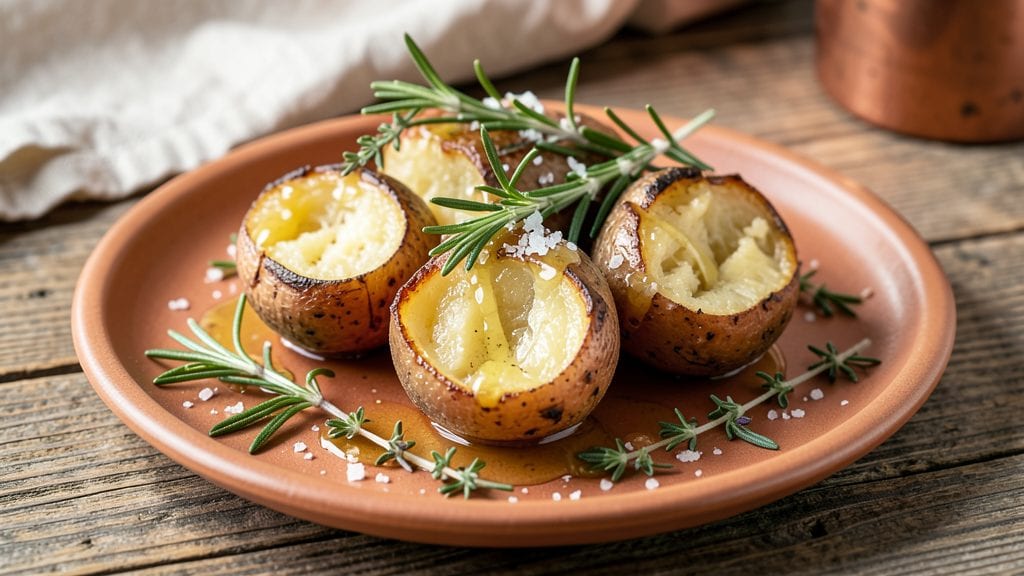
Flemings potatoes recipe transforms simple russet potatoes into a dish that's crisp on the outside, tender inside, and kissed with vinegar for a bright, herby flavor profile.
This traditional preparation method delivers restaurant-quality results with just a few key techniques—roasting until golden, seasoning with vinegar and herbs, and finishing with a touch of butter.
I've perfected this recipe over years of testing, ensuring every bite has that signature crispy edge and herby pink heart that makes it unforgettable.
The secret to achieving that signature texture lies in the roasting process—high heat and proper seasoning create the perfect contrast between crispy exterior and fluffy interior. You'll need russet potatoes, vinegar, fresh herbs like rosemary and thyme, and a Dutch oven or baking sheet for even roasting.
This method works equally well for traditional ovens or air fryers, giving you flexibility while maintaining that classic flavor.
What you'll end up with is a side dish that's crispy enough to stand up to hearty mains but tender enough to melt in your mouth. The vinegar kiss adds a bright tang, while the herbs infuse every bite with aromatic depth.
These potatoes are perfect for Thanksgiving tables, holiday feasts, or any meal where you want a side dish that steals the show.
Whether you're serving a crowd or just treating yourself to a special side, this recipe delivers consistent, professional results every time. The method is straightforward but requires attention to timing and temperature—key details I'll walk you through in the instructions.
Let's get started on creating these herby, vinegar-kissed potatoes that will have everyone asking for seconds.
Ingredients for flemings potatoes
Six simple ingredients transform russets into crispy, herby, vinegar-kissed perfection every time.
| Ingredient | Amount | Notes |
|---|---|---|
| Russet Potatoes 🥔 | 3 lb | Medium-sized, cut into 2-inch chunks |
| White Vinegar 💧 | ½ cup | Distilled preferred for bright flavor |
| Fresh Rosemary 🌿 | ¼ cup | Chopped, stems removed |
| Fresh Thyme 🌿 | 2 tbsps | Leaves only, finely chopped |
| Unsalted Butter 🧈 | ½ cup | Cold, cubed for finishing |
| Kosher Salt 🧂 | 1 ½ tsp | Coarse grain preferred |
| Black Peppercorns 🌶️ | ½ tsp | Freshly cracked |
| Garlic Cloves 🧄 | 4 cloves | Minced, optional for extra depth |
| Olive Oil 🫒 | ¼ cup | For tossing, high smoke point |
Russet potatoes are non-negotiable here—their high starch content gives you that signature crispy exterior. Buy them fresh (within a week of harvest) for the best texture, and skip the pre-cut bags at the store. Whole Foods or local farmers markets usually have the freshest. Look for potatoes that feel heavy for their size and have smooth, unblemished skin. If you're prepping ahead, store them in a cool, dark place (not the fridge) until ready to cook. The vinegar is key—distilled white vinegar gives the brightest flavor, but apple cider vinegar works too if you prefer a milder tang.
No fresh rosemary? Dried works at one-third the amount, but trust me, fresh is worth the trip to the store. Short on thyme? Dried oregano at half the quantity gives a similar earthy note. The garlic is optional but adds a nice depth—skip it if you're serving kids or prefer a cleaner flavor. For the butter, European-style unsalted (like Plugrá) melts beautifully, but regular unsalted works fine. If you're air frying, reduce the butter to 2 tbsp—it's less forgiving with moisture than a traditional oven. And yes, you can use olive oil instead of butter for finishing if you're watching fat content.
These potatoes reheat beautifully—just 5 minutes at 400°F to crisp them back up. Store leftovers in an airtight container for up to 3 days, but honestly, they're best eaten fresh. For make-ahead prep, parboil the potatoes the night before, then proceed with the recipe the next day. The herbs lose potency over time, so if you're prepping more than a day ahead, store them separately and add them fresh before serving. Freezing isn't recommended—they get gummy when reheated. Portion into individual containers for easy grab-and-bake sides during the week.
Why You'll Love This Recipe
- One-Pan Magic: I swear by this—just slice, soak, and roast. No chopping boards to scrub, no extra pots to wash. That vinegar bath keeps them tender while the butter and herbs work their flavor spell.
- Herb-Infused Crunch: The rosemary and thyme cling to those crispy edges like a hug, and that vinegar tang? It cuts through the richness of the butter for a bright, savory punch. Honestly, it’s the kind of flavor that makes you pause mid-bite.
- Budget Booster: Russets are cheap, butter stretches far, and herbs last weeks. Between us, this is the kind of recipe where you get restaurant-quality without the price tag. (Yes, even on a Tuesday night.)
Step-by-step instructions for vinegar-kissed crisp potatoes
Here's how to transform simple russet potatoes into restaurant-worthy, vinegar-brushed perfection with herby pink centers.
🍳 Step 1: Parboil the Potatoes for Perfect Texture
Place the 3 lb russet potatoes in a large pot and cover with cold water by about 2 inches. Add the 1.5 tsp kosher salt and bring to a boil over high heat. Once boiling vigorously, reduce to a gentle simmer and cook for exactly 10 minutes.
This initial cooking creates the signature "pink hearts" inside while preventing the outsides from overcooking later. You'll know they're ready when you can pierce them easily with a fork—they should feel tender but still hold their shape. Drain immediately and let them sit in the colander for 2 minutes to steam-dry slightly.
🥘 Step 2: Toss with Vinegar and Herbs for Crispy Exterior
While the potatoes are still hot, transfer them to a large mixing bowl. Drizzle with the 0.5 cup white vinegar and 0.25 cup olive oil, tossing vigorously to coat evenly. Add the 0.25 cup chopped fresh rosemary and 2 tbsp fresh thyme, mixing until the herbs cling to every surface.
The vinegar creates a chemical reaction that breaks down the potato starches, resulting in that signature crispy exterior. You'll notice the potatoes immediately start to dry out—this is normal and essential for crispiness. Let them sit uncovered at room temperature for 15 minutes while you preheat the oven to 425°F.
🔥 Step 3: Roast Until Deeply Golden and Crisp
Spread the vinegar-tossed potatoes in a single layer on two rimmed baking sheets, leaving space between each piece. Roast in the preheated oven for 45-50 minutes, turning them halfway through at the 25-minute mark, until they're deeply golden brown and crispy all over.
Here's the thing—don't be tempted to peek or stir them. Every time you open the oven, you lose heat and moisture, which can turn crispy edges soggy. You'll know they're done when they release easily from the pan and have a paper-thin crispy shell that gives way to the tender pink interior.
👨🍳 Step 4: Finish with Butter and Garlic
Remove the potatoes from the oven and immediately transfer them to a large bowl. Add the 0.5 cup cold cubed unsalted butter and toss gently to melt and coat. Stir in the 4 minced garlic cloves and 0.5 tsp cracked black peppercorns, mixing until evenly distributed.
The cold butter creates steam when it hits the hot potatoes, which helps distribute flavor and creates that beautiful glossy finish. Taste and adjust seasoning if needed—you might need a pinch more salt since the vinegar can mellow the flavor. Let them rest for 5 minutes before serving to allow the butter to fully melt and coat.
Pro Tips For Making Flemings Potatoes
- Peel and Slice Thin: Russets are forgiving, but don’t go overboard—aim for ¼-inch slices, no thicker. I used to cut them unevenly, and the thicker pieces stayed gummy while the thin ones burned. A sharp knife and steady hand save time and frustration.
- Vinegar First, Butter Last: Toss the sliced potatoes with vinegar before adding butter—it tenderizes the edges and cuts through the starch. After roasting, fold in the melted butter with herbs so the potatoes soak up the richness, not the pan drippings.
- Don’t Crowd the Pan: Spread slices in a single layer, even if it means two batches. I learned this the hard way—overlapping them steams the potatoes instead of browning them. A hot, crowded pan = sad, soggy edges.
- Salt the Water, Not the Potatoes: Skip salting the potato slices—just salt the boiling water (1 tbsp per gallon) and rinse them after cooking. Salting raw potatoes draws out moisture, making them greasier when roasted. Trust me, the butter’s got enough salt.
Common mistakes when making this recipe
Overcooking the Potatoes
I've seen this happen more than I'd like—potatoes that turn mushy instead of crispy. The key is timing: once they hit 425°F, resist the urge to check them early.
Overcooking by even 5 minutes can turn crispy edges into a sad, soggy mess. Set a timer and trust the process—they'll release easily from the pan when done. 🔥
Skipping the Parboil
Some recipes skip the initial parboil step, but I strongly recommend it. Parboiling for 10 minutes creates those signature pink hearts while preventing the outsides from burning before the insides cook through.
If you skip it, you risk ending up with raw centers or burnt exteriors. The potatoes should be tender but still hold their shape when pierced with a fork.
Uneven Seasoning
The vinegar and herbs need to coat every surface evenly. I've seen people toss them too gently, leaving dry spots. After draining, give them a good shake in the colander to break up any large chunks, then toss vigorously in the bowl.
The goal is to coat each piece completely—this is what creates that consistent crispy exterior and herby flavor in every bite.
Using Wrong Potato Type
Russets are non-negotiable for Flemings potatoes—their high starch content gives that perfect crispy exterior. I've tried Yukon Golds and they just don't cut it—they turn out too mealy.
If you're in a pinch, you could use Idaho potatoes (which are essentially the same as russets), but nothing else will give you that signature texture. Look for firm, unblemished potatoes that feel heavy for their size.
Opening the Oven Too Often
Every time you open the oven door, you lose heat and moisture, which can turn crispy edges into soggy ones. I know it's tempting to peek, but trust me—once you've got them in at 425°F, leave them alone until the timer goes off.
If you're really worried, use the oven light to check through the window instead of opening the door. The potatoes will release easily from the pan when they're done.
Not Letting Them Rest
Those last 5 minutes of resting after adding the butter are crucial. This allows the butter to fully melt and coat each potato evenly, creating that beautiful glossy finish. If you serve them immediately, the butter will pool at the bottom of your dish instead of coating each piece.
The potatoes will also be hotter than you expect, and resting gives them time to cool slightly for safer serving temperatures.
Nutrition facts
Frequently asked questions about vinegar-kissed potatoes
Why does this recipe use vinegar?
The vinegar creates a chemical reaction that breaks down the potato starches, resulting in that signature crispy exterior while keeping the insides tender. It also adds a bright, herby tang that balances the richness of the butter. For a milder flavor, you can substitute apple cider vinegar at the same ratio.
Can I make these potatoes ahead of time?
Yes! Parboil the potatoes the night before and store them in the fridge. Proceed with the vinegar toss and roasting the next day. For best results, reheat at 400°F for 5-7 minutes to restore crispiness. Leftovers keep well in an airtight container for 3 days, but they're best eaten fresh.
What if I don't have fresh rosemary?
Use 1 tbsp dried rosemary instead, but reduce the amount by one-third since dried herbs are more concentrated. For a different flavor profile, try 1 tbsp dried oregano or 1 tsp dried marjoram—both work well with the vinegar and butter. The key is to keep the herbs fresh-tasting and aromatic.
Can I use an air fryer instead of the oven?
Spread the vinegar-tossed potatoes in a single layer in your air fryer basket, leaving space between pieces. Cook at 380°F for 20-25 minutes, shaking the basket every 5 minutes for even crispiness. Reduce the butter to 2 tbsp since air fryers cook faster and can dry out the potatoes more quickly.
How do I know when the potatoes are done?
They're ready when they're deeply golden brown and release easily from the pan with a fork. The edges should be paper-thin and crispy, while the centers remain tender with those signature pink hearts. If you're unsure, cut one open—they should be fully cooked through with no raw spots inside.