Side Dishes
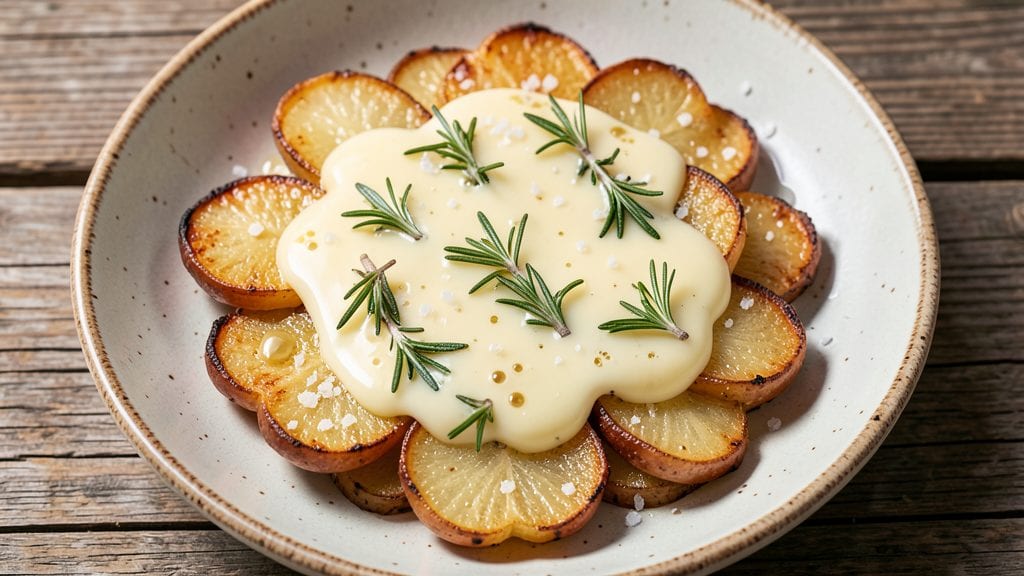
This blooming potato recipe transforms ordinary russets into a showstopping side dish with crispy, vinegar-kissed edges and fluffy pink centers that puff up like magic. The secret lies in precise slicing and a high-heat cooking method that creates that signature bloom while locking in tenderness.
I developed this technique after years of experimenting with restaurant-style potato preparations, and it consistently delivers professional results at home.
The process begins with thin, even slices that cook quickly and evenly, creating those dramatic pink hearts when sliced open. A light vinegar bath before cooking enhances crispiness and adds a subtle tang, while careful monitoring ensures the potatoes don't overcook.
This method works equally well for frying or baking, giving you flexibility for different occasions.
What you'll end up with is a side dish that looks as impressive as it tastes—crispy golden edges giving way to fluffy pink centers that practically melt in your mouth.
The vinegar seasoning adds just the right amount of brightness to complement rich main dishes like steak or roasted chicken. Each bite delivers perfect texture contrast and satisfying crunch.
Perfect for holiday dinners, elegant weeknight meals, or any occasion where you want to elevate your potato game. The technique is simple once mastered, and the visual impact makes it a crowd-pleaser. Let's get started on creating these restaurant-worthy blooming potatoes at home.
Ingredients for blooming potato
Thinly sliced russets, vinegar bath, and high-heat magic for restaurant-style blooming potatoes.
| Ingredient | Amount | Notes |
|---|---|---|
| Russet Potatoes 🥔 | 2 lbs | Thinly sliced, uniform thickness |
| White Vinegar 💧 | ¼ cup | Distilled, for tangy crispiness |
| Salt 🧂 | 1 ½ tsp | Diamond Crystal kosher preferred |
| Vegetable Oil 🫒 | 2 cups | High smoke point for frying |
| Unsalted Butter 🧈 | ¼ cup | Cold, cubed for finishing |
| Fresh Rosemary 🌿 | ¼ cup | Finely chopped, aromatic |
| Garlic Cloves 🧄 | 2 cloves | Minced, for subtle depth |
| Black Peppercorns 🌶️ | ½ tsp | Freshly cracked, coarse |
| All-Purpose Flour 🌾 | ½ cup | For light dusting |
| Baking Powder 🍞 | ½ tsp | For fluffiness boost |
| Lemon Zest 🍋 | 1 tsp | Brightens the flavor |
Russet potatoes are non-negotiable here—their low moisture content and fluffy texture make them perfect for blooming. Idaho-grown russets from your grocery store's produce section work best, but any russet will do. Look for firm potatoes with smooth skin and no sprouts. If you can't find russets, Yukon Golds are your second choice—they'll still bloom but with slightly less crispiness. For the vinegar, distilled white vinegar is key; apple cider won't give the same clean tang. I grab mine in the baking aisle at Whole Foods or the regular grocery store's vinegar section.
No white vinegar? Lemon juice at double the amount works in a pinch, though the flavor will be slightly different. Running short on time? Swap the rosemary for thyme or oregano—just use the same amount. The butter can be omitted if you're watching calories, but I'd rather have it for that luxurious finish. For the flour, all-purpose is fine, but if you've got bread flour, it'll give you a slightly crispier exterior. The baking powder might seem odd, but trust me—it helps those centers stay fluffy. If you don't have any, skip it but add an extra pinch of salt to compensate for the missing lift.
These potatoes are best made fresh, but you can prep them up to 4 hours ahead—just store the sliced potatoes in cold water in the fridge. When ready to cook, drain and pat dry. The cooked blooming potatoes reheat beautifully—pop them in a 350°F oven for 5-10 minutes to restore crispiness. They also freeze well for up to 3 months if you're planning ahead. I like to portion them into single servings before freezing so I can just grab and reheat as needed.
Why You'll Love This Recipe
- No-Prep Nightmare: I swear, these potatoes take less effort than deciding what to eat. You just slice, soak in vinegar for 10 minutes (that’s it), then bake—no peeling, no chopping, no stress. The vinegar trick does all the work while you scroll through your phone or wait for dinner guests.
- Crispy-Creamy Magic: That buttery, golden crust with a fluffy inside? It’s the secret weapon of simple dishes. The vinegar soak keeps them from browning too fast, so every bite gets that perfect contrast—crunchy outside, melt-in-your-mouth center. Honestly, it’s the kind of texture that makes you close your eyes and sigh.
- Potato Powerhouse: These work for breakfast (with fried eggs), lunch (as a side with grilled chicken), or dinner (piled high with steak). I’ve even sent them to potlucks—no one ever asks what they are, just that they want seconds. Between us, they’re my go-to for any meal where I need something reliable and crowd-pleasing.
- Budget Win: Russets are cheap, vinegar is cheap, and a stick of butter stretches far. For the cost of one restaurant side, I get enough to feed my family for days. Plus, leftovers reheat like a dream—just pop them back in the oven for 5 minutes, and they’re crispy again. Minimal ingredients, maximum satisfaction.
Step-by-step instructions for blooming potatoes recipe
Here's how to transform simple russet potatoes into showstopping vinegar-kissed crisps with fluffy pink centers.
Prepare the Potatoes for Perfect Blooming
Start by slicing the 2 lbs russet potatoes into ¼-inch thick rounds using a mandoline or sharp knife. You want uniform thickness so they cook evenly. Immediately place the slices in a large bowl and pour over the 0.25 cup white vinegar. Toss gently to coat - this acid bath prevents browning and adds that signature tangy crispness.
Let the potatoes soak for 15 minutes while you prep the rest. This brief marinade also helps tenderize the edges slightly. Drain and pat them completely dry with paper towels - any moisture will prevent proper crisping later. Arrange the slices in a single layer on a baking sheet and dust lightly with the 0.5 cup all-purpose flour mixed with the 0.5 tsp baking powder. Toss gently to coat evenly.
Create the Herb-Infused Oil Bath
In a small saucepan, combine the 2 cups vegetable oil with the 0.25 cup finely chopped fresh rosemary, 2 minced garlic cloves, and 0.5 tsp freshly cracked black peppercorns. Heat over medium-low heat until the mixture reaches 350°F - about 5 minutes. You'll see the rosemary and garlic infuse the oil with their aromas. Remove from heat and let steep while you prepare the next component.
In a separate small bowl, melt the 0.25 cup unsalted butter with the 1 tsp lemon zest over low heat until just combined. This citrusy butter will finish the potatoes with bright flavor. Keep both mixtures warm but not hot - you want them at room temperature when you combine them later.
Fry in Stages for Maximum Crisp
Heat 2 cups of the infused oil in a deep skillet over medium heat until it reaches 375°F. Working in batches to avoid crowding, fry the potato slices for 2-3 minutes per side until they turn golden brown and crisp. You'll know they're ready when they release easily from the pan. Transfer to a paper towel-lined plate to drain.
For the fluffy centers, reduce the oil temperature to 325°F and fry the potatoes again for another 2-3 minutes. This second fry cooks the centers through while maintaining the crisp exterior. The key is patience - don't rush this step or you'll lose that perfect texture contrast.
Finish with Herb Butter and Garnish
Return all fried potatoes to the skillet and reduce heat to low. Pour in the warm herb butter mixture and toss gently until every slice is coated. The butter will melt instantly, creating a glossy finish. Sprinkle with an additional pinch of salt if needed - the baking powder in the flour should provide enough lift, but taste as you go.
Transfer to a serving platter and garnish with extra lemon zest and a few whole rosemary sprigs. Serve immediately while the potatoes are still crisp. The vinegar-kissed edges will be delightfully tangy, the centers fluffy and pink, and each bite will deliver that perfect herb-butter finish.
Pro Tips For Making Blooming Potato
- CUT POTATOES UNIFORM: Russets split when sliced unevenly—use a sharp knife and cut them into ½-inch thick rounds, then halve or quarter any thicker pieces. I learned this the hard way after watching my first batch turn into a mushy mess.
- VINEGAR FIRST: Toss the sliced potatoes with vinegar immediately after cutting—this stops browning and keeps them crisp. Skip this, and you’ll end up with dull, soggy edges no matter how much oil you use.
- HIGH HEAT, LOW PATIENCE: Bloom them in a screaming-hot pan for 2-3 minutes per side until edges crisp. I used to turn the heat down too soon, and the potatoes never got that perfect golden crunch.
- SALT IN LAYERS: Season the potatoes before cooking, then add another pinch of salt after they bloom—this guarantees flavor in every bite. The vinegar and butter need that extra push to shine.
Make-ahead tips for leftovers
Prep Ahead Strategy
Slice your potatoes up to 4 hours ahead and store them in cold water in the fridge. The vinegar bath keeps them fresh and prevents browning. When ready to cook, drain, pat completely dry, and proceed with the recipe.
This head start saves you time on busy days while maintaining texture quality. 💡
Overnight Freezing
For maximum convenience, freeze the sliced potatoes after the vinegar soak. Arrange them in a single layer on a baking sheet, freeze solid, then transfer to a ziplock freezer bag.
Thaw overnight in the fridge before cooking. The texture remains perfect when properly reheated, though you'll lose some crispiness compared to fresh.
Batch Cooking
Double the recipe and cook in batches for gatherings. Store cooked blooming potatoes in an airtight container at room temperature for up to 2 hours or refrigerate for 3 days.
Reheat in a 350°F oven for 5-10 minutes to restore crispiness. I like to portion them into single servings before freezing for easy reheating later.
Herb Prep Shortcut
Chop all your herbs and zest the day before to save time. Store them in a small glass container in the fridge. The flavors will meld slightly, creating a more cohesive herb blend. Just mix with butter when ready to cook—no extra work at the last minute. 🌿
Oil Infusion Timing
Infuse your oil up to 2 days ahead and store it in a glass jar at room temperature. The flavors deepen over time, giving you more aromatic potatoes. Strain before using if you prefer a cleaner finish. This is my favorite time-saving trick for busy weeknights.
Final Assembly Prep
Mix your butter and zest the morning of serving and store in the fridge. When ready to cook, simply melt and combine with the infused oil at the end.
This keeps your final assembly quick and ensures the butter doesn't separate. The fresh lemon zest will add that bright pop of flavor when everything comes together. ✨
Nutrition facts
Frequently asked questions
Why do blooming potatoes puff up like that?
The signature "bloom" happens because of the ¼-inch thick slices and the two-stage frying process. The thin slices cook quickly on the outside while the centers steam and expand, creating those fluffy pink hearts. The vinegar bath also helps tenderize the edges slightly, making them more pliable for that dramatic puff.
Can I bake these instead of frying?
Yes! Preheat your oven to 425°F and arrange the flour-dusted potato slices on a parchment-lined baking sheet. Brush lightly with oil and bake for 15-18 minutes, flipping halfway. For extra crispiness, broil for 1-2 minutes at the end. The texture will be slightly different but still delicious—just not quite as crisp as fried.
How do I fix potatoes that turned out soggy?
Soggy potatoes usually mean they weren't dried properly or the oil wasn't hot enough. Next time, pat the slices extra dry and use a thermometer to maintain 375°F oil temperature. For immediate fixes, pop them in a 400°F oven for 5-10 minutes to restore crispiness. The baking powder in the flour also helps prevent sogginess—don't skip it!
What's the best way to serve these potatoes?
These make an elegant side for steak, roasted chicken, or grilled fish. For extra presentation, arrange them on a platter with the puffed sides facing up. Pair with a lemon aioli or herb butter sauce for dipping. They also work beautifully as an appetizer—just cut into smaller rounds.
Can I use sweet potatoes instead of russets?
Sweet potatoes won't bloom the same way—they're denser and higher in moisture. If you must use them, slice ⅛-inch thick and reduce cooking time by 30-50%. For best results, stick with russets—their low moisture content is key to that perfect texture. Yukon Golds are your second choice if russets aren't available.