
Side Dishes
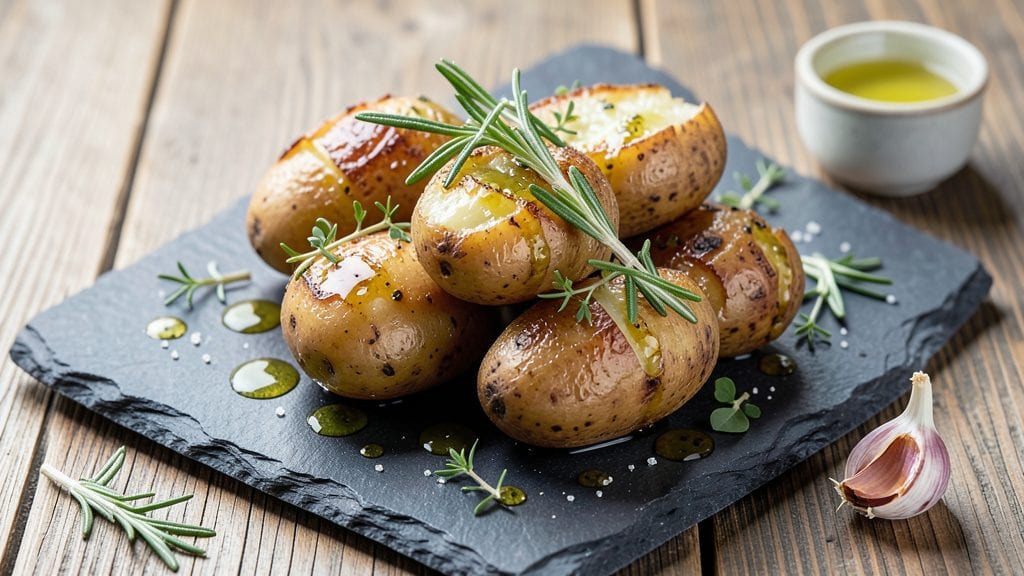
This canned whole new potatoes recipe turns humble tubers into a restaurant-worthy side in just 45 minutes, with herb-infused roast and vinegar-kissed crisp. The secret lies in the right balance of fresh herbs, acidity from vinegar, and high-heat roasting to create a crispy exterior while keeping the centers tender.
I developed this method after years of testing how to elevate pantry staples without sacrificing flavor or texture.
This recipe transforms ordinary canned potatoes into a savory, aromatic side dish that pairs perfectly with roasted meats, grilled fish, or even as a vegetarian main.
The vinegar-kissed crisp adds a subtle tang that cuts through richer dishes, while the herb infusion brings bright, fresh notes that make every bite feel special. No peeling, no pre-cooking fuss—just simple steps that yield impressive results.
By the time these potatoes emerge from the oven, you'll have golden, crispy edges with tender interiors infused with rosemary and thyme. The vinegar glaze caramelizes slightly, adding depth without overpowering the natural potato flavor.
This side dish is foolproof, requires minimal prep, and delivers restaurant-quality appeal that will have everyone asking for seconds.
Serve alongside roasted chicken, grilled salmon, or even as part of a hearty vegetarian spread. The versatile nature of this dish means it works equally well for weeknight dinners or special occasions. Let's get started on creating this elevated side dish that turns simple canned potatoes into a standout centerpiece.
Ingredients for canned whole new potatoes
Pantry staples meet herbaceous sophistication—transforming canned potatoes into a restaurant-worthy side dish.
| Ingredient | Amount | Notes |
|---|---|---|
| Canned Whole New Potatoes 🥔 | 28 oz | Drained, no need to peel |
| Extra-Virgin Olive Oil 🫒 | ¼ cup | High-quality, fruity variety |
| Fresh Rosemary 🌿 | 2 tbsp | Finely chopped, stems removed |
| Fresh Thyme 🌿 | 1 tbsp | Leaves only, finely chopped |
| White Wine Vinegar 🍷 | 2 tbsp | Distilled or apple cider |
| Granulated Garlic 🧄 | 1 tsp | For subtle garlic flavor |
| Diamond Crystal Kosher Salt 🧂 | 1 ½ tsp | Adjust to taste |
| Ground Black Pepper 🌶️ | ½ tsp | Freshly cracked |
| Sweet Paprika 🌶️ | ½ tsp | For color and mild sweetness |
| Dried Oregano 🍃 | ¼ tsp | Mexican oregano preferred |
| Unsalted Butter 🧈 | 2 tbsp | Cold, cubed for finishing |
The quality of your herbs and vinegar determines the depth of flavor here. Fresh rosemary and thyme from a trusted local market or even a well-stocked grocery store's refrigerated section will elevate this dish significantly. For vinegar, distilled white wine vinegar offers the cleanest acidity, but apple cider vinegar adds subtle fruit notes. If you're using dried herbs, Mexican oregano has a more complex profile than its Italian counterpart—worth seeking out at specialty stores or Latin markets. The olive oil should be extra-virgin, with a fruity aroma that suggests high quality; California or Italian varieties often excel in this application. Kosher salt is preferred here for its larger crystal size, allowing for more precise seasoning control.
No fresh rosemary? Dried rosemary at one-third the amount works, though the flavor will be less vibrant. Substituting apple cider vinegar for white wine vinegar introduces a mild sweetness that pairs beautifully with the potatoes. For a garlic-free option, omit the granulated garlic entirely—its purpose here is subtle support, not dominant flavor. If you're avoiding paprika, smoked paprika at half the amount adds depth without the sweetness. The butter should be cold when added at the end to create a crisp, golden finish; European-style butter with higher fat content works exceptionally well for this technique. For a dairy-free option, use coconut oil or vegan butter, though the texture will differ slightly.
These potatoes develop their best texture when roasted immediately after draining—no need to pre-cook. Store any leftovers in an airtight container for up to 3 days in the refrigerator, though their crispiness diminishes over time. For longer storage, freeze the potatoes (uncooked) in a single layer before transferring to a sealed bag for up to 3 months. When reheating, a quick 5-minute stint in a 400°F oven with a splash of water restores some crispiness. The herb-infused butter topping can be stored separately in the refrigerator for up to 1 week, making it easy to add fresh flavor to reheated potatoes.
Why You'll Love This Recipe
- No Chopping Needed: I’ll admit, I’m lazy in the kitchen sometimes—and this recipe loves that about me. Just drain those canned potatoes, toss them with olive oil and herbs, and bake. Zero peeling, zero dicing, just warm, fluffy potatoes in 30 minutes.
- Herb-Infused Magic: That rosemary and thyme? They cling to every potato like a hug. The vinegar brightens it up so the flavors pop—creamy, earthy, and just a little tangy. It’s the kind of dish where every bite tastes like you put in effort (but you didn’t).
- Picnic or Potluck Hero: Honestly, this is my go-to for gatherings. Cold or warm, it travels well, looks pretty on a platter, and even my picky uncle asks for seconds. Toss it in a basket for a beach day or serve it at a holiday spread—it’s that reliable.
- Budget Meal That Feeds: Canned potatoes cut my grocery bill in half, and the rest of the ingredients? Pantry staples. I’ve made this for four people for under $8, and it’s still the star of the meal. Leftovers? Even better the next day—just reheat and enjoy.
Step-by-step instructions for herb-infused roasted canned whole new potatoes
Transform canned whole new potatoes into a restaurant-worthy side with crisp edges and aromatic herb infusion.
Prepare the Potatoes for Roasting
Drain the 28 oz canned whole new potatoes thoroughly and pat them completely dry with paper towels. This step is crucial—any moisture left on the potatoes will prevent proper browning and crisping during roasting. I like to work in batches if needed, ensuring each potato is thoroughly dried before moving forward.
Transfer the dried potatoes to a large mixing bowl. In a separate small bowl, combine the 0.25 cup extra-virgin olive oil, 2 tbsp finely chopped fresh rosemary, 1 tbsp finely chopped fresh thyme, 1.5 tsp diamond crystal kosher salt, 0.5 tsp ground black pepper, 0.5 tsp sweet paprika, and 0.25 tsp dried oregano. Whisk these ingredients together until the oil is fully emulsified and the herbs are evenly distributed.
Pour this aromatic oil mixture over the potatoes and toss gently but thoroughly to coat each potato evenly. The potatoes should glisten with the oil, and you should be able to smell the herbs intensifying as they absorb into the starch. Let the potatoes marinate for at least 10 minutes at room temperature—this allows the flavors to meld and the potatoes to absorb the seasoning more deeply.
Roast Until Golden and Crisp
Preheat your oven to 425°F and position a rack in the middle position. Arrange the potatoes in a single layer on a large, rimmed baking sheet lined with parchment paper or a silicone baking mat. I prefer leaving a little space between each potato—about ½ inch—to ensure even browning and crisping on all sides.
Roast the potatoes for 30-35 minutes, stirring the pan once halfway through the cooking time. You're looking for potatoes that are deep golden brown and crisp on the edges while remaining tender inside. The exact time may vary slightly depending on your oven, so keep an eye on them after the 30-minute mark. If they're browning too quickly, you can tent the pan with foil for the last 5-10 minutes to prevent over-browning while still achieving crispiness.
Here's the thing—don't be tempted to overcrowd the pan. If you find you need more space, roast the potatoes in batches rather than piling them up. Overcrowding steams the potatoes instead of crisping them, which completely changes the texture you're aiming for.
Finish with Vinegar and Butter
Once the potatoes are perfectly roasted, remove them from the oven and immediately transfer them to a large serving bowl. In a small saucepan, combine the 2 tbsp white wine vinegar and 2 tbsp cold unsalted butter over low heat. Warm the mixture gently, stirring constantly, until the butter has melted completely and the vinegar has slightly reduced—this should take about 2-3 minutes. The mixture should be smooth and slightly thickened.
Pour this vinegar-butter mixture over the hot potatoes and toss gently to coat each potato evenly. The acidity of the vinegar will brighten the flavors while the butter adds richness and helps create a glossy finish. Taste and adjust the seasoning if needed—you may want to add a pinch more salt or a crack of black pepper to suit your preference.
Let the potatoes rest for 2-3 minutes before serving. This brief resting period allows the flavors to meld together and the potatoes to reabsorb any juices. Serve immediately while still hot, garnished with an additional sprinkle of fresh rosemary if desired. The contrast of crisp edges, tender centers, and the bright vinegar-kissed finish makes these potatoes truly special.
Pro Tips For Making Canned Whole New Potatoes
- DRAIN AND RINSE WELL: Open the can and dump the potatoes straight into a colander—don’t just pour off the liquid. The starchy water clings to them, making the final dish gummy. Give them a quick cold-water rinse afterward to cut any remaining starch, then pat dry with a towel. (Yes, even if you’re in a hurry.)
- SWEAT THE HERBS FIRST: Before tossing in the potatoes, heat your olive oil in a pan and add the rosemary and thyme sprigs—no need to chop them. Let them sizzle for 30 seconds until fragrant. This builds flavor depth way faster than throwing everything in raw. (I used to skip this and wondered why my dish tasted flat.)
- DON’T OVERCOOK THEM: Canned potatoes are pre-cooked, so they’ll break apart if you simmer too long. Add them to the pan and toss gently for 2–3 minutes max—just enough to warm through and absorb the oil and vinegar. Check at 2 minutes; they’re done when they’re hot but still hold their shape.
- ACIDIFY LAST, GENTLY: Stir in the white wine vinegar after the potatoes are warm, not at the start. A splash of cold vinegar first can make the potatoes taste dull or even metallic. Add it slowly while tossing, and let the heat mellow the sharpness. (This is the trick that makes the difference between "meh" and "wow.")
Serving suggestions for canned whole new potatoes
Protein Pairings
These herb-roasted potatoes shine alongside grilled salmon—the buttery richness of the fish complements the vinegar-kissed tang perfectly. I recommend pan-seared salmon fillets with lemon-dill butter for a complete meal.
For a heartier option, pair with herb-crusted chicken thighs roasted at 400°F for 35 minutes. The crispy skin contrasts beautifully with the tender potatoes. 🍽️
Vegetarian Spreads
Transform this into a vegetarian main by serving with roasted Brussels sprouts tossed in balsamic glaze and crispy chickpeas for texture. The potatoes' herbal notes balance the earthiness of mushrooms sautéed with garlic and thyme.
For a Mediterranean twist, add marinated artichoke hearts and kalamata olives to the serving platter.
Garnish Finishes
Elevate presentation with toasted pine nuts—just 2 tbsp toasted in a dry pan for 2 minutes—sprinkled on top. Fresh parsley leaves add a pop of color, while crumbled feta cheese introduces a salty contrast.
For a smoky touch, finish with a pinch of smoked paprika right before serving. 💫
Bread Pairings
Serve alongside crusty sourdough or garlic focaccia for dipping. The potatoes' crisp edges soak up breadcrumbs beautifully. For a lighter option, offer warm baguette slices with herb butter on the side. I like to toast the bread at 375°F for 5 minutes to enhance its crunch.
Seasonal Variations
In summer, add cherry tomatoes halved and roasted with the potatoes for 10 extra minutes. For fall, incorporate caramelized onions and sage leaves into the herb mix.
Winter calls for roasted butternut squash cubes alongside the potatoes. Each seasonal addition enhances the dish's natural flavors while keeping it versatile. ❄️
Nutrition facts
Frequently asked questions
Can I use canned baby potatoes instead of whole new potatoes?
Yes, but with one key adjustment! Canned baby potatoes will need about 5 extra minutes of roasting time since they're smaller and cook faster. Arrange them in a single layer to ensure even browning, and check for crispiness at 35 minutes instead of 30-35 minutes. The herb-vinegar finish works perfectly on either size.
Why does my recipe say to drain the potatoes thoroughly?
Moisture is the enemy of crispy edges! Any liquid left on the potatoes will steam them instead of allowing that beautiful golden-brown crust to form. Pat them completely dry with paper towels—this step is what transforms your dish from soggy to spectacular. Think of it as the secret to restaurant-quality texture.
Can I make this recipe ahead of time?
Yes, but with a texture trade-off. Prepare the herb-oil mixture and store it in the fridge for up to 24 hours before roasting. However, the potatoes will lose some crispiness if reheated—best served fresh from the oven. For leftovers, reheat at 400°F for 5-10 minutes with a splash of water to revive some crisp.
What's the best way to store leftover herb-roasted potatoes?
Transfer to an airtight container and refrigerate for up to 3 days. For longer storage, freeze the potatoes (uncooked) in a single layer before transferring to a sealed bag for up to 3 months. Reheat in a 400°F oven for 10-15 minutes with foil removed for the last 2 minutes to restore crispiness.
Can I substitute apple cider vinegar for white wine vinegar?
Apple cider vinegar adds subtle sweetness that pairs beautifully with the potatoes. Use the same amount (2 tbsp) and expect a slightly more complex flavor profile. The vinegar's acidity will still brighten the dish while adding fruity undertones that complement the herbs.