Side Dishes
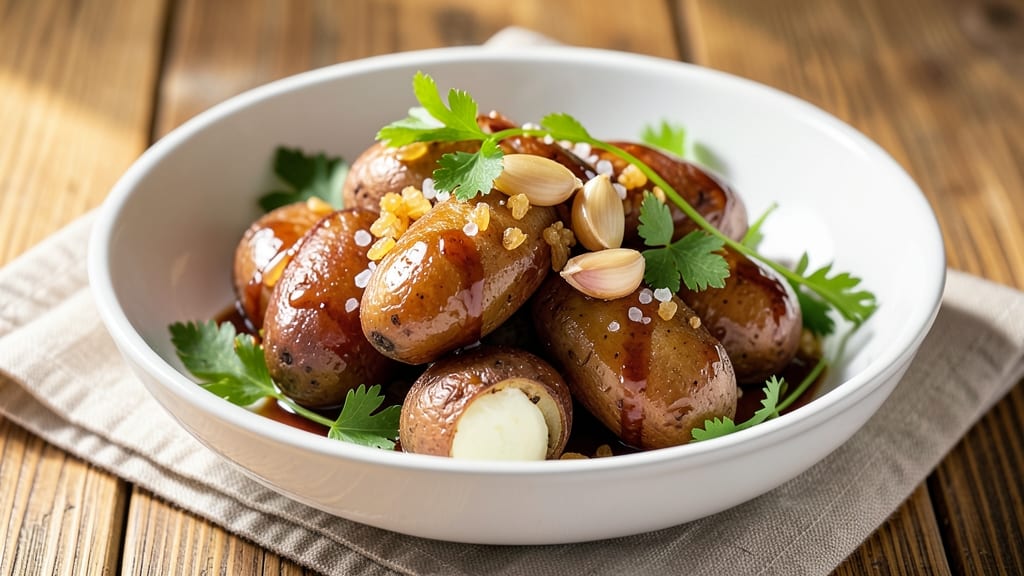
This canned new potatoes recipe turns buttery, vinegar-kissed bites into a 20-minute kitchen shortcut that feels like a luxury. The secret lies in the balance—rich, warm butter and the bright tang of vinegar that cuts through the creamy texture, creating a dish that’s both comforting and sophisticated.
I developed this method after realizing how often canned potatoes get overlooked in favor of fresh, but with the right technique, they become a star side dish.
This recipe works in three simple steps: draining, seasoning, and finishing with a quick sauté. You’ll start with canned new potatoes—no peeling or chopping required—then build flavor with garlic, butter, and vinegar while keeping the potatoes tender.
The result is a dish that’s foolproof, restaurant-quality, and ready in less time than it takes to roast fresh potatoes from scratch.
What you’ll end up with is a golden, glossy side dish that’s crisp at the edges and creamy inside, with a tangy-savory finish that pairs perfectly with grilled meats, roasted vegetables, or even a simple green salad.
The best part? It’s a make-ahead friendly recipe that reheats beautifully, making it ideal for meal prep or last-minute dinner guests.
Serve these potatoes alongside roasted chicken, steak, or fish for a complete meal, or enjoy them as a standalone dish with a sprinkle of fresh herbs. The versatility is what makes this recipe a weeknight game-changer—simple enough for busy evenings but impressive enough for company. Let’s get cooking!
Ingredients for canned new potatoes
Nine ingredients transform canned potatoes into a restaurant-quality side dish in minutes.
| Ingredient | Amount | Notes |
|---|---|---|
| Canned New Potatoes 🥔 | 2 cups | Drained, liquid reserved |
| Unsalted Butter 🧈 | 4 tbsp | Cold, cut into small cubes |
| Garlic Cloves 🧄 | 3 cloves | Minced, fresh preferred |
| White Wine Vinegar 🍷 | 2 tbsp | White or apple cider |
| Diamond Crystal Kosher Salt 🧂 | ½ tsp | Fine grain preferred |
| Fresh Parsley 🌿 | ¼ cup | Chopped, stems removed |
| Shallots 🧅 | 2 small | Minced, or 2 tbsp shallot substitute |
| Shallots 🧅 | 2 tbsp | Minced, fresh preferred |
| Heavy Cream 🥛 | ¼ cup | Full-fat for richness |
| Ground Black Pepper 🌶️ | ¼ tsp | Freshly ground preferred |
| Extra-Virgin Olive Oil 🫒 | 1 tbsp | For finishing drizzle |
The potatoes are the foundation, so choose high-quality canned new potatoes—brands like Del Monte or Green Giant yield the best texture. Look for cans with minimal liquid, as this ensures more potato per can. Fresh garlic and shallots elevate the dish significantly; Whole Foods or local farmers markets often carry the most vibrant varieties. The butter should be cold when added to prevent premature melting, which is why cutting it into small cubes is essential. For the vinegar, white wine vinegar provides the brightest tang, but apple cider vinegar adds a subtle sweetness that works beautifully too.
No fresh shallots? One extra garlic clove minced finely works in a pinch, though the flavor profile shifts slightly. Substitute heavy cream with half-and-half for a lighter texture, though the richness diminishes. If you're avoiding dairy entirely, unsweetened almond milk can replace the cream, though the results will be less luxurious. For a vinegar-free version, lemon juice at half the amount adds brightness without the sharpness. The parsley can be swapped for chives or dill, though parsley’s fresh, slightly peppery note is ideal. Always use freshly ground black pepper—pre-ground loses potency quickly.
This dish reheats beautifully—simply warm in a skillet with a splash of water or broth for 2-3 minutes over medium heat. Store leftovers in an airtight container in the fridge for up to 4 days, though the texture softens slightly after the first day. For meal prep, portion into single-serving containers and reheat individually. The potatoes can also be frozen for up to 3 months; thaw overnight in the fridge before reheating. To keep the dish vibrant, store the parsley separately and add it fresh after reheating.
Why You'll Love This Recipe
- Three-Ingredient Magic: I swear, this is the closest thing to "dump and dazzle" that still tastes intentional. Open the can, toss in butter and garlic, and boom—flavor without the fuss. (Yes, even on a Tuesday night.)
- Garlic-Butter Bliss: That moment when the vinegar cuts through the richness? Pure satisfaction. The potatoes soak up the melted butter until they’re tender but still hold their shape—crisp edges, creamy middle, every bite.
- Picnic or Potluck Ready: Between us, this is my go-to for gatherings. Cold or warm, it travels beautifully in a bowl or straight from the can. Add a sprinkle of salt, and suddenly you’ve got a side that feels chef-prepared with zero effort.
- Budget-Friendly Pantry Stash: Honestly, I keep a stash of these canned potatoes for when I’m broke or lazy—no judgment. They’re cheaper than fresh, last forever, and still taste like you put in work. (My secret weapon for stretching meals.)
Step-by-step instructions for buttery, vinegar-kissed canned new potatoes
This method delivers restaurant-quality potatoes with crisp edges and velvety centers in under 20 minutes—no peeling or boiling required.
Sauté Shallots and Garlic Until Fragrant
Heat 1 tablespoon extra-virgin olive oil in a large skillet over medium heat. Add the 2 small shallots (minced) and 3 cloves garlic (minced), cooking for 3-4 minutes until softened and golden around the edges. This step builds flavor—don't rush it, or the garlic will burn before releasing its aroma.
Real talk: If your shallots start to brown too quickly, reduce heat to medium-low and stir more gently. The goal is to create a fragrant base, not char the vegetables. Once they're translucent with just a hint of color, they're ready for the next step.
Add Potatoes and Butter for Crispy Edges
Increase heat to medium-high and add the 2 cups canned new potatoes (drained, reserve ¼ cup liquid). Stir to coat evenly in the shallot-garlic mixture, then immediately add the 4 tablespoons cold unsalted butter (cut into small cubes). Let the potatoes cook undisturbed for 3-4 minutes until they develop golden-brown spots on the edges.
Here's the thing—those spots are your signal to flip or stir. The butter should melt into a foamy consistency, creating a rich sauce that clings to the potatoes. If the butter burns before the potatoes crisp, reduce heat slightly and give it another 1-2 minutes before stirring.
Deglaze with Vinegar and Cream for Tangy Depth
Pour in the 2 tablespoons white wine vinegar and 0.25 cup heavy cream, scraping up any browned bits from the bottom of the pan. Simmer for 2-3 minutes until the liquid reduces slightly and coats the potatoes. This step balances the richness of the butter with bright acidity—critical for a well-rounded flavor.
Taste and adjust seasoning with 0.5 teaspoon diamond crystal kosher salt and 0.25 teaspoon ground black pepper. The potatoes should be tender with crisp edges, and the sauce should cling like a silky glaze. If the sauce is too thin, simmer uncovered for another 30 seconds to thicken.
Finish with Parsley and Reserve Liquid
Stir in the 0.25 cup chopped fresh parsley and the reserved ¼ cup potato liquid (from draining). This final touch brightens the dish and ensures the potatoes stay moist. Cook for an additional 1-2 minutes until everything is heated through and the parsley is wilted but still vibrant.
Serve immediately while the edges are crisp and the centers are creamy. The vinegar-kissed cream sauce will cling beautifully, and each bite will deliver a perfect balance of buttery richness, tangy brightness, and herbaceous freshness. For extra flair, drizzle with an additional ½ teaspoon olive oil before serving.
Pro Tips For Making Canned New Potatoes
- Drain and Rinse Immediately: The canning liquid is salty—skip dumping the potatoes straight into your dish. Drain them, give a quick cold-water rinse, and pat dry with a paper towel. This keeps the flavor balanced and prevents the butter from turning into a sad, watery mess.
- Mince Garlic Fine: No need for fancy dicing here. Mince the garlic cloves into a paste—just a quick press with the flat side of your knife. It blends smoother and releases flavor faster, so you’re not left with chewy bits when the vinegar hits.
- Heat Butter Until Foamy: Melt the butter over medium heat until it’s just foamy—about 30 seconds. If you rush it, the garlic will burn before the potatoes get any love. A quick taste test: the butter should smell nutty, not acrid.
- Add Vinegar Last: Toss the potatoes with butter and garlic first, then fold in the vinegar at the very end. This keeps the acid from breaking down the butter too fast, so your dish stays rich instead of turning into a thin, tangy sauce. (Yes, even if you’re impatient like me.)
Make-ahead tips for leftovers
Prep Ahead Strategy
I always recommend prepping the shallot-garlic base the night before if you're short on time. Sauté the 2 minced shallots and 3 cloves garlic in 1 tbsp olive oil until fragrant, then store in an airtight container in the fridge.
When ready to cook, simply reheat this base in the skillet for 1-2 minutes before adding the potatoes—it saves 5 minutes of active cooking time. 💡
Make-Ahead Potatoes
Cook the potatoes completely (through Step 4) and let them cool to room temperature. Transfer to an airtight container and refrigerate for up to 4 days.
The texture softens slightly after the first day, but reheating in a skillet with 1 tbsp butter and 1 tbsp reserved potato liquid restores the creamy consistency. For best results, reheat over medium-low heat for 3-4 minutes, stirring occasionally.
Freezer-Friendly Hack
These potatoes freeze beautifully for up to 3 months. After cooking through Step 4, let them cool completely, then portion into single-serving freezer bags or silicone molds.
When ready to serve, thaw overnight in the fridge, then reheat in a skillet with 1 tbsp heavy cream and 1 tsp vinegar to revive the sauce. The parsley should be added fresh after reheating to maintain its vibrant color. ❄️
Meal Prep Containers
For weekly meal prep, divide the cooked potatoes into 4-6 portion-sized containers (about ½ cup each). Store the parsley separately in a small container and add it fresh when reheating. This keeps the herbs crisp and prevents wilting.
I use Glasslock containers because they’re microwave-safe and maintain freshness longer than plastic. Label containers with the date to track freshness—these potatoes reheat best within 3 days of cooking.
Reheating Perfection
For the crispiest reheated potatoes, use a nonstick skillet over medium heat. Add 1 tbsp butter and let it melt, then add the cold potatoes and cook for 3-4 minutes without stirring. Flip or toss gently to crisp the edges.
If the sauce seems dry, add 1 tbsp reserved potato liquid or heavy cream to restore moisture. The vinegar-kissed flavor actually intensifies slightly when reheated, making it even more vibrant. 🔥
Portion for Guests
When serving for dinner guests, portion the potatoes into ramekins or small bowls before reheating. This keeps the dish looking restaurant-quality and makes it easy to serve family-style. For extra presentation, garnish with a sprinkle of fresh parsley and a drizzle of olive oil right before serving.
I often double the recipe when hosting—it disappears fast! The key is keeping the portions hot and the sauce glossy, which takes just 2-3 minutes of reheating per serving.
Nutrition facts
Frequently asked questions
Can I use regular canned potatoes instead of new potatoes?
While you can substitute regular canned potatoes, the texture and flavor won't be identical. New potatoes have thinner skins and a creamier interior, which works perfectly for this recipe. Regular potatoes tend to be larger and starchier, resulting in a less delicate bite. If you must use them, cut them into smaller pieces before canning to mimic the size of new potatoes.
How do I store the reserved potato liquid?
Store the reserved liquid in an airtight container in the fridge for up to 5 days. It's perfect for reheating leftovers—just add 1-2 tablespoons to restore moisture and gloss. The liquid contains natural starch that helps thicken the sauce when reheated, so don't discard it! For longer storage, freeze it in ice cube trays for easy portioning.
Can I make this recipe without vinegar?
Yes, but the dish will lose its signature tangy brightness. Replace the 2 tablespoons vinegar with 1 tablespoon lemon juice or ½ teaspoon Dijon mustard for a milder acidity. The butter and cream will still create a rich flavor, but the balance between richness and acidity is what makes this recipe shine. For a dairy-free version, use coconut cream instead of heavy cream.
Why do my potatoes turn mushy when reheating?
Mushiness happens when potatoes absorb too much moisture during reheating. To fix this, always reheat in a dry skillet over medium heat with just enough butter or oil to coat the pan. Add only 1 tablespoon of reserved liquid or cream at a time, and cook until the sauce thickens. For extra crispiness, reheat in batches and avoid overcrowding the pan.
What’s the best way to serve these potatoes with a main dish?
These vinegar-kissed potatoes pair beautifully with rich, protein-heavy mains like grilled steak, roasted chicken, or baked salmon. The tangy cream sauce cuts through the richness, balancing the meal perfectly. For a lighter option, serve alongside herb-roasted vegetables or a fresh green salad. The crisp edges also make them a great addition to charcuterie boards or as a standalone appetizer with crusty bread.