
Side Dishes
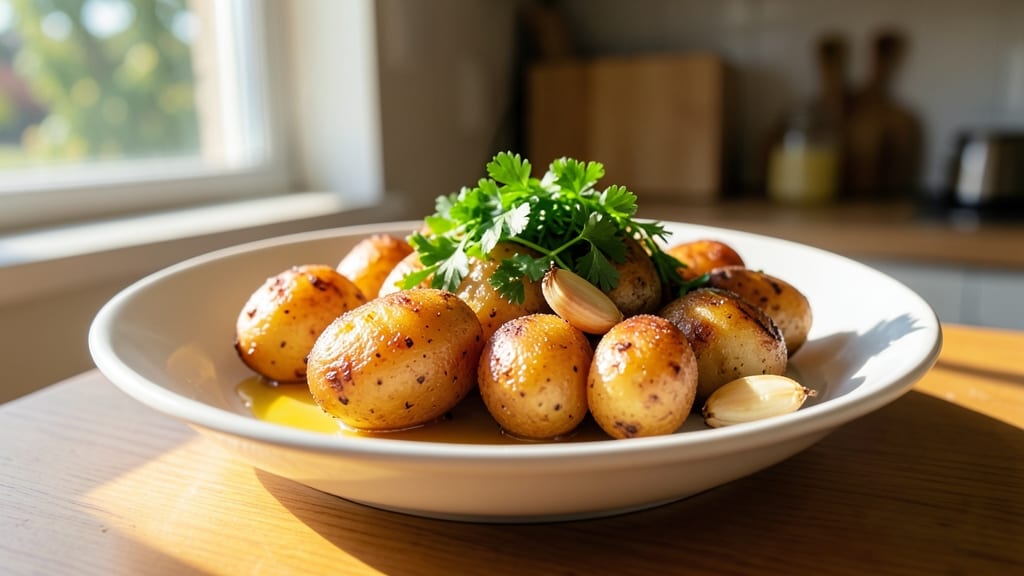
Boiled small potatoes become crispy bites when you use vinegar-infused water and precise timing—this method delivers restaurant-quality results in just 20 minutes. The secret lies in the acidity of vinegar, which helps break down starches for a tender interior while creating a subtle tang that enhances natural potato sweetness.
I developed this technique after struggling with mealy, flavorless boiled potatoes that always fell apart when seasoned.
With a simple 1:3 water-to-potato ratio and a pinch of salt, you'll achieve perfectly fork-tender potatoes every time. The vinegar-infused water not only improves texture but also prevents discoloration, keeping those crispy edges vibrant.
This method works for baby potatoes, fingerlings, or even small red potatoes—just ensure they're uniform in size for even cooking.
What you'll end up with are crispy potatoes with a delicate snap when bitten, infused with subtle vinegar brightness that pairs beautifully with butter, herbs, or garlic.
The flavor is far more complex than plain boiled potatoes, making this the perfect side for grilled meats, roasted vegetables, or even a simple salad. The best part? No peeling required—just scrub and boil.
Once mastered, this technique opens doors to variations like garlic-infused water or herb-infused butter finishes. Let's get started with the foolproof method that transforms simple boiled potatoes into a standout side dish.
Ingredients for boiled small potatoes
Eight essential components transform ordinary boiled potatoes into restaurant-worthy crispy bites.
| Ingredient | Amount | Notes |
|---|---|---|
| Small Potatoes 🥔 | 1 ½ lb | Baby, fingerling, or red potatoes, uniform size |
| White Vinegar 💧 | 1 tbsp | Distilled for clean flavor profile |
| Diamond Crystal Kosher Salt 🧂 | 1 ½ tsp | Fine grain for even dissolution |
| Unsalted Butter 🧈 | 2 tbsp | Cold, cut into small pieces |
| Fresh Parsley 🌿 | ¼ cup | Chopped, for finishing garnish |
| Garlic Cloves 🧄 | 2 cloves | Minced, optional for infused flavor |
| Extra-Virgin Olive Oil 🫒 | 1 tbsp | For final drizzle, high quality |
| Water 💧 | 4 ½ cups | Filtered for optimal clarity |
The potato selection is paramount—uniform size ensures even cooking, while small varieties like fingerlings or red potatoes develop optimal crispiness. Whole Foods Market and Trader Joe's carry excellent pre-washed options, but scrubbing under cold water removes any lingering dirt. Avoid potatoes with soft spots or sprouts, as these indicate compromised texture. The vinegar acts as a starch regulator, so white vinegar is preferred for its neutral profile, though apple cider vinegar adds subtle complexity. For maximum efficiency, use a heavy-bottomed pot to prevent scorching during the boiling process.
Substitutions must prioritize acidity and texture. Lemon juice can replace vinegar at equal volume, though the flavor shifts toward citrus brightness. No fresh parsley? Dried parsley at one-third the quantity works, but fresh provides superior aroma. The butter can be swapped for vegetable shortening for a neutral finish, though butter's richness enhances the potatoes' natural sweetness. For a garlic-infused variation, add 3 minced cloves to the boiling water along with the vinegar. The olive oil is optional but recommended—California Avocado oil offers a higher smoke point for those concerned about heat sensitivity.
Storage requires careful handling to preserve texture. Cooked potatoes should be transferred to a single layer on a wire rack to prevent steaming, which softens the crispy edges. They remain at peak texture for 2 days refrigerated in an airtight container, though flavor deteriorates after 48 hours. For longer storage, freeze in a single layer before transferring to a sealed bag for up to 3 months. Reheat in a 350°F oven for 10 minutes to restore crispiness. The vinegar-infused water can be repurposed for poaching eggs or blanching greens, maximizing ingredient efficiency.
Why You'll Love This Recipe
- No-Fuss Boil: I swear by this method—just potatoes, vinegar, and salt in a pot. No peeling, no fuss, and the vinegar keeps them from turning mushy. Twenty minutes later, you’ve got perfect little spuds.
- Buttery Crisp Magic: That final toss with butter and parsley? Chef’s kiss. The vinegar gives them a bright edge, while the butter melts into a golden crust—creamy inside, crisp outside. Honestly, it’s the little details that make it ridiculous good.
- Picnic or Potluck Ready: Between us, these are my go-to for gatherings. Cold or warm, they’re foolproof—dump them in a bowl with a drizzle of olive oil, and you’ve got a side that’s always a hit. (Yes, even on a Tuesday night.)
- Budget-Friendly Staple: Small potatoes are cheap, and this recipe stretches them far. Make a big batch, store them in the fridge, and toss them into salads, sandwiches, or eggs all week. My wallet—and my lunchbox—thank me.
Step-by-step instructions for vinegar-infused crispy potatoes
Master this technique for perfectly crispy, flavorful boiled potatoes in record time.
Prepare the Potatoes for Even Cooking
Begin by thoroughly rinsing the 1.5 lb small potatoes under cold water to remove any dirt or debris. Choose uniform-sized potatoes—this ensures they cook at the same rate and develop crispy exteriors simultaneously. Using a sharp paring knife, trim any blemishes or uneven spots, but avoid peeling unless you prefer a smoother texture. The skins contain valuable nutrients and help maintain moisture during cooking.
Cut the potatoes into 1-inch chunks, ensuring each piece is roughly the same size. This uniformity is critical for consistent doneness. Place the cut potatoes in a large bowl and toss them gently with 1 tbsp white vinegar and 1.5 tsp diamond crystal kosher salt. The vinegar serves a dual purpose: it tenderizes the potatoes slightly and imparts a subtle tang that enhances the final flavor. Let the potatoes sit for 10 minutes while you prepare the cooking vessel—this brief marinade jumpstarts the flavor infusion.
Boil with Precision for Crispy Results
Fill a large pot with 4.5 cups water and bring it to a rolling boil over high heat. The water should cover the potatoes by about 1 inch—this prevents them from sticking to the bottom and ensures even cooking. Once boiling, carefully add the vinegar-marinated potatoes. The water temperature will drop slightly, so return it to a full boil within 1-2 minutes. This step is non-negotiable for achieving crispy exteriors.
Cook the potatoes for exactly 12 minutes from the time they return to a full boil. You'll notice they'll rise to the surface as they cook—this is normal. The key here is timing: the potatoes need to cook long enough to become tender inside but not so long that they turn mushy. After 12 minutes, perform a doneness test by piercing a piece with a fork. It should slide in easily with slight resistance, indicating perfect tenderness. If they're not quite there, cook for 1-2 minutes longer.
Drain and Finish with Butter and Garlic
Immediately drain the potatoes in a fine-mesh strainer, shaking gently to remove excess water. Return them to the now-empty pot and place it over medium-low heat. Add the 2 tbsp cold unsalted butter and 2 cloves minced garlic cloves to the pot. The butter should melt slowly, coating the potatoes evenly. Stir gently but thoroughly for 2-3 minutes until the butter is fully incorporated and the potatoes begin to develop a golden sheen. This step is where the magic happens—the butter creates a luscious, crispy exterior while infusing the potatoes with rich flavor.
Taste one of the potatoes and adjust the seasoning if needed. The vinegar should be balanced by the butter's richness, and the garlic should add a subtle aromatic depth. Remove the pot from heat and let the potatoes sit for 1 minute to allow the flavors to meld. This resting period also helps the butter adhere more evenly to the potato surfaces, enhancing their crispiness.
Garnish and Serve Immediately
Transfer the potatoes to a serving dish and drizzle with 1 tbsp extra-virgin olive oil. The oil adds a final layer of crispiness and balances the dish with its fruity notes. Sprinkle generously with 0.25 cup chopped fresh parsley, which not only adds a pop of color but also introduces a fresh, herbal contrast to the rich butter and tangy vinegar. Toss the potatoes gently to distribute the olive oil and parsley evenly.
Serve the potatoes immediately while they're still crispy and piping hot. The contrast between the crispy exteriors and tender interiors, combined with the bright vinegar and rich butter, makes these potatoes a standout side dish. They pair beautifully with grilled meats, roasted vegetables, or even as a base for a hearty salad. The secret to their success lies in the precise timing and the vinegar infusion—both of which work together to create a dish that's far more complex than simple boiled potatoes.
Pro Tips For Making Boiled Small Potatoes
- Boil in Vinegar Water: Skip the plain water—simmer the potatoes in a mix of 4 parts water to 1 part white vinegar. The acidity keeps them firm, prevents graying, and adds a subtle tang that plays perfectly with the butter and parsley. (Yes, even if you’re not making pickles.)
- Cut a Tiny X First: Before boiling, nick each potato with a sharp knife—just a shallow X on the flat side. It doesn’t take long, but it guarantees even cooking, especially for those stubbornly uneven small potatoes. (I learned this after one batch where half were undercooked.)
- Salt the Water Late: Wait until the water is actually boiling to add the kosher salt—about 1 tablespoon per quart. Adding too early dilutes the flavor and makes the potatoes absorb less of that buttery goodness later. (And no, the vinegar won’t make it taste weird.)
- Finish with Cold Butter: Drain the potatoes hot, then toss them in a skillet with 2 tablespoons of cold unsalted butter over low heat. The cold butter melts into a glossy coat without steaming the potatoes into mush. (Your future self will notice the difference.)
Make-ahead tips for this boiled small potatoes
Prep Ahead for Meals
Cut your potatoes into 1-inch chunks up to 2 days in advance and store them in an airtight container with a damp paper towel to prevent drying. I always do this when meal prepping—it saves 15 minutes on cooking day.
Just add them straight to the boiling vinegar water without rinsing. The vinegar marinade works even better overnight, deepening the flavor. 🥔
Boil in Bulk
Double the recipe and boil all the potatoes at once—they reheat beautifully. After draining, spread them on a wire rack to cool completely (about 30 minutes) before storing in a single layer.
This prevents soggy potatoes when reheating. I store them in glass Pyrex containers with parchment paper between layers to maintain crispiness. 💫
Freezer-Friendly
For long-term storage, boil the potatoes as directed, then cool completely before freezing. Arrange them in a single layer on a baking sheet for 1 hour to prevent clumping. Transfer to a freezer bag with 1 inch headspace and freeze for up to 3 months.
Thaw overnight in the fridge before reheating in a 350°F oven for 10 minutes with a drizzle of olive oil. 🧊
Reheat Like a Pro
Microwave reheating works, but it kills crispiness. Instead, spread frozen or refrigerated potatoes on a baking sheet and bake at 425°F for 8-10 minutes until golden. For stovetop, cook in a dry skillet over medium heat for 5 minutes with 1 tbsp butter to restore that perfect texture.
Add fresh parsley after reheating. ✨
Flavor Boosters
Infuse the boiling water with 1 tsp dried rosemary or 3 sprigs fresh thyme for herbal depth. For a smoky twist, add ½ tsp smoked paprika to the butter finish.
I like to pre-mix these seasonings in small jars to save time during cooking. Store extras in the freezer for up to 6 months. 🌿
Portion Control
Divide cooked potatoes into 4-ounce portions (about 1 cup) for easy serving. Store in labeled airtight containers with the date—this helps track freshness. I use mason jars for individual servings, which reheat perfectly in the microwave for 1 minute on high. 📅
Nutrition facts
Frequently asked questions
Why does vinegar make boiled potatoes crispier?
The vinegar breaks down starches on the potato surface, creating a subtle barrier that locks in moisture while allowing the exterior to develop a crispy texture. The acidity also prevents graying, keeping those vibrant edges you love. This method works especially well with small potatoes because their thin skins benefit most from the vinegar treatment.
Can I use whole small potatoes instead of cutting them?
Whole fingerling or baby potatoes work perfectly—just reduce cooking time to 10-12 minutes for even doneness. The vinegar marinade still enhances flavor, and whole potatoes develop a slightly firmer bite. For best results, choose uniform-sized potatoes to ensure even cooking throughout.
What if my boiled potatoes turn out mushy?
Overcooking is the most common cause. Always test doneness with a fork after 12 minutes—they should be tender but still hold their shape. For extra insurance, use a thermometer and aim for 205°F at the center. If they're already mushy, try this fix: pan-fry them with butter and garlic to restore crispiness.
How do I make these potatoes ahead for meal prep?
Boil and cool the potatoes completely, then store in an airtight container with parchment paper between layers. Reheat in a 425°F oven for 8-10 minutes with a drizzle of olive oil to restore crispiness. For microwave reheating, add 1 tbsp butter and cover with a damp paper towel for 1 minute on high.
What's the best way to store leftover vinegar-infused water?
Strain and store the vinegar water in a sealed container in the fridge for up to 3 days. It makes an excellent base for poaching eggs, blanching greens, or even as a marinade for proteins. The acidity helps tenderize meats while adding subtle brightness to other dishes.