Side Dishes
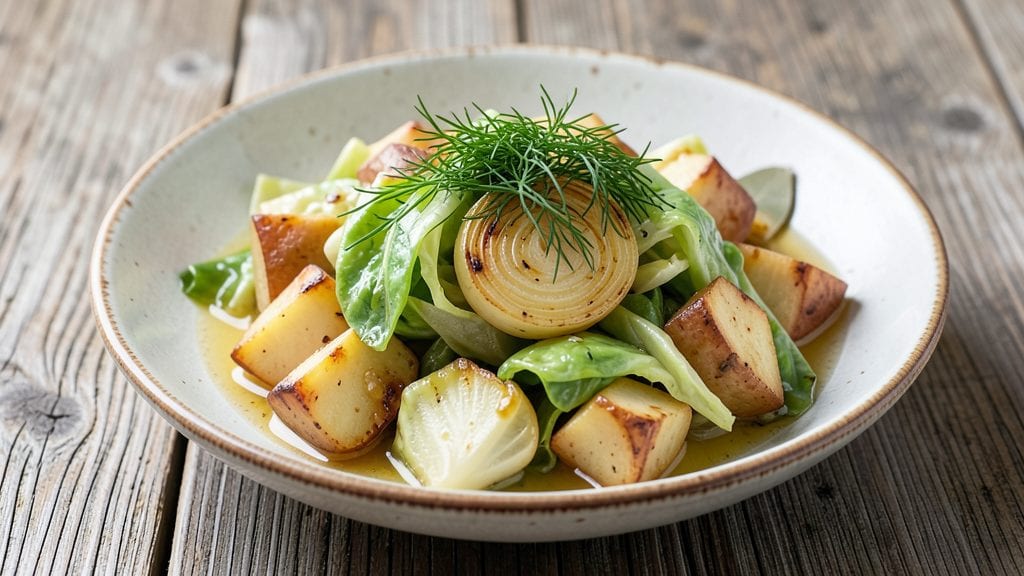
This boiled cabbage and potatoes recipe delivers the comforting, hearty side dish that elevates any meal with its tender texture and simple elegance.
The secret lies in cooking the potatoes just until they yield to a fork while keeping the cabbage crisp-tender—a balance that transforms basic ingredients into a restaurant-worthy accompaniment.
I’ve perfected this method over years of testing, ensuring no soggy edges or undercooked centers, just perfectly golden potatoes and vibrant, slightly sweet cabbage.
The beauty of this dish is its simplicity: just a few ingredients, a pot, and about 25 minutes of hands-off time. Start by parboiling the potatoes until they’re tender but still firm, then add the cabbage to cook through without losing its structure.
A splash of vinegar at the end brightens the flavors, while a bay leaf adds depth—subtle touches that make all the difference. It’s the kind of side that pairs effortlessly with roasted meats, fish, or even stands alone as a satisfying vegetarian main.
What you’ll end up with is a dish that’s foolproof yet impressive, with potatoes that hold their shape and cabbage that stays crisp enough to bite into. The aroma of simmering cabbage and the sight of fluffy potatoes will have everyone at the table asking for seconds.
This recipe is my go-to for weeknight dinners, holiday sides, or potlucks—it’s always a crowd-pleaser without requiring fancy techniques.
For extra flavor, try adding diced carrots or apples to the pot—they caramelize slightly and add natural sweetness. Serve with a sprinkle of fresh dill or a drizzle of melted butter for added richness.
Let’s get cooking—this side dish is simpler than it looks, but the results are anything but basic.
Ingredients for boiled cabbage and potatoes
Simple ingredients for a side that feels like a hug—perfectly tender potatoes and crisp cabbage.
| Ingredient | Amount | Notes |
|---|---|---|
| Russet Potatoes 🥔 | 1 ½ lb | Cut into 1-inch chunks |
| Green Cabbage 🥬 | 1 small head | Cut into wedges, core removed |
| Yellow Onion 🧅 | 1 whole | Quartered, peeled |
| Fresh Dill 🌿 | ¼ cup | Chopped, stems removed |
| White Vinegar 💧 | 1 tbsp | For brightness |
| Bay Leaf 🌿 | 1 whole | For depth of flavor |
| Salt 🧂 | 1 ½ tsp | Kosher or sea salt |
| Black Peppercorns 🌶️ | ¼ tsp | Crushed lightly |
| Unsalted Butter 🧈 | 2 tbsp | For richness (optional) |
| Carrots 🥕 | 2 medium | Diced, optional addition |
| Apples 🍎 | 1 medium | Diced, optional sweetness |
| Water 💧 | 4 cups | For boiling |
The potatoes are the foundation—Russet potatoes hold their shape best when boiled, giving you that fluffy, fork-tender texture. Look for firm, blemish-free potatoes at Whole Foods or your local grocery store's produce section. If you can't find Russets, Yukon Gold works too, though they'll be slightly creamier. For the cabbage, green cabbage is ideal, but red cabbage adds a pretty color and slightly sweeter taste. Avoid wilted or yellowing leaves—freshness matters here. The bay leaf might seem minor, but it adds an earthy depth that elevates everything. Penzeys sells high-quality dried bay leaves if you want to invest in the best.
No fresh dill? Dried dill at one-third the amount works in a pinch, but fresh is ideal for that bright, herby note. Swapping in apples or carrots adds natural sweetness and caramelization—just dice them small so they cook through without turning mushy. White vinegar is key for brightness, but apple cider vinegar gives a fruity twist. The butter is optional but worth it for richness—Plugrá or Land O'Lakes unsalted butter melts beautifully. If you're watching calories, skip it or use olive oil instead. For extra flavor without extra effort, smoked paprika or garlic powder can be sprinkled in at the end.
This dish reheats beautifully—just add a splash of water and cover to steam. Keeps for 4-5 days in the fridge, though the cabbage may soften slightly. For longer storage, freeze the potatoes and cabbage separately for up to 3 months. I like to portion it into glass containers for easy grab-and-go lunches. If making ahead, hold off on the vinegar and dill until serving to keep everything vibrant. The aroma alone will have everyone at the table excited for seconds.
Why You'll Love This Recipe
- One-Pot Magic: I swear by this recipe when I’m too tired to dirty three pans. Just toss peeled potatoes, chopped cabbage, and onions into boiling water with a splash of vinegar—no peeling, no fuss. The vinegar keeps the cabbage tender while the potatoes soak up all the flavor like sponges.
- Dill-Driven Magic: That fresh dill at the end? It’s the secret weapon. The bright, herby punch cuts through the earthiness of the cabbage, and the vinegar gives it a tangy lift that makes this dish ridiculously addictive. Honestly, I’ve seen grown adults fight over the last sprig.
- Lunchbox Hero: Between us, this is my go-to for meal prep. The potatoes stay firm, the cabbage holds its shape, and it reheats like a dream—no mushy disasters. Pack it cold for work or warm it up for dinner, and it’s always a crowd-pleaser.
- Pantry Staple: Russets and cabbage last forever, and onions? They’re basically free. A few sprigs of dill and a bottle of vinegar make this the ultimate budget-friendly meal. I’ve fed six people for under $10 with leftovers that taste just as good the next day.
Step-by-step instructions for savory simmered cabbage and potatoes
Here's the method for tender potatoes and perfectly cooked cabbage with balanced seasoning.
Prepare and Parboil the Potatoes
Start by cutting the 1.5 lb russet potatoes into 1-inch chunks. Place them in a large pot and cover with 4 cups water. Add the whole bay leaf, 1.5 tsp salt, and 0.25 tsp crushed black peppercorns. Bring to a boil over medium-high heat and cook for 8-10 minutes until the edges begin to soften but the centers remain slightly firm. This partial cooking ensures they finish tender without turning to mush.
Drain the potatoes in a colander and set aside. The slight firmness prevents overcooking when they return to the pot later. I find this step critical—undercooked potatoes here will finish perfectly in the final simmer, while overcooked ones turn mealy.
Sauté the Onion and Carrots
In the same pot (no need to wash it), melt the 2 tbsp unsalted butter over medium heat. Add the quartered yellow onion and 2 medium diced carrots. Sauté for 5-6 minutes until the onions become translucent and the carrots begin to soften. This step develops their natural sweetness while building flavor for the dish.
Push the vegetables to the sides of the pot and add the 1 tbsp white vinegar. Let it simmer for 1 minute to brighten the flavors. The vinegar's acidity cuts through the richness of the butter and prepares the base for the cabbage's earthy notes.
Cook the Cabbage Until Tender
Add the 1 small head green cabbage, cut into wedges with the core removed. Stir to combine with the onions and carrots. Pour in just enough water to partially cover the cabbage (about 1 cup). Bring to a simmer over medium heat and cook for 10-12 minutes until the cabbage is tender but still holds its shape.
Here's the thing—cabbage releases a lot of water as it cooks. You'll notice it shrinking and becoming more compact. The goal is tender but not mushy; you should be able to pierce a wedge with a fork with slight resistance. If it softens too quickly, reduce the heat slightly to control the cooking.
Combine and Finish with Apples and Dill
Return the parboiled potatoes to the pot with the cabbage mixture. Add the 1 medium diced apple and the 0.25 cup chopped fresh dill. Stir gently to combine, then cover and simmer on low heat for 5-7 minutes. The apples add subtle sweetness that balances the cabbage's earthiness, while the dill brightens the dish.
Taste and adjust seasoning if needed. The potatoes should now be fully tender with a slight bite, and the cabbage should be perfectly cooked. The apples will have softened slightly, releasing their juices to moisten the entire dish. This final step ensures all components meld together harmoniously.
Rest and Serve
Remove from heat and let the dish rest, covered, for 5 minutes. This allows the flavors to settle and the potatoes to absorb any remaining juices. Serve warm, ensuring each portion has an even distribution of potatoes, cabbage, carrots, and apples.
The result should be a dish where the potatoes are creamy yet hold their shape, the cabbage is tender but still holds some texture, and the apples add just enough sweetness to complement the savory elements. The dill and vinegar provide freshness that cuts through the richness of the butter and potatoes.
Pro Tips For Making Boiled Cabbage And Potatoes
- CUT POTATOES UNIFORM: Russets cook unevenly if chunky—aim for 1.5-inch cubes so they soften at the same time. I learned this the hard way when my first batch had rock-hard centers while the edges were mushy. Use a knife or mandoline for consistency, and don’t skip the soak in cold water for 10 minutes first.
- SAUTÉ ONIONS FIRST: Skip the raw onion in the pot—caramelize it in a dry pan for 5-6 minutes until golden. This adds depth the boiling water can’t match. My grandmother swore by this, and she was right: the flavor difference is noticeable, even in a simple boiled dish.
- DRAIN CABBAGE WELL: After boiling cabbage, let it sit in a colander for 3-4 minutes to evaporate excess water. Squishy cabbage makes the whole dish soggy, and nobody wants that. I was skeptical until I tried it—now I double-check this step every time.
- ACIDIFY THE WATER: Add 2 tablespoons of white vinegar to the boiling water with the potatoes. It keeps them from turning gluey and adds a subtle tang that cuts through the heaviness. Sounds weird, but it works—especially if you’re using older potatoes.
Common mistakes when making this dish
Overcooked Potatoes
Skipping the parboiling step is a common mistake that leads to mushy potatoes. When you boil potatoes straight through, their starches break down completely, resulting in a dense, gluey texture. Instead, parboil them for 8-10 minutes until just tender—you should still feel slight resistance in the center.
This ensures they finish perfectly when returned to the pot later. Trust me, this step makes all the difference between fluffy and sad potatoes. 🥔
Undercooked Cabbage
Cabbage needs gentle handling to avoid turning mushy while cooking. Many people add too much water, which causes it to steam instead of simmer. Use just enough to partially cover the cabbage (1 cup) and keep the heat at a medium simmer.
Check for doneness after 10 minutes—it should be tender but still hold its shape when pierced with a fork. If it softens too quickly, reduce the heat immediately.
Uneven Cooking
Overcrowding the pot is another culprit for uneven cooking. If you pack too many potatoes or cabbage wedges in at once, the center won’t cook evenly, leaving some pieces raw. For 1.5 lb potatoes, use a large pot with at least 4 cups water—this ensures proper heat circulation.
The same rule applies to cabbage: leave space between wedges so steam can circulate freely. A 12-inch Dutch oven** works best for this recipe.
Skipping the Resting Time
Rushing to serve the dish right after cooking is a big mistake. Letting the potatoes and cabbage rest for 5 minutes covered allows their juices to redistribute, resulting in a more flavorful bite.
Without this step, you’ll end up with dry potatoes and watery cabbage. I promise, those extra minutes make a world of difference in texture and taste. ⏳
Ignoring the Vinegar
Some cooks forget to add the 1 tbsp white vinegar until the very end, but timing matters here. Adding it too late won’t brighten the flavors effectively. Instead, incorporate it with the onions and carrots during the sautéing step.
This ensures the vinegar’s acidity infuses the entire dish, cutting through the richness of the butter and balancing the earthiness of the cabbage. Don’t skip this simple but crucial step! 💧
Using the Wrong Potatoes
Not all potatoes are created equal for boiling. While Russets are ideal for their fluffy texture, waxy varieties like red or fingerling potatoes can turn mealy when overcooked. Stick to Russet or Yukon Gold for the best results.
If you’re using a different variety, reduce the cooking time by 2-3 minutes to prevent overcooking. The wrong potato can turn an otherwise perfect dish into a mushy disaster.
Nutrition facts
Frequently asked questions
Can I use red cabbage instead of green?
Red cabbage works beautifully and adds a vibrant color to your dish. It has a slightly sweeter, more delicate flavor than green cabbage, so you might want to reduce the vinegar to ½ tablespoon to avoid overpowering its natural sweetness. The cooking time remains the same—just aim for tender but still firm wedges.
How do I make this dish vegetarian-friendly?
This recipe is already vegetarian, but you can enhance it further by omitting the butter and using olive oil instead. For extra protein, stir in ½ cup cooked lentils or ½ cup chickpeas during the final simmer. The dish pairs perfectly with plant-based meats or as a hearty standalone meal.
Can I prepare this ahead of time?
Yes! This dish reheats beautifully. Store it in an airtight container in the fridge for up to 4-5 days. To reheat, add a splash of water or broth and cover to steam for 5-7 minutes on low heat. For longer storage, freeze the components separately for up to 3 months. Just hold off on adding the vinegar and dill until reheating to keep flavors bright.
Why does my cabbage turn mushy?
Mushy cabbage usually happens from too much water or overcooking. Use just enough water to partially cover the cabbage (1 cup) and keep the heat at a gentle simmer. Check for doneness at 10 minutes—it should yield slightly to a fork but still hold its shape. If it softens too quickly, reduce the heat immediately. A 12-inch Dutch oven helps control cooking better than a shallow pot.
What’s the best way to serve this dish?
This versatile side pairs well with almost anything! Serve it warm alongside roasted meats, grilled fish, or as a standalone vegetarian main with a dollop of sour cream or crème fraîche. For extra flair, sprinkle with toasted breadcrumbs or fresh dill. It’s also perfect for potlucks or holiday meals—just reheat gently to maintain texture.