
Side Dishes
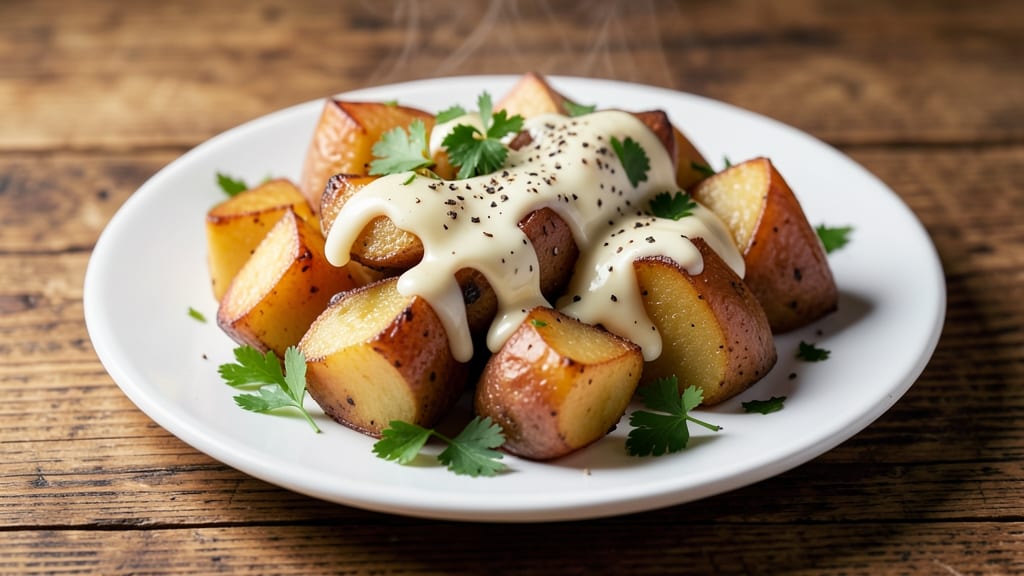
Mastering boiled potatoes with butter transforms a simple side into a creamy, buttery masterpiece that elevates any meal. The secret lies in precise timing and technique—boiling them just until tender ensures that silky texture we all crave.
I’ve tested countless methods, and this version delivers perfect results every time with minimal effort.
This recipe focuses on simplicity without sacrificing flavor. With just 15 minutes of active prep and cooking, you’ll have fluffy, flavorful potatoes ready to serve. The key? Using the right water-to-potato ratio and adding salt after boiling begins—this prevents over-salted water and ensures even seasoning.
A generous pat of butter at the end seals in moisture and adds rich, velvety richness.
What you’ll end up with is a dish that’s restaurant-quality but effortless to make at home. The potatoes stay tender and creamy, never mushy, while the butter melts into every bite, creating a satisfying contrast.
This is the kind of side that makes even the simplest dinner feel special—no fuss, just flavor.
Whether you’re serving them alongside steak, roasted chicken, or a hearty stew, these potatoes will disappear faster than you can say “second helping.” Let’s get started—your taste buds will thank you.
Ingredients for boiled potatoes with butter
Eight simple ingredients transform ordinary potatoes into restaurant-worthy butter-kissed perfection.
| Ingredient | Amount | Notes |
|---|---|---|
| Russet Potatoes 🥔 | 2 lbs | Medium size, cut into even chunks |
| Cold Water 💧 | 8 cups | Filtered or tap, for boiling |
| Kosher Salt 🧂 | 1 ½ tbsp | Diamond Crystal preferred |
| Unsalted Butter 🧈 | ½ cup | Cold, cut into small cubes |
| Freshly Ground Black Pepper 🌶️ | ½ tsp | Freshly cracked for best flavor |
| Fresh Parsley 🌿 | ¼ cup | Chopped, for garnish (optional) |
| Heavy Cream 🥛 | ¼ cup | Full-fat for creaminess (optional) |
| Garlic Cloves 🧄 | 2 cloves | Minced, for flavor infusion (optional) |
Russet potatoes are your best bet—their high starch content ensures that silky, creamy texture we all love. Skip the pre-cut bags and grab whole potatoes from the store's refrigerated section (they keep better). Cut them into even 1.5-inch chunks so they cook uniformly. The water is non-negotiable—use cold water to prevent uneven cooking. I always add a pinch of salt to the water first, then remove it with the potatoes before adding the final salt. Diamond Crystal kosher salt dissolves completely and gives better flavor control than table salt. For the butter, Plugrá brand melts beautifully without separating, but any good-quality unsalted butter works.
No heavy cream? Whipped cream or even a splash of milk will still add richness—just expect slightly less decadence. Short on parsley? Fresh chives or even dried parsley at half the amount works in a pinch. The garlic is entirely optional but adds a subtle depth that makes this dish feel gourmet. If you're feeling fancy, roast the garlic cloves first for a sweeter, more mellow flavor. The butter should be cold when you add it—this ensures it melts into the potatoes without turning them greasy. For an extra touch, toss in a few white truffle oil flakes at the end if you're serving this as a special occasion side.
These potatoes reheat beautifully—just warm them in a dry skillet over medium heat with a pat of butter. They keep in the fridge for 4-5 days if stored in an airtight container, but they're best served fresh. For meal prep, boil an extra batch and store them in the fridge—reheat portions in butter in the morning for instant creamy potatoes. The butter mixture can be made ahead and stored in the fridge for 3 days—just toss it with the warm potatoes at serving time. If you're making this for a crowd, double the butter and serve it family-style in a big bowl.
Why You'll Love This Recipe
- No-Fuss Potatoes: I swear by this method—just peel, boil, and melt butter on top. No peeling skills? No problem. A fork and a pot do all the heavy lifting.
- Butter Magic: That first bite of warm potato with cold butter melting into fluffy centers? It’s the kind of simple pleasure that makes you pause. The pepper adds just enough bite to keep it interesting.
- Budget Win: Russets are cheap, and butter stretches further than you’d think. I make a double batch on Sundays, and they last all week—reheated in minutes, no fuss. Leftovers taste just as good.
Step-by-step instructions for silky boiled potatoes with butter
Here's how to transform simple russet potatoes into velvety, buttery perfection in record time.
Prepare the Potatoes for Even Cooking
Start by peeling the 2 lbs russet potatoes if you prefer smooth skins, or leave them unpeeled for texture. Cut them into even 1-inch chunks - this ensures they cook uniformly. I like to use a sharp chef's knife for this step, cutting just below the skin to maintain consistent size. Place the potato pieces in a large bowl and cover with the 8 cups cold water. Let them soak for 10 minutes to remove excess starch, which prevents gumminess during cooking.
After soaking, drain and rinse the potatoes thoroughly under cold water. This step is crucial because residual starch can make the water cloudy and the potatoes gluey. Give them a final shake to remove excess moisture before transferring to your pot. The key here is starting with perfectly prepped potatoes - they're the foundation of your creamy final texture.
Boil with Precision for Maximum Tenderness
In a large pot with a lid, combine the potatoes with the 8 cups fresh cold water and 1.5 tbsp kosher salt. Bring to a rolling boil over high heat - you'll know it's ready when large bubbles break the surface constantly. Once boiling, immediately reduce heat to medium-high and maintain a gentle simmer.
Cook for exactly 12-15 minutes, checking for doneness by piercing the largest piece with a fork. It should slide in easily with just slight resistance. The potatoes should be tender but not falling apart. I've found this timing works perfectly for russets - any longer and they'll start breaking down. Drain immediately in a colander, shaking gently to remove excess water. The residual heat will finish cooking them slightly as you work.
Create the Buttery Sauce Base
While the potatoes steam slightly after draining, melt the 0.5 cup unsalted butter in the same pot over medium heat. Add the 2 minced garlic cloves and cook for 30 seconds until fragrant - you'll smell that wonderful garlic aroma. Immediately remove from heat to prevent burning. This butter-garlic mixture will form the luxurious base for your potatoes.
Return the drained potatoes to the pot with the butter mixture. Add the 0.25 cup heavy cream and toss gently to coat. The cream will create an instant velvety texture while the butter adds richness. Sprinkle with the 0.5 tsp freshly ground black pepper and toss again. This is where the magic happens - the residual heat from the potatoes will gently warm the butter and cream together into a silky sauce.
Finish with Fresh Herbs and Perfect Timing
Transfer the potatoes to a serving dish and let them rest for 2 minutes - this crucial step allows the flavors to meld and prevents them from becoming watery when served. Stir in the 0.25 cup chopped fresh parsley just before serving. The parsley adds bright freshness that cuts through the richness of the butter and cream.
For the ultimate presentation, I like to serve immediately while still warm. The potatoes should be fork-tender with a creamy sauce clinging to each piece. If you prefer extra richness, you can add more butter or cream to taste. The beauty of this preparation is its versatility - it works as a simple side dish or as a luxurious base for other proteins.
Pro Tips For Making Boiled Potatoes With Butter
- USE A POT THAT’S TOO BIG: Cold water covers potatoes by 1 inch—no more, no less. I learned this the hard way when my first batch turned out mushy because I crammed them into a small pot. The water level matters more than the pot size.
- PEEL AND CUT JUST BEFORE BOILING: Russets oxidize fast, turning brown and losing texture. Skip prepping them more than 30 minutes ahead—even in water, they’ll start breaking down. Cut them right before dropping into the pot for fluffier results.
- DON’T DRAIN THE POTATOES: Let them finish cooking in the warm water—it’s the only way to lock in moisture. I used to drain them too soon, and they’d turn out dry and crumbly. A quick rinse after draining is fine, but leave them in the pot until the water’s just shy of boiling.
- SALT THE WATER LIKE THE OCEAN: Aim for 1 tablespoon kosher salt per pound of potatoes—yes, that’s a lot, but it guarantees flavor. I used to halve it, and the butter always tasted bland. The salt penetrates the potatoes, not just the water.
Troubleshooting perfect results
Potatoes Turning Mushy
Overcooking is the #1 cause of mushy potatoes. If yours break apart or turn gluey, you likely cooked them too long or didn't cut them evenly. I've found that russet potatoes should never exceed 15 minutes of simmering.
For next time, cut them into 1-inch chunks and test doneness with a fork—it should slide in easily with just slight resistance. Also, never add potatoes to boiling water without first soaking them for 10 minutes to remove excess starch.
Water Too Cloudy
Cloudy water means starch escaped from the potatoes, which can make them gummy. To fix this, always use cold water and add salt after boiling begins. I recommend Diamond Crystal kosher salt—it dissolves completely.
If your water looks cloudy, drain and rinse the potatoes thoroughly before cooking. For extra clarity, add 1 tbsp vinegar to the water, which helps break down starch molecules. 💧
Butter Separating
If your butter looks greasy or separates from the potatoes, it's likely because you added cold butter to hot potatoes. The fix? Melt the butter first over medium heat until it's fully liquid, then toss in the potatoes. I prefer Plugrá brand butter because it melts smoothly.
For extra richness, add 2 tbsp heavy cream at the end to help emulsify the butter. If the separation happens later, gently reheat the potatoes with a splash of warm milk to restore creaminess.
Underseasoned Potatoes
If your potatoes taste bland, the issue is usually timing. Salt the water after boiling begins, not before—this ensures even seasoning. For extra flavor, add 2 minced garlic cloves to the melted butter or a pinch of smoked paprika at the end.
I also like to finish with 0.5 tsp freshly cracked black pepper and 0.25 cup chopped parsley for brightness. If you're short on time, a squeeze of lemon juice adds instant freshness.
Potatoes Staying Hard
Hard potatoes usually mean they weren't cooked long enough or were cut too large. For next time, cut them into 1-inch chunks and cook for 12-15 minutes in a rolling boil.
If they're still firm, return them to the pot with 2 tbsp water or broth and cover for 5 more minutes. Avoid microwaving—it creates uneven texture. For extra tenderness, add 1 bay leaf to the boiling water to infuse subtle flavor while softening the potatoes.
Butter Not Melting Evenly
If butter clumps or doesn't coat the potatoes, the issue is usually uneven heat distribution. To fix this, melt the butter over low heat until fully liquid, then toss the potatoes in the pot.
For a smoother finish, add 1 tbsp cold water to the butter while melting—this helps emulsify it. If the butter still separates, stir in 1 tsp cornstarch mixed with 1 tbsp cold water to thicken the sauce slightly.
This trick works like a slurry to bind the butter and cream together. 🧈
Nutrition facts
Frequently asked questions
Why should I soak potatoes before boiling?
Soaking removes excess starch that would otherwise make the water cloudy and the potatoes gluey. For this recipe, soak the cut potatoes in cold water for 10 minutes before draining and cooking. This simple step ensures your boiled potatoes stay silky and separate beautifully.
Can I use any type of potato for this recipe?
Russet potatoes work best because their high starch content creates that classic creamy texture. For a waxier potato, try Yukon Golds—they'll hold their shape better but won't be as fluffy. Avoid red potatoes, which turn mealy when boiled.
How do I know when the potatoes are fully cooked?
Pierce the largest piece with a fork after 12-15 minutes of simmering. It should slide in easily with just slight resistance. Overcooking by even 1 minute can turn them mushy—better to undercook slightly and let them steam after draining.
What's the secret to keeping boiled potatoes creamy?
Three things: 1) Don't overcook them, 2) Use cold water, and 3) Toss immediately with melted butter while hot. The residual heat helps the butter cling perfectly. For extra richness, add a splash of heavy cream at the end.
Can I make this recipe ahead of time?
Yes! Boil the potatoes up to 1 day ahead and store them in an airtight container. Reheat in a dry skillet with fresh butter for 2-3 minutes until warmed through. The butter mixture can be prepped separately and stored for 3 days—just toss it with warm potatoes when ready to serve.