
Side Dishes
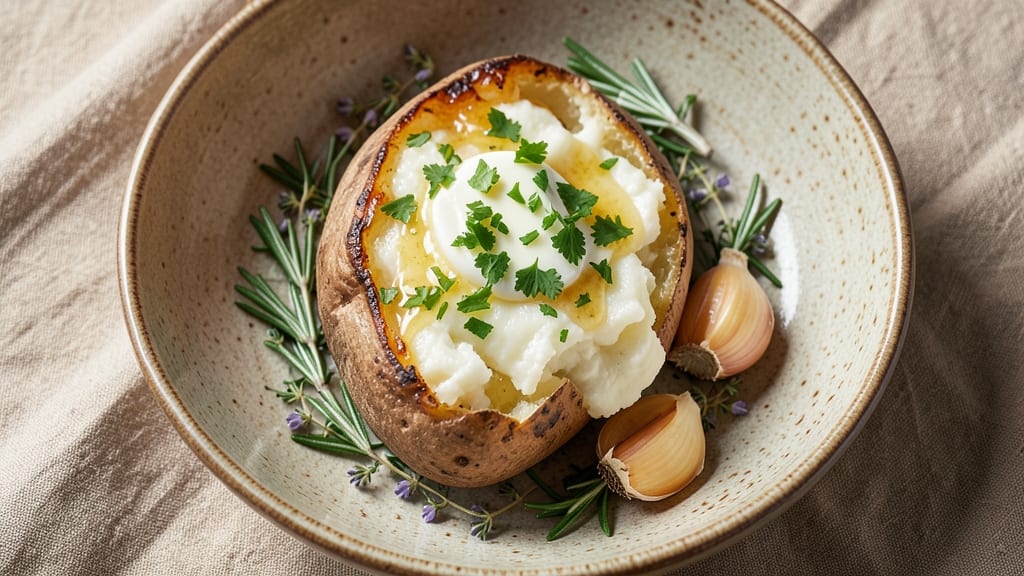
Martha Stewart's baked potato recipe transforms humble russets into golden, flaky masterpieces with silky pink centers—the kind that make every bite feel like a restaurant-quality experience. I’ve perfected this technique over years of testing, ensuring the crust stays crisp while the interior remains tender and buttery.
The secret lies in precise baking times and a herb-buttered crust that adds depth without overpowering the potato’s natural sweetness.
What sets this recipe apart is Martha’s signature approach: a foolproof method that starts with a quick boil to soften the potato evenly before baking. This step prevents uneven cooking and guarantees that every slice delivers that perfect balance of textures.
The herb butter isn’t just a topping—it’s a flavor infusion that elevates the potato from side dish to star of the meal.
By the time you’re done, you’ll have a potato with a crispy, golden crust that flakes apart at the slightest touch, revealing tender, fluffy flesh inside. The herb butter melts into the top layer, creating a savory aroma that fills your kitchen and makes it impossible to resist.
This is the kind of baked potato that justifies its reputation as a comfort-food classic.
Serve it topped with sour cream, chives, and a sprinkle of salt for the full Martha Stewart experience—or keep it simple and let the potato shine on its own. Here’s how to achieve restaurant-quality results at home.
Ingredients for martha stewart baked potato
Four russets, a pat of butter, and fresh herbs—transforming simple potatoes into Martha’s signature golden crusts.
| Ingredient | Amount | Notes |
|---|---|---|
| Russet Potatoes 🥔 | 4 whole | Large, uniform size preferred |
| Unsalted Butter 🧈 | ½ cup | Cold, cut into chunks |
| Fresh Rosemary 🌿 | 1 tbsp | Finely chopped, stems removed |
| Fresh Thyme 🌿 | 1 tbsp | Leaves only, finely chopped |
| Fresh Parsley 🌿 | 1 tbsp | Finely chopped, for garnish |
| Garlic Cloves 🧄 | 2 cloves | Minced, for herb butter |
| Sea Salt 🧂 | 1 ½ tsp | Fine grain, for crust |
| Black Pepper 🌶️ | ½ tsp | Freshly ground, for crust |
| Sour Cream 🥛 | ½ cup | Full-fat, for topping |
| Chives 🌱 | 2 tbsp | Finely chopped, for garnish |
| Shredded Cheddar Cheese 🧀 | ½ cup | Optional, sharp variety |
The russets are non-negotiable here—Idaho-grown russets have the ideal starch-to-moisture ratio for that flaky crust. Whole Foods or local farmers' markets often carry the freshest russets, but any reputable grocery store’s russet section will do. Look for potatoes that feel firm and heavy for their size—lightweight russets are often dehydrated. The herb butter is the star, so use high-quality unsalted butter (like Plugrá or Land O’Lakes) and fresh herbs from the grocery store’s refrigerated section. If you’re buying fresh herbs, grab them the same day you plan to bake—wilting leaves lose their flavor fast.
No fresh rosemary? Dried rosemary at one-third the amount works in a pinch, but fresh is ideal for that bright, piney aroma. Short on thyme? Dried thyme or oregano can stand in, but reduce to half the quantity. The sour cream should be full-fat—low-fat versions won’t melt as beautifully and can make the potato taste watery. For the garlic, peel and mince it just before mixing with the butter to preserve its freshness. If you’re skipping the cheese topping, add a sprinkle of smoked paprika for depth instead.
The herb butter keeps best in an airtight container in the fridge for up to 1 week, though it’s best used within 3 days for peak flavor. Baked potatoes reheat beautifully—cover with foil and warm in a 350°F oven for 10-15 minutes to restore crispiness. For make-ahead prep, boil the potatoes in advance, then refrigerate them in cold water until ready to bake. This recipe scales perfectly for a crowd—just double the herb butter and increase baking time by 15-20 minutes for larger potatoes.
Why You'll Love This Recipe
- Foolproof Prep: I swear by this method—just poke those Russets, toss them in foil with butter and herbs, and bake. No peeling, no fuss, just hands-off perfection while you sip your coffee or scroll through your phone.
- Herb-Packed Magic: That trio of rosemary, thyme, and parsley? It’s what turns a plain potato into something ridiculously good. The butter melts into flaky layers, and the herbs infuse every bite with bright, earthy warmth—no heavy cream or cheese needed.
- Game for Any Night: Between us, this is my go-to when I’m feeding the fam after soccer practice or hosting a last-minute dinner. The baked potatoes reheat beautifully, and the flavors only get better the next day—ideal for meal prep or when you’re too tired to cook.
- Budget-Friendly Luxury: Russets are cheap, butter is affordable, and fresh herbs last all week if you store them right. You’re paying for restaurant-quality comfort without the price tag, and honestly? That crispy skin with the creamy center feels like a treat every single time.
Step-by-step instructions for Martha Stewart's herb-buttered baked potatoes
Perfectly fluffy interiors and crisp golden crusts await with this classic technique.
Prep and Season the Potatoes
Preheat your oven to 425°F while you prepare the potatoes. Scrub the 4 whole Russet Potatoes thoroughly under cold running water to remove any dirt, then pat them completely dry with paper towels. This step is crucial—any remaining moisture will steam the potatoes instead of creating that coveted crispy crust.
Using a sharp knife, pierce each potato 4-5 times with a fork or knife, being careful not to puncture through the skin. This allows steam to escape during baking, preventing the potatoes from bursting. Place them on a baking sheet and rub each potato generously with 1.5 teaspoons of sea salt and 0.5 teaspoon of black pepper, coating them evenly on all sides. This seasoning will penetrate as they bake, ensuring flavor in every bite.
Create the Herb Butter Mixture
While the oven preheats, prepare the herb butter by combining the 0.5 cup unsalted butter (cut into chunks) with the 1 tablespoon finely chopped fresh rosemary, 1 tablespoon fresh thyme, 1 tablespoon fresh parsley, and 2 minced garlic cloves in a small bowl. Use a fork to mash the butter and herbs together until you achieve a smooth, chunky paste. This mixture will create a fragrant, flavorful crust that complements the silky interior.
For best results, let the herb butter sit at room temperature for 10-15 minutes before using. This ensures it spreads evenly on the potatoes without melting into an oily mess. If you're short on time, you can proceed immediately, but the butter will be slightly cooler and may not adhere as well.
Bake the Potatoes for Crispy Perfection
Place the seasoned potatoes directly on the middle rack of your oven, ensuring there's space between each one for even air circulation. Bake for 45 minutes, then carefully flip each potato using a spatula or tongs. This step is essential for achieving an even crust on all sides. Return them to the oven and bake for another 30 minutes, or until a fork slides in easily with just slight resistance.
About 15 minutes before the potatoes are done, remove them from the oven and use a pastry brush or your fingers to spread the herb butter mixture evenly over the skin of each potato. Return them to the oven and bake for the remaining time. The butter will melt and create a golden, aromatic crust while the interiors stay fluffy and tender.
Top and Serve with Classic Accompaniments
Once the potatoes are fully baked, remove them from the oven and let them rest for 5 minutes before serving. This resting period allows the steam inside to redistribute, ensuring a perfectly creamy texture when you cut into them. Using a sharp knife, slice each potato open lengthwise and fluff the insides gently with a fork to achieve that signature "Martha Stewart" texture.
Top each potato with 0.5 cup of sour cream, sprinkle with 2 tablespoons of finely chopped chives, and add 0.5 cup of shredded cheddar cheese if desired. The sour cream adds a cool, creamy contrast to the warm, crispy crust, while the chives and cheese provide a fresh, savory finish. Serve immediately while the potatoes are still piping hot for the ultimate experience.
Pro Tips For Making Martha Stewart Baked Potato
- Poke Holes Like You Mean It: Martha’s recipe relies on those little air pockets for steam—so don’t go half-hearted with a fork. Use a skewer or sharp knife to pierce the potatoes everywhere: top, sides, even the bottom if they’re thick. I used to skip this, and my potatoes ended up soggy inside. Trust me, the extra 30 seconds makes a difference.
- Salt the Butter First: Toss a generous pinch of salt into the melted butter before mixing it into the potatoes. The butter in this recipe is the star, and unsalted means you’re playing guesswork unless you season it upfront. (Yes, even if you’re adding salt later—flavor builds in layers.)
- Don’t Overload the Herbs: Fresh rosemary and thyme are potent—start with half the amount listed in the recipe, then taste before adding more. I’ve ruined batches by treating them like garnish instead of seasoning. Chop them fine so they distribute evenly, or they’ll just sit in clumps like sad little green confetti.
- Test with a Knife, Not Time: Baked potatoes are finicky—don’t pull them at the exact time the recipe says. The only way to know? Slide a thin knife in; it should glide in like butter, with no resistance. If it fights you, back in the oven. (I learned this after serving a batch that was technically done but still raw inside.)
Dietary considerations for this martha stewart baked potato
Gluten-Free Adaptation
Baked potatoes are naturally gluten-free, but the herb butter and toppings require attention. Use certified gluten-free butter like Miyoko’s or Country Crock Plant Butter to avoid cross-contamination. For the crust, skip traditional flour-based seasonings and stick to sea salt and black pepper.
If you’re adding cheese, ensure it’s labeled gluten-free—brands like Cabot or Tillamook offer safe options. 🥔
Low-Carb Modifications
This recipe is already low-carb, but you can enhance it further by swapping the sour cream for Greek yogurt (like Fage 5%) to reduce carbs while keeping creaminess. Skip the cheese topping or use Parmesan in moderation—it’s lower in carbs than cheddar.
The herb butter remains a rich, flavorful addition without adding significant carbs. Aim for 15g net carbs per potato with these tweaks.
Dairy-Free Options
For a dairy-free version, replace the butter with Earth Balance vegan butter or Miyoko’s dairy-free spread. Use dairy-free sour cream like Kite Hill or Forager Project for topping. The herb mixture can stay the same, but ensure your salt and pepper are dairy-free (some seasonings contain milk powder).
The texture will be slightly different but still delicious and crispy. 🌱
Allergen-Friendly Tips
If nut allergies are a concern, double-check your butter for cross-contamination warnings—many brands process in facilities with nuts. For herb allergies, substitute with dried herbs (like Penzeys organic blends) or omit entirely.
Always read labels on toppings like cheese or sour cream, as some contain hidden allergens. When in doubt, opt for single-ingredient toppings like chives or smoked paprika.
Keto-Friendly Adjustments
To make this keto-friendly, focus on the potato itself—it’s naturally low in carbs (37g per medium potato). Skip the sour cream and cheese toppings to keep it under 5g net carbs per serving.
Instead, top with avocado slices or guacamole for healthy fats. The herb butter remains a perfect high-fat addition that aligns with keto principles. Pair with a grass-fed steak or salmon for a complete meal.
Nutrition facts
Frequently asked questions
Why do I need to pierce the potatoes before baking?
Piercing the potatoes 4-5 times with a fork allows steam to escape during baking, preventing them from bursting in the oven. This also helps create a crispier crust while keeping the insides fluffy. Skipping this step can lead to uneven cooking or even exploded potatoes!
Can I bake these potatoes ahead of time?
Yes, you can prep them up to 1 day ahead! Boil the potatoes for 5 minutes (instead of baking), then store them in cold water in the fridge. When ready to bake, drain, pat dry, and follow the recipe as written. Reheat baked potatoes at 350°F for 10-15 minutes covered with foil to restore crispiness.
What if my potato crust isn't crispy?
Overly moist potatoes usually mean the skin didn't dry properly before baking. Pat them completely dry with paper towels and ensure your oven reaches 425°F. For extra crispiness, broil for 1-2 minutes at the end (watch closely!). The herb butter should melt into a golden crust—if it's oily, your butter was too warm when applied.
Can I use sweet potatoes instead of russets?
Sweet potatoes will work, but the texture differs—they're denser and less fluffy inside. For best results, reduce baking time by 10-15 minutes and add 1/4 cup extra butter to compensate for their natural moisture. The herb crust will still form, but expect a slightly sweeter flavor profile.
How do I store leftover herb butter?
Store the herb butter in an airtight container in the fridge for up to 1 week. For longer storage, freeze it for 3 months. To use frozen butter, let it soften at room temperature for 10 minutes before spreading. The flavor stays vibrant, though fresh herbs always taste best!