
Side Dishes
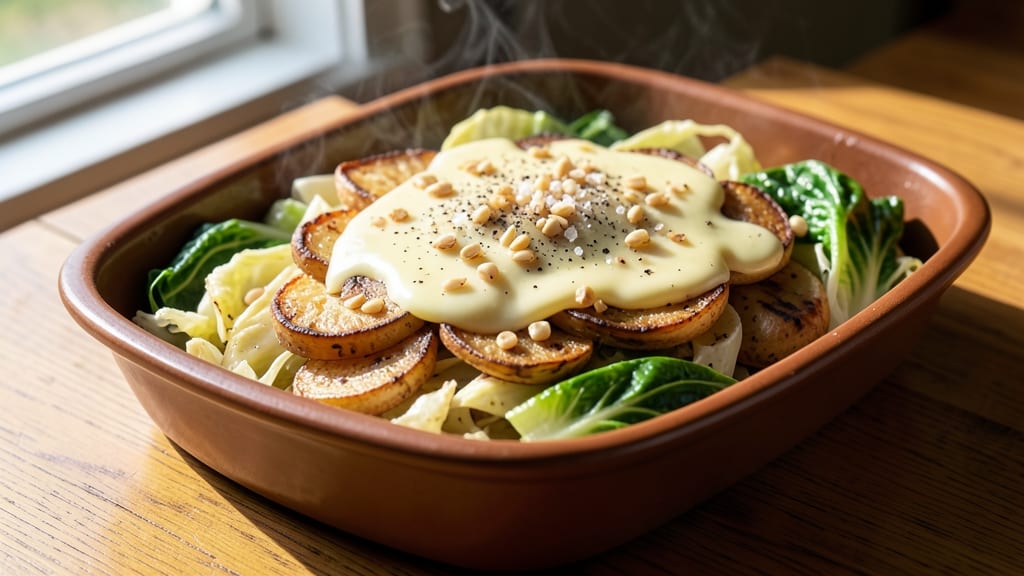
This baked cabbage and potatoes recipe delivers hearty, crispy-topped comfort that transforms simple ingredients into a satisfying side dish with minimal effort.
The secret lies in layering thinly sliced potatoes and cabbage, then baking until golden and tender—a technique that works equally well as a standalone meal or alongside roasted meats.
I developed this method during a particularly busy week when I needed a dish that required almost no attention but still tasted like it came from a family dinner table.
The beauty of this recipe is its foolproof simplicity: just slice, layer, and bake. You'll need only a few basic ingredients—potatoes, cabbage, butter, and seasonings—and about 45 minutes in the oven.
The potatoes develop a crispy, caramelized crust while the cabbage softens into tender, flavorful bites. This approach ensures you get restaurant-quality texture without the fuss of complicated techniques or last-minute shopping trips.
What makes this dish truly special is how it balances rich, savory flavors with a satisfying crunch. The cabbage absorbs the buttery, seasoned potatoes beneath it, creating layers of taste in every bite.
Whether you're serving it alongside roasted chicken, grilled steak, or as a vegetarian main, this recipe delivers comfort food at its finest—warm, hearty, and impossible to resist.
For added depth, consider topping with a sprinkle of fresh herbs or a drizzle of garlic butter before serving. The possibilities for customization are endless, but the core method remains the same: simple, satisfying, and effortlessly delicious. Let's get started on creating your perfect baked cabbage and potatoes dish.
Ingredients for baked cabbage and potatoes
Nine essential ingredients create restaurant-quality comfort with minimal effort and effortless layering.
| Ingredient | Amount | Notes |
|---|---|---|
| Russet Potatoes 🥔 | 2 lbs | Thinly sliced, uniform thickness |
| Green Cabbage 🧅 | 1 whole | Heaviest outer leaves removed |
| Unsalted Butter 🧈 | ½ cup | Cold, cubed for even melting |
| Garlic Cloves 🧄 | 4 cloves | Minced for seasoning blend |
| Diamond Crystal Kosher Salt 🧂 | 1 ½ tsp | For seasoning layers |
| Freshly Ground Black Pepper 🌶️ | 1 tsp | Cracked over top layer |
| Dried Thyme 🌿 | 1 tsp | Or 1 tbsp fresh thyme leaves |
| Dried Rosemary 🌿 | ½ tsp | Crushed between fingers |
| Extra-Virgin Olive Oil 🫒 | 2 tbsp | Drizzled over cabbage layer |
| Fresh Parsley 🌿 | ¼ cup | Chopped for garnish (optional) |
The potatoes are the foundation—Russet delivers the perfect balance of crispy crust and fluffy interior. Local farmers markets often have them pre-washed and packaged, but if shopping conventional stores, look for firm, blemish-free tubers. The cabbage should feel heavy for its size, with crisp outer leaves and no yellowing—Green Mountain or Savoy varieties work best. Prep them simultaneously: slice potatoes first, then core and quarter the cabbage, removing any damaged outer leaves. Both ingredients should be at room temperature before layering to ensure even baking.
No fresh herbs? Dried thyme and rosemary work perfectly when used at half the quantity of fresh, but for optimal flavor, Whole Foods or local grocers carry high-quality dried blends. The butter matters here—European-style (like Plugrá) has higher fat content, creating a richer crust. Substituting margarine will compromise the texture. For a lighter option, reduce butter by 2 tbsp and add 1 tbsp extra-virgin olive oil to the seasoning blend. The garlic should be freshly minced—pre-minced jars lack the aromatic punch. If you're short on time, garlic powder at half the amount works in a pinch, though the flavor will be subtler.
Store prepped potatoes and cabbage separately in airtight containers lined with damp paper towels to maintain moisture. They'll keep in the refrigerator for 3 days, though the potatoes soften slightly after 24 hours. Assemble the dish just before baking for optimal texture. Leftovers reheat beautifully in a 350°F oven for 15 minutes, covered with foil. For meal prep, portion into individual oven-safe dishes and refrigerate—bake straight from cold for 25-30 minutes at 400°F. The dish freezes poorly due to texture changes, so plan to enjoy it fresh.
Why You'll Love This Recipe
- One-Pan Magic: I swear by this—just toss everything on a sheet pan, drizzle with butter, and let the oven do the work. No chopping boards to scrub, no pots to wash. That crispy cabbage edge? Pure reward for zero effort.
- Garlic Butter Bliss: The moment those potatoes soften and the cabbage caramelizes? The garlic butter melts into everything, turning simple ingredients into something rich and savory. Between us, I’ve eaten this straight from the pan—no shame.
- Meal Prep MVP: Make a double batch on Sunday, and you’ve got lunch for the week. The potatoes stay fluffy, the cabbage holds its crunch, and reheating? Just a quick zap in the microwave. My go-to when I’m too tired to cook.
- Budget-Friendly Feast: Russets and cabbage are cheap, but this tastes like a fancy dinner. A single head of cabbage and a few potatoes stretch to feed four, with leftovers that still taste fresh the next day. Honestly, it’s my secret for stretching groceries without sacrificing flavor.
Step-by-step instructions for baked cabbage and potatoes
This method delivers golden, crispy layers while keeping the filling tender and flavorful.
Prep Ingredients for Even Cooking
Begin by preheating your oven to 375°F. Cut the 2 lbs russet potatoes into ¼-inch thick slices, ensuring uniform thickness for even cooking. I use a mandoline for precision—this guarantees consistent doneness throughout. Remove the heaviest outer leaves from the 1 whole green cabbage and cut it into ¼-inch thick wedges, keeping the core intact to maintain shape.
In a small bowl, combine the 4 minced garlic cloves, 1 tsp dried thyme, 0.5 tsp dried rosemary, 1.5 tsp diamond crystal kosher salt, and 1 tsp freshly ground black pepper. This aromatic blend will infuse every layer of your dish. Keep the 0.5 cup unsalted butter cold and cubed—this ensures it melts gradually, creating a rich, crispy topping rather than a greasy one.
Layer and Season the Baking Dish
Lightly grease a 9x13-inch baking dish with 1 tbsp extra-virgin olive oil to prevent sticking. Start by arranging a single layer of potato slices in the dish, slightly overlapping them. Sprinkle ⅓ of the garlic-herb blend evenly over the potatoes, then add a layer of cabbage wedges. Repeat this process, ending with a final layer of potatoes. Press down gently on each layer to ensure even contact with the heat source.
Drizzle the 2 tbsp extra-virgin olive oil evenly over the top layer of potatoes. This step is crucial—it creates a barrier that promotes browning while preventing the top from becoming soggy. Dot the surface with the 0.5 cup cold cubed unsalted butter, spacing the cubes about 2 inches apart. The butter will melt into a golden, crispy crust as it bakes.
Bake Until Golden and Tender
Cover the baking dish tightly with aluminum foil and bake for 45 minutes. This initial covered phase allows the vegetables to soften without drying out. After 45 minutes, remove the foil and increase the oven temperature to 400°F. Return the dish to the oven and bake uncovered for an additional 20-25 minutes until the top is deep golden brown and the butter has formed a crispy, caramelized crust.
To test for doneness, insert a fork into the thickest part of a potato slice—it should slide in easily with slight resistance. The cabbage should be tender when pierced with a fork but still hold its shape. If the edges aren't brown enough, return the dish to the oven for 5-10 additional minutes, watching closely to avoid over-browning.
Rest and Garnish for Serving
Remove the dish from the oven and let it rest for 10 minutes before serving. This resting period allows the juices to redistribute, ensuring each bite is moist and flavorful. While it rests, chop the 0.25 cup fresh parsley finely. The bright, fresh notes of parsley will cut through the richness of the butter and herbs, balancing the dish.
Sprinkle the chopped parsley evenly over the top just before serving. The contrast between the crispy, golden crust and the tender, herb-infused layers creates a satisfying textural experience. Serve warm, straight from the baking dish, and enjoy the comforting flavors of this hearty, one-dish meal.
Pro Tips For Making Baked Cabbage And Potatoes
- CUT POTATOES UNIFORM: Use a mandoline or sharp knife to slice Russets into even ¼-inch rounds—no thick chunks hiding in the back. I learned this the hard way after pulling out undercooked centers from uneven slices. (Yes, it’s tedious, but the payoff is worth it.)
- SALT THE CABBAGE FIRST: Toss shredded cabbage with 1½ tsp kosher salt and let it sit for 10 minutes before baking. This draws out moisture so it crisps instead of steaming into mush—my grandmother’s trick, and it actually works.
- DON’T SKIP THE GARLIC: Smash the cloves instead of mincing them—this keeps their flavor intact and prevents burning. Tuck them into the butter layer before adding the potatoes; they’ll infuse without turning bitter. (I used to burn mine every time.)
- BAKE IN TWO BATCHES: If your pan is crowded, split the potatoes and cabbage into two rounds. Overpacking traps steam, turning crispy edges soggy—no one wants a sad, limp potato. (Trust me, I’ve made this mistake.)
Regional styles of these flavors
German Kartoffelkohl
In Germany, this dish appears as Kartoffelkohl, a traditional side often served with sausages or pork. The key difference is the addition of 2 tbsp apple cider vinegar to the seasoning blend, which adds tangy brightness to balance the richness.
Germans typically use red cabbage instead of green for a sweeter, slightly purple hue—swap in 1 lb red cabbage for a regional twist. 🗺️
Irish Colcannon Twist
Irish cooks transform this into a Colcannon-inspired bake by mixing ½ cup mashed potatoes into the cabbage layer before baking. Add 1 tbsp chopped chives and ½ cup shredded cheddar cheese on top for a cheesy, creamy variation.
The Irish version often includes ½ cup milk in the potato slices before layering for extra moisture. 💛
Polish Bigos-Inspired
For a Polish-inspired take, replace ½ cup potatoes with ½ cup sauerkraut mixed into the cabbage layer. Add 2 tbsp tomato paste to the seasoning blend and top with 4 oz smoked sausage (like kielbasa) during the final 10 minutes of baking.
The tangy sauerkraut and smoky sausage create a deeply flavorful dish. ✨
French Gratin-Style
French chefs elevate this with a gratin finish: after the initial baking, sprinkle ½ cup breadcrumbs mixed with 2 tbsp grated Parmesan over the top and broil for 5 minutes until golden.
The French version also includes 1 tbsp Dijon mustard in the seasoning blend for a subtle depth of flavor. 🌟
Southern U.S. "Potato Cabbage"
In the American South, this dish is known as "Potato Cabbage" and often includes 1 tbsp hot sauce or ½ tsp cayenne pepper for heat. Add 1 cup corn kernels mixed into the cabbage layer for a sweet-and-spicy twist. Serve with crispy fried onions on top for extra crunch. 🔥
Scandinavian Potato-Cabbage
Scandinavian cooks use ½ cup sour cream mixed into the potato layers and top with 2 tbsp chopped dill before serving. The dish is often baked in individual ramekins for a single-serving presentation.
For extra richness, add 2 tbsp crumbled feta cheese on top during the final 5 minutes of baking. 💡
Nutrition facts
Frequently asked questions
Can I use sweet potatoes instead of russet potatoes?
Yes, you can substitute sweet potatoes, but the texture will differ. Sweet potatoes add natural sweetness and a softer interior, while russets create a crispier crust. For best results, slice them ¼-inch thick and reduce baking time by 5-10 minutes since they cook faster. The flavor profile changes subtly but works beautifully in this dish.
What if my cabbage is still crunchy after baking?
Chewy cabbage usually means it didn't soften enough. Try these fixes: increase baking time by 10-15 minutes uncovered, or add 2 tbsp water or broth to the bottom of the dish before baking. For extra tenderness, slice the cabbage ⅛-inch thick instead of ¼-inch next time. The goal is tender-but-firm texture, not mushy.
Can I make this dish ahead of time?
Assemble the dish up to 24 hours ahead and refrigerate uncovered. When ready to bake, add 10 minutes to the covered baking time. For meal prep, portion into individual baking dishes and refrigerate—bake straight from cold at 400°F for 50-55 minutes (covered for 40 minutes, then uncovered). The flavors develop beautifully overnight.
Why did my potatoes turn mushy instead of crispy?
Mushy potatoes usually result from too much moisture or uneven slicing. Ensure your baking dish has drainage holes or use a wire rack over a tray. Slice potatoes ¼-inch thick with uniform thickness, and don't overcrowd layers. Also, avoid adding extra liquid—this dish relies on natural juices. Pat slices dry with a paper towel before layering for extra crispiness.
What are good protein pairings for this dish?
This hearty side pairs beautifully with proteins that complement its rich, buttery flavors. Try grilled chicken thighs, smoked sausage, or pan-seared pork chops for a classic combination. For vegetarian options, add white beans mixed into the cabbage layer or serve with crispy tofu. The crispy top contrasts perfectly with tender meats or plant-based proteins.