
Side Dishes
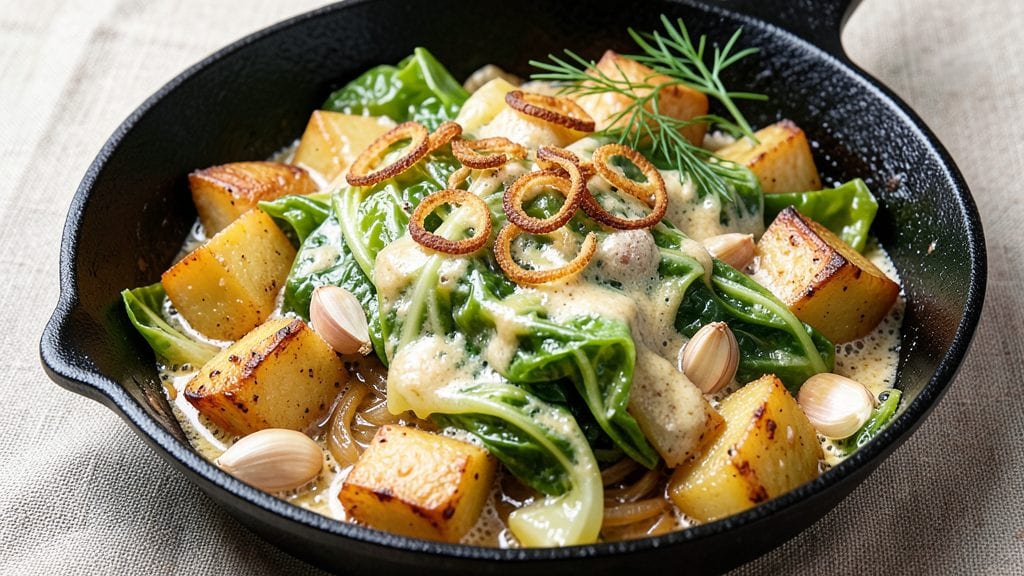
Smothered cabbage and potatoes transforms humble ingredients into a hearty, one-pan masterpiece that tastes like home. This classic dish combines tender potatoes and cabbage in a rich, savory gravy that simmers until everything is perfectly tender and infused with flavor. I developed this recipe to deliver that deep, comforting satisfaction without requiring multiple pots or complicated techniques.
The secret lies in the slow cooking process, which allows the potatoes to soften while the cabbage breaks down into tender, flavorful bites. Using a Dutch oven ensures even heat distribution and creates that signature thick, velvety gravy that makes every bite worth savoring.
It’s the kind of dish that feels indulgent yet remains simple enough for a weeknight dinner.
What you’ll end up with is a dish that’s rich, hearty, and packed with flavor—each bite offering a mix of creamy potatoes, slightly sweet cabbage, and a gravy that’s so savory it’ll have everyone asking for seconds.
The best part? It’s adaptable, so you can add bacon for meat-eaters or mushrooms for vegetarians without losing that comforting essence.
Whether you’re serving a family dinner or meal prepping for the week, this recipe delivers comfort in every spoonful. Let’s get cooking—your taste buds will thank you.
Ingredients for smothered cabbage and potatoes
Fifteen simple ingredients for one-pan comfort that tastes like a hug from grandma.
| Ingredient | Amount | Notes |
|---|---|---|
| Yukon Gold Potatoes 🥔 | 2 lbs | Cut into 1-inch chunks, skin-on |
| Green Cabbage 🥬 | 1 ½ lbs | Green cabbage preferred, cut into wedges |
| Onion 🧅 | 1 whole | Yellow or red, sliced into half-moons |
| Garlic Cloves 🧄 | 6 cloves | Minced, for deep flavor |
| Unsalted Butter 🧈 | ½ cup | Full-fat for richness |
| All-Purpose Flour 🌾 | ¼ cup | For gravy thickening |
| Beef Broth 💧 | 2 cups | Low-sodium preferred |
| Whole Milk 🥛 | ½ cup | Full-fat for creaminess |
| Dried Thyme 🌿 | 1 tsp | Or 1 tbsp fresh thyme |
| Bay Leaves 🍃 | 2 whole | For aromatic depth |
| Diamond Crystal Kosher Salt 🧂 | 1 ½ tsp | Adjust to taste |
| Freshly Ground Black Pepper 🌶️ | ½ tsp | For finishing |
| Apple Cider Vinegar 🍎 | 1 tbsp | Brightens cabbage flavor |
| Bacon (Optional) 🥓 | ½ lb | Cubed, cooked crispy |
| Mushrooms (Optional) 🍄 | 8 oz | Button mushrooms, sliced |
The potatoes are the foundation—Yukon Golds break down beautifully while holding their shape. Grab a bag from Whole Foods or your local market for the best texture, or use whatever russets you've got (just expect slightly drier bites). The cabbage should be firm and crisp, not wilted—Trader Joe's often has great pre-cut wedges if you're short on time. For the onions, yellow or red work equally well, but avoid sweet varieties like Vidalia. The garlic? Freshly minced makes all the difference—pre-minced loses flavor fast. If you're adding bacon, thick-cut from Costco renders the most flavor, but regular supermarket bacon works too.
No beef broth? Chicken broth plus 1 tbsp soy sauce gets you close. Short on thyme? Dried oregano at half the amount works in a pinch, but fresh thyme is ideal. The flour for thickening—King Arthur or Gold Medal brands are reliable—should be measured by spooning into the cup and leveling off. No apple cider vinegar? White vinegar or lemon juice works, but the apple cider adds that subtle sweetness that balances the savory gravy. For the optional add-ins, cremini mushrooms have more earthiness than buttons, but both work. If you're vegetarian, swap the bacon for smoked paprika—just add it with the flour at the end for that smoky depth.
This dish tastes even better the next day—reheats beautifully in the microwave or oven. Store in an airtight container for 4-5 days in the fridge, or freeze portions for up to 3 months. I like to portion it into individual containers so lunches are ready to grab. The gravy thickens as it cools, so add a splash of milk when reheating if it's too stiff. Leftovers make fantastic sandwiches too—just add a fried egg on top for extra indulgence.
Why You'll Love This Recipe
- Here’s what sold me: that first bite where the Yukon Golds are creamy inside but still hold their shape, all wrapped in a sauce that’s rich from the butter and sharp from the garlic. The cabbage? It’s got that satisfying chew, but the real magic is how the flavors seep into every bite—no fancy seasoning needed.
- I’ll be real: this costs me less than $10 for a full family dinner. Cabbage and potatoes stretch forever, and the butter and garlic make it feel like a restaurant dish without the price tag. Honestly, it’s my go-to when I’m low on groceries but still want something hearty and satisfying.
Step-by-step instructions for smothered cabbage and potatoes
This one-pan wonder delivers hearty comfort with minimal effort—rich gravy, tender potatoes, and perfectly softened cabbage.
Sear the Potatoes and Build Flavor Layers
Heat a large Dutch oven over medium-high heat and add the 0.5 cup unsalted butter. Once melted and foaming, add the 2 lbs Yukon Gold potatoes cut into 1-inch chunks, spreading them in a single layer. Let them cook undisturbed for 8-10 minutes until golden brown on one side—this creates the foundation for crispy edges.
If using the 0.5 lb bacon, add the cubed pieces now and cook for 3-4 minutes until crispy. Remove the bacon with a slotted spoon and set aside on paper towels, reserving the rendered fat in the pot. This step transforms simple ingredients into something deeply flavorful.
Cook the Cabbage and Onion with Aromatics
Push the potatoes to one side of the Dutch oven and add the 1 whole onion sliced into half-moons. Cook for 4-5 minutes until softened and slightly caramelized. Add the 1.5 lbs green cabbage cut into wedges, tossing everything together to coat in the rendered fat.
Pour in the 1 tbsp apple cider vinegar and sprinkle with 1 tsp dried thyme and 2 whole bay leaves. Stir well to distribute the acidity and herbs evenly. The vinegar brightens the cabbage while the thyme adds earthy depth—this is where the magic begins.
Deglaze and Simmer for Tender Vegetables
Sprinkle the 0.25 cup all-purpose flour evenly over the vegetables and stir vigorously for 1 minute to coat everything thoroughly. This creates a light roux that will later thicken the gravy. Gradually pour in the 2 cups beef broth, stirring constantly to prevent lumps.
Bring the mixture to a gentle simmer, then reduce heat to low. Cover and cook for 25-30 minutes, stirring occasionally, until the potatoes are fork-tender and the cabbage has softened completely. The vegetables should be just tender enough to collapse under gentle pressure—a fork test is your best guide here.
Finish with Creamy Gravy and Optional Mushrooms
Remove the 2 whole bay leaves and stir in the 0.5 cup whole milk and any reserved bacon fat. If using the 8 oz mushrooms, add them now and cook for 3-4 minutes until they've absorbed the flavors. Season generously with 1.5 tsp Diamond Crystal kosher salt and 0.5 tsp freshly ground black pepper.
Simmer uncovered for an additional 5 minutes to thicken the sauce slightly and let the flavors meld. The gravy should coat the back of a spoon but remain silky rather than gluey. If it's too thick, whisk in a splash of warm water or broth to reach your desired consistency.
Rest and Serve with Crispy Garnishes
Transfer the smothered cabbage and potatoes to serving dishes and let them rest for 5 minutes. This allows the juices to redistribute, ensuring each bite is moist and flavorful. Garnish with the crispy bacon pieces and a sprinkle of extra freshly ground black pepper for contrast.
Serve immediately with crusty bread to soak up the rich gravy. The combination of tender potatoes, sweet cabbage, and velvety sauce creates a deeply satisfying dish that feels like a warm hug on a chilly day. The optional mushrooms add earthy complexity, while the bacon contributes smoky richness—every element works together to deliver maximum comfort.
Pro Tips For Making Smothered Cabbage And Potatoes
- PARBOIL POTATOES FIRST: I learned this the hard way—skipping the parboil means your Yukon Golds turn to mush under the cabbage’s steam. Cut them into even 1-inch chunks, boil for 5 minutes until just fork-tender, then drain. This keeps them creamy without dissolving into the pan.
- SHRED CABBAGE FINE: Thick strips of cabbage stay tough and chewy no matter how long you cook them. Use a sharp knife or mandoline to slice it paper-thin—aim for ribbons no wider than ¼-inch. The smaller the pieces, the faster they soften and soak up flavor.
- COOK ON LOW HEAT: After browning your onions and garlic, drop the heat to medium-low. This isn’t a sear—it’s a slow simmer. Too much heat burns the butter and turns the cabbage bitter. Think "gentle bubble," not "frenetic boil," and let it work its magic for 20-25 minutes.
- ADD POTATOES LAST: Cabbage releases moisture as it cooks, which can turn your potatoes soggy if they’re in too early. Toss the parboiled potatoes in with the cabbage only in the final 10 minutes. They’ll absorb the smothered flavors without falling apart.
Troubleshooting your smothered cabbage and potatoes
Potatoes Staying Hard
If your potatoes aren’t softening after 30 minutes of simmering, they’re likely not fully submerged in liquid. The key is to ensure the 2 cups beef broth covers at least half the vegetables. If needed, add ¼ cup more broth and continue cooking for another 10-15 minutes.
I’ve found that Yukon Gold potatoes need slightly more time than russets, so don’t rush them—they should collapse easily when pierced with a fork. 🥔
Cabbage Too Crunchy
Green cabbage can be stubbornly tough, but the fix is simple: increase the acidity. Add ½ tsp more apple cider vinegar and cover the pot with a tight lid. The vinegar breaks down the cabbage’s fibers faster.
If your cabbage is still too firm after 45 minutes, chop it into smaller ½-inch wedges and cook uncovered for 5 minutes to steam it down. The goal is tender, slightly sweet cabbage—not mushy. 🥬
Gravy Too Thin
A runny gravy usually means the flour didn’t cook long enough to thicken properly. After adding the 0.25 cup flour, stir constantly for 2 full minutes before adding the broth to create a proper roux.
If the gravy is still too thin after simmering, mix 1 tbsp cornstarch with 2 tbsp cold water, stir it into the pot, and cook for 2-3 minutes until thickened. Avoid over-simmering, or the gravy will separate. 🥄
Bacon Loses Crispiness
If your bacon turns soggy, remove it 2 minutes earlier than you think it’s done. Place it on a wire rack set over a baking sheet to drain excess fat while keeping it crisp. For extra insurance, sprinkle the bacon with ½ tsp baking soda before cooking—it helps maintain crispiness.
I also like to broil the bacon for 1 minute at the end to revive any lost crunch. 🥓
Vegetables Overcooking
Overcooked veggies happen when you forget to taste-test. Remove the lid for the last 5 minutes of cooking to let steam escape, which prevents mushiness. For a visual cue, aim for potatoes with slightly translucent centers when sliced.
If everything cooks too fast, reduce the heat to low-low and add ¼ cup water to slow the process. The cabbage should hold its shape but yield easily to a fork. 🌱
Flavor Too Mild
A lack of depth usually means the aromatics didn’t develop enough. Next time, sauté the onions until deeply caramelized (8-10 minutes) before adding the cabbage. For extra umami, add 1 tsp Worcestershire sauce with the broth or a pinch of smoked paprika.
If the dish still tastes bland, finish with a splash of 1 tbsp fish sauce—it adds complexity without overpowering. 💡
Nutrition facts
Frequently asked questions
Can I make this dish in a slow cooker?
Sauté the potatoes and onions first in a skillet, then transfer everything to your slow cooker. Add the remaining ingredients and cook on low for 6-7 hours or high for 3-4 hours. The slow cooking intensifies the flavors beautifully, making the cabbage extra tender. Just add a splash of milk at the end to adjust the gravy consistency.
What's the best way to store leftovers?
Store in an airtight container in the fridge for 4-5 days. The flavors actually improve overnight! For freezing, portion into individual containers and keep for up to 3 months. When reheating, add a splash of milk or broth to restore the creamy texture. Leftovers make fantastic sandwiches too—just top with a fried egg for extra indulgence.
Can I substitute red cabbage for green?
Yes, but expect a slightly different flavor profile. Red cabbage has a milder, sweeter taste that holds up well to the cooking process. For best results, add ½ tsp extra sugar to balance its natural sweetness. The color will mellow during cooking, but it still adds a nice visual contrast to the dish.
Why does my gravy sometimes split?
Gravy splits when it's overcooked or cooled too quickly. Always simmer uncovered for the final 5 minutes to thicken properly, then remove from heat immediately. If it separates later, whisk in 1 tbsp cold butter to restore smoothness. For extra insurance, temper the gravy by whisking in a splash of hot broth before serving.
Is this dish gluten-free?
Not as written, but it's easy to adapt! Replace the all-purpose flour with ¼ cup gluten-free flour blend or 2 tbsp cornstarch mixed with 2 tbsp water for thickening. Check your broth label too—many store-bought versions contain gluten. The rest of the recipe remains perfectly gluten-free with these simple swaps.