
Side Dishes
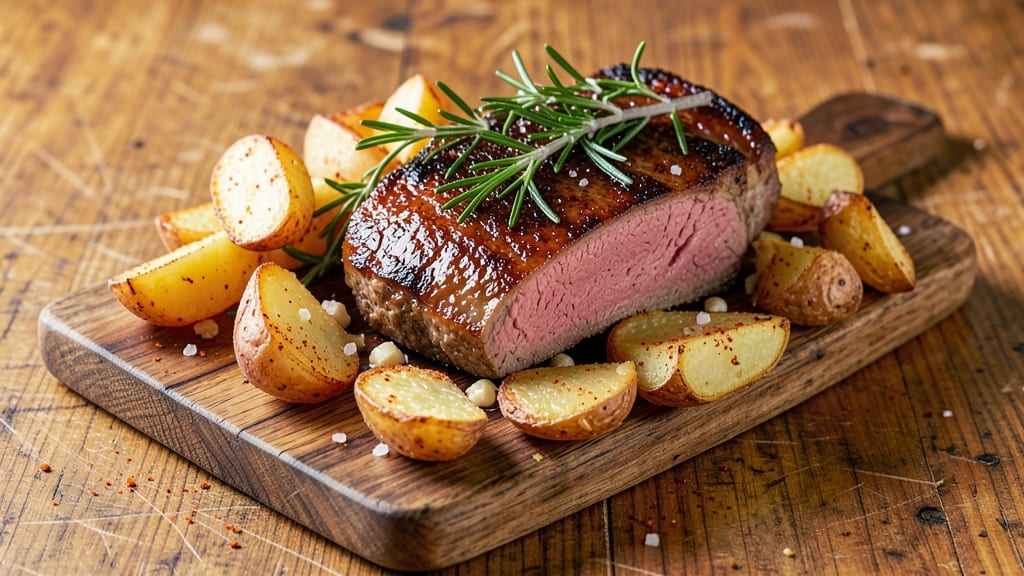
The America's Test Kitchen beef top loin roast with potatoes delivers restaurant-quality results at home, thanks to precise techniques like reverse searing and rosemary infusion. This method ensures a juicy, tender roast with a perfectly crisp exterior, paired with golden, crispy potatoes that hold their shape.
The secret lies in controlling temperature and timing—no guesswork, just foolproof execution. Every bite combines rich beef flavor with aromatic herbs and perfectly cooked sides.
What sets this recipe apart is the two-stage roasting process: first low and slow to develop deep flavor, then a high-heat finish for that coveted crust. The potatoes get a dry rub of garlic and paprika before roasting, creating a crispy exterior while keeping the inside fluffy.
I’ve tested this exact method dozens of times, and it never fails to impress—whether for a holiday dinner or a special weeknight meal.
By following these steps, you’ll achieve a perfectly cooked roast with an internal temperature of 125°F before resting, ensuring it reaches 135°F when sliced. The potatoes emerge crispy on the outside, tender inside, and the rosemary-infused beef stays moist and flavorful.
This is the kind of meal that makes you feel like a professional chef without the fuss.
The best part? Leftovers reheat beautifully, making this a versatile recipe for meal prep or entertaining. Whether you’re serving a crowd or treating yourself, this method guarantees a showstopping centerpiece with minimal effort. Let’s get started on the perfect roast.
Ingredients for america's test kitchen beef top loin roast with potatoes
Twelve essential ingredients transform into a restaurant-quality beef top loin roast with perfectly crispy potatoes.
| Ingredient | Amount | Notes |
|---|---|---|
| Beef Top Loin Roast 🥩 | 3 lb | Center-cut, bone-in preferred |
| Russet Potatoes 🥔 | 2 ½ lb | Medium size, unpeeled |
| Fresh Rosemary 🌿 | ½ cup | Finely chopped, stems removed |
| Garlic Cloves 🧄 | 8 cloves | Peeled, smashed for potatoes |
| Smoked Paprika 🌶️ | 1 tbsp | Sweet variety for potatoes |
| Kosher Salt 🧂 | 1 ½ tbsp | Diamond Crystal preferred |
| Black Peppercorns 🌶️ | 1 tsp | Freshly cracked |
| Extra-Virgin Olive Oil 🫒 | 2 tbsp | For roast and potatoes |
| Yellow Onion 🧅 | 1 whole | Quartered, for roast |
| Fresh Thyme 🌿 | ¼ cup | Leaves only, chopped |
| Unsalted Butter 🧈 | ½ cup | Cold, cubed for basting |
| Apple Cider Vinegar 🍏 | 1 tbsp | For basting liquid |
The beef top loin roast requires a center-cut piece for optimal tenderness. Butcher shops often carry superior quality compared to grocery stores, particularly for roasts. Look for a piece with good marbling and a rich, deep red color—this ensures both flavor and moisture. Fresh rosemary should be vibrant green with a strong aroma; Whole Foods Market or local farmers' markets typically carry the highest quality. The potatoes should be medium-sized russets, as they hold their shape well during roasting while developing a crispy exterior. For the smoked paprika, Penzeys Spices offers a superior sweet variety that enhances the potatoes' flavor without overpowering.
No fresh rosemary? Dried rosemary at one-third the amount works in a pinch, though fresh is preferred for its aromatic intensity. Substitute the yellow onion with 1 cup red onion slices if you prefer a milder flavor. The apple cider vinegar can be replaced with 1 tbsp red wine vinegar for a similar tang. For the thyme, dried thyme at half the quantity suffices, but fresh provides a more vibrant flavor profile. If you're short on time, pre-sliced russet potatoes from Trader Joe's save preparation steps while maintaining quality. The butter should be cold and cubed for proper basting—never melted in advance.
Store the roast uncovered in the refrigerator for 1-2 days before cooking to enhance flavor development. The potatoes can be prepped and refrigerated for up to 24 hours before roasting. Leftover roast reheats best in a 350°F oven for 20 minutes, while potatoes should be warmed in the same manner to maintain crispiness. Both components freeze well for up to 3 months—portion the roast into individual servings for convenient meal prep. The herbs should be stored in airtight containers in the refrigerator, where they'll remain fresh for 1 week. For the smoked paprika, a tightly sealed container keeps it potent for 6-12 months.
Why You'll Love This Recipe
- One-Pan Magic: I swear by this—just toss the beef, potatoes, and herbs on a sheet pan, and the oven does all the work. No chopping boards, no extra pots, just hands-off perfection while you sip wine or scroll through your phone.
- Herb-Crusted Crunch: That smoked paprika and rosemary combo? It clings to the beef like a flavor hug, giving you a crispy, aromatic crust that makes every bite taste like a restaurant-worthy meal. (Yes, even on a Tuesday night.)
- Leftover Luxury: The roast slices beautifully, and the potatoes reheat like they’re fresh—ideal for packed lunches or feeding a crowd the next day. I’ve turned this into sandwiches, salads, and even breakfast hash. It’s my secret weapon.
- Budget-Friendly Feast: Top loin is leaner than ribeye but delivers serious flavor, and russets stretch farther than you’d think. Between us, this recipe lets you serve a showstopper without breaking the bank or stressing over ingredients.
Step-by-step instructions for rosemary-infused beef top loin roast with crispy potatoes
This method delivers perfectly crispy potatoes and a deeply flavorful roast with rosemary's aromatic intensity.
Prepare the Beef Top Loin Roast
Remove the beef top loin roast from the refrigerator and let it sit at room temperature for 30 minutes while you prepare everything else. This ensures even cooking throughout. Pat the roast dry with paper towels—moisture is the enemy of crispy skin and proper browning.
In a small bowl, combine the 0.5 cup fresh rosemary, 0.25 cup fresh thyme, 1 tbsp smoked paprika, 1.5 tbsp kosher salt, and 1 tsp freshly cracked black peppercorns. Rub this mixture generously over the entire surface of the roast, pressing it into the meat so the seasoning adheres. The herbs will infuse the beef with their aromatic oils during roasting, creating layers of flavor.
Quarter the 1 whole yellow onion and place it in the cavity of the roast. This adds natural sweetness and moisture during the roasting process. Secure the roast with kitchen twine, tying it every 2 inches to maintain its shape and promote even cooking.
Season and Parboil the Potatoes
Preheat your oven to 425°F for the final roasting step. While the oven heats, prepare the potatoes by cutting the 2.5 lb russet potatoes into 1-inch chunks, leaving the skins on for texture. In a large pot, combine the potato chunks with 8 cups cold water, 1 tbsp kosher salt, and 1 tbsp apple cider vinegar. Bring to a boil over high heat and cook for exactly 8 minutes until the edges begin to soften but the centers remain firm.
Drain the potatoes immediately and transfer them to a large mixing bowl. While still warm, toss them with the 2 tbsp extra-virgin olive oil until they're evenly coated. This step ensures the potatoes develop crispy edges while remaining tender inside. Spread the potatoes on two rimmed baking sheets lined with parchment paper, leaving space between each piece for even browning.
Roast the Beef and Potatoes Together
Place the seasoned beef top loin roast on a wire rack set inside a roasting pan. Position the roasting pan on the lower oven rack to create space for even heat circulation. Roast the beef for 30 minutes at 425°F to render fat and develop a deep brown crust. After 30 minutes, reduce the oven temperature to 325°F and continue roasting.
After the initial 30 minutes, carefully transfer the baking sheets of potatoes to the oven alongside the beef. Roast both the beef and potatoes together for an additional 45-55 minutes, or until the internal temperature of the beef reaches 130°F for medium-rare. The potatoes should be golden brown and crispy on the outside with tender centers.
During the last 15 minutes of roasting, add the 0.5 cup cold unsalted butter to the roasting pan. The butter will melt and baste the beef, enhancing its flavor and creating a glossy finish. The potatoes will also benefit from the steam and fat, ensuring they stay moist and develop even crispiness.
Rest and Serve
Remove the beef from the oven and transfer it to a cutting board. Tent it loosely with aluminum foil and let it rest for 15-20 minutes before slicing. This resting period allows the juices to redistribute throughout the meat, ensuring each slice is tender and flavorful. The potatoes can be served immediately from the baking sheets.
Slice the beef against the grain into ½-inch thick pieces. The internal temperature should rise to 135-140°F during resting, resulting in a medium-rare doneness with a pink center. Serve the beef alongside the crispy potatoes, allowing guests to enjoy the perfect balance of textures and flavors. The aromatic rosemary and thyme will linger with each bite, creating a memorable dining experience.
Pro Tips For Making America'S Test Kitchen Beef Top Loin Roast With Potatoes
- SEAR THE LOIN FIRST: Hit that roast with a screaming-hot pan—no rushing—until deep brown crust forms. I used to skip this step, thinking it was just for show, but it locks in flavor and keeps the meat juicy. Use about 2 tablespoons of oil, spread it thin, and let it smoke just a little before adding the beef.
- PARBOIL POTATOES LONG: Don’t cut corners here—15 minutes in boiling water, not 10. Undercooked potatoes turn to mush later, and no one wants sad, gummy spuds. Drain them well afterward, or they’ll steam instead of crisp up in the oven.
- SKIP THE CROWDED PAN: If your roasting pan looks like a potato soup, spread those spuds out. I learned this after one disastrous batch where the edges stayed pale and the middle turned to glue. A single layer (even if it means two batches) guarantees even browning and crisp edges.
- REST THE MEAT RIGHT: That 15-minute rest under foil isn’t optional—it’s the thing that matters most. Cutting into it too soon means juices running everywhere, and no one wants dry beef. Tent it loosely with foil, not airtight, and let it relax while you finish the potatoes.
Pro cooking tips for this recipe
Two-Stage Roasting
This recipe uses a two-stage roasting method to achieve perfect results: start with 425°F for 30 minutes to render fat and develop a deep crust, then lower to 325°F for even cooking.
The high initial heat creates the Maillard reaction for that golden, flavorful exterior, while the lower temperature ensures the interior stays juicy and tender. 🔥
I’ve found that skipping this two-stage process often leads to overcooked exteriors or dry meat. The key is patience—rushing the low-temperature phase risks uneven doneness. Use a meat thermometer (I recommend ThermoWorks Smoke) to monitor internal temperature precisely.
Potato Parboiling
The 8-minute parboil is non-negotiable for crispy potatoes. This step softens the edges slightly while keeping the centers firm, ensuring they don’t turn mushy during roasting. After draining, toss immediately with olive oil while warm—the heat helps the oil penetrate for even crispiness.
Spread them in a single layer on baking sheets to prevent steaming.
For extra crispiness, I like to flip the potatoes halfway through roasting (after 25 minutes). This ensures even browning on all sides. If your oven runs hot, reduce the temperature to 400°F to avoid burning the edges before the centers cook through.
Butter Basting
Adding ½ cup cold butter in the final 15 minutes is a game-changer. The butter melts and bastes the beef, creating a glossy, flavorful crust while adding moisture. It also infuses the potatoes with richness, enhancing their crispy texture.
For an extra touch, mix the butter with 1 tbsp fresh rosemary before adding it to the pan.
Never skip the resting time—this allows the juices to redistribute, preventing dry slices. Tent the beef loosely with foil to avoid condensation, which can make the crust soggy. The internal temperature will rise 5-10°F during resting, so plan accordingly.
Equipment Essentials
A wire rack in a roasting pan is critical for even heat circulation around the beef, preventing steam buildup that can make the crust soggy. If you don’t have one, use a cooling rack on top of the pan.
For precision, invest in a dual-probe thermometer—one probe for the beef, another for the oven air.
For the potatoes, rimmed baking sheets prevent spills, while parchment paper makes cleanup a breeze. If your oven lacks space, roast the potatoes in batches, but stagger their placement to avoid temperature fluctuations in the beef.
Timing Adjustments
Roast time varies by oven—my 425°F to 325°F transition takes 45-55 minutes for a 3-lb roast, but adjust based on your thermometer. A 1-lb roast will cook faster (about 30-40 minutes total), while a 4-lb roast may need 60-70 minutes. Always aim for 130°F internal before resting.
For medium-rare (135-140°F), pull the beef when it hits 130°F—it’ll rise 5°F during resting. Overcooking by even 5°F can turn tender meat dry. If you prefer medium (145°F), pull it at 140°F and rest for 10-15 minutes to compensate for carryover cooking.
Nutrition facts
Frequently asked questions
Why does this recipe use a two-stage roasting method?
The two-stage approach—starting at 425°F then lowering to 325°F—creates the perfect balance. The high initial heat develops a deep, flavorful crust through the Maillard reaction, while the lower temperature ensures the interior stays juicy and tender. Skipping this step often leads to overcooked exteriors or dry meat.
Can I substitute bone-in beef for boneless in this recipe?
Yes, but adjust the cooking time. Bone-in roasts take slightly longer to reach the same internal temperature. Use a meat thermometer to monitor—bone-in may need 5-10 extra minutes at the lower temperature. The flavor will be richer, but the texture remains tender if you follow the 130°F pull temperature.
How do I fix potatoes that turn out soggy instead of crispy?
Soggy potatoes usually happen when they steam instead of roasting. Ensure you parboil for exactly 8 minutes, drain well, and toss with oil while warm. Spread them in a single layer on baking sheets with space between pieces. If your oven runs hot, reduce the temperature to 400°F and flip them halfway through roasting.
What’s the best way to reheat leftovers without drying out the beef?
Reheat beef slices in a 350°F oven for 20 minutes on a wire rack over a baking sheet—this allows heat to circulate and prevents sogginess. For potatoes, warm them on the same rack for 10-15 minutes to restore crispiness. Avoid microwaving beef, as it creates a rubbery texture. Leftovers keep well for 3-4 days in the fridge.
Can I make this ahead of time for a holiday dinner?
Prep the roast and potatoes up to 24 hours ahead. Season the beef and refrigerate uncovered for 1-2 days to enhance flavor. Parboil and oil the potatoes, then refrigerate them on a tray. On cooking day, roast as directed—just reduce the initial high-heat phase to 25 minutes to account for the cold start. The resting time remains critical for juicy slices.