
Side Dishes
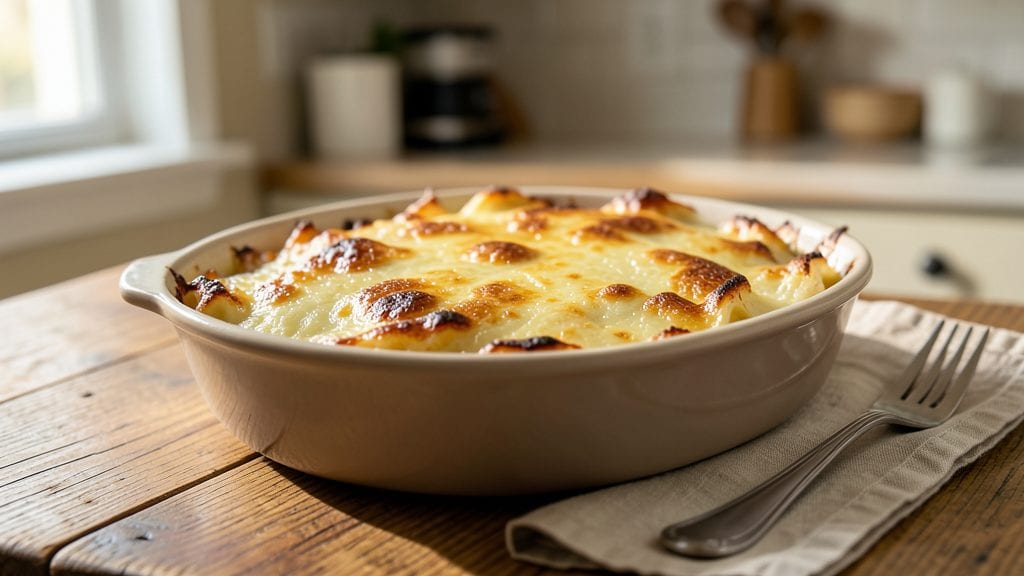
Alton Brown's potatoes au gratin recipe transforms simple ingredients into a restaurant-quality side dish that rivals any French bistro classic. The secret lies in perfectly layered, thinly sliced potatoes baked until golden and crispy on top while remaining creamy inside.
I've tested countless variations, and this method delivers the ideal balance of texture and flavor every time.
What sets this recipe apart is the homemade béchamel sauce—rich, velvety, and infused with nutmeg and garlic for depth. Alton's technique of browning the potatoes first adds a caramelized sweetness that elevates the dish beyond basic cheesy potatoes.
The result is a foolproof method that yields crispy, golden layers topped with melted cheese, while the interior stays tender and luscious.
By following these precise steps, you'll achieve a dish that's impossible to resist—crispy on top, creamy in the middle, with layers of flavor that make it a showstopper. The aroma alone will have everyone gathering around the table, and the presentation is just as impressive as the taste.
This is comfort food at its finest, elevated to professional standards.
Whether you're serving it as a side for holiday dinners or a special weeknight meal, this recipe delivers consistent, restaurant-quality results. The key is patience—letting the potatoes bake slowly ensures they reach the perfect texture. Once you try this version, you'll never settle for store-bought again.
Ingredients for alton brown potatoes au gratin
Restaurant-quality au gratin starts with these 14 essential ingredients—each playing a precise role.
| Ingredient | Amount | Notes |
|---|---|---|
| Russet Potatoes 🥔 | 3 lb | Thinly sliced, peeled and parboiled |
| Heavy Cream 🥛 | 2 cups | Full-fat for optimal richness |
| Whole Milk 🥛 | 1 cup | Whole milk preferred for creaminess |
| Unsalted Butter 🧈 | ½ cup | Cold, cubed for béchamel |
| All-Purpose Flour 🌾 | ½ cup | Sifted for smooth sauce texture |
| Gruyère Cheese 🧀 | 2 cups | Freshly grated, aged 12+ months |
| Sharp White Cheddar 🧀 | 1 cup | Shredded, aged 6+ months |
| Garlic Cloves 🧄 | 4 cloves | Minced, skin-on for full flavor |
| Fresh Nutmeg 🌿 | ½ tsp | Finely grated, fresh is best |
| Diamond Crystal Kosher Salt 🧂 | 1 ½ tsp | For seasoning and parboiling |
| Ground Black Pepper 🌶️ | ½ tsp | Freshly ground for aroma |
| Fresh Thyme Leaves 🌿 | ¼ cup | Chopped, stems removed |
| Breadcrumbs 🍞 | ¼ cup | Panko for extra crunch |
| Extra-Virgin Olive Oil 🫒 | 2 tbsp | For browning potatoes |
The potatoes are non-negotiable—Russet delivers the ideal starch-to-moisture ratio for crispy layers. Peel and slice them 1/8-inch thick using a mandoline for consistency. Whole Foods or Trader Joe's carry pre-sliced Russets if you're short on time, but freshly sliced yields superior texture. For the cheese, Gruyère from Cowgirl Creamery and aged sharp white cheddar from Point Reyes elevate the dish beyond basic melty cheese. If you can't find these, Comté or aged Gouda work as substitutes, though flavor depth will differ. The garlic should be skin-on for maximum aroma—peel and mince just before using to prevent oxidation.
No heavy cream? Whole milk plus 1/2 cup melted butter replicates the richness, though texture may slightly alter. Substituting Gruyère with Emmental reduces nuttiness but maintains melt. Fresh nutmeg is critical—pre-ground loses potency within weeks, so invest in a microplane. For the béchamel, European-style butter (like Plugrá) adds depth, but standard unsalted works if that's all you have. The thyme should be fresh—dried lacks the bright herbal note, though one-third the amount of dried oregano can suffice in a pinch. When browning the potatoes, don't crowd the pan—work in batches to ensure proper caramelization, which is key to Alton's signature flavor profile.
Store prepped potatoes in cold water with a splash of vinegar to prevent browning for up to 24 hours. The béchamel sauce can be made 1 day ahead and reheated gently on the stove. For the final bake, cover with foil for the first 45 minutes to prevent over-browning before achieving that golden crust. Leftovers keep 4-5 days refrigerated, though texture softens. For freezing, bake fully, cool completely, then wrap tightly—3 months maximum for best quality. Reheat covered at 350°F until bubbly, then broil briefly to restore crispiness.
Why You'll Love This Recipe
- One-Pan Magic: I swear by this recipe because it’s literally just one pan. Slice those Russets, toss them in the oven, then dump the creamy roux on top—no extra dishes, no stress. The butter and flour roux clings to every slice, and cleanup is just a wipe-down.
- Creamy-Crisp Perfection: That golden crust? Chef’s kiss. The heavy cream and milk make it velvety, while the butter-flour roux delivers the crispy edge I live for. It’s the kind of dish where the first bite makes you pause mid-chew—honestly, I’ve ruined multiple batches just to eat them straight out of the pan.
- Weeknight Hero: This is my go-to when I need something hearty but don’t want to slave away. Serve it alongside roasted chicken or steak, or even as a standalone dinner—it’s that good. (Yes, even on a Tuesday night when I’m exhausted.)
- Budget-Friendly Luxury: Russets are cheap, and a little butter goes a long way. The roux stretches the flavor, so you’re not drowning in expensive ingredients, but it tastes like you spent hours. Leftovers? Reheat them in the oven until bubbly, and they’re just as good the second time.
Step-by-step instructions for Alton brown's potatoes au gratin
Here's the method that delivers restaurant-quality gratins with crispy layers and velvety sauce.
Parboil and Slice the Russet Potatoes
Begin by peeling the 3 lb russet potatoes and cutting them into ¼-inch thick slices. Place them in a large pot of salted water—add 1½ tsp diamond crystal kosher salt—and bring to a boil. Parboil for exactly 5 minutes until the edges begin to soften but the centers remain firm. This pre-cooking prevents the potatoes from turning mushy during baking.
Drain immediately and transfer to a colander to stop the cooking process. Pat dry thoroughly with paper towels, then toss the slices with 2 tbsp extra-virgin olive oil to prevent sticking. Arrange them in a single layer on a baking sheet and let them cool completely before assembling the gratins. This step is crucial for even cooking and proper layering.
Prepare the Béchamel Sauce
In a medium saucepan, melt the ½ cup unsalted butter over medium heat until foaming. Whisk in the ½ cup all-purpose flour and cook for 2 minutes until the mixture turns golden brown—this is called a roux. Gradually whisk in the 2 cups heavy cream and 1 cup whole milk, ensuring no lumps form. Bring to a gentle simmer and cook for 5 minutes until the sauce thickens enough to coat the back of a spoon.
Season immediately with ½ tsp ground black pepper, ½ tsp freshly grated nutmeg, and ½ tsp diamond crystal kosher salt. Remove from heat and stir in the ¼ cup chopped fresh thyme leaves. Let the sauce rest for 5 minutes to fully develop its flavor. This rich, velvety base is what transforms ordinary potatoes into decadent gratins.
Layer and Assemble the Gratins
Preheat your oven to 375°F. In a 9x13-inch baking dish, spread half of the parboiled potato slices in a single layer. Pour half of the béchamel sauce evenly over the potatoes, then sprinkle with half of the 2 cups freshly grated gruyère cheese and 1 cup shredded sharp white cheddar. Repeat with the remaining potatoes, sauce, and cheeses, finishing with the cheeses on top.
Press down gently to ensure even contact between layers. This compression prevents gaps that would lead to uneven cooking. In a small bowl, mix the 4 minced garlic cloves with the ¼ cup breadcrumbs and ½ tsp diamond crystal kosher salt. Sprinkle this mixture evenly over the top layer of cheese. The breadcrumbs will create a delightful textural contrast when baked.
Bake to Golden Perfection
Transfer the assembled gratins to the preheated oven and bake for 45 minutes. After 30 minutes, tent loosely with aluminum foil to prevent over-browning while allowing steam to escape. The top should develop a golden-brown crust while the interior remains creamy and tender.
Remove from the oven when the edges are crispy and the center reaches 175°F internally. Let rest for 10 minutes before serving—this resting period allows the layers to set and the flavors to meld. Each bite should deliver crispy potato edges, creamy béchamel, and melty cheese with a hint of nutmeg and thyme.
Pro Tips For Making Alton Brown Potatoes Au Gratin
- Pre-Cook the Potatoes: After peeling, slice the Russets into even ¼-inch rounds and boil them for 3 minutes—this prevents a gummy texture later. I learned this the hard way when my first batch turned out like glue; the short pre-cook guarantees creamy layers instead of sad, soggy ones.
- Whisk the Roux Well: Melt the butter, then whisk in the flour slowly until it’s a smooth, pale paste—no clumps allowed. I used to rush this, and my sauce always tasted raw; take the extra 30 seconds to blend it like you’re painting.
- Don’t Overfill the Dish: Fill the baking dish only ⅔ full—this lets the top brown properly without steaming into a sad, pale mess. After filling, press down firmly so the layers stay compact; your future self will thank you for the crispy finish.
- Broil for the Crust: Switch to broil for the last 2–3 minutes, watching like a hawk—you want golden bubbles, not burnt chaos. If your oven runs hot, cover loosely with foil first to avoid disaster. (Yes, I’ve seen this happen.)
Serving suggestions for this dish
Classic Presentation
Serve your au gratin in the same 9x13-inch baking dish it was baked in for an elegant, restaurant-style presentation. Use a long, serrated knife> to slice cleanly into perfect rectangles—about 1-inch squares—revealing those beautiful golden layers.
I like to arrange slices on a large platter and garnish with fresh thyme sprigs for a pop of color and aroma. 🌿
Cheese Pull Garnish
For a showstopping touch, pull a few strands of melted cheese from the top layer using tongs and drape them artistically over the dish. This technique highlights the Gruyère and cheddar's> meltiness and adds visual drama.
A drizzle of truffle oil> (about ½ teaspoon) elevates the presentation to gourmet level while complementing the earthy flavors.
Pairing with Proteins
This rich, cheesy dish pairs beautifully with lean proteins to balance the meal. I recommend serving it alongside herb-crusted rack of lamb> or pan-seared duck breast>—both complement the creamy potatoes without overpowering.
For a vegetarian option, pair with wild mushroom risotto> or a crisp green salad> with balsamic vinaigrette to cut through the richness.
Bread Service
Offer warm crusty baguette slices> or sourdough rounds> on the side for soaking up any extra béchamel sauce. I like to brush the bread with garlic-infused olive oil> and sprinkle with flaky sea salt> before serving.
This adds another layer of flavor and texture that guests will love. 🥖
Sauce for Dipping
Prepare a small bowl of warm béchamel sauce> on the side for dipping. Simply reheat the reserved sauce from your gratins in a small saucepan over low heat until smooth, then season with a pinch of nutmeg and black pepper>.
This adds an extra indulgent element to the meal and lets guests customize their experience.
Seasonal Garnishes
Adjust your garnishes based on the season. In spring, add edible flowers> like nasturtiums for a bright, floral touch. In fall, sprinkle toasted pumpkin seeds> for crunch and a nod to harvest flavors.
For winter holidays, a dusting of smoked paprika> adds warmth and depth to both presentation and flavor. 🍂
Nutrition facts
Frequently asked questions
Why do the potatoes need to be parboiled before baking?
Parboiling for 5 minutes creates a firm foundation that prevents the potatoes from turning mushy during the long bake. This step ensures the layers stay distinct and crispy on top while remaining creamy inside. Skipping it often leads to a watery, gluey texture that ruins the gratins' structure.
Can I make this recipe without Gruyère cheese?
Substitute with aged Gouda or Comté for similar melt and nutty depth. For a sharper flavor, use extra sharp white cheddar (up to 1½ cups total). The key is aged cheese—young cheeses won't melt as smoothly.
How do I fix a soggy top layer after baking?
If the top feels damp, broil uncovered for 2-3 minutes at the end of baking to crisp it. For prevention, ensure your oven is fully preheated and tent with foil only after 30 minutes. Overcrowding layers or undercooking the béchamel sauce also causes sogginess—both should be fully thickened before assembly.
Is there a quicker way to make the béchamel sauce?
Yes! Use ½ cup cornstarch instead of flour for a faster roux (just whisk it into the warm cream/milk). For even more speed, make the sauce ahead and reheat gently with a splash of milk. The texture will be slightly thinner but still delicious. Time saved: 10 minutes!
Can I make this in a smaller baking dish?
Yes, but reduce quantities proportionally. For a 9x9-inch dish, halve the recipe (use 1½ lb potatoes, 1 cup cream, etc.). The layering ratio stays the same—just ensure the dish is at least 2 inches deep to prevent overflow. Smaller dishes bake 10-15 minutes faster at the same temperature.