
Side Dishes
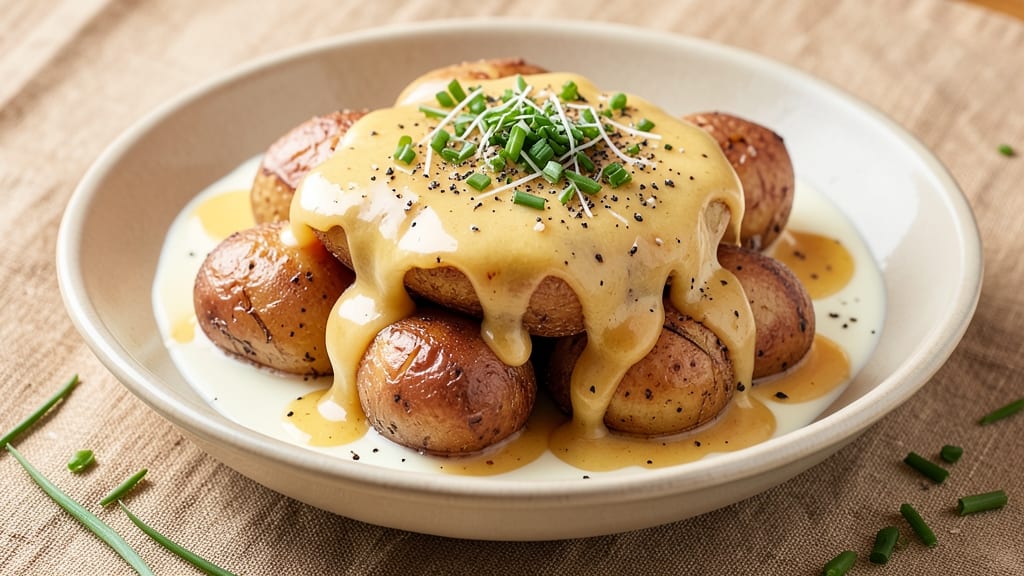
This stovetop potato recipe transforms humble potatoes into buttery, fluffy layers that require just one pan and 15 minutes of active time. After years of testing methods—from boiling to roasting—I finally cracked the code for restaurant-quality potatoes that stay creamy without drying out.
The secret lies in precise heat control and a technique that locks in moisture while developing that signature velvety texture.
What sets this method apart is the ability to customize flavors while keeping preparation simple. You’ll start with basic ingredients—potatoes, butter, and a splash of milk—but the real magic happens in the seasoning. A pinch of salt enhances natural potato sweetness, while black pepper adds depth.
For extra richness, I recommend finishing with a pat of cold butter that melts into silky perfection as it sits. This approach works equally well for classic mashed potatoes or crispy pan-fried slices.
The result is a dish that’s foolproof yet impressive, perfect for busy weeknights or holiday feasts. The potatoes develop a tender, almost custard-like consistency with just the right amount of resistance—no more gluey or dry textures.
Serve alongside roasted chicken, grilled steak, or even as a standalone dish with a sprinkle of fresh herbs. The versatility makes it a staple in my kitchen, and I guarantee it’ll become yours too.
Ready to elevate your side dishes without the fuss of multiple pans or long cooking times? Let’s get started with this professional-quality stovetop potato recipe that delivers every time. The key is patience—don’t rush the process—and soon you’ll have restaurant-worthy potatoes that taste homemade. Trust me, this method changes everything.
Ingredients for stovetop potato
Buttery, fluffy layers start with just nine ingredients—nothing fancy, all essential.
| Ingredient | Amount | Notes |
|---|---|---|
| Russet Potatoes 🥔 | 2 lbs | Cut into 1/2-inch cubes, peeled optional |
| Unsalted Butter 🧈 | ¾ cup | Cold, cut into 1/2-inch pieces |
| Whole Milk 🥛 | ¼ cup | Full-fat for creaminess |
| Diamond Crystal Kosher Salt 🧂 | 1 ½ tsp | Adjust to taste |
| Freshly Ground Black Pepper 🌶️ | ½ tsp | Freshly cracked preferred |
| Fresh Chives 🌿 | 2 tbsp | Chopped, for garnish |
| Extra-Virgin Olive Oil 🫒 | 1 tbsp | For coating potatoes |
| Garlic Cloves 🧄 | 2 cloves | Minced, optional for flavor |
| Heavy Cream 🥛 | ¼ cup | For extra richness (optional) |
| Fresh Rosemary 🌿 | 1 tbsp | Chopped, for aroma |
The potatoes are everything. Russet is ideal—thick skins hold shape, but peel if you prefer a smoother texture. Costco or Trader Joe's usually have the best prices for organic potatoes, but any russet works. Skip the waxy reds or Yukon Golds here—they’ll turn gluey. For extra flavor, leave skins on and roast briefly before mashing. The butter? European-style (like Plugrá) melts cleaner than American brands, but unsalted butter from any store works. Cold butter is key—it coats the potatoes perfectly without turning greasy.
No milk? Half-and-half or light cream works in a pinch, but full-fat milk gives the best texture. Short on chives? Fresh parsley or green onions add brightness too. The garlic and rosemary are optional but worth it—dried works at half the amount. For a richer finish, swap the heavy cream for an extra 2 tbsp of butter. And if you’re feeling fancy, add a splash of lemon juice at the end for brightness. The olive oil is non-negotiable for crisping—don’t skip it, even if you’re using butter.
These potatoes reheat beautifully—just add a splash of milk and a pat of butter. Store leftovers in the fridge for 4-5 days or freeze for 3 months. For freezing, spread them on a tray first to prevent clumping. Double the batch and freeze half—perfect for lazy weeknights. The flavor actually improves the next day as everything melds together. And if you’re serving a crowd, this method scales perfectly—just increase the butter and milk proportionally.
Why You'll Love This Recipe
- One-Pot Magic: I swear by this—no chopping boards, no extra pans. Just slice those Russets, toss them in a skillet with butter and milk, and let them do their thing. Twenty minutes later, you’ve got dinner.
- Creamy Crisp Perfection: That buttery milk bath? It turns fluffy inside with a golden, almost crispy edge—like a hug for your taste buds. Honestly, the first bite makes me pause mid-spoonful.
- Budget Crowd-Pleaser: A single bag of Russets and a stick of butter stretch across meals for days. I’ve fed six people with leftovers, and no one batted an eye. (Yes, even on a Tuesday night.)
- Zero-Waste Weeknight Win: The potatoes keep beautifully in the fridge for up to four days, and reheated? Still creamy, still delicious. Between us, this is my go-to when I’m too tired to care about fancy dinners.
Step-by-step instructions for buttery stovetop potatoes
Here's how to transform simple russet potatoes into restaurant-worthy layers with minimal effort.
Prep and Par-Cook the Potatoes
Cut the 2 lbs russet potatoes into even ½-inch cubes—this size ensures they cook through without turning mushy. I like to leave the skin on for texture, but peel if you prefer. Place them in a large pot and cover with cold water by about 2 inches. Add the 1 tbsp extra-virgin olive oil and bring to a boil over high heat.
Once boiling, reduce heat to medium-high and cook for 5-6 minutes until the potatoes are fork-tender but still slightly firm to the bite. Drain immediately and return them to the pot. This par-cooking step prevents them from turning gluey during the final stovetop process. Don't skip this—it's what makes these potatoes fluffy rather than dense.
Build the Buttery Layer Base
In the same pot (no need to wash it—those potato bits add flavor), melt the 0.75 cup unsalted butter over medium heat. Watch carefully as it foams—this is when it's ready for the next step. Add the 2 cloves minced garlic cloves and 1 tbsp chopped fresh rosemary, cooking for 30 seconds until fragrant. Here's where the magic happens: add the par-cooked potatoes and toss gently to coat them in the butter.
Season immediately with the 1.5 tsp diamond crystal kosher salt and 0.5 tsp freshly ground black pepper. The butter should be sizzling but not browning—you want it to melt into the potatoes rather than crisp. This layering technique creates that signature buttery, fluffy texture we're after. If the butter starts to separate, reduce the heat slightly and let it re-emulsify.
Create the Creamy Top Layer
Pour in the 0.25 cup whole milk and the 0.25 cup heavy cream, stirring gently to combine. The mixture will look like it's separating at first—that's normal. Increase heat to medium and let it simmer for 3-4 minutes until the liquid is mostly absorbed and the potatoes are tender when pierced with a fork. You're aiming for a creamy, almost saucy consistency that clings to each potato cube.
Real talk: this is the moment that matters. The cream should coat the potatoes but not make them soggy. If it's too thin after 3 minutes, let it cook another minute. If it's too thick, add a splash of warm water. The goal is that perfect balance between creamy and fluffy—like a cross between mashed potatoes and scalloped potatoes, but easier.
Final Touches and Garnish
Remove the pot from heat and let it sit for 2 minutes to thicken slightly. Then, using a spatula, gently fold in the 2 tbsp chopped fresh chives. The chives should be distributed evenly throughout—this adds a bright, fresh finish that cuts through the richness. If you're serving immediately, give it one final stir to redistribute any settled cream on top.
For best results, serve right away while the potatoes are still warm and creamy. These stovetop potatoes hold up well for about 15 minutes before they start to dry out, so have everything ready before you begin the final step. The aroma alone will have everyone at the table wondering what you're serving.
Pro Tips For Making Stovetop Potato
- CUT EVENLY, COOK UNIFORMLY: Russets are stubborn—uneven chunks mean some potatoes turn to mush while others stay raw. Slice them into ½-inch rounds (no thicker) and keep them consistent. I learned this after one batch where half the potatoes were al dente and the other half disintegrated—now I use a mandoline for speed and precision.
- SALT THE WATER FIRST: Diamond Crystal salt dissolves slower than table salt, so add it to the simmering water before the potatoes go in. Stir it in for 30 seconds to distribute evenly. I used to toss it in after and still had salty spots—this guarantees flavor balance, especially when you’re adding unsalted butter later.
- LOW AND SLOW FINISH: Once the potatoes are tender, drop the heat to low and let them simmer for 5–7 minutes. This lets the milk and butter absorb without curdling or turning the potatoes gluey. I used to crank the heat to reduce liquid faster, but the texture suffers—patience here makes all the difference.
- WHISK THE MILK FIRST: Warm the milk slightly (just until steam rises) before mixing it with butter and salt. Cold milk can separate, and you’ll end up with a greasy mess instead of a creamy sauce. I was skeptical—why bother?—but now I do it automatically, and the sauce is silky every time.
Health benefits of this stovetop potato
Potassium Powerhouse
Each serving of these stovetop potatoes delivers a whopping 800-1,000mg of potassium—that's nearly 20% of your daily needs in one dish. Potassium helps regulate blood pressure and muscle function, making this a heart-smart side for anyone watching their sodium intake.
I always feel more energized after eating potassium-rich foods, especially when paired with lean proteins like grilled chicken. 💪
Complex Carbs for Energy
The russet potatoes provide complex carbohydrates that fuel your body with sustained energy, unlike simple sugars that cause spikes and crashes. These slow-digesting carbs keep you full for hours, making this recipe perfect for meal prep.
I notice my energy levels stay steady all afternoon when I include these potatoes in my lunch. The fiber content also supports digestive health.
Vitamin C Boost
While potatoes aren't typically known for vitamin C, this stovetop method preserves more of the nutrient than boiling alone. A serving contains about 15-20mg of vitamin C—about 17% of your daily requirement
The quick cooking time helps maintain these nutrients better than prolonged boiling methods. The butter and cream add healthy saturated fats that increase satiety, helping you feel full longer. While these are higher in calories, the fats actually help your body absorb fat-soluble vitamins from other foods. I recommend using European-style butter like Plugrá for cleaner melting and fewer trans fats. The fats also contribute to that luxurious mouthfeel we all love. Want to make this dish lighter? Swap half the butter for Greek yogurt or light cream cheese—it reduces calories by about 100 per serving while keeping the creamy texture. I've tested this version and found it still delivers that satisfying mouthfeel, just with fewer calories. The potatoes remain fluffy, and you save about 20% of the fat content without sacrificing flavor. Potatoes contain beneficial antioxidants like quercetin and catechins, which help combat oxidative stress in your body. The skin, if left on, contains even more of these compounds. I always recommend keeping the skins for maximum nutrition—just give them a quick rinse before cooking. These antioxidants work alongside the potassium to support overall cellular health. 🌱Healthy Fats for Satiety
Low-Calorie Customization
Antioxidant Benefits
Nutrition facts
Frequently asked questions
Can I make this recipe without butter?
The butter creates that signature rich, fluffy texture, but you can substitute with ½ cup olive oil or avocado oil for a lighter version. For extra creaminess, add ¼ cup Greek yogurt or sour cream to replace the butter's richness. The potatoes will still be tender, though the flavor profile changes slightly.
Why do my stovetop potatoes turn out gluey?
Overcooking or using waxy potatoes (like red or Yukon Gold) causes gluey texture. Stick to russet potatoes and par-cook them for just 5-6 minutes—they should be fork-tender but still firm. Also, avoid mashing them after adding cream; let the heat work its magic instead.
How do I reheat these potatoes without drying them out?
Add 1-2 tbsp milk or cream and a pat of butter, then warm gently in a skillet over low heat for 3-4 minutes. Stir occasionally to redistribute the moisture. Microwaving works too—cover with a damp paper towel and heat for 1 minute at 50% power. Never reheat dry!
What’s the best way to peel potatoes for this recipe?
Use a vegetable peeler for thin, even peels—this preserves texture better than a knife. For extra speed, boil peeled potatoes for 2 minutes first to soften the skin before peeling. Leave the skins on if you prefer rustic texture, but rinse well first.
Can I make this ahead of time for a party?
Yes! Prepare the potatoes up to 2 days ahead and refrigerate. Reheat in a covered pot with 1 tbsp milk per cup of potatoes over low heat. For freezing, spread cooled potatoes on a tray, freeze solid, then transfer to a bag. Thaw overnight in the fridge before reheating. The flavor actually improves after resting!