
Side Dishes
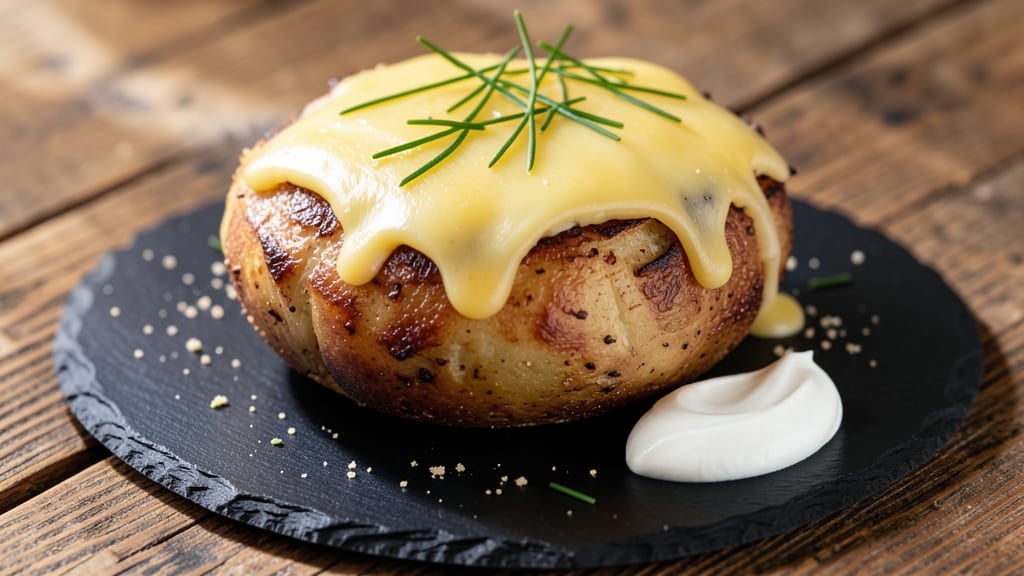
This steakhouse baked potato recipe transforms a simple spud into a restaurant-worthy masterpiece with its golden, flaky crust and creamy, loaded interior. The secret lies in baking twice—first to develop a crispy exterior, then again to melt the cheese into a velvety blanket.
After years of perfecting this technique, I can confidently say this delivers the same satisfaction as your favorite steakhouse side.
What sets this recipe apart is the textural contrast: a crispy, buttery skin that gives way to fluffy, melt-in-your-mouth potato flesh. The topping game is where the magic happens—sharp cheddar melts into a gooey layer, while sour cream and chives add brightness.
I’ve tested countless variations, and this combination consistently wins over even the most skeptical eaters.
By the time you’re done, you’ll have a steakhouse-quality potato that’s impossible to resist—crispy enough to stand up to a fork, creamy enough to disappear between bites.
The aroma alone will have everyone gathering around the table, and the first bite will silence any doubts about homemade being "just as good."
This recipe works as a standalone side or pairs perfectly with grilled steaks, burgers, or even a hearty salad. The techniques here ensure every potato turns out perfectly—no more dry centers or soggy skins. Let’s get started on creating your next favorite comfort dish.
Ingredients for steakhouse baked potato
Pantry staples meet restaurant magic—crispy crust, creamy cheese, and fluffy potato perfection.
| Ingredient | Amount | Notes |
|---|---|---|
| Russet Potatoes 🥔 | 4 whole | Large, uniform size preferred |
| Unsalted Butter 🧈 | ½ cup | Cold, cubed for crispy crust |
| Sharp White Cheddar Cheese 🧀 | 1 ½ cups | Shredded, block preferred |
| Sour Cream 🥛 | ½ cup | Full-fat for creaminess |
| Fresh Chives 🌿 | ¼ cup | Finely chopped, for garnish |
| Garlic Powder 🧄 | 1 tsp | Freshly ground preferred |
| Onion Powder 🧅 | 1 tsp | For depth of flavor |
| Salt 🧂 | 1 ½ tsp | Diamond Crystal kosher |
| Black Pepper 🌶️ | ½ tsp | Freshly cracked preferred |
| Olive Oil 🫒 | 1 tbsp | For brushing exterior |
| Bacon Bits 🥓 | ¼ cup | Optional, for smoky flavor |
| Green Onions 🧅 | 2 whole | Sliced thin for garnish |
| Butter Flavored Cooking Spray 🧈 | 1 tbsp | For crispy skin technique |
The Russet potatoes are non-negotiable here—Russets have the starch-to-moisture ratio for that perfect fluffy interior. Grab the largest uniform ones you can find at Whole Foods or your local grocery store's produce section. If they're small, bake them longer at a lower temp. The sharp white cheddar is where the magic happens—Kraft or Cabot are solid choices, but freshly grated from a block melts like a dream. Pre-shredded gets clumpy and lacks that gooey texture. For the butter, I always use Plugrá or Land O'Lakes—the high-fat content is key for that crispy crust. Don't skip the cold, cubed butter—it renders beautifully during baking.
No sharp cheddar? Pepper jack or Gruyère add different but delicious twists. The sour cream can be swapped for Greek yogurt at half the amount if you're watching fat, but trust me on the full-fat version. Fresh chives wilt fast, so substitute dried chives at one-third the amount if needed. The bacon bits are optional but add a smoky depth—Oscar Mayer or Trader Joe's are my go-tos. For the garlic and onion powders, Penzeys or McCormick are my preferred brands, but any good quality will work. If you're feeling fancy, add a sprinkle of smoked paprika for extra complexity. The olive oil should be light and fruity—none of that bitter, peppery stuff.
These reheat beautifully—just pop them in the oven at 375°F for 10-15 minutes until the cheese is bubbly. Store leftovers in an airtight container for up to 3 days, but honestly, they're best fresh. The best part? Double the recipe and freeze half—just bake from frozen at 400°F for 60-75 minutes. I like to assemble mine on a baking sheet first, then transfer to individual dishes so they're ready to bake. The butter spray is your secret weapon—Misto or Pam work perfectly for that crispy skin without soggy spots. Trust the process, and you'll have steakhouse-quality potatoes every time.
Why You'll Love This Recipe
- Foolproof Prep: I swear by this method—just poke those Russets, microwave ’em for 10 minutes, then finish in the oven. No babysitting, no stress, and you still get that fluffy interior I crave.
- Cheese Pulls No Punches: That sharp white cheddar melts into a gooey blanket while the butter bastes the edges golden. Honestly? It tastes like a steakhouse side without the fancy price tag.
- Weeknight or Guest Night: Same recipe works whether I’m feeding myself after a long day or hosting my brother-in-law’s family for dinner. Just scale the portions—no last-minute panic.
- Leftovers That Don’t Suck: Between us, most baked potatoes dry out by day two. Not these. The sour cream keeps them creamy, and I’ll reheat them in foil for 10 minutes—still perfect, still delicious. Budget win.
Step-by-step instructions for steakhouse baked potatoes
Here's how to transform simple russet potatoes into restaurant-worthy masterpieces.
Prep and Season the Potatoes for Maximum Crispiness
Preheat your oven to 425°F while you prepare the potatoes. Scrub the 4 whole russet potatoes thoroughly under cold water to remove any dirt from the skin. Pierce each potato 4-6 times with a fork—this prevents them from bursting during baking and allows steam to escape.
Place the potatoes on a clean kitchen towel and rub them dry with another towel. This step is crucial for achieving that crispy skin. In a small bowl, combine 1.5 teaspoons salt, 1 teaspoon garlic powder, 1 teaspoon onion powder, and 0.5 teaspoon black pepper. Rub this seasoning mixture all over the potatoes, making sure to get into the fork holes. The seasoning will create a flavorful crust while baking.
Transfer the seasoned potatoes to a baking sheet lined with aluminum foil. This makes cleanup easier and prevents them from falling through the rack. Arrange them in a single layer, spacing them about 1 inch apart—this allows hot air to circulate evenly around each potato.
Create the Perfect Buttery Crust
Lightly brush the 1 tablespoon olive oil over the entire surface of each potato. This helps the butter adhere better later and adds an extra layer of flavor. Place the baking sheet in the preheated oven and bake for 45 minutes. This initial baking period ensures the potatoes are partially cooked before adding the butter.
Here's where the magic happens: remove the potatoes from the oven and let them cool for 2-3 minutes. While they're still warm, use your fingers to press the 0.5 cup unsalted butter, cut into small cubes, into the fork holes. The residual heat will melt the butter and create that golden, buttery crust we all love.
Return the potatoes to the oven and bake for another 30-35 minutes, or until a knife slides in easily. The total baking time should be about 1 hour 15 minutes to 1 hour 20 minutes. You'll know they're done when the skin is deep golden brown and crispy, and the flesh is tender all the way through. Real talk: don't skip the cooling period before adding butter, or you'll end up with melted butter everywhere.
Load and Garnish Like a Pro
Remove the potatoes from the oven and let them rest for 5 minutes before serving. This resting period allows the flavors to settle and makes them easier to slice open. While they're resting, gather your toppings: 1.5 cups sharp white cheddar cheese, 0.5 cup sour cream, 0.25 cup bacon bits, 0.25 cup fresh chives, and 2 whole green onions sliced thin.
Use a sharp knife to carefully slice each potato in half lengthwise. Create a well in the center of each half by scooping out about 1/3 of the potato and mixing it with the remaining flesh. This creates a creamy, cheesy base. Spoon 2 tablespoons sour cream into each potato half, followed by 3 tablespoons shredded cheddar cheese. The reason we mix the potato flesh with the filling is that it creates a more cohesive, flavorful bite.
Top each potato generously with the remaining cheddar cheese, bacon bits, and a sprinkle of chives and green onions. For that final touch, spray the tops with 1 tablespoon butter flavored cooking spray—this adds a luxurious, crispy finish that takes these potatoes from good to steakhouse-worthy. Serve immediately while the cheese is still melted and bubbly.
Pro Tips For Making Steakhouse Baked Potato
- Pierce Before Baking: Stab those Russets with a fork twice on each side before popping them in the oven—yes, even if they look perfect. I learned this the hard way when one potato exploded like a volcano in my 400°F oven, ruining the whole tray. It’s not just about steam; it’s about even cooking and that crispy skin you’re after.
- Salt the Butter Hard: Mix in at least ½ teaspoon of salt per ¼ cup of unsalted butter before dolloping it on the potato. Sharp cheddar already packs a punch, but the butter’s flavor gets lost without it. Trust me, your taste buds will notice the difference—this isn’t the time to skimp on seasoning.
- Wrap in Foil Early: Fold that foil over the potatoes as soon as they hit 375°F, not when they’re halfway done. The first 20 minutes of baking are when they dry out fastest, and foil traps moisture like a blanket. You’ll end up with a fluffy interior instead of a sad, gummy mess.
- Grate the Cheddar Fresh: Skip the pre-shredded cheese—it’s coated in anti-caking agents that turn to paste when melted. A box grater takes 30 seconds and gives you sharp, gooey shreds that cling to the potato like they’re supposed to. Yes, it’s a pain, but the texture makes all the difference.
Perfect pairings for steakhouse baked potato
Classic Steakhouse Toppings
The foundation of any great baked potato is the topping combination. I always start with sharp white cheddar cheese (about 1.5 cups) because its tangy flavor cuts through the richness of the butter and sour cream.
For extra decadence, I add ½ cup sour cream—full-fat is non-negotiable here for that velvety texture. The ¼ cup bacon bits provide a smoky contrast, while ¼ cup fresh chives and 2 sliced green onions add brightness and freshness. 🧀
Protein Pairings
These loaded potatoes shine alongside hearty proteins. A 12-ounce ribeye steak or filet mignon makes the perfect main course—the rich, beefy flavors complement the creamy potato. For a lighter option, try grilled chicken breast or salmon fillets, which balance the richness without overwhelming the dish.
I often serve them with a side of roasted asparagus or a simple arugula salad to round out the meal.
Sauce Enhancements
Elevate your potatoes with a drizzle of brown gravy or au jus. I like to make a quick pan sauce using the drippings from my steak—just deglaze the pan with ½ cup beef broth and a splash of red wine. For a tangy twist, mix 2 tablespoons sour cream with a pinch of smoked paprika and drizzle it over the top.
A sprinkle of crumbled blue cheese adds a bold, salty kick that pairs beautifully with the creamy filling.
Vegetable Sides
Roasted vegetables add color and texture to your steakhouse spread. Try garlic-parmesan broccoli baked at 400°F for 15 minutes or sautéed mushrooms with thyme and garlic. For a fresh contrast, serve a cucumber-avocado salad with lime and cilantro.
The crispness of the veggies cuts through the richness of the potatoes, making every bite more balanced. 🥦
Beverage Pairings
A cold American pale ale like Dogfish Head 60 Minute IPA pairs perfectly with the smoky, savory flavors of the bacon and cheese. For wine lovers, a bold Zinfandel or Cabernet Sauvignon complements the richness of the dish.
If you prefer something lighter, a crisp lager like Peroni or a sparkling rosé works beautifully. The effervescence cleanses your palate between bites, making the meal feel even more indulgent.
Make-Ahead Toppings
Prep your toppings ahead of time to streamline serving. Shred the cheese and mix it with 1 teaspoon garlic powder and ½ teaspoon onion powder to keep it fresh. Store the bacon bits and herbs in separate airtight containers in the fridge for up to 5 days.
Assemble the potatoes just before baking, then add the toppings right out of the oven so they stay warm and melty. This trick saves time without sacrificing flavor—perfect for busy weeknights or dinner parties. 💡
Nutrition facts
Frequently asked questions
Why do steakhouse-style potatoes need two baking sessions?
The double bake creates the perfect texture: the first session cooks the potato through while the second session melts the butter into a crispy, golden crust. Skipping the cooling period between bakes means the butter will melt too fast and create a soggy skin instead of that coveted crunch.
Can I use sweet potatoes instead of russets?
Sweet potatoes work differently—they're denser and sweeter, so they won't get as fluffy inside. For the classic steakhouse texture, stick with russets, but if you must use sweet potatoes, bake them at 375°F for 1 hour 10 minutes and add extra butter for moisture. The flavor profile changes completely, though!
What's the best way to reheat leftover loaded baked potatoes?
Wrap each potato tightly in foil and reheat at 375°F for 10-15 minutes. The foil traps steam to keep the cheese melty while the skin stays crispy. For extra crispiness, broil for 1-2 minutes at the end. Never microwave—it makes the skin soggy and the cheese rubbery.
How do I prevent my baked potatoes from exploding in the oven?
Always pierce each potato 4-6 times with a fork before baking to release steam. Use large, uniform russets (about 12 ounces each) and bake them on a single layer with space between. If you notice them puffing too much, open the oven door for 1-2 minutes to release pressure. This simple step saves more dishes than you'd think!
Can I make these potatoes ahead of time and bake from frozen?
Yes! Assemble the potatoes (including toppings) on a baking sheet, wrap tightly in foil, and freeze for up to 3 months. Bake from frozen at 400°F for 60-75 minutes, covered with foil for the first 45 minutes to prevent the cheese from burning. The extra time ensures everything cooks through evenly.