
Side Dishes
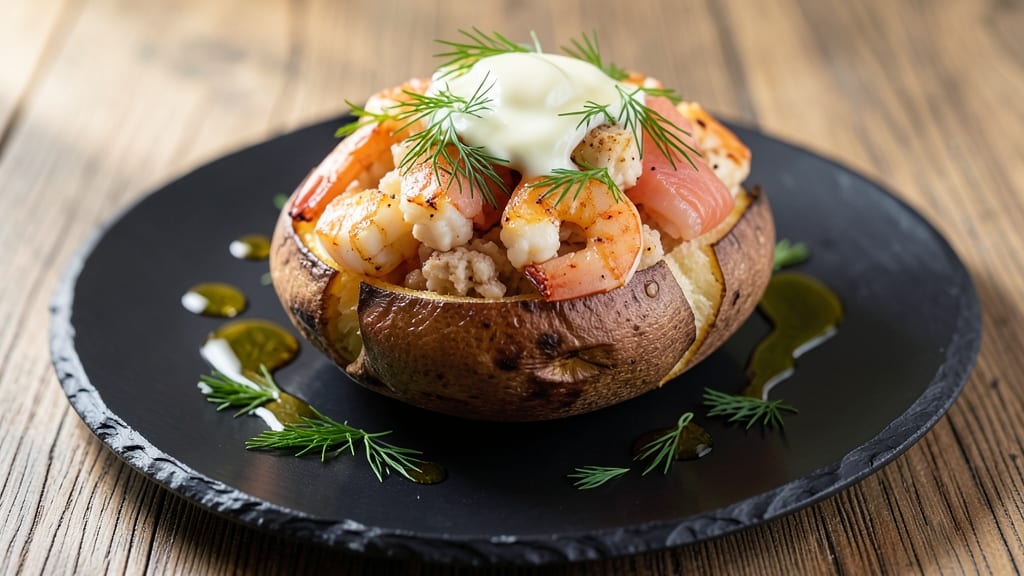
This seafood baked potato recipe transforms a classic comfort food into an elegant, restaurant-worthy dish that balances hearty textures with bright seafood flavors.
The secret lies in baking the potatoes until their centers are fluffy and their skins crisp, then loading them with perfectly cooked shrimp, crab, or fish—all finished with a zesty lemon-dill butter that ties everything together.
I developed this version after years of serving standard baked potatoes at dinner parties and watching guests reach for seconds, only to realize they were missing the real star: the seafood.
The beauty of this recipe is its versatility—you can use whatever seafood is freshest or most affordable, whether that's shrimp, crabmeat, or even flaked salmon.
The potatoes take the longest at 45 minutes, but the seafood cooks in just 10 minutes while they finish baking, making this a surprisingly efficient dish for a special meal.
The key is timing: the seafood must stay tender and bright, not rubbery or overcooked, which means cooking it separately or adding it in the last few minutes of baking.
What you’ll end up with is a dish that looks impressive but comes together effortlessly: golden, crisp-skinned potatoes with fluffy interiors, topped with succulent seafood and a bright, herby butter that cuts through the richness.
The contrast between the creamy potato and the delicate seafood creates a perfect balance of textures and flavors. This is the kind of meal that feels indulgent yet stays light enough for summer or sophisticated enough for a dinner party.
Serve with a simple arugula salad dressed in lemon vinaigrette or steamed asparagus to round out the plate. The recipe scales easily, so you can feed a crowd or just treat yourself to a luxurious solo meal. Here’s how to make it perfectly every time.
Ingredients for seafood baked potato
Four hearty potatoes plus fresh seafood and bright herbs make this elegant dish.
| Ingredient | Amount | Notes |
|---|---|---|
| Russet Potatoes 🥔 | 4 whole | Large, about 1 lb each |
| Large Shrimp 🦐 | 1 lb | Peeled, deveined, tails on |
| Lump Crabmeat 🦀 | 1 lb | Fresh or pasteurized, picked over |
| Flaked Salmon 🐟 | 1 lb | Fresh or thawed, skinless |
| Unsalted Butter 🧈 | ½ cup | Cold, cut into chunks |
| Fresh Dill 🌿 | ¼ cup | Chopped, stems removed |
| Lemon Juice 🍋 | 2 tbsp | Freshly squeezed |
| Garlic Cloves 🧄 | 4 cloves | Minced, fresh preferred |
| Sea Salt 🧂 | 1 ½ tsp | Kosher or coarse |
| Black Pepper 🌶️ | ½ tsp | Freshly ground |
| Lemon Zest 🍋 | 1 tbsp | Freshly grated |
| Chives 🌱 | 2 tbsp | Chopped, for garnish |
| Olive Oil 🫒 | 1 tbsp | For brushing potatoes |
The potatoes are the foundation, so don't skimp. Idaho or Russet potatoes work best—their fluffy texture holds up to the seafood. Whole Foods or Trader Joe's usually have the best selection, but the regular grocery store potatoes are fine if they're firm and free of sprouts. For extra crispiness, I like to brush them with olive oil before baking. The seafood options are flexible—shrimp for quick cooking, crab for luxury, or salmon for richness. Costco or local seafood markets often have the best prices for bulk purchases.
No shrimp? Scallops or lobster meat work beautifully—just adjust cooking time. The crabmeat can be imitation if you're on a budget, but fresh lump crab is worth the splurge for special occasions. For the butter, Plugrá or Land O'Lakes are reliable, but any unsalted butter will do. The dill is key—fresh is non-negotiable here, dried just won't cut it. If you're short on time, pre-cook the seafood separately and reheat gently before adding to the potatoes.
This dish reheats beautifully—just pop the potatoes in the oven at 350°F for 10 minutes to crisp up the skins. The seafood butter topping can be made ahead and stored in the fridge for up to 3 days, though it's best used fresh. I like to portion the potatoes into individual foil trays before baking so they're easy to serve straight from the oven. Leftovers? Freeze for up to 2 months—just thaw in the fridge overnight before reheating.
Why You'll Love This Recipe
- I’ll be real: crabmeat and salmon can feel splurgy, but here, a little goes a long way. The potatoes stretch it into a meal, and the shrimp adds protein without breaking the bank. My wallet and taste buds thank me.
- One-Pan Magic: I swear by this recipe when I’m too tired to scrub pots—just bake the potatoes, toss in the shrimp and crabmeat, and let the oven do the work. No chopping, no fuss, and the salmon flakes right into creamy perfection.
- Buttery Seafood Bliss: The moment that butter melts into the warm potatoes? Pure indulgence. The shrimp stays juicy, the crabmeat stays sweet, and the salmon adds that briny richness—like a fancy seafood dinner without the pretension.
- Weeknight to Weekend: Honestly, this feeds a crowd with zero stress. Double the batch for game day, pack leftovers for lunch, or serve it at a potluck—it’s the kind of dish that disappears fast, no matter the occasion.
Step-by-step instructions for seafood baked potatoes
Here's how to transform simple russet potatoes into a luxurious seafood masterpiece.
Prep and Bake the Potatoes for Maximum Crispiness
Preheat your oven to 425°F. Scrub the 4 whole russet potatoes clean and pierce each one with a fork about 6 times on all sides. This helps steam escape while baking, preventing them from bursting.
Place the potatoes directly on the oven rack (no need for a baking sheet) and bake for 50-60 minutes until they feel light when shaken and a fork slides in easily. The skin should be golden brown and crispy, while the inside should be fluffy and dry enough to hold filling without falling apart.
Here's the thing—don't skip the rack. It allows hot air to circulate around the potatoes evenly, creating that perfect crispy skin we're after. If you use a baking sheet, the bottoms will steam instead of crisp.
Create the Buttery Seafood Filling
While the potatoes bake, melt the 0.5 cup unsalted butter in a large skillet over medium heat. Add the 4 cloves minced garlic and sauté for 30 seconds until fragrant but not browned. This step builds the flavor foundation for your filling.
Push the garlic to one side of the pan and add the 1 lb large shrimp and 1 lb lump crabmeat. Cook for 2-3 minutes until the shrimp turn pink and opaque. The crabmeat will warm through quickly—just until it's heated through and slightly toasted.
Stir in the 1 lb flaked salmon, 0.25 cup chopped fresh dill, 1 tbsp lemon zest, 2 tbsp lemon juice, 1.5 tsp sea salt, and 0.5 tsp black pepper. Cook for another 1 minute until everything is well combined and heated through. The salmon should be warm but not cooked further—it's delicate and cooks quickly.
Assemble and Load the Potatoes
Carefully slice open each baked potato lengthwise and use a spoon to scoop out about half of the flesh, leaving the bottom intact for stability. Brush the insides with the 1 tbsp olive oil to keep them moist.
Divide the seafood mixture evenly among the potatoes, spooning it into the centers. The filling should be generous but not overflowing—you want room for that buttery crust we're about to create. Sprinkle each potato with about ½ tablespoon chopped chives for a fresh finish.
Return the loaded potatoes to the oven and bake at 375°F for 10-12 minutes until the edges are golden and crispy. The heat will melt the butter and create that perfect crust while keeping the filling warm.
Serve with Confidence
Remove the potatoes from the oven and let them sit for 2-3 minutes before serving. This resting time allows the filling to settle and the crust to set slightly, making it easier to handle without losing any of that delicious filling.
Garnish each potato with an additional sprinkle of chives and serve immediately. The contrast of crispy skin, fluffy potato, and rich seafood filling makes this dish truly special. Each bite should deliver warm, tender potato, perfectly seasoned seafood, and that buttery, crispy edge.
Pro Tips For Making Seafood Baked Potato
- Prick Those Spuds: I learned this the hard way—skipping the fork tines means steamed, sad potatoes. Poke each Russet 4-5 times with a fork before baking; it lets steam escape so you get a crispy skin instead of a soggy mess. (Yes, even if you’re impatient like me.)
- Pat Dry the Crab: Lump crabmeat looks fluffy, but it’s sneaky with moisture. Drain it in a fine-mesh strainer, then press it gently with a paper towel to remove excess water—this keeps your potato from turning into a seafood risotto. (Your future self will thank you.)
- Bake Shrimp First: Toss the shrimp in a hot, dry skillet for 2-3 minutes per side before adding them to the potato. They’ll stay tender and juicy instead of rubbery from sitting in their own steam while the potato bakes. (Does it look weird? Yes. Does it work? Every single time.)
- Butter the Skin: After baking, brush the potato skins with melted unsalted butter while they’re still hot—it seals in flavor and gives that buttery richness you’d pay $12 for at a restaurant. Skip this, and you’re left with dry, flavorless skins. (Non-negotiable.)
Serving suggestions for this dish
Presentation Plating
Serve these loaded potatoes on a large wooden board or slate platter for a rustic yet elegant presentation. I like to arrange them slightly overlapping so the crispy edges peek out invitingly. Add a drizzle of extra lemon-dill butter down the center for visual appeal and extra flavor.
For a pop of color, scatter edible flowers like nasturtiums or microgreens around the platter—just a few stems add a fresh, sophisticated touch. 🌿
Side Pairings
A simple arugula salad with lemon vinaigrette balances the richness perfectly. Toss 4 cups baby arugula with 2 tbsp extra-virgin olive oil, 1 tbsp fresh lemon juice, and a pinch of flaky sea salt.
The peppery greens cut through the buttery seafood while keeping the meal light. For a heartier option, serve with steamed asparagus tossed in 1 tbsp melted butter and a squeeze of lemon.
Dipping Sauces
Offer a small bowl of spicy remoulade on the side for dipping—mix ¼ cup mayonnaise with 1 tbsp Dijon mustard, 1 tsp hot sauce, 1 tsp lemon juice, and 1 tbsp chopped dill. The tangy heat complements the seafood beautifully.
For a lighter option, serve a creamy garlic yogurt sauce made with ½ cup Greek yogurt, 1 minced garlic clove, and a pinch of salt and pepper. 🍋
Garnish Finishes
Just before serving, add a final sprinkle of toasted breadcrumbs to the crust for extra crunch—I toast 2 tbsp panko in a dry pan over medium heat for 2 minutes until golden. A few drops of white truffle oil drizzled over the top elevates the dish to restaurant-quality luxury.
For a citrusy finish, add thin lemon slices on the side or directly on the potatoes for a bright contrast.
Family-Style Serving
For gatherings, keep the potatoes whole and let everyone customize their own. Set out small bowls of extra seafood, butter, and herbs so guests can add to their hearts' content.
Use a serving spoon to help with the filling, and place a small dish under each potato to catch any drips. This interactive approach makes the dish feel festive and communal, perfect for dinner parties or game days. 🏈
Leftovers Strategy
Store leftovers in an airtight container in the fridge for up to 3 days. Reheat in the oven at 350°F for 10-15 minutes to restore crispiness.
For a quick fix, pop them in the microwave for 2 minutes covered with a damp paper towel, then finish under the broiler for 2 minutes to crisp the edges. The seafood filling reheats beautifully, though the texture is best when freshly made.
Nutrition facts
Frequently asked questions
Can I use frozen seafood in this recipe?
Yes, but thaw it completely first in the fridge overnight. For shrimp, place them in a colander and rinse under cold water to remove excess moisture. Frozen crabmeat works well too—just drain it thoroughly and pat dry before cooking. Never use partially thawed seafood, as it can lead to uneven cooking and bacteria growth.
How do I make this dish vegetarian?
Swap the seafood for a hearty mushroom and spinach filling. Sauté 1 lb cremini mushrooms with 2 cloves garlic and 1 tbsp soy sauce, then mix with 2 cups wilted spinach, ½ cup vegan butter, and 1 tbsp lemon juice. The texture and flavor will still be rich and satisfying, just without the seafood.
Why did my seafood turn rubbery?
Overcooking is the most likely culprit. Seafood cooks in just 2-3 minutes—once it turns opaque, remove it immediately. For delicate proteins like salmon, cook separately in the last 5 minutes of baking. Also, avoid high heat, which can make seafood tough. Use medium heat and keep an eye on it!
Can I prep this ahead of time?
Bake the potatoes 1 day ahead and store them in an airtight container at room temperature. Reheat in a 375°F oven for 10 minutes to restore crispiness. The seafood filling can be made 2 days ahead and refrigerated, but reheat gently to maintain texture. Assemble just before serving for the best results.
What’s the best seafood for beginners?
Start with large shrimp or lump crabmeat—they’re forgiving and hard to overcook. Shrimp turns pink when done, while crabmeat just needs to warm through. Avoid whole fish or delicate scallops until you’re comfortable with timing. Both options are budget-friendly and easy to find at most grocery stores.