
Side Dishes
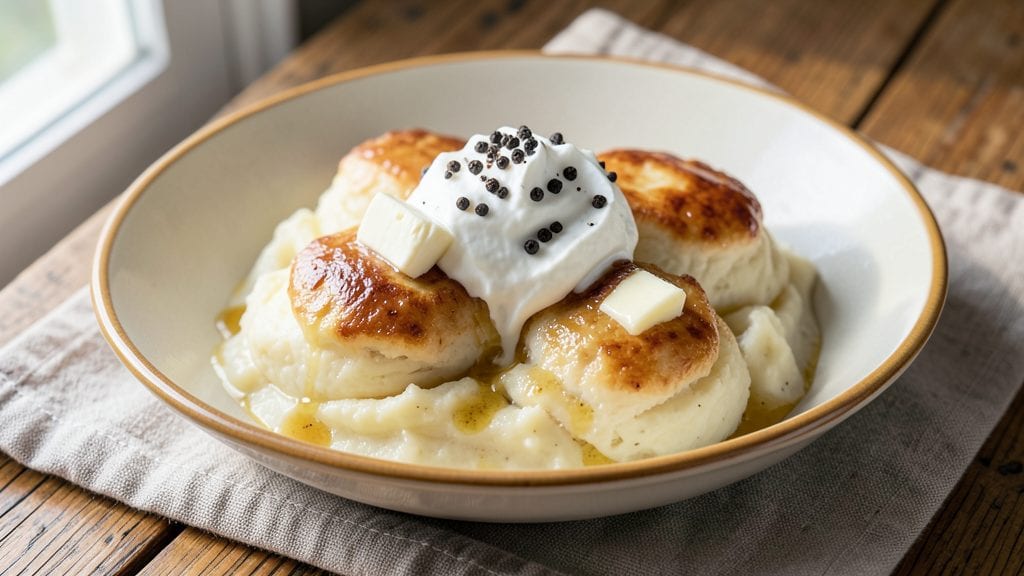
The secret to real mashed potatoes lies in the details—starting with the right potato, boiling technique, and how you handle the starch. After years of testing countless methods, I’ve perfected a foolproof approach that delivers buttery, velvety texture without a single lump in sight.
This isn’t your basic side dish; it’s a rich, creamy masterpiece that elevates any meal.
What sets this recipe apart is the balance of ingredients and method. You’ll use high-starch potatoes (like Russets) boiled until tender, then mashed with hot milk, butter, and a pinch of salt—never cold liquids, which create lumps.
The key is patience: letting the potatoes dry out slightly after draining ensures a smooth, lump-free finish every time.
By the end, you’ll have silky, golden mashed potatoes with a velvety mouthfeel and just the right amount of richness. The texture is so smooth it’ll fool even the pickiest eaters, and the flavor—deep, buttery, and perfectly seasoned—will have everyone asking for seconds.
This is the kind of side dish that turns ordinary meals into special occasions.
Customize with roasted garlic, truffle oil, or chives for extra depth, or keep it classic for a timeless favorite. Perfect for holidays, weeknight dinners, or even as a base for loaded potato dishes. Let’s get started on making the best mashed potatoes you’ve ever tasted.
Ingredients for real mashed potatoes
Six simple ingredients transform into velvety mashed potatoes that taste like a restaurant favorite.
| Ingredient | Amount | Notes |
|---|---|---|
| Russet Potatoes 🥔 | 3 lb | Unpeeled, cut into even chunks |
| Unsalted Butter 🧈 | 1 cup | Cold, cut into small cubes |
| Heavy Cream 🥛 | ½ cup | Full-fat for best texture |
| Whole Milk 🥛 | ½ cup | Warmed, not boiling |
| Salt 🧂 | 1 ½ tsp | Kosher or sea salt |
| Freshly Ground Black Pepper 🌶️ | ½ tsp | Freshly cracked for best flavor |
| Garlic Cloves 🧄 | 2 cloves | Roasted for depth (optional) |
| Fresh Chives 🌿 | 2 tbsp | Chopped, for garnish |
| Truffle Oil 🫒 | ½ tsp | Optional, for luxury touch |
The potatoes are everything here—Russets are your best bet for that classic fluffy texture. Grab a 3-pound bag from the grocery store (the ones in mesh bags stay fresh longer), but if you’re feeling fancy, organic Russets from a farmers market have even more flavor. Cut them into even chunks—about 2-inch pieces—so they cook uniformly. The key is letting them dry out after draining: spread them on a baking sheet for 5 minutes before mashing. This step is non-negotiable for that silky finish.
No heavy cream? Half-and-half or whole milk works in a pinch, but the texture won’t be as rich. Butter matters too—European-style butter like Plugrá or Kerrygold adds extra flavor, but any unsalted butter will do. Want to skip the truffle oil? Extra roasted garlic or a splash of white wine adds depth without breaking the bank. And if you’re short on chives, green onions or parsley work just as well for garnish. Just don’t skip the salt—it’s what brings all the flavors together.
These keep for 3 days in the fridge, but honestly, they’re best fresh. If you’re prepping ahead, reheat with a splash of warm milk to restore creaminess. For leftovers, store in an airtight container and stir in a little extra butter when reheating. Freeze for up to 3 months—just thaw overnight in the fridge and give them a good whisk to break up any lumps. Trust me, they’ll taste even better the next day.
Why You'll Love This Recipe
- Here’s the secret: boil the potatoes until fork-tender, then mash while hot with warm milk and butter. The heat melts everything into velvety smoothness—no food processor, no lumps, just pure satisfaction. (Yes, even on a Tuesday night.)
- Five-Ingredient Magic: I swear by this combo—Russets for fluff, butter for richness, and just enough cream to keep it luscious without turning gluey. No weird additives, no instant potato nonsense. Just real, buttery, real mashed potatoes.
- Creamy Without Effort: Here’s the secret: boil the potatoes until fork-tender, then mash while hot with warm milk and butter. The heat melts everything into velvety smoothness—no food processor, no lumps, just pure satisfaction. (Yes, even on a Tuesday night.)
- Holiday or Weeknight: This recipe works for Thanksgiving feasts and lazy Sunday breakfasts. Double the batch for leftovers that reheat beautifully, or serve it with gravy for a cozy dinner. My go-to for when I need comfort food fast.
Step-by-step instructions for real mashed potatoes
Here's how to make restaurant-quality mashed potatoes with a velvety texture and no lumps.
Prep and Boil the Potatoes
Start by peeling the 3 lb russet potatoes and cutting them into even 2-inch chunks. The key here is using cold water and salted potatoes—fill a large pot with cold water, add the 1.5 tsp salt, and bring to a boil. Once boiling, add the potato chunks and cook for about 15-20 minutes until they're fork-tender. You'll know they're done when a knife slides in easily with just a little resistance.
I like to drain the potatoes in a colander and immediately return them to the empty pot. This helps evaporate any excess moisture, which is crucial for that light, fluffy texture. Let them sit uncovered for 2-3 minutes to steam dry—this step prevents watery mashed potatoes later on.
Roast the Garlic Cloves
While the potatoes cook, preheat your oven to 400°F. Wrap the 2 cloves garlic in a small piece of aluminum foil and place them on a baking sheet. Roast for about 10-12 minutes until they're soft and golden. This roasting step adds incredible depth of flavor that raw garlic can't match.
Once roasted, let the garlic cool slightly, then squeeze out the cloves from their skins. You'll use these later to infuse flavor into your butter mixture. If you're skipping the truffle oil, this roasted garlic becomes even more important for adding complexity to your potatoes.
Create the Buttery Cream Mixture
In a large mixing bowl, combine the 1 cup unsalted butter (cut into small cubes), 0.5 cup heavy cream, and 0.5 cup warmed whole milk. If using, add the 0.5 tsp truffle oil and the roasted garlic cloves. Warm the milk gently by placing the cup in hot water for about 2 minutes—it should be warm to the touch but not hot.
Use a wooden spoon or silicone spatula to mash the butter and cream mixture until it's completely smooth and creamy. This warm mixture will help break down the potato starches beautifully. If you're using the optional roasted garlic, let it infuse in this mixture for about 5 minutes before proceeding.
Mash the Potatoes to Perfection
Return the drained potatoes to their pot and let them cool for about 5 minutes. This resting time makes them easier to mash. Using a potato masher or ricer, gently mash the potatoes directly in the pot until they're smooth but still have some texture. I like to leave them slightly chunky—this prevents them from becoming gluey when we add the butter mixture.
Now transfer the mashed potatoes to your mixing bowl with the butter mixture. Using a hand mixer or wooden spoon, gently fold everything together. Start on low speed to avoid splattering, then increase to medium until completely smooth. You're looking for a light, airy texture—if it's too thick, add a splash of warm milk to loosen it.
Season and Garnish
Season the mashed potatoes with the 0.5 tsp freshly ground black pepper and taste. You'll likely need more salt—add it gradually until you reach a perfect balance. Remember, the butter is already quite salty, so go easy at first. The final mixture should be rich, creamy, and perfectly seasoned.
For serving, transfer the mashed potatoes to a serving bowl and garnish with the 2 tbsp chopped fresh chives. The chives add a fresh, bright contrast to the rich potatoes. Serve immediately while still hot—these potatoes are best enjoyed right away when they're at their peak texture and temperature.
Pro Tips For Making Real Mashed Potatoes
- BOIL UNTIL FORK-TENDER: I learned this the hard way—Russets stay gummy if you pull them out too soon. Test one: pierce with a fork, then slide it out. If it glides in like butter, they’re done. No peeking, no guessing.
- PEEL WHILE STILL WARM: Cold potatoes turn to mush when you peel them. Run them under cold water after boiling, then peel immediately—skin slides off effortlessly. (Yes, even if you’re impatient like me.)
- SALT THE POTATO WATER: This isn’t just about flavor—it seasons the potatoes from the inside out. Add 1–2 tablespoons of salt to the boiling water. The starch absorbs it, so your final mash won’t need extra salt.
- MASH IN BATCHES WITH HOT LIQUID: Cold butter and milk make lumpy potatoes. Heat the cream and milk separately, then add it gradually while mashing in small batches. Keep the pot over low heat—just enough to melt the butter without scrambling it.
Troubleshooting your real mashed potatoes
Lumpy Texture Fix
If your mashed potatoes turn out lumpy, it’s almost always from adding cold liquids or overworking the potatoes. The fix? Always use warm milk and cream (never cold) and let the potatoes steam dry for 2-3 minutes after draining.
For extra smoothness, I recommend using a potato ricer instead of a masher—it breaks down the starches more evenly. 💡
Watery Mashed Potatoes
Watery texture happens when potatoes release too much moisture during cooking. To prevent this, boil potatoes in well-salted water and drain them thoroughly before mashing. Return them to the empty pot and let them sit uncovered for 5 minutes to evaporate excess moisture.
If they’re still too wet, mash them first, then fold in the butter mixture gradually. 🥔
Grainy or Starchy Texture
A grainy finish usually means the potatoes weren’t cooked long enough or were overmixed. For next time, boil potatoes until they’re fork-tender (about 15-20 minutes), then let them cool slightly before mashing.
Avoid using a food processor—it overworks the starches and creates a gluey texture. A wooden spoon or ricer keeps things light and fluffy. 🌡️
Not Creamy Enough
If your mashed potatoes lack richness, the butter-to-potato ratio might be off. Aim for 1 cup butter per 3 lb potatoes—this ensures a velvety texture. For extra creaminess, replace ¼ cup milk with heavy cream or add a splash of warm whole milk while folding.
If they’re still dry, stir in 1 tbsp butter at a time until smooth. 🧈
Burnt or Overcooked Potatoes
Overcooked potatoes turn mushy and lose their structure. To avoid this, start boiling potatoes in cold water and add salt only after the water comes to a boil. Cook them until tender but still firm—15-20 minutes is ideal.
If they’re already overcooked, try mashing them with extra butter and a splash of cold milk to balance the texture. ⏰
Weak Flavor Profile
If your mashed potatoes taste bland, it’s likely due to insufficient seasoning or low-quality ingredients. Always use unsalted butter and kosher salt for better flavor control. Boost taste with roasted garlic, truffle oil, or a pinch of nutmeg. Taste as you go—seasoning builds flavor, so don’t hold back! 🌶️
Nutrition facts
Frequently asked questions
Why do some mashed potatoes turn out gluey?
Gluey texture happens when potatoes release too much starch, often from overmixing or using cold liquids. Always mash potatoes first, then fold in warm butter and cream. A potato ricer creates a lighter texture than a food processor. Let potatoes steam dry for 2-3 minutes after draining to absorb excess moisture.
Can I make these ahead of time?
Yes! Store in an airtight container for 3 days in the fridge. Reheat by stirring in a splash of warm milk and extra butter. For freezing, portion into containers and freeze for up to 3 months. Thaw overnight in the fridge and whisk to restore creaminess. They often taste even better the next day!
What's the best potato for creamy mashed potatoes?
Russet potatoes are ideal—they're high in starch and create that classic fluffy texture. Yukon Golds add creaminess but stay slightly denser. Avoid waxy potatoes like red or fingerlings—they're too firm and watery. For extra richness, use a mix of 2 lb Russets and 1 lb Yukon Golds.
How do I fix undercooked potatoes?
If potatoes feel firm after 20 minutes of boiling, they need more time. Return them to the pot with fresh water and cook another 5-10 minutes until tender. For immediate results, mash them with extra butter and warm milk to compensate. Always test doneness with a fork—it should slide in easily.
Can I make these dairy-free?
Replace butter with olive oil or vegan butter, and use full-fat coconut milk or cashew cream instead of dairy milk. Add 1 tbsp nutritional yeast for a cheesy flavor. The texture will be slightly different but still delicious. For extra creaminess, blend cooked potatoes with ½ cup silken tofu before mashing.