
Main Courses
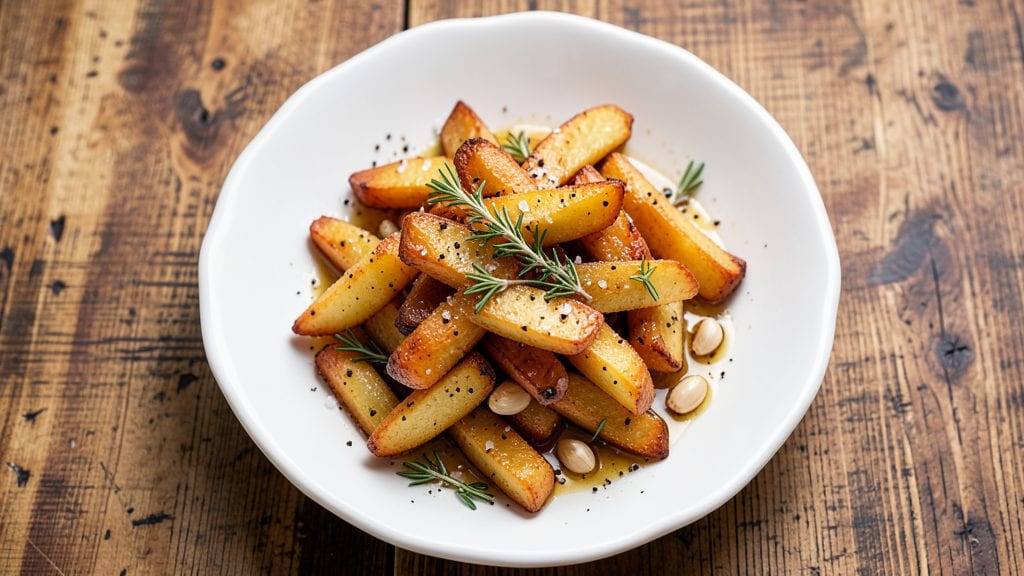
Frying potatoes in duck fat transforms ordinary spuds into crispy-golden bites with an unmistakable richness that elevates any meal.
The secret lies in the fat's high smoke point and deep flavor—duck fat renders crispy exteriors while infusing the potatoes with a savory, almost buttery depth that no other fat can match. I perfected this technique after years of experimenting with different fats, and the results are worth the effort.
This method requires precision: slicing potatoes evenly for consistent cooking, maintaining a steady 350–375°F temperature, and using the right thickness—too thick, and the center stays raw; too thin, and they burn before crisping.
The double-frying technique ensures maximum crispiness without sacrificing tenderness inside, while the duck fat's natural richness adds a luxurious finish that turns simple potatoes into a showstopper.
By the time you pull them from the fryer, you’ll have crispy, golden-brown potatoes that shatter with each bite, their interiors fluffy and infused with duck fat’s decadent flavor. The aroma alone will have everyone at the table anticipating the first crunch.
Serve them alongside steak, in salads, or as a standalone side—each bite delivers that perfect balance of texture and taste.
For best results, use high-quality duck fat (rendered at home or store-bought) and keep an eye on the temperature—it’s the key to achieving that restaurant-quality crunch without the mess. Safety first: duck fat has a high smoke point, but monitor it closely to avoid flare-ups. Let’s get cooking!
Ingredients for potatoes fried in duck fat
High-quality duck fat and precise potato prep deliver restaurant-style crunch with luxurious flavor.
| Ingredient | Amount | Notes |
|---|---|---|
| Russet Potatoes 🥔 | 3 lb | Uniform size, peeled and cut into 1/2-inch sticks |
| Duck Fat 🦆 | 2 cups | High-quality, rendered and filtered |
| Diamond Crystal Kosher Salt 🧂 | 1 ½ tsp | Fine grain for even seasoning |
| Freshly Ground Black Pepper 🌶️ | ½ tsp | Cracked peppercorns preferred |
| Thyme Leaves 🌿 | 1 tbsp | Fresh, finely chopped (or 1 tsp dried) |
| Garlic Cloves 🧄 | 4 cloves | Minced for aromatic depth |
| Unsalted Butter 🧈 | 2 tbsp | Cold, for finishing |
| Fresh Rosemary 🌿 | 1 sprig | Finely chopped, optional garnish |
The duck fat is non-negotiable for this technique—high-smoke-point, rendered fat ensures crispiness without burning. Store-bought duck fat from specialty grocers like Whole Foods works, but rendering your own from duck confit or legs yields superior flavor. Look for fat that's golden and clear, not cloudy or watery. If using pre-rendered fat, strain it through a fine-mesh sieve to remove any impurities. For the potatoes, Russets are ideal—their low moisture content and fluffy texture hold up perfectly during frying. Cut them into uniform 1/2-inch sticks; consistency is key to even cooking.
No duck fat? Lard or beef tallow can substitute in a pinch, though they lack the same depth of flavor. For a lighter option, avocado oil or ghee works but won't replicate the duck fat's richness. Fresh herbs are optional but recommended—thyme and rosemary add aromatic complexity, while garlic infuses the fat with savory notes. If using dried herbs, reduce to one-third the amount. For extra crispiness, double-fry the potatoes at 350°F for 4–5 minutes per batch, ensuring they reach an internal temperature of 160°F. The butter finish adds a luxurious touch, so use high-fat, unsalted butter for maximum flavor.
Store any leftover duck fat in an airtight container in the refrigerator for up to 3 months, or freeze for 6 months. Reheat gently before reuse. The fried potatoes are best served immediately, but if storing, keep them in a single layer on a wire rack to maintain crispness for up to 2 days. For a restaurant-worthy presentation, serve on a platter lined with paper towels to absorb excess fat, and garnish with a sprinkle of flaky salt and fresh herbs. The aroma alone will draw everyone to the table—worth the effort for a showstopping side dish.
Why You'll Love This Recipe
- One-Pot Magic: I swear by this—just potatoes, duck fat, and a pinch of salt. No peeling, no boiling, no mess. Toss them in a hot pan, let the fat work its golden spell, and you’re done.
- Rich Umami Crunch: That first bite? Crispy edges hugging a buttery center, with thyme whispering earthy notes and duck fat singing rich, savory harmony. It’s like French fries and roasted potatoes had a love child.
- Weeknight Hero: Between us, this is my secret weapon for lazy nights or last-minute dinner guests. Serve with a simple salad or charcuterie—no fuss, all flavor. Even my picky teen clears his plate.
Step-by-step instructions for potatoes fried in duck fat
Here's the method that delivers restaurant-quality crispiness with perfect golden edges every time.
Prepare the Potatoes for Even Cooking
Begin by cutting the 3 lb russet potatoes into uniform ½-inch sticks using a sharp mandoline or knife. The consistency matters—this ensures even cooking and crispy edges. Immediately place the cut potatoes in a large bowl filled with ice water to prevent browning while you work. This step is crucial for maintaining crisp texture throughout the frying process.
After 5 minutes, drain the potatoes thoroughly and pat them completely dry with clean kitchen towels. Any remaining moisture will cause the duck fat to splatter violently when heated. I press down firmly on the potatoes with the towels to remove all surface water—this is the key to achieving that perfect crunch. Leave them uncovered on a wire rack for 30 minutes to air-dry completely before frying.
Season and Create the Perfect Crispy Base
In a large mixing bowl, combine the dried potato sticks with the 1.5 tsp diamond crystal kosher salt and 0.5 tsp freshly ground black pepper. Toss gently but thoroughly to ensure even distribution of seasoning. The kosher salt's coarse texture helps create a textured crust, while the freshly cracked pepper adds aromatic depth that shines through the crispy exterior.
Next, add the 1 tbsp finely chopped thyme leaves and toss again until the potatoes are uniformly coated. The thyme will infuse the duck fat with its earthy aroma during frying, creating complex flavor layers. I like to work quickly here—fresh herbs lose their potency when left exposed to air for too long. This is where the magic begins: the combination of proper seasoning and the fat's high smoke point working together to create that signature golden crust.
Fry in Duck Fat Until Perfectly Crispy
Pour the 2 cups duck fat into a heavy-bottomed Dutch oven or deep skillet. Place it over medium heat and allow the fat to warm gradually—you're looking for small bubbles forming around the edges but not yet smoking. The duck fat should reach approximately 350°F, which is hot enough to create crispy potatoes without burning. I use a thermometer for accuracy, but you can also test by dropping a small piece of potato in—it should sizzle vigorously and float to the surface.
Working in batches to avoid overcrowding (which lowers the fat temperature), add the seasoned potatoes to the hot fat. Stir gently with a slotted spatula to ensure even cooking. Fry for 8-10 minutes, stirring occasionally, until the potatoes are golden brown and crispy. The key is patience here—they'll continue cooking slightly after removal, so pull them out when they're just reaching that perfect golden hue. If you see the fat smoking excessively, reduce the heat slightly to maintain control.
Finish with Aromatics for Depth of Flavor
While the potatoes are still hot, remove them from the fat and transfer to a paper towel-lined plate to drain excess fat. This step is where we build flavor complexity. In the same Dutch oven, reduce the heat to medium-low and add the 2 tbsp cold unsalted butter. Allow it to melt completely, then add the 4 minced garlic cloves and the finely chopped sprig of fresh rosemary.
Cook for 30 seconds until the garlic becomes fragrant but doesn't brown. Immediately pour this aromatic butter mixture over the crispy potatoes and toss gently to coat. The butter adds richness while the garlic and rosemary infuse their flavors into the hot potatoes. Serve immediately while the exterior remains crisp and the interior stays warm. These potatoes should have a satisfying crunch that gives way to fluffy, flavorful centers—each bite should deliver that perfect balance of texture and taste.
Pro Tips For Making Potatoes Fried In Duck Fat
- CUT POTATOES LARGE: Skip the tiny cubes—aim for 1.5-inch chunks. They’ll fry faster, stay crispier, and hold their shape better. I learned this the hard way after watching my first batch turn to mush in duck fat.
- WARM THE FAT FIRST: Heat the duck fat in the pan until it’s shimmering but not smoking—around 350°F. Cold fat will steam the potatoes instead of frying them, and you’ll end up with soggy edges. Test it: flick a drop—if it sizzles, you’re good.
- SALT THE POTATOES BEFORE FRYING: Toss the cut potatoes in salt and thyme right after slicing, then let them sit for 15 minutes. This seasons them deeply and draws out moisture, so they crisp up faster and taste like they’ve been cooking all day.
- DRAIN AND REST: After frying, dump them onto a wire rack (not paper towels)—this keeps them crispy. Give them 2 minutes to firm up before serving. I used to skip this, and the potatoes always went soft by the time they hit the plate.
Perfect pairings for potatoes fried in duck fat
Steakhouse Pairings
The rich, savory depth of duck fat-fried potatoes makes them an ideal partner for steakhouse classics. Serve alongside a 12-ounce ribeye or filet mignon—the crispy potatoes soak up the steak's juices while their golden crust contrasts beautifully with the meat's tenderness.
I like to add a red wine reduction drizzle to tie the flavors together. For a lighter option, pair with grilled chicken thighs marinated in herbs de Provence and lemon zest—the duck fat's richness complements the chicken's natural juiciness without overpowering it. 🥩
Salad Contrasts
Balance the decadence of duck fat with a bright, acidic salad to cut through the richness. A shaved fennel and radicchio salad with pomegranate seeds and a Dijon vinaigrette provides the perfect contrast—the crispy potatoes add a satisfying crunch while the salad's freshness cleanses your palate.
For a heartier option, toss the potatoes into a warm kale and white bean salad with crispy pancetta and Parmigiano-Reggiano. The combination of textures and flavors makes every bite exciting. 🥗
Dipping Sauces
Elevate your serving game with customizable dipping sauces that complement the potatoes' luxurious flavor. A garlic-herb aioli made with mayonnaise, minced garlic, fresh chives, and a squeeze of lemon juice adds a creamy, tangy contrast.
For something lighter, whip up a spicy honey mustard by mixing Dijon mustard, honey, and a pinch of cayenne pepper. The sweet heat balances the duck fat's richness perfectly.
I also love a cooling yogurt sauce with dill, sour cream, and a touch of white wine vinegar for a refreshing dip. 🍯
Breakfast Upgrades
Don't limit these potatoes to dinner—they're a game-changer for breakfast too. Serve alongside crispy bacon and scrambled eggs for a decadent brunch. The duck fat's savory notes pair beautifully with the smoky bacon, while the eggs add a creamy element.
For a French-inspired twist, top with a poached egg and a sprinkle of chives—the runny yolk ties everything together. Even a simple avocado toast gets an upgrade when topped with these crispy potatoes and a drizzle of hot sauce. 🍳
Global Flavor Twists
Take your potatoes on a flavor adventure with global-inspired pairings. For a French bistro vibe, serve with confit duck legs and a red wine jus—the duck fat in both dishes creates a cohesive, luxurious experience.
In a Middle Eastern twist, pair with spiced lamb kebabs, tahini sauce, and pickled red onions for a bold contrast.
For a Mexican-inspired plate, serve with carne asada, charro beans, and salsa verde—the duck fat adds a rich depth that complements the smoky, spicy flavors. 🌍
Cheese Board Harmony
Create a showstopping cheese board by pairing the potatoes with complementary cheeses that enhance their flavor. Start with aged cheddar for a sharp, nutty contrast, then add creamy brie and blue cheese for richness.
Include dried fruits like figs or apricots, nuts such as walnuts or almonds, and cured meats like prosciutto or salami. The duck fat's savory notes bridge the gap between the sweet, salty, and tangy elements, making every bite balanced and exciting. 🧀
Nutrition facts
Frequently asked questions
Can I use regular vegetable oil instead of duck fat?
While you can substitute vegetable oil, you'll lose that luxurious, savory depth duck fat provides. For a similar crispy texture, try avocado oil or ghee—both have high smoke points and add richness. If you must use vegetable oil, look for a high-quality, neutral oil like refined avocado or grapeseed oil, but expect less flavor complexity.
How do I get the potatoes extra crispy?
The secret is double-frying at 350°F for 4-5 minutes per batch, then increasing heat to 375°F for another 3-4 minutes until golden. Pat them bone-dry before frying, and work in small batches to maintain fat temperature. A wire rack keeps them crispy longer than a plate.
What's the best way to store leftover duck fat?
Transfer to an airtight container and refrigerate for up to 3 months, or freeze for 6 months. Let it solidify before storing to prevent oxidation. For reuse, heat gently until liquid—never microwave. Strain before reheating to remove any impurities.
Why did my potatoes turn out greasy instead of crispy?
Overcrowding the pan lowers the fat temperature, preventing proper crisping. Also, check if you didn't dry the potatoes thoroughly—even slight moisture causes greasiness. Fry in batches with 1-inch space between potatoes and maintain 350°F consistently.
Can I make these ahead of time?
For best texture, serve immediately, but you can reheat in a 375°F oven for 5-7 minutes on a wire rack. To store, keep in a single layer on parchment paper at room temp for up to 2 days. For longer storage, freeze for 1 month—reheat in the oven to restore crispiness.