
Sauces & Condiments
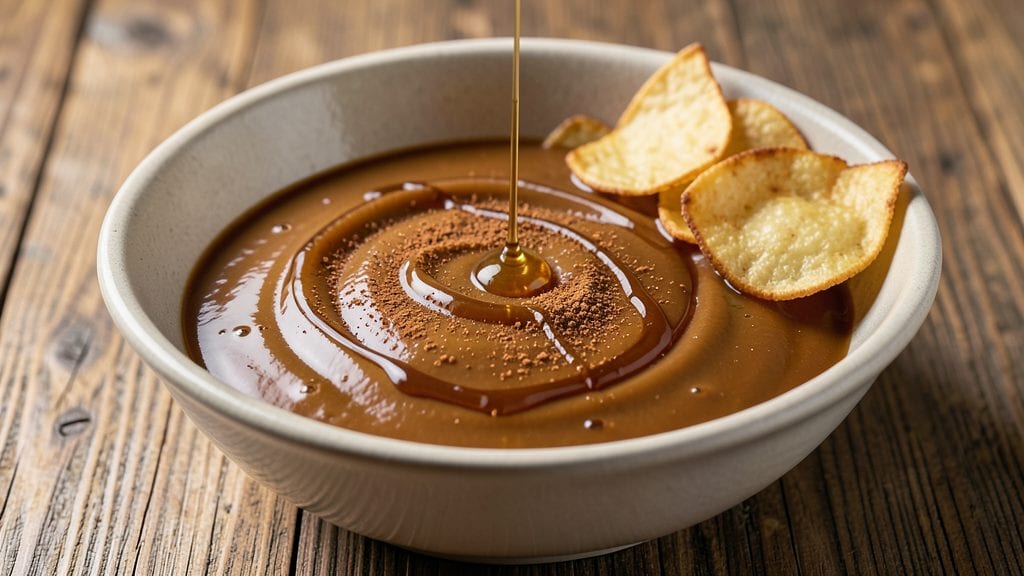
This potato syrup recipe transforms humble potatoes into a rich, golden glaze that elevates pancakes, waffles, and even roasted meats with a caramelized sweetness. I first discovered this technique while exploring Southern cooking traditions, where potato water was never wasted—just reduced into something extraordinary.
The process is simple but precise: boil potatoes until tender, reduce the starchy water into a thick syrup, then sweeten and season to taste.
The magic happens when you reduce that potato water down to a sticky, amber glaze—concentrated enough to cling to pancakes or drizzle over bacon, yet light enough to balance rich flavors.
Unlike commercial syrups, this version carries the natural sweetness of potatoes with a subtle earthiness that pairs beautifully with vanilla, cinnamon, or even a splash of vinegar for depth. It’s the kind of condiment that turns breakfast into a gourmet experience.
What makes this syrup special is its versatility—drizzle it over warm pancakes for a rustic touch, use it as a glaze for ham or pork chops, or even fold it into desserts like cheesecake or ice cream.
The texture is thick yet pourable, with a caramel-like richness that’s impossible to resist. Once you taste homemade potato syrup, store-bought versions will never compare.
Store it in an airtight container in the refrigerator for up to two weeks, or freeze for longer shelf life.
This recipe is perfect for cooks who love transforming simple ingredients into something extraordinary—with just a few potatoes and a little patience, you’ll have a syrup that’s worth every drop. Let’s get started!
Ingredients for potato syrup
Eight simple ingredients transform potatoes into a golden syrup that rivals store-bought.
| Ingredient | Amount | Notes |
|---|---|---|
| Russet Potatoes 🥔 | 2 lb | Peeled and cut into chunks |
| Granulated Sugar 🍚 | 1 cup | White or raw sugar preferred |
| Pure Vanilla Extract 🍯 | 1 tbsp | High-quality for best flavor |
| Ground Cinnamon 🌿 | 1 tsp | Freshly ground preferred |
| Apple Cider Vinegar 🍎 | 1 tbsp | For depth of flavor |
| Salt 🧂 | ½ tsp | Diamond Crystal preferred |
| Unsalted Butter 🧈 | 2 tbsp | Cold, cubed for finishing |
| Water 💧 | 1 cup | For thinning if needed |
Russets are the secret here—their high starch content creates that signature thick, glossy texture. Idaho-grown russets (like those from Boise-based farms) have the best starch-to-moisture ratio, but any russet will work. Skip the peeling if you're in a hurry—just scrub them well. For extra richness, I sometimes add a pinch of sea salt during boiling, but it's not required. The key is cutting them into even chunks so they cook uniformly. If you're using pre-cut frozen potatoes, thaw and drain them first—excess moisture dilutes the syrup later.
No vanilla extract? Vanilla bean paste works perfectly, or even a scraped vanilla bean. Running short on sugar? Maple syrup or honey at half the amount adds depth, though the texture will be slightly thinner. Vinegar can be swapped for lemon juice, but apple cider gives that classic Southern tang. The butter at the end is non-negotiable—it adds that silky mouthfeel. For a dairy-free version, use coconut oil instead, though the flavor will differ slightly. And if you're feeling fancy, a pinch of smoked paprika in the final reduction adds unexpected complexity.
This syrup keeps beautifully—two weeks refrigerated in an airtight jar, or up to six months frozen. I like to portion it into small jars for gift-giving. The texture changes slightly after freezing—it'll be thicker, so thin with a splash of water before using. For best results, bring it to room temperature before drizzling over pancakes. It reheats perfectly in the microwave, though I prefer to warm it gently on the stovetop to preserve that caramelized aroma. Make extra—you'll want to use it everywhere.
Why You'll Love This Recipe
- No Peel, No Stress: I slice Russets thin, toss them in boiling water for 8 minutes, then drain—no peeling, no fuss. The vinegar and sugar work their magic while I’m still drying my hands.
- Sweet Heat Magic: That first spoonful? Pure contradiction—creamy from the potatoes, bright from the vinegar, with cinnamon and vanilla whispering warmth. Honestly, it’s the kind of flavor that makes you reach for the jar mid-sentence.
- Pantry to Party: Drizzle it over vanilla ice cream for a grown-up treat, stir it into yogurt for a breakfast win, or use it to glaze ham at Thanksgiving. My jar never lasts more than a week because it’s that versatile.
- Budget Goldmine: Russets and sugar are cheap, but this syrup feels luxurious. I make a big batch—it keeps for weeks in the fridge—and suddenly, fancy desserts cost next to nothing. (Yes, even on a Tuesday night.)
Step-by-step instructions for homemade potato syrup
Here's how to transform simple potatoes into that luxurious, velvety syrup perfect for drizzling.
Cook the Potatoes Until Tender
Place the peeled and cut 2 lb russet potatoes in a large pot and cover them with the 1 cup water. Add the 0.5 tsp salt and bring to a boil over high heat. Once boiling, reduce to a simmer and cook for 20-25 minutes until the potatoes are fork-tender and easily pierced with a knife.
The potatoes should collapse when pressed between your fingers—this ensures they'll break down completely into that silky texture. Drain the potatoes thoroughly in a colander, shaking gently to remove all excess water. The drier the potatoes, the thicker your syrup will be. I like to press them lightly with a clean kitchen towel to absorb any remaining moisture.
Simmer to Create the Base
Return the drained potatoes to the same pot and place it over medium heat. Let them cook uncovered for 5 minutes, stirring occasionally, until they begin to break down and release their starch. This is when the magic starts happening—the starch will convert into sugars as we cook.
After 5 minutes, add the 1 cup granulated sugar and the 1 tbsp apple cider vinegar. Stir well to combine, then reduce the heat to low. Let the mixture simmer gently for 15 minutes, stirring every few minutes to prevent sticking. You'll notice the mixture thickening and developing a rich, caramel-like aroma—this is your syrup developing depth of flavor.
Season and Refine the Texture
Once the mixture has thickened to a syrupy consistency (it should coat the back of a spoon), remove it from heat. Stir in the 1 tbsp pure vanilla extract and the 1 tsp ground cinnamon. Taste and adjust the sweetness if needed—you can add a splash of the 1 cup water if it's too thick, but it should naturally reach a perfect pouring consistency.
Here's the thing—this is where you decide how rich you want it. For a thicker syrup, let it cool slightly and then refrigerate for 30 minutes before using. The cold will help it set up beautifully. For immediate use, add the 2 tbsp cold unsalted butter and whisk until fully melted and incorporated. The butter adds a luxurious richness that makes this syrup perfect for pancakes or waffles.
Strain and Finish
Line a fine-mesh strainer with cheesecloth or a clean kitchen towel and place it over a bowl. Pour the warm syrup through the strainer, pressing gently with a wooden spoon to extract every last bit of flavor. This step removes any potato bits, leaving you with a perfectly smooth syrup. Discard the solids in the strainer.
The strained syrup should be glossy and thick enough to coat a spoon but still flow freely. If it's too thick after straining, thin it with a teaspoon of water at a time until you reach your desired consistency. Taste again and adjust seasoning if needed—sometimes the cinnamon and vanilla flavors need a little balancing. Transfer to a clean jar or airtight container and let it cool to room temperature before using.
Pro Tips For Making Potato Syrup
- Peel and Cube Small: DESCRIPTION: Cut Russets into ½-inch cubes—no bigger, or they’ll turn to mush instead of breaking down into silk. I learned this the hard way after ending up with a gluey, uneven mess.
- Start with Cold Water: DESCRIPTION: Add potatoes to cold water, then bring to a boil. Hot water starts cooking the outer edges unevenly, and you’ll end up with some cubes overdone before others even soften.
- Strain, Don’t Rinse: DESCRIPTION: Drain the cooked potatoes in a fine-mesh strainer, but leave the starch in—it’s what thickens the syrup later. Rinsing washes away that magic, and your syrup will taste thin and watery.
- Whisk in Sugar Gradually: DESCRIPTION: Add sugar a spoonful at a time while stirring constantly. Dumping it all in at once creates clumps that won’t dissolve, no matter how long you simmer. I’ve seen it happen—don’t let it.
Perfect pairings for this dish
Breakfast Brilliance
This syrup isn’t just for pancakes—it’s a game-changer for any morning spread. I’ve drizzled it over fluffy buttermilk pancakes with a sprinkle of toasted pecans and a dollop of whipped cream, creating a Southern-inspired brunch that feels like a hug.
For waffles, I brush it on warm Belgian waffles and top with fresh berries—the tartness of the berries cuts through the syrup’s richness perfectly. 🥞
Try it with French toast too: dip thick-cut bread in a custard made with eggs and milk, then pan-fry until golden. Drizzle with warm syrup and a pinch of cinnamon—it’s like a restaurant-quality breakfast.
The syrup’s natural sweetness means you don’t need extra sugar, so it’s a healthier twist on classic dishes. For a fun twist, add a few drops of almond extract to the syrup while it’s still warm for a nutty depth.
Savory Surprises
Don’t let the sweetness fool you—this syrup shines in savory dishes too. I’ve used it as a glaze for ham steaks or pork tenderloin, brushing it on during the last 10 minutes of roasting. The result? A sticky, caramelized crust that’s irresistible.
For a quick weeknight dinner, toss roasted potatoes in the syrup after baking and broil for 2-3 minutes to get a crispy finish. The vinegar in the syrup adds a tangy contrast that balances the richness of the meat.
Even grilled chicken thighs benefit from this glaze. Brush it on after searing, then finish under the broiler for 2 minutes. The syrup caramelizes beautifully, creating a glossy, sweet-savory crust. Pair it with roasted Brussels sprouts and a sprinkle of balsamic glaze for a well-rounded meal.
The key is to use it sparingly on savory dishes—start with 1-2 teaspoons and adjust to taste.
Dessert Delights
Desserts are where this syrup truly shines. Fold it into vanilla ice cream or cheesecake batter for a creamy, caramelized twist. I’ve also drizzled it over warm apple crumble or peach cobbler straight from the oven—it adds a sticky, golden finish that feels indulgent.
For a no-bake dessert, layer it with whipped cream and graham cracker crumbs in a trifle dish. The syrup’s thickness holds up beautifully, making it perfect for layering.
Try it in panna cotta too: stir a spoonful into the custard before chilling, then top with a drizzle before serving. The contrast of silky panna cotta and the glossy syrup is pure magic.
For a fun twist, mix it with dark chocolate ganache and drizzle over strawberries or chocolate-dipped pretzels. The earthy notes of the potato syrup pair surprisingly well with chocolate, adding depth to the sweetness.
Beverage Boost
Yes, you can even use this syrup in drinks! Stir a 1 teaspoon into hot coffee or chai tea for a creamy, caramelized twist. It’s like a cross between maple syrup and caramel, but with a unique potato depth.
For a boozy treat, add it to whiskey or bourbon and serve over ice with a splash of cream—a dessert-like cocktail that’s easy to make. I’ve also used it in milkshakes, blending it with vanilla ice cream and a splash of milk for a rich, creamy texture.
For a non-alcoholic option, mix it into hot chocolate or golden milk (turmeric latte) for a cozy, spiced drink. The cinnamon in the syrup enhances the warmth of the spices, making it feel like a hug in a mug.
If you’re feeling adventurous, try it in a potato syrup margarita: mix it with tequila, lime juice, and a splash of orange liqueur. The sweetness balances the tartness, creating a refreshing cocktail with a unique twist. 🍹
Nutrition facts
Frequently asked questions
What makes this potato syrup different from regular pancake syrup?
This syrup uses the natural starch from potatoes to create a rich, caramel-like depth that store-bought versions can't match. The reduction process concentrates the potato's sweetness while adding warm spices like cinnamon and vanilla, giving it a complex flavor profile that's both earthy and sweet. Plus, it's naturally gluten-free and contains no artificial ingredients.
Can I use sweet potatoes instead of russets for this recipe?
Sweet potatoes will work, but the flavor and texture will differ significantly. Russets provide a neutral, starchy base that creates the signature thick, glossy consistency. Sweet potatoes add natural sweetness and a slightly earthier taste, which may require adjusting the sugar to ½ cup instead of the full 1 cup. The syrup will be more orange in color but still delicious.
How do I fix if my syrup turns out too thin?
If your syrup is too thin after straining, simply return it to a saucepan over medium-low heat and simmer uncovered for 5-10 minutes, stirring occasionally. This will reduce the liquid and thicken it naturally. For immediate use, you can also mix in 1 teaspoon of cornstarch dissolved in 1 tablespoon cold water, then stir back into the syrup and heat until thickened.
Is this syrup safe to eat raw?
No, this syrup should always be cooked to 212°F during the reduction process to ensure food safety. The boiling step kills any bacteria, and the final product is shelf-stable when properly stored. The warm spices and vinegar also help preserve it, but it's still important to follow the cooking instructions completely.
Can I make potato syrup without sugar?
Yes, but the flavor will be much less sweet and caramelized. If you want to omit sugar, try using ½ cup of maple syrup or honey instead during the reduction process. The natural sugars in these alternatives will help achieve a similar thickness and sweetness. Just remember that the texture may be slightly thinner without the granulated sugar's binding properties.