
Soups & Stews
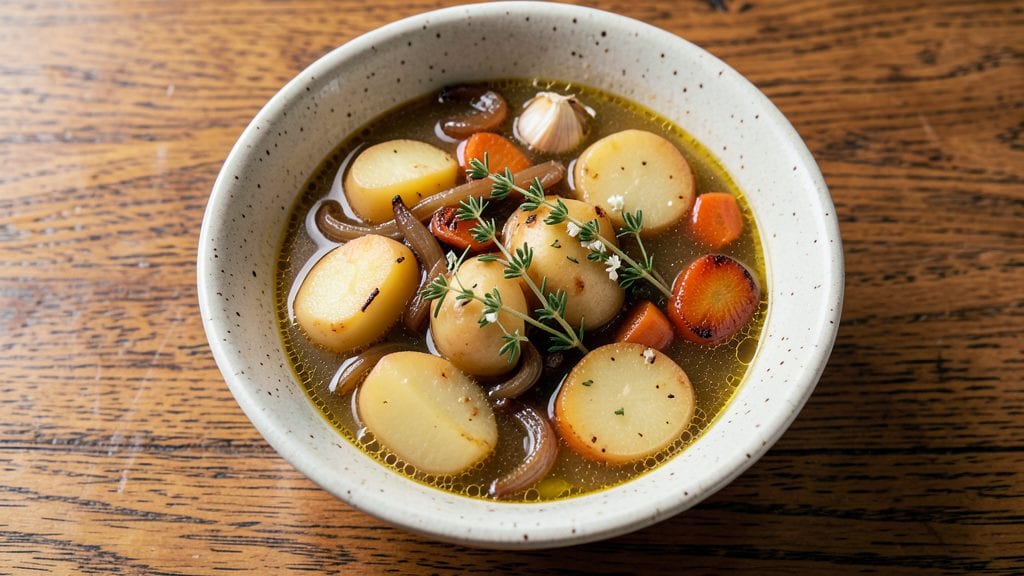
Creating potato soup with broth that tastes like it simmered all day—without the hours of prep—starts with homemade stock. The secret lies in building depth through slow-cooked vegetables and aromatic spices, transforming simple potatoes into a velvety, restaurant-worthy bowl.
I developed this recipe after years of testing shortcuts that still delivered professional results, and it never fails to impress.
This method balances tradition with convenience by using a 30-minute homemade broth (or high-quality store-bought) as the foundation, while simmering time keeps flavors rich without overcooking. The key technique involves blending half the soup for silkiness while leaving the other half chunky—creating texture contrast that elevates every spoonful.
You'll achieve that perfect balance of creamy yet light, with just enough body to coat your spoon.
The result is a soup that's naturally rich from the broth, with tender potatoes and subtle caramelization from slow simmering. Garnishes like crispy bacon bits, fresh herbs, or a swirl of cream make it customizable for any meal.
Whether you're serving a family dinner or meal prepping for the week, this recipe delivers consistent, comforting results every time.
For those short on time, I've included a 15-minute quick broth alternative that still delivers depth, though the full homemade version transforms this into a true weeknight centerpiece. The instructions walk through every step—from broth preparation to final plating—so you can achieve professional-quality soup without the guesswork.
Ingredients for potato soup with broth
Homemade stock and simple vegetables transform into velvety potato soup that tastes like it simmered all day.
| Ingredient | Amount | Notes |
|---|---|---|
| Yellow Onions 🧅 | 2 whole | Chopped, medium dice for broth |
| Carrots 🥕 | 4 whole | Peeled, cut into 1-inch chunks |
| Celery Stalks 🌿 | 4 whole | Trimmed, cut into 1-inch pieces |
| Russet Potatoes 🥔 | 3 lb | Peeled, cut into 1-inch cubes |
| Garlic Cloves 🧄 | 6 cloves | Peeled, smashed for broth |
| Fresh Thyme Sprigs 🌿 | 2 whole | Stems removed, leaves only |
| Fresh Parsley Sprigs 🌿 | 1 whole | Stems removed, leaves only |
| Bay Leaves 🍃 | 2 whole | Dried, for broth depth |
| Black Peppercorns 🌶️ | 1 tbsp | Crushed, not ground |
| Salt 🧂 | 1 ½ tsp | Diamond Crystal kosher salt |
| Heavy Cream 🥛 | 1 cup | Full-fat for richness |
| Unsalted Butter 🧈 | 4 tbsp | Cold, for finishing |
| Chicken Broth 💧 | 6 cups | Homemade or high-quality store-bought |
| Extra-Virgin Olive Oil 🫒 | 2 tbsp | For sautéing vegetables |
The broth is where flavor lives. For the homemade version, Costco or Whole Foods sell fresh chicken carcasses if you're committed to the full process, but a 30-minute quick broth using the veggies you're already chopping works just as well. Look for organic carrots and celery at the grocery store—they're sweeter and more flavorful. The Russet potatoes should be firm and free of sprouts; Idaho potatoes are my go-to. If you're using store-bought broth, Pacific Foods or Imagine brands are my top picks—they've got real depth without the sodium overload.
No fresh thyme? Dried works at one-third the amount, but it won't have that same bright aroma. The parsley is purely for garnish, so frozen works in a pinch if you're in a rush. Running low on heavy cream? Half-and-half plus a splash of milk keeps it creamy without breaking the bank. The butter at the end is non-negotiable though—it's what gives that silky finish. If you're dairy-free, coconut cream works surprisingly well, though the flavor will be slightly different. For the potatoes, Yukon Golds will give you a creamier texture, but Russets hold up better during long simmering.
This soup tastes even better the next day—honestly, the flavors meld more overnight. Keeps for 5 days in the fridge, freezes beautifully for 3 months. I double the recipe and freeze half—perfect for lazy weeknight dinners. To reheat, just warm on the stove with a splash of broth or milk to restore creaminess. Garnish with crispy bacon bits or a swirl of cream right before serving, or store those toppings separately and add them fresh when you're ready to eat.
Why You'll Love This Recipe
- Here’s what sold me: the slow cookdown of onions and garlic until they’re deeply sweet and sticky. That’s the secret—don’t rush it. The moment the broth reduces enough to coat the back of a spoon? Pure satisfaction. Add the potatoes, and suddenly you’ve got that perfect balance of creamy, savory, and just a hint of sharpness from the celery.
- One-Pot Magic: I swear by this recipe because it’s literally one pot—no extra bowls, no messy cleanup. Just chop the onions, carrots, and celery (that classic trio—sorry, it’s non-negotiable), toss them in with the potatoes and broth, and let it simmer. My hands stay clean, my dishwasher gets a break, and the house doesn’t smell like dinner for an hour.
- Garlic-Caramel Love: Here’s what sold me: the slow cookdown of onions and garlic until they’re deeply sweet and sticky. That’s the secret—don’t rush it. The moment the broth reduces enough to coat the back of a spoon? Pure satisfaction. Add the potatoes, and suddenly you’ve got that perfect balance of creamy, savory, and just a hint of sharpness from the celery.
- Leftovers That Beg for More: Between us, this soup always lasts. I make a big batch on Sunday, and by Wednesday, my coworkers are texting me for the recipe. The flavors only get better as it sits— richer, deeper, like the broth marries the potatoes overnight. Reheat it, add a swirl of cream (or milk, if you’re keeping it simple), and boom: instant comfort.
Step-by-step instructions for potato soup with broth
Here's how to build flavor-packed potato soup from scratch using your homemade stock.
Sauté the Vegetable Base
Heat the 2 tablespoons extra-virgin olive oil in a large Dutch oven over medium heat. Add the 2 whole chopped yellow onions, 4 whole peeled and chopped carrots, and 4 whole trimmed celery stalks. Cook for 8-10 minutes until the vegetables soften and the onions turn translucent.
Here's the thing—don't rush this step. You want the vegetables to develop a deep, caramelized flavor that forms the soul of your soup. Stir occasionally to prevent sticking, and resist the urge to crank up the heat. The goal is slow, steady cooking that extracts maximum flavor from the vegetables.
When the vegetables are tender and the edges begin to brown slightly, add the 6 peeled and smashed garlic cloves, 2 whole fresh thyme sprigs, 1 whole fresh parsley sprig, 2 whole bay leaves, and 1 tablespoon crushed black peppercorns. Stir for 1-2 minutes until fragrant—this is when your kitchen will smell like a French bistro. The garlic should be golden but not browned, and the herbs should release their aromatic oils.
Build the Homemade Broth Foundation
Pour in the 6 cups chicken broth and bring everything to a gentle simmer over medium-low heat. Add the 3 lb peeled and cubed russet potatoes and the 1.5 teaspoons salt. Here's where the magic happens: let it simmer uncovered for 20 minutes until the potatoes are fork-tender but not falling apart.
I know it seems counterintuitive to cook the potatoes in broth rather than water, but this is the secret to restaurant-quality soup. The broth's depth of flavor infuses the potatoes directly, creating a velvety texture that's impossible with plain water. You'll notice the potatoes absorbing the liquid as they cook—this is normal and actually enhances the final consistency.
After 20 minutes, use a potato masher or wooden spoon to partially mash about half of the potatoes right in the pot. This creates a naturally thickened soup without needing flour or cornstarch. The unmashed potatoes will continue cooking and softening as the soup simmers further.
Finish with Cream and Butter
Reduce the heat to low and stir in the 1 cup heavy cream. Let it simmer gently for 5 minutes—this is crucial for tempering the cream so it doesn't curdle. You'll see the soup develop a luxurious, creamy sheen that signals it's coming together.
Remove the pot from heat and stir in the 4 tablespoons cold unsalted butter, cutting it into small pieces as you add it. The butter will melt into the soup, creating a silky texture and adding a subtle richness. Taste and adjust seasoning if needed—this is where you can add more salt if your broth wasn't particularly salty.
Strain the soup through a fine-mesh sieve if you prefer a completely smooth texture, or leave it slightly chunky for more rustic appeal. The choice is yours, but either way, the result will be a velvety potato soup with layers of homemade flavor that far surpasses anything from a can.
Pro Tips For Making Potato Soup With Broth
- Sweat the Veggies First: Don’t rush the onion, carrot, and celery—cook them in the pot for 8-10 minutes on medium heat until the onions turn translucent and the celery softens. This builds flavor that shortcuts can’t replicate, and it’s the foundation of your soup’s depth. (Yes, even if you’re impatient like me.)
- Cut Potatoes Uniformly: Dice Russet potatoes into ½-inch cubes—not too big, not too small. Even-sized pieces cook at the same rate, so you won’t end up with mushy bits or undercooked chunks. I learned this the hard way when I got lazy and had to fish out half-cooked potatoes later.
- Salt the Potatoes Early: Add a ½ teaspoon of salt to the broth before tossing in the potatoes. It seasons them while they cook, ensuring every bite is flavorful—not just the surface. Skipping this means your soup tastes like it’s missing something, even if everything else is perfect.
- Blend Half, Keep Half: For texture variety, blend only half the soup until smooth, then stir in the unblended half. This gives you creamy pockets without turning the whole thing into glue. (Bonus: It looks impressive with zero extra effort.)
Regional styles of this potato soup with broth
New England Creamy Classic
This is the soup that put potato soup on the map in the US, and it’s all about that creamy, velvety texture with a touch of tang. In New England, they often add sour cream (about ½ cup) at the end instead of heavy cream for a lighter finish.
I like to finish with crispy fried onions—sauté ½ cup diced yellow onions in 2 tbsp butter until golden brown—and sprinkle them on top. The secret here is using Yukon Gold potatoes instead of Russets, as they break down more smoothly for that signature creamy consistency. 🥔
Irish Potato Leek Soup
Across the pond, Ireland delivers a lighter, more rustic version that highlights leeks instead of onions. For this adaptation, swap the onions for 2 large leeks (white and light green parts only), sliced into ¼-inch rounds. Add 1 tbsp fresh chives at the end for a bright finish.
The Irish version often includes a splash of stout beer (like Guinness) instead of cream—just ½ cup added with the broth. The result is a slightly earthy, less rich soup that’s perfect with crusty soda bread. 🍺
German Kartoffelsuppe
German potato soup takes a hearty, savory turn with sausage and smoked bacon as stars. Start by browning ½ lb smoked kielbasa (sliced into rounds) and 4 oz thick-cut bacon in the Dutch oven before sautéing the vegetables.
Add 1 tbsp caraway seeds (toasted in a dry pan first) to the broth for that signature German depth. For thickness, mash all of the potatoes—none left unmashed!—and finish with 1 cup whole milk instead of cream. Serve with dark rye bread for dipping. 🌭
Southern Biscuit-Bottomed Style
In the American South, potato soup often gets a crispy biscuit crust that’s impossible to resist. After simmering the soup, remove it from heat and let it cool slightly.
Press 2 store-bought biscuits (like Pillsbury Grands) into the bottom of a baking dish, then pour the hot soup over them. Bake at 375°F for 15 minutes until the biscuits are golden and crispy. The Southern version also often includes cornbread on the side for extra texture contrast. 🍞
French Velouté Tradition
For a refined, restaurant-worthy twist, the French approach uses a white wine reduction instead of cream. After simmering the potatoes, strain the broth through a fine-mesh sieve, then reduce 1 cup dry white wine (like Sauvignon Blanc) with 1 shallot (minced) until syrupy.
Whisk this reduction into the strained soup, then stir in ¼ cup crème fraîche for tang. Garnish with chopped chives and a drizzle of truffle oil for an elegant touch. 🍷
Nutrition facts
Frequently asked questions
Can I make this potato soup without homemade broth?
The recipe works beautifully with high-quality store-bought broth! Look for brands like Pacific Foods or Imagine—they have rich, low-sodium options that won't overpower your soup. For best results, simmer the vegetables in the broth for an extra 5 minutes to deepen the flavor before adding potatoes.
Why does the recipe call for partially mashing the potatoes?
Mashing half the potatoes creates natural thickness without needing flour or cornstarch, while leaving the other half whole adds satisfying texture. This technique also prevents the soup from becoming gluey. For a completely smooth texture, blend the entire soup after simmering.
How can I make this soup dairy-free?
Swap the heavy cream for 1 cup full-fat coconut milk (lightly simmered first to avoid curdling) and use 4 tablespoons coconut oil instead of butter. For extra richness, stir in 2 tablespoons nutritional yeast at the end. The flavor will be subtly different but still delicious!
Can I prep this soup ahead of time?
This soup tastes even better the next day as flavors meld. Store in an airtight container in the fridge for up to 5 days or freeze for 3 months. When reheating, add a splash of broth or milk to restore creaminess. For make-ahead convenience, prep the vegetable base and store it separately—just add broth and potatoes when ready to cook.
What's the secret to preventing a gluey texture?
Never boil the soup vigorously—keep it at a gentle simmer. Also, avoid overcooking the potatoes (they should be tender but not mushy). If it gets too thick, stir in a splash of warm broth. The partial mashing technique in this recipe naturally prevents glueiness by creating controlled thickness.