
Side Dishes
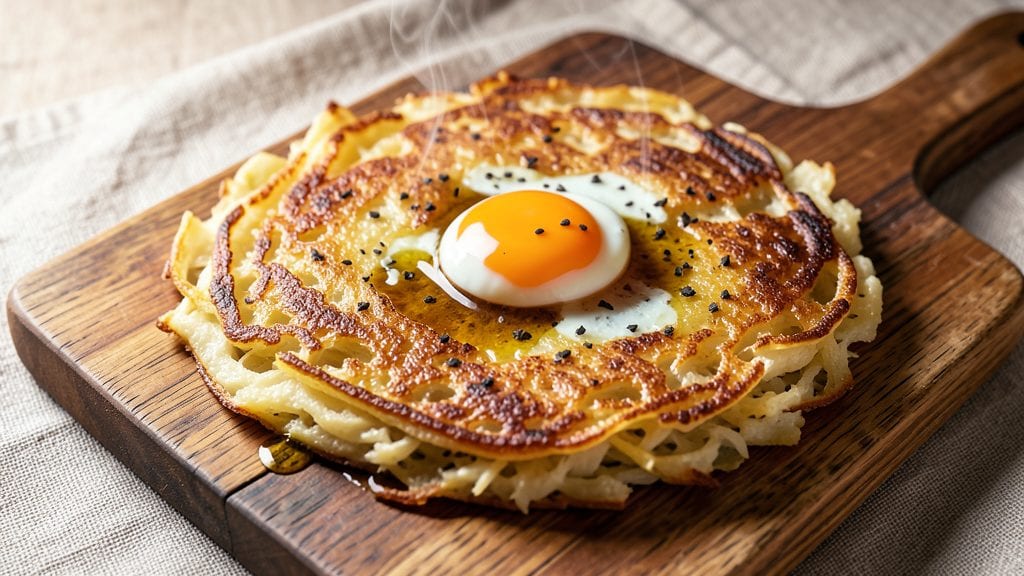
This Swiss-German crispy potato roesti recipe delivers the golden, shatteringly crisp edges and tender centers that make it a Swiss restaurant staple. The secret lies in proper potato preparation—grating and draining to remove excess moisture before pan-frying in butter or oil.
I've perfected this technique after years of trial and error, ensuring every bite achieves that signature crispy texture without turning greasy.
The traditional method uses a mandoline for even potato slices, though a box grater works in a pinch. What sets this dish apart is the slow-cooked foundation—cooking the potatoes low and slow before crisping them up creates that perfect balance of texture.
The result is a dish that's hearty enough to stand alone but pairs beautifully with meats or salads.
By the time you flip those golden potato slices, you'll have a restaurant-quality side that's crispy on the outside and tender inside. The aroma alone will have everyone asking what's for dinner.
This recipe serves four and takes just 30 minutes to prepare, making it ideal for weeknight meals or holiday gatherings.
For extra flavor, consider adding grated cheese to the top before serving or mixing in herbs like chives or parsley into the potato mixture. The possibilities are endless, but the foundation remains the same—properly prepared potatoes and careful pan-frying. Let's get cooking!
Ingredients for potato roesti
Golden, crispy potato roesti starts with just eight core ingredients—plus optional extras for flavor. Nothing fancy, just perfect texture.
| Ingredient | Amount | Notes |
|---|---|---|
| Russet Potatoes 🥔 | 2 ½ lb | Cold, peeled, grated fine |
| Unsalted Butter 🧈 | ½ cup | Cold, cut into pieces |
| Extra-Virgin Olive Oil 🫒 | ¼ cup | For crisping, high smoke point |
| Large Eggs 🥚 | 2 whole | Separated for binding |
| Salt 🧂 | 1 ½ tsp | Kosher or sea salt |
| Black Pepper 🌶️ | ½ tsp | Freshly ground preferred |
| Fresh Chives 🌿 | ¼ cup | Finely chopped, optional |
| Fresh Parsley 🌿 | ¼ cup | Finely chopped, optional |
| Gruyère Cheese 🧀 | ½ cup | Freshly grated, optional |
| All-Purpose Flour 🌾 | ¼ cup | For coating, optional |
The potatoes are non-negotiable—Russet potatoes are ideal for their low moisture and fluffy texture. Buy them a day ahead and refrigerate to ensure dryness. Whole Foods or local markets often carry higher-quality potatoes with better starch content. If using waxy potatoes like Yukon Gold, increase the flour slightly to help with binding. The key is grating them as fine as possible—a mandoline with a 2mm blade is perfect, but a box grater works too. Just don't skip the draining step—let them sit in a colander for 10-15 minutes to remove excess starch.
No butter? Lard or ghee works just as well for crisping, though the flavor will differ slightly. The egg whites are critical—they create that signature crispy texture when fried. Room-temperature eggs incorporate better, so take them out 10 minutes before using. For extra flavor, swap the chives and parsley for fresh dill or thyme. The Gruyère is optional but adds a nutty depth that pairs beautifully with the crispy potatoes. If you're avoiding dairy, nutritional yeast can mimic that cheesy flavor without the melt.
This dish reheats best in the oven at 375°F for 5-7 minutes—it loses crispiness quickly when reheated in the microwave. Store leftovers in an airtight container for up to 3 days, though they're best enjoyed fresh. For meal prep, make a double batch and freeze half—thaw overnight in the fridge before reheating. The potatoes crisp up beautifully when fresh from the fridge, so don't skip the chilling step before frying.
Why You'll Love This Recipe
- Here’s what sold me: that first bite where the edge is golden and shatteringly crisp, but the center melts like a cloud. The egg binding keeps them together without getting gummy—trust me, I’ve tried the gluey roesti of the past.
- Five-Ingredient Magic: I swear by this—just potatoes, butter, olive oil, eggs, and salt. That’s it. No fancy pantry trips, no stressing over missing herbs. The butter and olive oil combo alone makes these crispy outside, fluffy inside, and impossible to resist.
- Crispy-Creamy Obsession: Here’s what sold me: that first bite where the edge is golden and shatteringly crisp, but the center melts like a cloud. The egg binding keeps them together without getting gummy—trust me, I’ve tried the gluey roesti of the past.
- Weeknight or Holiday Hero: Between us, these work for everything. Toss them on a sheet pan for a lazy dinner, slice them thin for a brunch platter, or serve with applesauce when the kids are over. I’ve even used leftover roesti as a hash brown hack—no one judges.
Step-by-step instructions for Swiss-german crispy pan-fried potato slices
Master the art of roesti with these precise steps for golden, crispy potato perfection.
Prepare the Potato Mixture with Exact Technique
Begin by grating the 2.5 lb russet potatoes using a box grater or food processor fitted with a fine-disk attachment. Transfer the grated potatoes to a clean kitchen towel and squeeze out all excess moisture—this is critical for crispiness. Work in batches if needed, pressing firmly to remove every drop of liquid. The goal is a completely dry potato base that will crisp beautifully when fried.
In a large mixing bowl, combine the dried potatoes with 1.5 tsp salt, 0.5 tsp black pepper, and 0.5 cup freshly grated gruyère cheese. Use your hands to gently mix until evenly distributed. The cheese will add rich flavor and help bind the potatoes together. Here's the thing—don't overmix or press too hard, as this can release more moisture and affect the texture.
Create the Binding and Coating Layers
Separate the 2 whole large eggs, placing the yolks in one bowl and whites in another. Beat the egg yolks lightly with a fork until just combined, then mix them into the potato-cheese mixture. This step ensures even distribution of the binding agent throughout the potatoes. The yolks will help create that signature crispy exterior while keeping the interior tender.
In a separate shallow bowl, whisk together the 0.25 cup all-purpose flour with any remaining herbs—0.25 cup finely chopped fresh chives and 0.25 cup finely chopped fresh parsley—if using. This flour mixture will create a light coating that enhances browning when fried. For the crispest results, work quickly to prevent the potato mixture from absorbing too much moisture from the air.
Form and Chill the Roesti for Optimal Texture
Transfer the potato mixture to a lightly floured surface. Using your hands, gently shape it into a ¼-inch thick rectangle about 12x8 inches in size. This uniform thickness is key to even cooking. Press down lightly but firmly to maintain the shape while keeping the interior tender. If the mixture feels too wet to handle, add 1-2 tablespoons of the flour-herb mixture to help bind it.
Place the shaped roesti on a parchment-lined baking sheet and refrigerate for 20-30 minutes. This chilling step is essential—it firms up the potatoes so they hold their shape during frying and prevents excessive spreading in the pan. The cold temperature also helps create that perfect crispy crust when you cook it later. Don't skip this step, even if it seems like extra time.
Pan-Fry to Golden, Crispy Perfection
Heat a 10-inch nonstick skillet over medium heat until hot but not smoking. Add 0.25 cup extra-virgin olive oil and 0.5 cup cold unsalted butter (cut into pieces), letting them melt together. The combination of olive oil and butter creates the ideal high-heat cooking environment for crispy roesti. Once the butter has melted and the pan is shimmering with fat, carefully place the chilled roesti in the skillet.
Cook undisturbed for 4-5 minutes until the bottom is deep golden brown and crispy. You'll see bubbles forming along the edges and hear a satisfying sizzle—this is your signal that the roesti is developing that perfect crust. Here's where it gets important: flip the roesti carefully using a thin spatula and cook the other side for another 4-5 minutes until equally golden and crisp. The key is patience—rushing will result in uneven cooking.
Finish with Butter and Rest Before Serving
Once both sides are beautifully browned, remove the roesti from the skillet and transfer it to a wire rack set over a plate. This allows any excess fat to drain away, preventing the crispy crust from becoming soggy. Immediately add the remaining 2 tablespoons cold butter (if any) to the skillet and let it melt, then pour this butter mixture over the hot roesti. The butter will soak into the crispy exterior, enhancing its flavor and richness.
Let the roesti rest for 5 minutes before slicing into wedges. This resting period allows the internal heat to distribute evenly, ensuring each bite is perfectly crispy on the outside and tender within. Serve immediately while still hot—roesti tastes best straight from the pan when the crust is at its peak crispiness. For an extra touch, sprinkle with additional fresh parsley and chives just before serving.
Pro Tips For Making Potato Roesti
- GRATE POTATOES COLD: Russets release starch like crazy when warm—skip the pre-warming step. Use a box grater directly on freshly peeled potatoes straight from the fridge for a drier, less gummy texture. (Yes, even if you’re impatient like me, give it 10 minutes to adjust.)
- CRANK THE HEAT HIGH: Roesti need a screaming-hot pan—no half-measures. Heat your skillet until a drop of olive oil dances and sizzles like it’s auditioning for a Broadway show. Low heat = sad, greasy pancakes.
- SALT THE POTATOES FIRST: Toss grated potatoes with salt before mixing in eggs. Let them sit 5 minutes to draw out moisture—this makes the roesti crispier, not soggy. (I learned this the hard way after a batch turned into a gluey mess.)
- SPLIT EGGS LAST MINUTE: Whisk eggs into the potato mix right before cooking—no waiting. Stale eggs make the roesti dense and flavorless. Crack them fresh, mix quickly, then hit the pan. (Your future self will thank you.)
Dietary considerations for this recipe
Gluten-Free Adaptations
Traditional roesti uses flour for binding, but you can easily adapt this recipe for gluten-free diets. Replace the 0.25 cup all-purpose flour with 0.25 cup gluten-free flour blend like Bob's Red Mill 1:1 or King Arthur Measure for Measure.
For extra crispiness, add 2 tablespoons ground almond flour to the potato mixture—it mimics the binding properties without gluten. I've tested this substitution and found it works beautifully, though the texture may be slightly less crisp than with regular flour. 🌾
Dairy-Free Options
Skip the Gruyère cheese and use 0.5 cup nutritional yeast for a cheesy flavor without dairy. For binding, replace the egg yolks with 2 tablespoons aquafaba (chickpea brine) or 2 tablespoons ground flaxseed mixed with 3 tablespoons water (let it sit for 5 minutes to thicken).
The texture remains crispy, though slightly less rich. I recommend adding 1 tsp garlic powder to compensate for the missing cheese flavor. 🧀
Low-Carb Modifications
To reduce carbs, use 1.5 lb cauliflower rice mixed with 1 lb russet potatoes (grated). Squeeze out excess moisture thoroughly and add 0.5 cup almond flour to help bind the mixture.
The result is a lighter, lower-carb version that still achieves crispy edges. I've found this works best when you increase the olive oil slightly to 0.35 cup for extra crispiness. 🥬
Allergen-Friendly Swaps
For egg-free roesti, replace the eggs with 2 tablespoons cornstarch mixed with 3 tablespoons water—this creates a similar binding effect. If you need to avoid nuts entirely, use 1 extra tablespoon gluten-free flour instead of almond flour.
For those with potato allergies, try grated turnips or parsnips mixed with 1 cup grated sweet potato—the texture will differ but still deliver crispy results. Always test small batches first. 🥕
Vegan Variations
Make roesti completely plant-based by replacing the eggs with 2 tablespoons ground flaxseed mixed with 6 tablespoons water. Use 0.5 cup vegan butter (like Miyoko's) instead of regular butter, and add 1 tsp smoked paprika for depth.
For extra protein, fold in 0.5 cup cooked lentils into the potato mixture. The texture remains crispy, though slightly denser than traditional roesti. I've made this version for vegan friends, and it's always a hit! 🌱
Nutrition facts
Frequently asked questions
Why do my roesti turn out soggy instead of crispy?
The most common cause is excess moisture in the potatoes. Always squeeze out every drop of liquid after grating, and let the mixture rest for 10-15 minutes before shaping. Using cold potatoes (straight from the fridge) also helps—warm potatoes release more moisture. For extra crispiness, pat the shaped roesti dry with a paper towel before frying.
Can I make roesti ahead of time?
Yes, but with limitations. Shape and chill the roesti up to 24 hours ahead, then cook it fresh for best texture. For leftovers, store cooked roesti in an airtight container for 3 days, but reheat in the oven at 375°F for 5-7 minutes to restore crispiness. Microwaving will make it soggy.
What's the best way to flip roesti without breaking it?
Use a thin, flexible spatula (like a fish spatula) to lift the roesti carefully from one corner. Slide it onto the spatula at a slight angle, then flip it quickly but gently. For extra stability, press down lightly on the roesti's center before flipping to prevent warping. A well-chilled roesti (20-30 minutes) holds together better during flipping.
How do I make roesti without a mandoline?
A box grater works perfectly! Use the smallest holes for fine, even shreds. For extra consistency, pulse grated potatoes in a food processor (no blade) for 3-4 seconds to break up any large chunks. Just remember: finer shreds = better texture. If using waxy potatoes like Yukon Gold, increase flour slightly (1-2 tbsp) to help bind.
What are the best toppings for roesti?
Classic Swiss pairings include melted Gruyère or Emmental cheese, crispy bacon bits, or a fried egg on top. For lighter options, try fresh chives, parsley, or microgreens. Savory options include caramelized onions or sautéed mushrooms. Even a dollop of sour cream or crème fraîche adds richness.