
Side Dishes
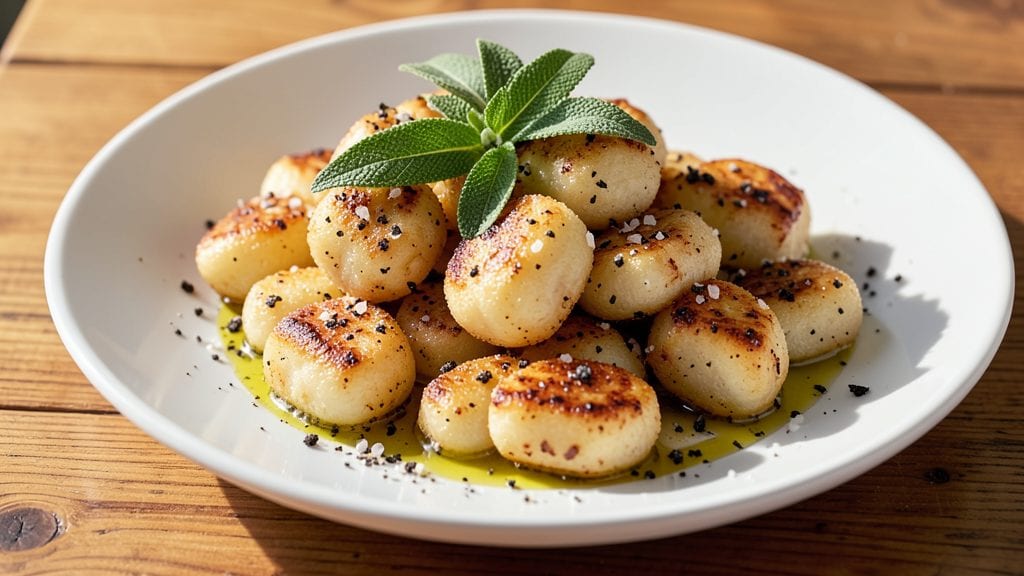
This potato gnocchi recipe delivers restaurant-quality pillowy clouds that melt in your mouth with just the right amount of resistance—no more dense, gluey gnocchi disasters. The secret lies in precise potato-to-flour ratios and proper resting times, which transform simple ingredients into Italian trattoria perfection.
I’ve tested countless variations, and this method consistently produces gnocchi that shatter beautifully in sauce while maintaining their signature cloud-like texture.
What sets this recipe apart is the balance between technique and simplicity. You’ll work with just three core ingredients—potatoes, flour, and a pinch of salt—but the process requires patience and attention to detail, particularly when testing the dough’s readiness.
The key is achieving that delicate, tender interior while ensuring the exterior holds its shape until it hits the boiling water. Once mastered, this method yields gnocchi that’s light enough to float in broth yet sturdy enough to hold rich sauces like sage brown butter or creamy mushroom ragù.
The result is a dish that feels indulgent yet remains surprisingly approachable for home cooks. Each piece expands in hot water, creating those coveted ridges that signal perfect texture, and finishes with a golden crust when briefly fried or baked.
Whether served as a side for Sunday dinner or the star of a pasta course, these gnocchi transform an ordinary meal into something memorable. The process is methodical but rewarding—ideal for those who appreciate the satisfaction of handmade Italian classics.
For added versatility, I’ll include tips on adjusting the recipe for dietary preferences and creative sauce pairings that elevate the dish further. Let’s get started on creating gnocchi that will have everyone asking for seconds—and thirds.
Ingredients for potato gnocci
Three core ingredients transform into restaurant-quality gnocchi with perfect pillowy texture and delicate ridges.
| Ingredient | Amount | Notes |
|---|---|---|
| Russet Potatoes 🥔 | 3 lbs | Starchy variety, peeled and boiled |
| All-Purpose Flour 🌾 | 2 ½ cups | Soft wheat, sifted for lightness |
| Large Eggs 🥚 | 1 whole | Room temperature for binding |
| Diamond Crystal Kosher Salt 🧂 | 1 ½ tsp | Fine grain for precise seasoning |
| Extra-Virgin Olive Oil 🫒 | 1 tbsp | For dough shaping and frying |
| Semolina Flour 🌾 | ¼ cup | For dusting work surface |
| Fresh Rosemary 🌿 | 2 sprigs | Finely chopped for aroma |
| Fresh Sage Leaves 🌿 | 4 whole | Minced for sauce pairing |
| Unsalted Butter 🧈 | 4 tbsp | Cold, for finishing sauce |
| Parmigiano-Reggiano Cheese 🧀 | ½ cup | Freshly grated for serving |
| Heavy Cream 🥛 | ½ cup | Optional for richer sauce |
| Water 💧 | 2 cups | For boiling potatoes |
The potato selection is non-negotiable—starchy russets yield the lightest gnocchi. Avoid waxy varieties like Yukon Golds, as they produce dense results. For optimal texture, boil the potatoes until completely tender but not collapsing, then let them cool in the colander to evaporate excess moisture. Professional Italian markets often carry pre-peeled russets, but peeling yourself ensures no skin interferes with the dough's delicate structure. The flour should be soft wheat all-purpose, not bread flour, as it contributes to the signature tenderness. Sifting it removes lumps that could create dense pockets in the dough. For the best results, use freshly grated Parmigiano-Reggiano—pre-grated versions contain anti-caking agents that alter texture.
Substitutions must preserve the gnocchi's signature characteristics. If you lack russets, Idaho potatoes work as a secondary choice, though they require slightly more flour. For a gluten-free adaptation, replace the all-purpose flour with a 1:1 gluten-free blend (like Bob's Red Mill) and add an extra 1 tbsp xanthan gum to mimic gluten's structure. The egg acts as a binder—omit it only if making vegan gnocchi, in which case add 1 tbsp ground flaxseed mixed with 3 tbsp water as a replacement. For the finishing touches, fresh herbs (rosemary and sage) are essential for authentic flavor, but dried can be used at half the quantity if necessary. The heavy cream is optional but recommended for pairing with the gnocchi—its richness complements the pillowy texture without overpowering it.
Potatoes should be stored in a cool, dark place for up to 5 days before use, but russets are best when used within 24 hours of purchase for peak starch content. The prepared dough must rest 30 minutes before shaping to develop gluten strands that create those coveted ridges. Shape the gnocchi immediately before cooking, as they dry out quickly—work in batches and keep unused portions covered with a damp towel. Cooked gnocchi reheat beautifully: toss with sauce and warm in a 350°F oven for 10 minutes, or refresh in boiling water for 30 seconds. For meal prep, freeze shaped (uncooked) gnocchi on a tray, then transfer to a bag—they keep for 3 months and cook straight from frozen, adding 1 minute to boiling time.
Why You'll Love This Recipe
- No-Fuss Dough: I swear by this method—just mash, mix, roll. No stand mixer, no fuss. The secret’s in the potato-to-flour ratio: too much flour and it’s dense; too little, and it falls apart. But when it’s right? Pure joy.
- Creamy Crisp Magic: That first bite—soft inside, golden edges, melting in your mouth? It’s all in the olive oil roast. The salt draws out the potato starch, making them light as clouds. (Yes, even my picky husband asks for seconds.)
- Weeknight to Dinner Party: Same recipe, different vibes. Toss with garlic and sage for a quick weeknight supper, or drizzle with brown butter and pecorino for fanciness. Leftovers? Toss in a skillet with marinara for gnocchi hash—game over.
- Budget Stretch: Russets are cheap, eggs add richness, and flour costs pennies. A single batch feeds four with sides, and the dough keeps in the fridge for days. Honestly? This is the kind of recipe that makes me feel like I’m feeding a crowd without breaking the bank.
Step-by-step instructions for potato gnocchi recipe
Mastering gnocchi means perfecting the dough's texture—light enough to float, sturdy enough to hold sauce.
Boil Potatoes Until Fork-Tender
Place the 3 lbs russet potatoes in a large pot and cover with the 2 cups water. Add 1 tsp of the 1.5 tsp diamond crystal kosher salt to the water. Bring to a boil over high heat, then reduce to a gentle simmer. Cook for 20-25 minutes until the potatoes are fork-tender—the knife should slide in easily with just slight resistance.
Drain immediately and let them steam-dry for 2 minutes in the pot. This step removes excess moisture, which is critical for preventing gummy dough. I've found that russets work best because their high starch content creates that signature pillowy texture.
Create the Dough with Flour and Egg
While the potatoes are still warm, transfer them to a clean work surface and peel away the skins. Place the peeled potatoes in a large mixing bowl and mash them with a potato ricer or fork until completely smooth—no lumps should remain. This texture is essential for light gnocchi.
Add the 2.5 cups all-purpose flour and the 1 whole large egg to the mashed potatoes. Using a wooden spoon, gently fold the ingredients together until just combined. The dough should be soft and slightly sticky but hold together when pressed. If it's too dry, add 1 teaspoon of water at a time until it reaches the right consistency.
Shape Gnocchi Using the Classic Ridge Method
Lightly dust a clean work surface with the 0.25 cup semolina flour. Divide the dough into 4 equal portions and roll each into a 12-inch rope about ½-inch thick. Use a sharp knife to cut the rope into 1-inch pieces.
To create the signature ridges, roll each piece gently over the back of a fork or a gnocchi board. The ridges help the sauce cling better and create that satisfying shatter when bitten. Work quickly to prevent the dough from drying out, and keep any unused dough covered with a damp towel.
Boil Gnocchi Until They Float
Bring a large pot of salted water to a rolling boil. Add the gnocchi in batches, stirring gently to prevent sticking. Cook for 2-3 minutes until they float to the surface—this indicates they're fully cooked. Remove with a slotted spoon and drain well.
I like to test one piece by cutting it open. If it's fully cooked, the inside should look dry and white, not translucent. The gnocchi should be light enough to float but firm enough to hold its shape. If they're undercooked, return them to the pot for another 30 seconds.
Finish with Butter, Sage, and Rosemary
In a large skillet, melt the 4 tbsp unsalted butter over medium heat. Add the 4 whole fresh sage leaves and the 2 sprigs fresh rosemary, finely chopped. Cook for 1 minute until the herbs release their aroma.
Add the cooked gnocchi to the skillet and toss gently to coat them in the buttery herb mixture. For a richer sauce, pour in the 0.5 cup heavy cream and stir until combined. Sprinkle with the 0.5 cup freshly grated parmigiano-reggiano cheese and the remaining 0.5 tsp diamond crystal kosher salt. Serve immediately while still hot.
Pro Tips For Making Potato Gnocci
- Boil Until Fork-Tender: Russets should fall apart like a sad sandwich when pierced with a fork—any less and your gnocchi will be dense. I used to pull them at 15 minutes, but they’re not ready until closer to 20, especially if they’re big chunks. Cold water speeds this up, but don’t skimp on the pot size or you’ll steam them instead of boil.
- Use Cold Potatoes: Let the boiled potatoes cool completely before mashing—hot potatoes release too much moisture, and your dough will turn into glue. I learned this the hard way when my first batch turned into a sad, sticky lump. Spread them on a tray and chill for 10 minutes before handling.
- Flour Like a Snow Angel: Work the flour into the potato dough gently—overmixing makes gnocchi tough. Lightly dust your hands and the counter, and fold just until combined. If the dough cracks, add a splash of water, not more flour. My grandmother called this "dancing with the dough," and she wasn’t wrong.
- Roll for Even Thickness: Use a pasta machine or the widest setting on a rolling pin to flatten the dough to about ¼-inch thick—any thicker and they’ll sink like stones. If the dough sticks, chill it for 10 minutes first. Uneven thickness = uneven cooking, and nobody wants that.
Best sauces and condiments for this recipe
Classic Sage Brown Butter
This timeless pairing transforms gnocchi into a luxurious dish with minimal effort. Melt 4 tbsp unsalted butter in a skillet over medium heat, then add 4 fresh sage leaves and cook until the butter turns golden and nutty—about 3-4 minutes.
The aroma alone elevates the dish, and the sage's earthy notes complement the pillowy texture perfectly. 🌿 For extra richness, stir in ½ cup heavy cream and finish with ½ cup freshly grated Parmigiano-Reggiano.
Creamy Mushroom Ragù
A deep, savory sauce that clings beautifully to gnocchi's ridges. Sauté 1 cup sliced cremini mushrooms in 2 tbsp olive oil until golden, then add ¼ cup minced shallots and cook for 2 minutes.
Deglaze with ½ cup white wine, then stir in 1 cup whole milk and ½ cup heavy cream. Simmer for 10 minutes until thickened, and finish with ¼ cup grated Pecorino Romano.
Spicy Tomato Basil
Brighten up your gnocchi with a vibrant, slightly tangy sauce. Blend 1 cup San Marzano tomatoes, ¼ cup basil leaves, 2 garlic cloves, and ½ tsp red pepper flakes until smooth.
Simmer the sauce in a pan for 10 minutes until reduced, then toss with gnocchi. Garnish with extra basil and a sprinkle of flaky sea salt to enhance the flavors. 🍅
Garlic and White Wine
A lighter, more elegant option that lets the gnocchi shine. Sauté 6 garlic cloves in 3 tbsp olive oil until golden, then deglaze with ½ cup dry white wine.
Add ½ cup chicken stock and simmer for 5 minutes until slightly thickened. Finish with 2 tbsp chopped parsley and a squeeze of lemon juice for brightness.
Truffle Oil Finish
For a gourmet touch, toss cooked gnocchi with 1 tbsp high-quality truffle oil and ¼ cup grated Parmigiano-Reggiano. The earthy, aromatic truffle oil adds a luxurious depth that pairs beautifully with the gnocchi's pillowy texture. Use sparingly—just enough to enhance, not overpower. 💫
Simple Olive Oil & Rosemary
When you want to keep it simple but still flavorful, this pairing is foolproof. Heat 2 tbsp extra-virgin olive oil in a skillet, add 1 tbsp finely chopped fresh rosemary, and cook for 1 minute.
Toss the gnocchi in the oil until fragrant, then finish with ½ tsp flaky salt and a few grinds of black pepper.
Nutrition facts
Frequently asked questions
Why does my potato dough turn out too dense instead of pillowy?
Dense gnocchi usually means one of two issues: overworking the dough or using the wrong potato type. Use starchy russets and mash them completely smooth with no lumps. Handle the dough minimally after mixing—just enough to shape—and let it rest 30 minutes before cutting. Overmixing develops gluten, which makes gnocchi tough.
Can I make gnocchi ahead of time?
Shape the gnocchi and freeze them on a tray before storing in a bag for up to 3 months. Cook straight from frozen, adding 1 minute to boiling time. Never freeze cooked gnocchi—they turn mushy. For freshness, cook within 2 hours of shaping.
What's the best way to test if gnocchi is fully cooked?
Drop a piece in boiling water—it's done when it floats to the surface (usually 2-3 minutes). Cut one open: the center should be dry and white, not translucent. If they sink, cook another 30 seconds. Overcooking makes them tough, so watch closely!
How do I fix gnocchi that sticks together when boiling?
Under-salted water is the #1 culprit! Use 2 tbsp salt per gallon of water. Stir gently when adding gnocchi, and cook in batches if needed. For extra insurance, toss them with 1 tbsp olive oil before boiling to create a protective barrier.
What's the secret to getting those perfect ridges?
Use the back of a fork or a gnocchi board to roll each piece gently. The ridges should be ¼-inch apart—not too deep. Press lightly but firmly, and work quickly to keep the dough from drying. The ridges help sauce cling and create that satisfying shatter when bitten!