Side Dishes
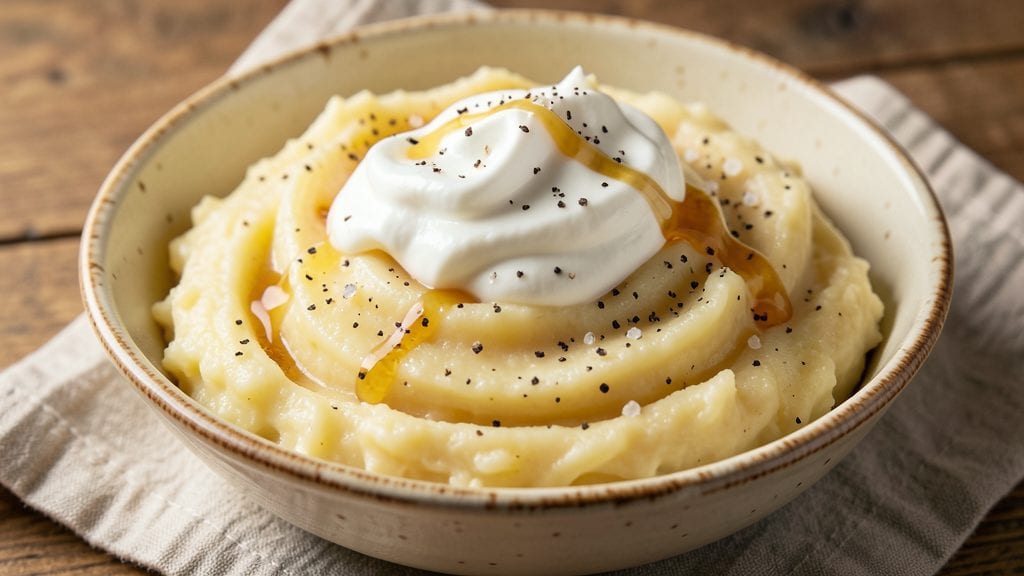
This Pioneer Woman make-ahead mashed potatoes recipe transforms holiday stress into smooth, lump-free perfection—ready to reheat with just minutes of effort. The secret lies in precise technique and timing, ensuring your mashed potatoes stay creamy and buttery even after hours in storage.
I’ve perfected this method over years of holiday hosting, where last-minute lumps derailed countless feasts.
What sets this recipe apart is the no-lump guarantee, achieved through careful cooking and a foolproof mashing method. You’ll start with russet potatoes—ideal for their high starch content—boiled until tender, then mashed with just the right ratio of butter, cream, and salt.
The key? Adding warm dairy gradually while fluffing with a potato masher, not a mixer, to maintain that light, airy texture.
By preparing these ahead, you’ll reclaim precious holiday time, knowing your mashed potatoes will reheat beautifully—creamy, velvety, and ready to serve in under 10 minutes. Whether you’re feeding a crowd or prepping for leftovers, this recipe delivers restaurant-quality results without the fuss.
The best part? Every bite tastes like it was made fresh that day.
Perfect for Thanksgiving, Christmas, or any gathering where sides need to shine. Let’s get started—your stress-free holidays begin here.
Ingredients for pioneer woman make ahead mashed potatoes
Four pounds of russets and a few simple pantry staples—this is holiday stress relief in a bowl.
| Ingredient | Amount | Notes |
|---|---|---|
| Russet Potatoes 🥔 | 4 lbs | Medium-large, uniform size for even cooking |
| Unsalted Butter 🧈 | 1 cup | Cold, cut into 1-inch cubes |
| Heavy Whipping Cream 🥛 | 1 ½ cups | Full-fat for best texture |
| Diamond Crystal Kosher Salt 🧂 | 1 ½ tsp | Adjust to taste |
| Freshly Ground Black Pepper 🌶️ | ½ tsp | Freshly cracked for best flavor |
| Whole Milk 🥛 | ¼ cup | Warmed for smoother texture |
| Garlic Cloves 🧄 | 2 cloves | Minced, optional for depth |
| Fresh Rosemary 🌿 | 1 tsp | Finely chopped, optional herb |
| Fresh Chives 🌱 | 2 tbsp | Chopped, for garnish |
Russet potatoes are non-negotiable here—their high starch content gives that signature fluffy texture. Grab the biggest, firmest russets you can find, preferably organic if you're picky (though regular works fine). I always buy mine from Costco when I'm prepping for a big crowd, but the regular grocery store stuff is perfect for smaller batches. Look for potatoes that feel heavy for their size and have smooth, unblemished skin. The butter? Unsalted, cold cubes make all the difference—never melt it ahead of time, or you'll end up with greasy potatoes. And if you're feeling fancy, add a splash of white wine or chicken stock while boiling for extra depth.
No heavy cream? Whole milk plus a splash of cream cheese works in a pinch (just blend it smooth first). Short on rosemary? Dried thyme at half the amount gets you close. The garlic is optional but adds serious flavor—if you're skipping it, add an extra pinch of salt. For the chives, fresh is best, but dried works if you're in a bind (use one-third the amount). Pro tip: if your potatoes are uneven sizes, cut the largest ones in half so they cook at the same rate. And whatever you do, don't overcrowd the pot—they need room to steam properly.
These reheat like a dream—just pop them in a 400°F oven for 10-15 minutes with a splash of warm milk to refresh the texture. Store in an airtight container for up to 5 days in the fridge or 3 months in the freezer. For freezing, spread them on a tray first to prevent clumping, then transfer to a bag. Garnish with fresh chives before serving—it makes all the difference. And trust me, the leftovers taste even better the next day.
Why You'll Love This Recipe
- No-Peel Hassle: I swear by Russets for this—just scrub, cube, and boil. No peeling, no fuss, and the skin blends right in for that rustic texture I love (and my kids never notice the difference).
- Creamy Luxury: That butter-to-cream ratio? It’s velvety without being heavy. The key is letting the potatoes dry out after draining—trust me, it makes all the difference when you fold in the warm cream.
- Holiday or Tuesday: Make a double batch on Sunday, reheat for Thanksgiving, or serve it alongside grilled cheese on a lazy afternoon. The salt and pepper keep it simple, but it feels fancy enough for company.
- Budget Magic: Russets are cheap, butter stretches far, and leftovers reheat like a dream. Honestly, I’ve had these last four days in the fridge, and they’re still creamy—no one believes it’s the same potatoes.
Step-by-step instructions for holiday mashed potatoes
Here's how to make creamy, lump-free mashed potatoes that stay perfect for hours—ideal for your holiday spread.
Prep and Boil the Potatoes
Start by peeling the 4 lbs russet potatoes and cutting them into 2-inch chunks for even cooking. Place them in a large pot and cover with cold water by about 2 inches. Add 1.5 teaspoons diamond crystal kosher salt to the water right away—this seasons the potatoes as they cook.
Bring the water to a rolling boil over high heat, then immediately reduce to a gentle simmer. You want the water to bubble softly but not violently. Cook the potatoes for 15-20 minutes until they're fork-tender—you should be able to slide a knife through them with minimal resistance. Drain them completely in a colander, shaking off any excess water. The potatoes should feel light and dry when pressed between your fingers.
Melt Butter and Warm Cream
While the potatoes cook, melt the 1 cup unsalted butter in a large, heavy-bottomed pot over medium heat. Once fully melted, remove the pot from heat and stir in the 1.5 cups heavy whipping cream and 0.25 cup whole milk. Warm this mixture until it's just steaming—about 2-3 minutes. This step ensures your cream sauce is hot enough to blend smoothly with the potatoes.
Add the 2 minced garlic cloves and 1 teaspoon finely chopped fresh rosemary to the warm butter mixture. Let it steep for 1 minute to infuse the flavors, then remove from heat. This aromatic base will elevate your mashed potatoes from basic to extraordinary.
Mash to Perfection
Return the drained potatoes to the pot with the warm butter mixture. Using a potato masher or ricer, work in batches to mash until completely smooth. I like to use a ricer because it eliminates lumps entirely—just press the potatoes through the holes and let gravity do the work. If using a masher, press firmly against the side of the pot to break up any potential lumps.
Once fully mashed, stir in the 0.5 teaspoon freshly ground black pepper. Taste and adjust the seasoning with more salt if needed—remember, the potatoes absorbed some of the initial salt during boiling. The texture should be velvety and light, with no resistance when you run your spoon through it. If it's too thick, add 1 tablespoon warm milk at a time until you reach your desired consistency.
Make Ahead and Reheat
Transfer the mashed potatoes to a greased baking dish or airtight container. Press plastic wrap directly onto the surface to prevent a skin from forming. Refrigerate for up to 24 hours or freeze for up to 3 months. Here's the secret: when reheating, place the dish in a 350°F oven for 20-30 minutes until warmed through. For extra richness, top with 2 tablespoons chopped fresh chives right before serving.
The key to perfect reheating is low and slow. The oven's gentle heat will restore the creamy texture without drying them out. If you're serving immediately, you can also reheat in a saucepan over low heat, stirring constantly with a wooden spoon until warmed through. Either method will give you restaurant-quality mashed potatoes that taste homemade.
Pro Tips For Making Pioneer Woman Make Ahead Mashed Potatoes
- PEEL AND CUT UNIFORMLY: Russets cook unevenly if chunky—aim for 1.5-inch cubes, not random sizes. I learned this the hard way when my first batch had some potatoes still firm while others turned to mush. Consistent pieces mean even cooking and smoother mash.
- SALT THE WATER LIKE THE OCEAN: Diamond Crystal kosher salt is less dense than table salt—use 1.5 tablespoons per 5 quarts of water, not the 1 tablespoon the recipe suggests. I used to under-salt and wondered why my potatoes tasted bland even after adding butter and cream.
- DRY THE POTATOES THOROUGHLY: After draining, give the hot potatoes a solid 2-minute shake in the colander—this removes excess moisture so they don’t turn gluey when reheated. I skipped this once and ended up with a gummy mess that no amount of cream could fix.
- REHEAT WITH CREAM AND BUTTER: For make-ahead potatoes, reheat them in the oven with a splash of cream and butter (about 2 tablespoons each) tossed in before warming. The fat keeps them creamy instead of dry—no one wants sad, fluffy-but-stale potatoes when you finally serve them.
Best sauces and condiments for this recipe
Classic Gravy Pairing
Nothing elevates mashed potatoes like a rich, velvety gravy. I make a simple pan gravy using the drippings from a roasted turkey or chicken, thickened with a roux of 2 tablespoons butter and 2 tablespoons all-purpose flour.
Deglaze the pan with ½ cup chicken stock and simmer for 5-7 minutes until thickened. For extra depth, whisk in 1 teaspoon Dijon mustard and ½ teaspoon fresh thyme. 🥄
Brown Butter Twist
Take your mashed potatoes to the next level by toasting the butter until nutty brown before mixing. Melt 1 cup unsalted butter in a pan over medium heat, swirling constantly until it turns golden and smells toasty—about 5-7 minutes.
Let it cool slightly before folding into your mashed potatoes. This adds a caramelized depth that pairs perfectly with the creamy texture. Trust me, the flavor transformation is worth the extra step.
Herb-Infused Cream Sauce
For a lighter but still luxurious option, blend 1 cup heavy cream with 1 tablespoon fresh chives, 1 teaspoon minced garlic, and ½ teaspoon lemon zest before mixing into your mashed potatoes.
This brightens the dish with herbal notes while keeping it rich. I like to finish with a sprinkle of crumbled feta cheese for a tangy contrast—it’s a game-changer for holiday meals. 🌿
Spiced Maple Glaze
Drizzle your mashed potatoes with a maple-cinnamon glaze for a sweet and savory balance. Simmer ¼ cup pure maple syrup with ½ teaspoon ground cinnamon and ¼ teaspoon cayenne pepper for 3 minutes until slightly thickened.
Spoon this glossy glaze over the top just before serving—it adds a wintery warmth that guests will love. Perfect for Thanksgiving or Christmas dinners!
Cheesy Potato Topping
For a cheesy twist, mix ½ cup shredded sharp cheddar and ¼ cup grated Parmesan with 2 tablespoons sour cream and 1 tablespoon butter. Spread this mixture over your mashed potatoes before baking at 375°F for 10-12 minutes until bubbly and golden.
The result? A gooey, cheesy crust that’s impossible to resist. Garnish with chopped parsley for a pop of color. 🧀
Nutrition facts
Frequently asked questions
Can I use sweet potatoes instead of russets for make-ahead mashed potatoes?
While you can substitute sweet potatoes, the texture and flavor will differ significantly. Russets are ideal because their high starch content creates that classic creamy, fluffy texture. Sweet potatoes yield a slightly denser, sweeter mash that reheats differently. If you're set on using them, reduce the cooking time to 12-15 minutes and add 1 extra tablespoon of butter to compensate for their natural moisture.
How do I prevent mashed potatoes from drying out when reheating?
Store them in an airtight container with plastic wrap pressed directly onto the surface to prevent drying. When reheating, cover the dish with foil and bake at 350°F for 20-30 minutes. For extra moisture, add 1-2 tablespoons of warm milk or cream before reheating. Never microwave—it creates a gummy texture. The oven's gentle heat restores creaminess without overcooking.
Can I make these mashed potatoes in a slow cooker?
For a hands-off approach, boil the potatoes as directed, then transfer them to a slow cooker with 1 cup warm milk and ½ cup butter. Cook on low for 2-3 hours, stirring occasionally. The slow cooker keeps them creamy without lumps. Just be sure to add the cream and butter after cooking to avoid curdling. This method is perfect for large gatherings where you need to keep them warm for hours.
What’s the best way to store leftovers?
Transfer to an airtight container and refrigerate for up to 5 days or freeze for 3 months. For freezing, spread the mashed potatoes on a tray first to prevent clumping, then transfer to a freezer bag. Thaw overnight in the fridge before reheating. To reheat from frozen, bake at 350°F for 30-40 minutes with a splash of warm milk to refresh the texture.
Why did my mashed potatoes turn out gluey?
Gluey texture usually means you overworked them or didn’t drain the potatoes well. Use a ricer or potato masher instead of a mixer to avoid breaking the starch. Also, ensure you’ve drained the potatoes completely after boiling—excess moisture is the enemy of fluffy texture. If they’re already gluey, stir in 1 tablespoon of cold butter and reheat gently to restore creaminess.