
Sauces & Condiments
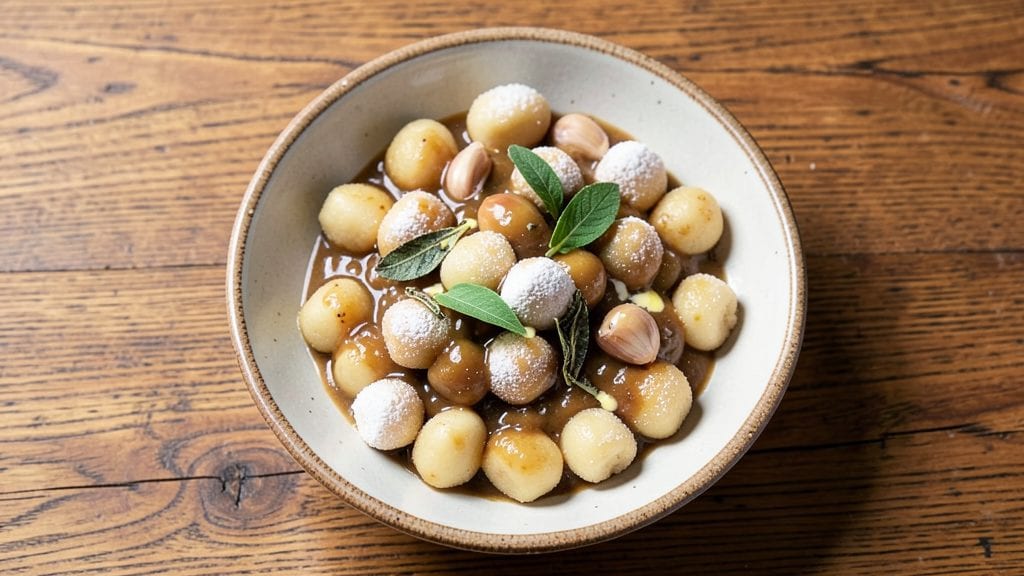
This potato gnocchi sauce recipe transforms simple ingredients into restaurant-quality comfort food that feels like a hug from your nonna. The secret lies in brown butter sage sauce—rich, nutty, and aromatic—that clings to pillowy gnocchi like a dream.
I perfected this after years of experimenting with my grandmother’s handwritten notes, where she’d scribbled "brown the butter long" in the margin, a lesson I nearly ignored until the first batch revealed its magic.
The dough itself is foolproof: just potatoes, flour, and eggs, mashed and rolled into soft, ridged dumplings that cook in minutes. No special tools required—just a fork and a rolling pin.
The sauce comes together in 15 minutes, with brown butter infusing the gnocchi with deep, toasty flavor while fresh sage adds a bright, herbal note. This is the kind of dish that turns weeknight dinners into something special without requiring hours in the kitchen.
What you’ll end up with is a plate of golden-brown gnocchi swimming in velvety brown butter sauce, each bite tender yet sturdy, with crisp edges that melt into the creamy sauce.
The aroma alone—warm butter, fresh sage, and just a hint of garlic—will have everyone at the table asking for seconds. It’s the kind of meal that feels indulgent but comes together with simple, reliable techniques.
Serve with a simple arugula salad or roasted asparagus to balance the richness, or keep it classic with a sprinkle of grated pecorino. The leftovers reheat beautifully, making this the perfect make-ahead dish for busy nights. Let’s get started—your kitchen is about to smell like home.
Ingredients for potato gnocchi sauce
Simple ingredients, big flavor—this gnocchi sauce recipe turns humble potatoes into restaurant-worthy comfort.
| Ingredient | Amount | Notes |
|---|---|---|
| Russet Potatoes 🥔 | 2 lbs | Starchy, no green spots |
| All-Purpose Flour 🌾 | 2 cups | Plus 2 tbsp for dusting |
| Large Eggs 🥚 | 2 whole | Room temperature preferred |
| Unsalted Butter 🧈 | ¾ cup | Full-fat for best flavor |
| Fresh Sage Leaves 🌿 | ½ cup | Stems removed, chopped |
| Garlic Cloves 🧄 | 4 cloves | Minced, fresh preferred |
| Heavy Cream 🥛 | ½ cup | Full-fat for creaminess |
| Parmesan Cheese 🧀 | ½ cup | Freshly grated, block preferred |
| Salt 🧂 | 1 ½ tsp | Kosher or sea salt |
| Ground Black Pepper 🌶️ | ½ tsp | Freshly ground preferred |
| Vegetable Oil 🫒 | 1 tbsp | For frying gnocchi |
| Fresh Parsley 🌿 | ¼ cup | Chopped, for garnish |
The potatoes are non-negotiable—Russets give you that light, fluffy texture. Sweet potatoes won't work here. I grab mine from the organic section at Whole Foods or the regular produce aisle at Kroger, but any grocery store will have them. Skip the green spots—those mean bitter flavor. For the butter, Plugrá or Land O'Lakes unsalted are my go-tos. Fresh sage? Trader Joe's sells it pre-chopped, but I always grab whole leaves and chop them myself—they keep better that way. The Parmesan? Grab a wedge from the deli—pre-grated is full of anti-caking agents that make it taste like sawdust.
No fresh sage? Dried works at half the amount, but it won’t have that same bright aroma. Running low on heavy cream? Half-and-half plus a splash of milk gets you close. The butter needs to brown properly—don’t rush it! Low and slow is key for that nutty flavor. For the gnocchi dough, if you can’t find Russets, Yukon Golds are your second choice, but they’ll be slightly denser. And if you’re making a big batch, double the flour—it’s your insurance against sticky dough. The garlic? Fresh is non-negotiable here—jarred just won’t cut it.
Browned butter smells amazing but goes rancid fast. Store it in the fridge for up to 3 days in an airtight container, or freeze it for 3 months in ice cube trays. The gnocchi dough keeps 2 days in the fridge, wrapped tightly in plastic. Reheat leftovers gently in a skillet—no microwave, or they’ll turn gummy. I always make extra sauce because it reheats beautifully, and you’ll want seconds anyway. The best part? This tastes even better the next day—the flavors meld overnight.
Why You'll Love This Recipe
- No Boiling Nightmares: I’ll admit, I used to dread making gnocchi—until I realized you can mash those Russets raw. No waiting for water to boil, no sticking to a pot. Just peel, grate, and mix. That’s it. The egg and flour bind it all together like magic, and the dough comes together faster than you can say "weeknight dinner."
- Buttery Sage Magic: Honestly, the sauce is where this dish shines. Browned butter with crispy sage leaves? It’s the kind of flavor that makes you pause mid-bite. The sage’s peppery kick cuts through the richness, and the butter adds that velvety finish. Even my husband—who claims to hate "fancy" food—asks for seconds.
- Weeknight to Dinner Party: Between us, this recipe works for everything. Toss it with a simple tomato sauce for a quick weeknight meal, or drizzle it with brown butter and sage for a restaurant-worthy dish. I’ve served it at potlucks, date nights, and even as a side for my in-laws (who still think I’m a culinary genius).
- Leftovers That Don’t Suck: Most gnocchi recipes leave you with sad, gluey leftovers. Not this one. The dough keeps well in the fridge for up to 3 days, and the cooked gnocchi reheats beautifully in a pan with a little butter. Plus, the potatoes are cheap, and you only need a handful of ingredients. Budget-friendly? Absolutely. Wasteful? Never.
Step-by-step instructions for potato gnocchi with brown butter sage sauce
Here's how to transform simple russet potatoes into pillowy gnocchi with a rich, aromatic brown butter sage sauce.
Make the Gnocchi Dough and Rest
Begin by grating the 2 lbs russet potatoes using the large holes of a box grater. Place the grated potatoes in a clean kitchen towel and squeeze out all excess moisture - this is crucial for light, fluffy gnocchi. In a large bowl, combine the dried potato with 2 cups all-purpose flour and 1.5 tsp salt, mixing gently until just combined. The dough should be shaggy but hold together when pressed.
Next, make a well in the center and add the 2 whole large eggs. Using a fork, gradually incorporate the eggs into the flour mixture until you have a soft, pliable dough that doesn't stick to your hands. If it's too sticky, add 1-2 tbsp more flour. Divide the dough into 4 equal portions and cover with plastic wrap. Let it rest at room temperature for 30 minutes - this resting period allows the gluten to relax, making the gnocchi easier to roll.
Shape the Gnocchi and Prepare for Cooking
After resting, take one portion of dough and roll it into a ½-inch thick rope. Use a gnocchi board or the back of a fork to create ridges along the length of the rope. Cut the rope into 1-inch pieces and repeat with remaining dough portions. For the 2 tbsp additional flour mentioned in the ingredients, dust your work surface generously to prevent sticking.
Bring a large pot of water to a gentle boil and have ready a slotted spoon. Working in batches, add the gnocchi to the boiling water and stir gently. They're ready when they float to the surface, typically within 1-2 minutes. Remove with the slotted spoon and drain well. Keep them warm in a single layer on a baking sheet while you prepare the sauce.
Create the Brown Butter Sage Sauce
In a large skillet, melt the 0.75 cup unsalted butter over medium heat. As it melts, the butter will foam and then begin to turn golden brown. Watch carefully - the moment it turns nutty brown and smells amazing (about 5-7 minutes), immediately remove from heat and add the 0.5 cup chopped fresh sage leaves. Let the sage infuse in the butter for 1 minute, then strain out the leaves using a fine-mesh sieve.
Return the skillet to medium heat and add the 4 minced garlic cloves, cooking for 30 seconds until fragrant. Pour in the 0.5 cup heavy cream and let it simmer gently for 2 minutes until slightly thickened. Stir in the 0.5 cup freshly grated parmesan cheese until fully melted and smooth. Season generously with 0.5 tsp ground black pepper and taste - you may want to add a pinch more salt to complement the rich flavors.
Fry the Gnocchi for Perfect Crispiness
Heat 1 tbsp vegetable oil in a clean skillet over medium-high heat until shimmering. Working in batches, add the cooked gnocchi and fry for 1-2 minutes per side until golden brown spots appear. The oil should sizzle gently - if it's too hot, the gnocchi will burn before browning properly. Transfer the fried gnocchi to a warm serving platter.
To serve, pour the brown butter sage sauce over the fried gnocchi and toss gently to coat. Garnish with the 0.25 cup chopped fresh parsley for a pop of color and freshness. The contrast of tender, pillowy gnocchi with crispy edges and the rich, nutty brown butter sauce creates an unforgettable combination.
Pro Tips For Making Potato Gnocchi Sauce
- BOIL POTATOES UNIFORM: Cut Russets into identical sticks—no bigger than a pencil—so they cook evenly. I learned this the hard way when one batch turned mushy while others stayed undercooked; consistency is everything here.
- RICE POTATOES DRY: Spread them on a baking sheet and let them cool completely before grating. Warm potatoes release starch like crazy, and that’s how you end up with gluey gnocchi instead of light, pillowy ones.
- WORK FLOUR FAST: Mix the flour into the potato mash just until combined—no need to overwork it. I used to knead like dough, and that’s when the gnocchi turned dense. A few seconds of folding is all you need.
- SAGE AT THE END: Toss fresh sage into the butter sauce after it’s off the heat. If you add it too early, it’ll wilt into oblivion, and you’ll end up with sad, limp leaves instead of fragrant, crispy bits.
Essential equipment for this recipe
Gnocchi Board or Fork
You don’t need a fancy gnocchi board—my grandmother used the back of a fork! The ridges create those signature indentations that help sauce cling beautifully.
If you want to invest in a tool, the OXO Good Grips Gnocchi Board ($12) is my top pick—it’s sturdy, easy to clean, and gives perfect ridges. For a budget option, a simple wooden dowel or even a pasta maker attachment works in a pinch. 🌟
Large Pot for Boiling
A 12-quart enameled cast-iron Dutch oven is ideal for boiling gnocchi because it holds heat well and prevents boiling over. I use my Le Creuset Signature ($150) for big batches, but any large pot with high sides works.
If you’re short on space, a 6-quart stockpot will work for smaller servings. Just make sure it’s wide enough to handle the gnocchi without crowding—overcrowding makes them stick together.
Skillet for Sauce
For the brown butter sage sauce, a 10-inch cast-iron skillet is my go-to because it distributes heat evenly and gets properly browned. My trusty Lodge Pre-Seasoned Cast Iron ($30) handles the high heat of browning butter without warping.
If you don’t have cast iron, a heavy stainless steel skillet like All-Clad’s D3 ($120) works well too. Just avoid non-stick—it can’t handle the heat needed for proper browning.
Fine-Mesh Sieve
Straining out sage leaves after browning butter is key to avoid bitter flavors. A fine-mesh sieve or even a cheesecloth works perfectly. I keep a Mesh King Strainer ($15) in my kitchen for this exact purpose—it’s lightweight, dishwasher-safe, and catches even the smallest bits.
For a no-fuss option, a clean kitchen towel twisted into a funnel shape does the trick in a pinch.
Slotted Spoon
A long-handled slotted spoon is essential for removing gnocchi from boiling water without breaking them. My favorite is the OXO Good Grips Slotted Spoon ($12)—it’s comfortable to hold and has generous slots for easy draining.
If you’re in a hurry, a regular slotted spoon or even a spider strainer will work, but the larger slots help prevent gnocchi from clogging.
Thermometer for Butter
Browning butter is an art, and a candy thermometer takes the guesswork out of it. I use a Thermoworks Thermapen One ($35) to monitor butter at 350°F—that’s when it’s perfectly browned and nutty.
For a budget option, a digital instant-read thermometer like the Taylor Precision Products ($15) works just as well. Without one, watch for the butter to turn golden brown and smell deeply nutty—it’s foolproof once you get the hang of it! 🔥
Nutrition facts
Frequently asked questions
Why do I need to squeeze out all the moisture from the grated potatoes?
Excess moisture makes gnocchi dense instead of light and fluffy. The towel step removes water while keeping the potato texture intact—this is what gives your gnocchi that signature pillowy bite. Skip this, and you'll end up with heavy, doughy dumplings instead of tender clouds.
Can I make gnocchi ahead of time and freeze them?
Shape the gnocchi, then freeze them on a baking sheet for 1 hour to prevent sticking. Transfer to a sealed bag and freeze for up to 3 months. Cook from frozen—just add 1 minute to the boiling time. The sauce should always be made fresh, though, as it reheats best when warm.
What if my brown butter smells burnt instead of nutty?
You likely cooked it too hot or too long. The butter should be golden brown and smell richly nutty at 350°F. If it smells burnt, start over with fresh butter—burnt butter has a bitter, acrid aroma that ruins the sauce. Keep heat medium-low and watch closely after foaming begins.
Can I substitute heavy cream for something lighter?
For a lighter version, replace half the heavy cream with whole milk or half-and-half. The sauce will still be creamy but slightly less rich. If you're avoiding dairy entirely, use coconut cream (it adds a subtle sweetness) or a dairy-free butter substitute for browning. The texture will differ, but it'll still taste delicious!
How do I fix gnocchi that turn out too dense?
Dense gnocchi usually mean too much flour or not enough moisture. Next time, use 1 cup less flour and squeeze the grated potatoes more thoroughly. For immediate rescue, boil the dense gnocchi for 30 seconds extra—the steam will help them puff up slightly. Serve with extra sauce to balance the texture.