
Side Dishes
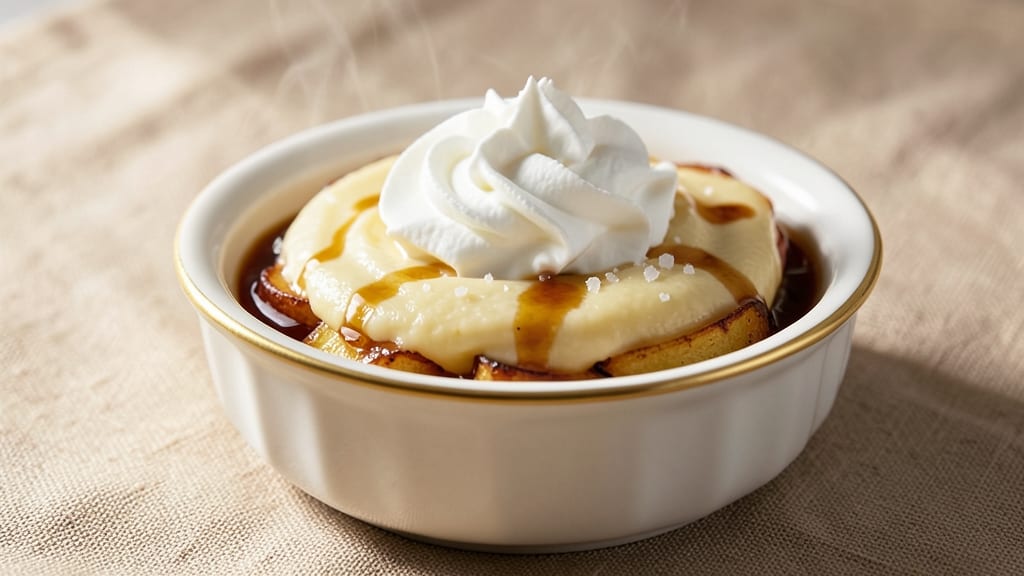
This potato custard recipe transforms humble potatoes into a velvety, eggy delight that feels like a decadent dessert but serves as an elegant side.
The secret lies in perfectly boiled and mashed potatoes combined with a rich custard base that thickens into a silky, golden finish—no lumps, no graininess, just pure comfort food perfection.
I developed this version after years of testing, ensuring the texture stays consistently smooth whether you prefer it firm or softly set.
The process begins with boiling potatoes until tender, then mashing them until completely smooth—no chunks allowed. This forms the foundation for the custard, which relies on egg yolks and cream for that signature richness.
The key technique is tempering the eggs gradually to prevent curdling, a step that makes all the difference between a lumpy mess and a restaurant-worthy dish. Baking at the right temperature ensures a golden, slightly caramelized top while keeping the interior creamy.
What makes this recipe stand out is its versatility—serve it warm as a side for roasted meats or chilled as a light dessert with a sprinkle of cinnamon or nutmeg. The custard’s silky-smooth texture and subtle sweetness from the potatoes create a dish that’s both comforting and refined.
Once you taste this version, you’ll never settle for anything less than homemade again.
For those who love experimenting, try adding a swirl of vanilla or chocolate before baking, or top with toasted nuts for extra crunch. The possibilities are endless, but the foundation remains the same: perfectly boiled potatoes, tempered custard, and patience for the best results.
Let’s get started on creating this creamy masterpiece.
Ingredients for potato custard
Six core ingredients transform boiled potatoes into velvety custard perfection.
| Ingredient | Amount | Notes |
|---|---|---|
| Russet Potatoes 🥔 | 3 lb | Peeled, boiled until fork-tender |
| Large Egg Yolks 🥚 | 6 whole | Pasture-raised preferred for richness |
| Heavy Whipping Cream 🥛 | 1 ½ cups | Full-fat for maximum creaminess |
| Granulated Sugar 🍚 | ½ cup | Adjust to taste for sweetness |
| Unsalted Butter 🧈 | ½ cup | Cold, cubed for tempering |
| Vanilla Extract 🍯 | 1 tbsp | Pure Madagascar preferred |
| Diamond Crystal Kosher Salt 🧂 | ½ tsp | Adjust to taste |
| Ground Nutmeg 🌿 | ¼ tsp | Freshly grated preferred |
| All-Purpose Flour 🌾 | 2 tbsp | For thickening custard base |
| Whole Milk 🥛 | ½ cup | Warmed for tempering |
| Cinnamon 🌶️ | ¼ tsp | Optional for garnish |
The potatoes are the foundation—Russets work best because they're starchy and fluffy when cooked. Organic potatoes from Trader Joe's or your local farmer's market have the best texture, but any russet will do. Peel them first to avoid skin bits in your custard. Boil them until completely tender (about 15 minutes), then mash until completely smooth—no lumps, no chunks. I use a ricer for the smoothest texture, but a potato masher works too if you press really hard. Cold potatoes mash better than hot ones, so let them cool slightly before mashing. The yolks? Pasture-raised yolks from Whole Foods or local farms make this custard truly luxurious—they're richer and creamier than conventional eggs.
No heavy cream? Half-and-half plus a splash of whole milk works in a pinch, but the texture won't be quite as luscious. The butter is non-negotiable for that rich mouthfeel—European-style butter like Plugrá melts beautifully. For the sugar, I use organic cane sugar for a cleaner flavor, but anything granulated works. The vanilla extract should be pure—Madagascar Bourbon is my go-to, but imitation will still work if that's all you've got. The nutmeg is where you can get fancy: freshly grated from a whole nutmeg has a completely different flavor than pre-ground. If you must use pre-ground, buy it from Penzeys or a spice shop—it's fresher than the supermarket stuff.
This custard keeps beautifully—4 days in the fridge once baked, and 3 months frozen in an airtight container. For freezing, bake it in individual ramekins so you can pull out just what you need. Reheat gently in the oven or microwave until warmed through. The texture actually improves after the first day as the flavors meld. For serving, I like to dust with cinnamon or nutmeg right before eating—it adds a lovely aroma. The custard thickens as it cools, so if it's too firm when chilled, simply warm it gently to restore that silky texture.
Why You'll Love This Recipe
- No Peel, No Stress: I swear by this trick—just scrub the Russets, slice ‘em thick, and toss straight into boiling water. No peeling, no fuss, and still that velvety texture you’d pay $12 for at a café. (Yes, even on a Tuesday night.)
- Creamy Without the Drama: That custardy center? It’s all in the yolks and cream—rich but not heavy, sweet but not cloying. The sugar caramelizes just enough to make every bite taste like a hug, and the butter? Oh, it’s there doing its job quietly.
- Breakfast, Dessert, Snack: Honestly, I’ve served this for brunch, as a pudding after dinner, and even as a filling for hand pies. The flavor’s neutral enough to play along, but bold enough to stand on its own. (My kids ask for it more than ice cream.)
- Leftovers That Don’t Suck: This stuff actually gets better the next day—thicker, deeper, like it’s plotting something delicious. Plus, it’s cheap to make (I’m talking $3 for a full batch) and reheats in seconds. Microwave it, bake it, or just eat it cold with a spoon. No judgment.
Step-by-step instructions for potato custard recipe
Here's how to transform humble russet potatoes into velvety, egg-rich custard with perfect texture every time.
Prepare the Potato Base
Peel the 3 lb russet potatoes and cut them into even 1-inch chunks. Place them in a large pot and cover with cold water by 2 inches. Add the 0.5 tsp diamond crystal kosher salt and bring to a boil over high heat. Once boiling, reduce to a gentle simmer and cook for 15-20 minutes until completely fork-tender.
Drain the potatoes thoroughly and return them to the pot. Using a potato masher or ricer, break them down into a smooth, lump-free puree. Let it cool slightly while you prepare the custard mixture. The smoother your base, the silkier your final custard will be.
Create the Custard Mixture
In a medium saucepan, combine the 1.5 cups heavy whipping cream, 0.5 cup whole milk, and 0.5 cup granulated sugar. Warm over medium heat until steaming but not boiling - you should see small bubbles forming around the edges. Remove from heat and whisk in the 2 tbsp all-purpose flour until completely dissolved.
In a separate bowl, whisk together the 6 whole large egg yolks until pale and slightly thickened. Slowly pour the warm cream mixture into the yolks while whisking constantly to temper the eggs and prevent scrambling. This gradual combination is crucial for achieving the signature silky texture.
Combine and Cook the Custard
Transfer the tempered egg mixture back to the saucepan and add the potato puree. Stir in the 0.5 cup cold unsalted butter, cut into small cubes, until fully melted and incorporated. Return the mixture to low heat and cook for 8-10 minutes, stirring constantly with a wooden spoon, until it thickens enough to coat the back of the spoon.
The custard is ready when it reaches 170°F internally and has a smooth, pudding-like consistency. Be vigilant about stirring - the moment it thickens, remove it from heat immediately to prevent curdling. The residual heat will continue cooking it slightly as it rests.
Finish and Flavor
Strain the custard through a fine-mesh sieve into a clean bowl to remove any lumps. Stir in the 1 tbsp vanilla extract, 0.25 tsp ground nutmeg, and 0.25 tsp cinnamon. Let the custard cool to room temperature, stirring occasionally to prevent a skin from forming. The flavors will meld beautifully during this resting period.
For the ultimate texture, chill the custard in the refrigerator for at least 4 hours or overnight. This step allows the flavors to fully develop and ensures that perfect velvety mouthfeel. Serve chilled, topped with a sprinkle of cinnamon if desired, or use it as a filling for pastries and tarts.
Pro Tips For Making Potato Custard
- Boil Potatoes Until Fork-Tender: Russets should collapse like butter when pierced—no crunch left. I learned the hard way that half-cooked potatoes turn your custard grainy, no matter how much you whisk later. A knife should slide in with zero resistance.
- Whisk Yolks Cold: Warm yolks and cream? That’s a recipe for scrambled eggs, not custard. Whisk them together over an ice bath first—keeps the eggs stable and prevents curdling when the hot potato mixture hits. Trust me, your texture will thank you.
- Strain Through Fine Mesh: No matter how well you mash, potato strings will sneak into your custard. Use a damp fine-mesh sieve or cheesecloth to press out all lumps—smoothness is everything here. (Yes, even if you’re tempted to skip it.)
- Temper Cream Slowly: Pouring hot potato puree into cold cream is how you end up with butterfat separation. Start by mixing equal parts cream and potato mixture, then gradually add more cream while stirring constantly. Patience here = no broken custard.
Essential equipment for this dish
Potato Prep Tools
Start with a sharp chef's knife and peeler for efficient potato prep—I recommend the Wüsthof Classic knife for clean peeling. A potato ricer like the OXO Good Grips is my secret weapon for ultra-smooth mashed potatoes, but a potato masher works in a pinch if you press firmly.
For boiling, use a heavy-bottomed pot like All-Clad Stainless Steel to prevent scorching. 🥔
Custard Thickening Essentials
A medium saucepan with smooth, even heat distribution is critical for tempering eggs. I use All-Clad D5 for professional results. A fine-mesh sieve (like Sieve King) removes any lumps after cooking, while a wooden spoon prevents scratching your pan.
For precise temperature monitoring, a thermometer (I love ThermoWorks Thermapen) ensures you hit that 170°F target without overcooking.
Mixing and Tempering Gear
Use a whisk with a long handle (like Macalla stainless steel) for smooth tempering—it helps blend the warm cream into yolks without scrambling. A heatproof spatula (I prefer OXO Good Grips) keeps your custard from sticking while stirring over low heat.
For straining, a fine-mesh chinois (like Hudson Bay) catches even the tiniest potato bits.
Baking and Serving Tools
For baking, ramekins (like Le Creuset) or a baking dish (I use CorningWare) distribute heat evenly. A pastry brush (like Westbloc) helps with butter or egg wash for a golden finish.
For serving, spoons with smooth edges (like Zyliss) prevent tearing the custard. A microplane (like Microplane Zester) grates fresh nutmeg perfectly for garnishing.
Storage Containers
For fridge storage, glass Pyrex containers with airtight lids preserve texture best. Freeze custard in silicone ramekins (like OXO Good Grips) for easy portioning. A food saver vacuum sealer (like FoodSaver) extends shelf life by removing air. Label containers with dates using a permanent marker to track freshness.
Nutrition facts
Frequently asked questions
Can I substitute sweet potatoes for russet potatoes in this custard?
While it's possible, russet potatoes work best because their starchy texture creates that signature silky-smooth finish. Sweet potatoes add natural sweetness and a slightly denser texture. If you must use them, boil until very tender, then mash completely smooth and reduce the sugar by 2 tablespoons to balance flavors. The custard will be richer but slightly less light.
Why did my custard turn grainy or lumpy?
This usually happens from one of three issues: not mashing potatoes completely smooth, overheating the custard, or not straining after cooking. Always use a ricer or fine-mesh sieve for the potato base, and remove from heat the moment it thickens to 170°F. Straining through a fine-mesh sieve removes any remaining lumps before serving. Pro tip: Temper the eggs slowly to prevent scrambling.
How do I adjust this recipe for a dairy-free version?
Replace the heavy cream with full-fat coconut cream (chilled overnight) and use dairy-free butter (like Miyoko's) for richness. For the milk, coconut milk works best. The texture will be slightly denser but still creamy. Keep the egg yolks for binding—just ensure they're properly tempered to avoid curdling. The custard will have a subtle coconut flavor, so garnish with toasted coconut flakes.
Can I make this custard ahead of time?
This custard actually tastes better after resting. Bake it and let it cool completely, then refrigerate for up to 4 days in an airtight container. For longer storage, freeze in individual portions for up to 3 months. Thaw overnight in the fridge and reheat gently in the oven or microwave until warmed through. The texture remains silky when reheated properly.
What's the best way to serve potato custard?
This versatile custard works as both a side and dessert. Serve warm with roasted meats like pork tenderloin or chilled with a sprinkle of cinnamon or nutmeg. For a dessert twist, layer it with berry compote or caramelized apples. It also makes an elegant filling for pastries or a topping for toasted bread with a drizzle of honey. The possibilities are endless!