
Side Dishes
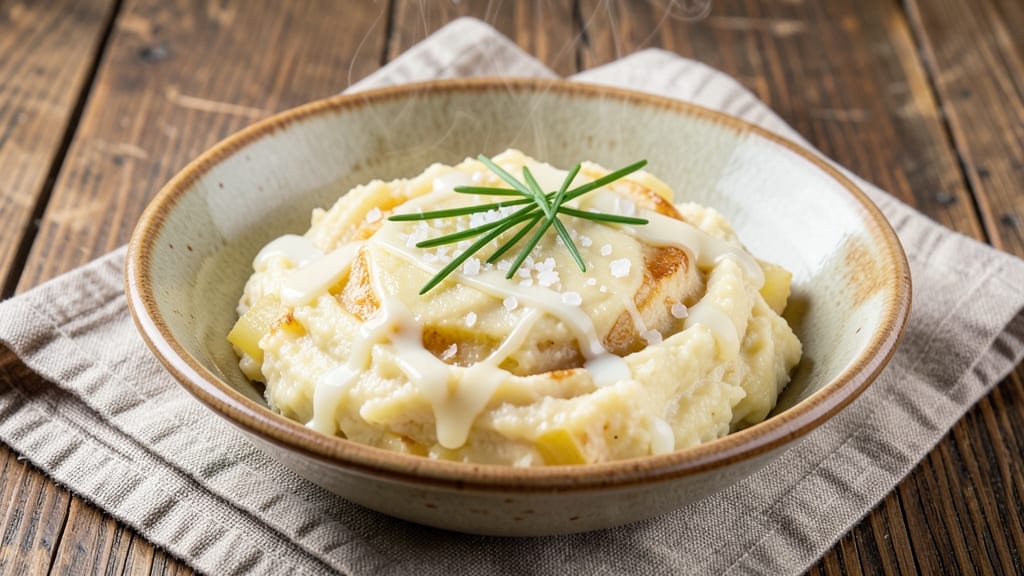
Creating potato and turnip mash with an ultra-smooth texture and earthy sweetness transforms a simple side dish into a luxurious centerpiece. The secret lies in proper boiling, precise mashing, and balancing rich dairy with savory seasonings—techniques I’ve perfected over years of holiday feasts and weeknight dinners.
This recipe delivers a velvety consistency that pairs beautifully with roasted meats or hearty stews, elevating any meal.
The foundation begins with evenly cooked potatoes and turnips, boiled until tender yet firm enough to resist breaking during mashing. A ricer or food mill ensures a lump-free finish, though traditional hand-mashing adds a rustic texture if preferred.
Butter and warm milk or cream bind the mixture, while salt and a touch of thyme enhance the natural sweetness of the turnips, creating a harmonious balance of flavors.
What sets this mash apart is its versatility—serve it alongside roasted chicken, beef, or even as a standalone dish with crispy fried onions. The earthy sweetness of turnips complements the creaminess of potatoes, making each bite rich and satisfying.
Whether you’re hosting a gathering or simply craving comfort food, this mash delivers restaurant-quality results at home.
For extra depth, stir in fresh parsley or a splash of lemon juice before serving, though the classic version relies on butter, cream, and precise seasoning. The key to success?
Patience in boiling and mashing—skip the shortcuts, and you’ll achieve a texture so smooth it rivals gourmet preparations. Let’s get started on creating this timeless side dish.
Ingredients for potato and turnip mash
Six ingredients transform humble potatoes and turnips into a velvety, restaurant-worthy side dish.
| Ingredient | Amount | Notes |
|---|---|---|
| Yukon Gold Potatoes 🥔 | 3 lbs | Peeled, cut into even chunks |
| Turnips 🥕 | 1 ½ lbs | Peeled, quartered, yellow or white |
| Unsalted Butter 🧈 | ¾ cup | Cold, cut into small cubes |
| Heavy Whipping Cream 🥛 | ½ cup | Warm, not hot |
| Whole Milk 🥛 | ½ cup | Warm, not boiling |
| Diamond Crystal Kosher Salt 🧂 | 1 ½ tsp | Adjust to taste |
| Fresh Thyme Leaves 🌿 | 1 tbsp | Chopped, stems removed |
| Fresh Parsley Leaves 🌿 | 2 tbsp | Chopped, for garnish |
| Lemon Juice 🍋 | 1 tbsp | Freshly squeezed, optional |
| Black Peppercorns 🌶️ | ½ tsp | Freshly cracked |
| Fried Onions 🧅 | ¼ cup | For topping, optional |
Yukon Gold potatoes are the star here—their buttery texture and creamy finish make all the difference. Buy organic if possible, as their skins are thinner and easier to peel. Turnips should be firm and heavy for their size; yellow turnips have a sweeter flavor than white. I always grab mine from Whole Foods or the produce section at Trader Joe's, where they’re consistently fresh. For the dairy, Plugrá butter adds a rich depth, but any good-quality unsalted butter works. The key is keeping it cold until the very end—this ensures smoothness without breaking the emulsion. Fresh thyme is ideal, but dried works at one-third the amount if you're in a pinch.
No Yukon Golds? Russets or red potatoes work in a bind, though they’ll be slightly starchier. Turnip shortage? Sweet potatoes or parsnips can stand in, but reduce the boiling time by 5-7 minutes. Heavy cream too expensive? Half-and-half or whole milk works, but you’ll need an extra splash for creaminess. For a dairy-free version, swap the butter and cream for olive oil and coconut milk, though the texture will be lighter. The lemon juice is optional but brightens the earthy flavors—Meyer lemons add a floral note if you’ve got them. And if you’re feeling fancy, a pinch of nutmeg (about ¼ tsp) adds warmth that pairs beautifully with the turnips.
This mash reheats beautifully—just warm it gently with a splash of milk or cream to restore its silky texture. Store leftovers in an airtight container for up to 4 days in the fridge, though I find it’s best within 2 days. For freezing, spread it on a tray to freeze solid, then transfer to a bag—this prevents a gummy texture. Portion into ramekins before baking for a showstopping side. The fried onions? Toast them in butter with a pinch of salt until golden—1-2 minutes max—and sprinkle right before serving. Trust me, that crispy crunch makes all the difference.
Why You'll Love This Recipe
- Here’s what sold me: this costs half of what store-bought mash does, but tastes like a five-star restaurant side. The turnips stretch the dish further, and leftovers reheat like a dream—no dry, gluey texture here. My wallet and my family both win.
- One-Pot Magic: I swear by this recipe because it’s actually one-pot—no extra bowls, no extra mess. Just peel, chop, boil, mash, then fold in that rich butter and cream while the pot’s still warm. My counter stays cleaner than my kitchen after a Thanksgiving dinner.
- Creamy with Crunch: That turnip? It’s the secret weapon—sweet, earthy, and just firm enough to cut through the buttery Yukon Golds. The cream gives it that velvety texture, but the turnips keep it from being too heavy. Honestly, it’s the kind of mash that makes you go back for thirds without guilt.
- Weeknight to Holiday: I make this for lazy Mondays (yes, even on a Tuesday night) and it still feels fancy enough for Christmas dinner. The turnips add a subtle sophistication that elevates it beyond basic mashed potatoes—no one will ask why you didn’t just do the usual.
Step-by-step instructions for potato and turnip mash
Here's how to create velvety mash with perfect balance between creamy potatoes and sweet turnips.
Parboil Vegetables for Even Cooking
Place the 3 lbs Yukon Gold Potatoes and 1.5 lbs Turnips in a large pot and cover with cold water by about 2 inches. Add 1 tsp Diamond Crystal Kosher Salt and bring to a boil over high heat. Once boiling vigorously, reduce to a gentle simmer and cook for 10-12 minutes until the vegetables are fork-tender when pierced.
Here's the thing—turnips need slightly longer cooking than potatoes. The moment you can slide a knife through both with minimal resistance is your cue. Drain immediately and return the vegetables to the pot. This parboiling step prevents the mash from becoming gummy later by breaking down the starches properly.
Crush and Mash with Precision
Using a potato masher or ricer, work in batches to crush the hot vegetables until they're completely broken down. I like to do this directly in the pot to maintain heat. You're aiming for a coarse texture at this stage—no need for smoothness yet. The heat will help release more starches, making the final mash creamier.
Real talk: If you're using a food mill or ricer, do it now while the vegetables are still hot. Cold vegetables will clog the machine and make this step frustrating. Transfer the crushed mixture to a large mixing bowl, leaving any remaining liquid behind—you won't need it for the mash.
Incorporate Dairy for Luxurious Texture
Add the 0.75 cup Unsalted Butter (cut into small cubes) and 0.5 cup Heavy Whipping Cream to the hot vegetable mixture. Using a wooden spoon or rubber spatula, fold gently but thoroughly until the butter melts completely and the mixture becomes smooth. This is where the magic happens—the dairy coats each vegetable particle, creating that signature velvety texture.
Now for the liquids: Warm the 0.5 cup Whole Milk until it's just warm to the touch (not hot). Gradually add it to the bowl while folding continuously. The milk should be incorporated completely before moving to the next step—this prevents lumps and ensures an even, creamy consistency throughout.
Season and Finish with Herbs
Add the remaining 0.5 tsp Diamond Crystal Kosher Salt, 1 tbsp Fresh Thyme Leaves, 0.5 tsp Black Peppercorns, and 1 tbsp Lemon Juice (if using). Fold these in gently but thoroughly. The thyme and lemon juice brighten the earthy sweetness of the turnips while the pepper adds a subtle warmth that complements both vegetables.
For the final touch, gently fold in the 0.25 cup Fried Onions just before serving. These add a delightful crunch and visual appeal that contrasts beautifully with the smooth mash. If you prefer, you can also sprinkle the 2 tbsp Fresh Parsley Leaves on top for a fresh, herbaceous finish.
Serve Immediately for Peak Flavor
Transfer the mash to a serving bowl and give it one final gentle fold to ensure everything is evenly distributed. The mash should be luxuriously smooth with just a hint of texture from the turnips. Serve immediately while still warm—this is when the flavors are at their peak and the texture is most velvety.
Don't skip the resting step if you're serving family-style. Let the mash sit for 2-3 minutes before serving to allow the flavors to meld completely. The slight cooling also helps the starches set just enough to maintain that perfect creamy consistency without becoming gluey.
Pro Tips For Making Potato And Turnip Mash
- PEEL TURNIPS HALF AN HOUR IN: I learned this the hard way—raw turnips add a bitter edge that fights with the cream. Toss peeled turnips in boiling water for 30 minutes before cooking, then drain and pat very dry. This softens them just enough to blend smoothly without overpowering the potatoes’ buttery sweetness.
- BOIL POTATOES UNTIL FLAKY: Yukon Golds should fall apart at the touch of a fork, not just be fork-tender. Test them at 15 minutes—if they’re not falling into chunks, keep boiling. Overcooked potatoes turn to glue; undercooked ones make mash gritty. Aim for that happy medium where they’re just shy of mush.
- SALT THE WATER LIKE THE SEA: Skip the half-teaspoon advice. Use a full tablespoon of salt in the boiling water—yes, even with Yukon Golds. The potatoes absorb flavor, and since you’re adding unsalted butter later, this step guarantees depth. (Your future self will notice the difference.)
- WHISK HOT CREAM INTO DRY POTATOES: After draining, spread the hot potatoes on a tray and let them steam-dry for 2 minutes. Then, fold in warm (not boiling) cream and butter last—this keeps the mash light. Cold cream makes it lumpy; hot cream cooks off the starches and gives you that velvety texture. Sounds weird, but it works.
Serving suggestions for this dish
Roast Pairings
This mash is a natural match for rich, slow-cooked meats like herb-crusted beef tenderloin or rosemary garlic roasted chicken. The earthy sweetness of the turnips balances the savory depth of red meat, while the creamy texture soothes the palate between bites.
I always serve it with a medium-rare ribeye—the contrast between the tender beef and velvety mash is unbeatable. 🥩
Stew Complements
For hearty stews like beef bourguignon or lentil and mushroom stew, this mash adds a luxurious touch without overpowering the dish. The smooth texture cuts through the rich, chunky stew, while the thyme in the mash echoes the herbs often used in stew seasoning.
I like to serve it in small ramekins alongside the stew for an elegant presentation. 🍲
Garnish Enhancements
Elevate your mash with crispy toppings like fried shallots or crispy prosciutto for added texture. For a pop of color, try microgreens or edible flowers—just sprinkle them on top right before serving.
A drizzle of truffle oil (about ½ tsp) adds a gourmet touch, while toasted pumpkin seeds bring nutty crunch. 🌟
Bread Pairings
Serve with crusty sourdough or brioche rolls to soak up any extra mash. The dense texture of the bread contrasts beautifully with the smooth mash, making each bite more satisfying. For a festive touch, I sometimes serve it with garlic butter toast points on the side. 🍞
Dinner Party Plating
For a restaurant-worthy presentation, spoon the mash into a shallow serving dish and create swirls with a spoon for visual appeal. Top with crispy fried onions and a sprinkle of fresh parsley for color contrast. Serve alongside roasted Brussels sprouts or sautéed green beans for a balanced plate. 🎨
Leftovers Reinvention
Transform leftover mash into potato turnip pancakes by mixing with a beaten egg and forming into patties. Pan-fry until golden and crispy for a delicious breakfast or snack. You can also fold it into stuffed mushrooms or use it as a base for loaded baked potatoes. 💡
Nutrition facts
Frequently asked questions
Why add turnips to potato mash?
Turnips bring natural sweetness and a slightly nutty depth that balances the creaminess of potatoes. Their earthy flavor complements the richness of butter and dairy, while their firm texture adds subtle contrast. Plus, the combination creates a more complex flavor profile than plain potato mash—perfect for elevating holiday meals or hearty dinners.
Can I make this mash ahead of time?
Yes! Prepare it up to 2 days ahead and store in an airtight container in the fridge. Reheat gently with a splash of warm milk or cream to restore its silky texture. For freezing, spread the mash on a tray to freeze solid first, then transfer to a bag—this prevents gummy texture when thawed.
What if my mash turns out lumpy?
Lumps happen when potatoes aren't fully broken down or dairy is added too quickly. For a quick fix, press the mash through a ricer or food mill, then stir in warm milk gradually while folding gently. If using a hand masher, work in smaller batches and keep the potatoes hot to release more starches. A splash of cream at the end also helps smooth out any remaining texture.
How do I adjust this for fewer servings?
For 4 servings, reduce to 2 lbs Yukon Gold potatoes and 1 lb turnips, cutting all other ingredients in half. Keep the same ratios of butter, cream, and milk to maintain creaminess. The cooking time remains similar, but watch closely to avoid overcooking the smaller batch. Perfect for weeknight dinners or small gatherings!
Can I substitute sweet potatoes for turnips?
Yes, but expect a sweeter, more vibrant flavor. Use 1.5 lbs sweet potatoes (peeled and cubed) and reduce boiling time by 5-7 minutes since they cook faster. Add a pinch of cinnamon or nutmeg to complement their natural sweetness. The texture will be slightly denser, but still creamy when mashed properly.