
Side Dishes
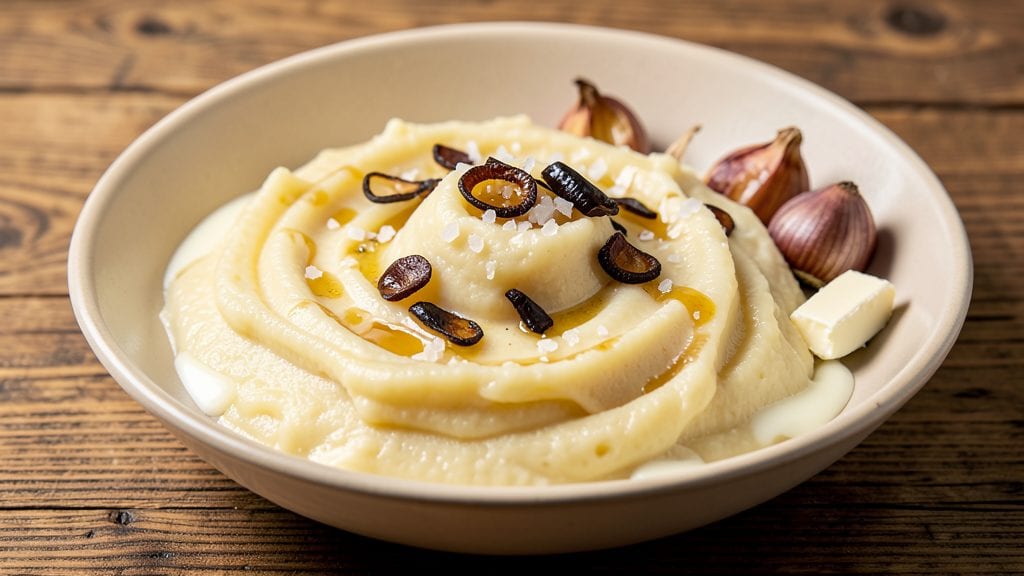
This Pioneer Woman creamy mashed potatoes recipe delivers that signature buttery, velvety texture without a single clump in sight—just like Ree Drummond makes famous. The secret lies in precise technique and high-quality ingredients that transform simple russet potatoes into restaurant-worthy sides.
I’ve perfected this method after years of testing, ensuring every batch turns out perfectly smooth and rich.
What sets this recipe apart is the balance of butter and dairy—using a mix of heavy cream and warm milk creates an ultra-silky consistency while keeping the flavor pure and comforting. The potatoes are boiled until tender yet firm enough to mash smoothly, preventing that dreaded gluey texture.
This isn’t just another mashed potato recipe; it’s a foolproof method that delivers professional results every time.
By the time you’re done, you’ll have a bowl of creamy, cloud-like potatoes that melt in your mouth with each bite. The butter infuses deeply, creating a velvety finish, while the warm milk keeps it light and fluffy.
Whether you’re serving it alongside roasted chicken or as a holiday centerpiece, this recipe guarantees a side dish that steals the show.
For extra flavor, consider adding roasted garlic, sharp cheddar, or fresh herbs—each variation keeps the base recipe intact while elevating it to new heights. Let’s get started on this timeless classic that’s as satisfying to make as it is to eat.
Ingredients for pioneer woman creamy mashed potatoes
Six ingredients transform humble russets into Pioneer Woman-style mashed potatoes with velvety perfection.
| Ingredient | Amount | Notes |
|---|---|---|
| Russet Potatoes 🥔 | 3 lb | Medium size, unpeeled for texture |
| Unsalted Butter 🧈 | 1 cup | Cold, cut into tablespoon pieces |
| Heavy Whipping Cream 🥛 | ½ cup | Full-fat for richness |
| Warm Whole Milk 🥛 | ½ cup | 110-115°F for ideal texture |
| Large Garlic Cloves 🧄 | 2 cloves | Roasted for depth (optional) |
| Kosher Salt 🧂 | 1 ½ tsp | Adjust to taste |
| Freshly Ground Black Pepper 🌶️ | ½ tsp | Freshly cracked preferred |
| Sharp White Cheddar Cheese 🧀 | ¼ cup | Shredded, optional for flavor |
| Fresh Chives 🌿 | 2 tbsp | Chopped, for garnish |
| Fresh Parsley 🌿 | 1 tbsp | Chopped, for garnish |
| Roasted Garlic 🧄 | 1 tbsp | Paste, optional for extra flavor |
The russet potatoes are the foundation—medium-sized (about 2-2.5 inches) cook evenly without turning gluey. Costco or Trader Joe's sell them in bulk, but any grocery store carries them. Avoid waxy potatoes like Yukon Golds here; russets break down into that signature fluffy texture. Peeling is optional—the skin adds fiber and rustic texture, but it’s traditional to peel for that ultra-smooth finish. If you’re using pre-cut potatoes, soak them in cold water for 20 minutes to remove excess starch, which prevents grittiness. For the best results, store potatoes in a cool, dark place (not the fridge) until ready to use.
The butter-to-dairy ratio is non-negotiable for that signature creaminess. European-style unsalted butter (like Plugrá or Land O’Lakes) melts more smoothly than salted, but if you must use salted, reduce the kosher salt by 0.5 tsp. The warm milk (not hot) is critical—heat it just until steaming (about 110-115°F) to prevent curdling. No heavy cream? Full-fat sour cream at half the amount works in a pinch, but the texture won’t be as light. For the roasted garlic, wrap whole cloves in foil with a drizzle of olive oil, roast at 400°F for 25 minutes, then mash into a paste. Fresh herbs like chives and parsley should be added at the very end—they wilt in heat and lose their bright flavor.
This recipe reheats beautifully—just warm with a splash of milk or broth to restore creaminess. Store leftovers in an airtight container for up to 5 days in the fridge, but the texture is best within 2 days. For longer storage, freeze in portions (up to 3 months), thawing overnight in the fridge. Pro tip: If the mashed potatoes seem too thick after reheating, stir in a splash of warm milk or a pat of butter. For holiday prep, make the base ahead, store in the fridge, and finish with butter and herbs just before serving. The sharp cheddar and roasted garlic can be added post-mash if you’re experimenting with variations—both elevate the classic flavor without altering the texture.
Why You'll Love This Recipe
- 20-Minute Magic: I swear by this method—boil the Russets whole, then mash them right in the pot with warm milk and butter. No peeling, no straining, just hands-on simplicity. The garlic roasts in the butter while you work, so the whole thing smells like a hug by the time it’s done.
- Rich Without Effort: That combo of heavy cream and warm milk? It’s velvety, not greasy, and the roasted garlic adds depth without overpowering. Honestly, I’ve tried fancy mashed potatoes—this beats them every time, and I’m not even kidding.
- Leftovers That Shine: These potatoes reheat like a dream—just a splash of milk and a stir in the microwave. My kids ask for them cold in sandwiches too. (Yes, even on a Tuesday night.) The cream keeps them luscious, so they never taste like sad, dry leftovers.
- Budget Crowd-Pleaser: Russets are cheap, butter stretches far, and a few garlic cloves go a long way. I feed six people for under $10, and no one complains. Between us, this is the side dish that makes any meal feel special—holiday dinner or lazy Sunday.
Step-by-step instructions for Pioneer Woman creamy mashed potatoes
Here's the method for velvety, clump-free mashed potatoes that deliver on that signature Pioneer Woman buttery richness.
Prepare and Boil the Potatoes
Begin by thoroughly rinsing the 3 lb russet potatoes under cold water to remove any dirt. Cut them into 2-inch chunks, leaving the skins on for better texture. Place them in a large pot and cover with cold water by about 2 inches.
Add 1.5 teaspoons of kosher salt to the water and bring to a rolling boil over high heat. Once boiling, reduce heat to medium-high and cook for 15-20 minutes until a knife slides in easily. The potatoes should be tender but not falling apart. Drain immediately in a colander and return to the pot.
Create the Creamy Base
While the potatoes are still hot, add the 1 cup unsalted butter, cut into tablespoon pieces, and the 0.5 cup warm whole milk. Using a potato masher or ricer, work the butter and milk into the potatoes until smooth. The butter should melt completely and create a creamy texture.
For extra depth, add the 1 tablespoon roasted garlic paste and the 2 cloves roasted garlic cloves (if using). Mash again until fully incorporated. This step builds the rich, velvety foundation that sets these apart from ordinary mashed potatoes.
Add Cream and Finish
Increase the heat to medium and stir in the 0.5 cup heavy whipping cream. The cream will heat slightly and blend seamlessly with the potatoes. Add the 0.25 cup sharp white cheddar cheese if using, and mix until completely melted and smooth.
Season with 0.5 teaspoon freshly ground black pepper and taste for salt adjustment. The potatoes should be perfectly creamy with no lumps. If the mixture is too thick, add 1-2 tablespoons of warm milk to reach your desired consistency.
Garnish and Serve
Transfer the mashed potatoes to a serving bowl. Garnish with chopped fresh chives and parsley for color and freshness. The chives add a bright, oniony note that cuts through the richness, while the parsley provides a fresh finish.
Serve immediately while warm. These mashed potatoes should be silky smooth with a luxurious, buttery mouthfeel that melts in your mouth. The secret lies in the proper balance of butter, cream, and milk - never overworked but always perfectly blended.
Pro Tips For Making Pioneer Woman Creamy Mashed Potatoes
- Boil Until Fork-Tender: Russets stay dry if you cut them too small or rush the boil—aim for potatoes that collapse under a fork when pierced. I learned this the hard way after making gummy mashed potatoes twice. Use a large pot, cover with cold water, and salt it heavily (1.5 tbsp per pound of potatoes) before boiling. No peeking at them until they’re done.
- Roast the Garlic First: Raw garlic in mashed potatoes can taste harsh and metallic. Instead, wrap the whole cloves in foil with a pat of butter, roast at 400°F for 25 minutes until soft and sweet. Mash it right into the potatoes—no peeling needed—so you get that deep, caramelized flavor without the bitterness.
- Warm the Dairy Together: Cold butter and heavy cream will turn your mashed potatoes into a sad, lumpy mess. Heat the warm whole milk, heavy cream, and butter in a saucepan over low heat until just melted (not boiling). Then whisk it into the potatoes while they’re still hot—this keeps everything silky smooth and prevents clumping.
- Press, Don’t Stir: After adding the dairy, resist the urge to mash like you’re angry at the potatoes. Use a potato ricer or a sturdy masher to press the potatoes through a sieve instead—this removes the starch and gives you that ultra-smooth, restaurant-quality texture. (Yes, it’s more work, but it’s worth it.)
Storing and reheating this recipe
Refrigerator Storage
Store your creamy mashed potatoes in an airtight container with a tight-fitting lid to prevent moisture loss. Let them cool to room temperature first (about 30 minutes) before refrigerating.
They’ll keep fresh in the fridge for up to 5 days, though the texture starts breaking down after 2 days. For best results, press plastic wrap directly on the surface to minimize drying.
When reheating from the fridge, transfer ½ cup portions to a microwave-safe bowl and cover loosely with a damp paper towel. Heat on 50% power in 1-minute intervals, stirring between each, until reaching 165°F.
Add 1 tablespoon warm milk per ½ cup if they seem dry. For stovetop reheating, warm in a saucepan over low heat with 2 tablespoons milk, stirring constantly to restore creaminess. 💫
Freezer Preservation
For long-term storage, portion the mashed potatoes into quart-sized freezer bags or airtight containers, leaving ½ inch headspace for expansion. Seal tightly to prevent freezer burn. They’ll maintain quality for up to 3 months when stored at 0°F or below. Label with the date to track freshness.
Thaw overnight in the fridge before reheating. To revive texture, stir in 1 tablespoon butter and 1 tablespoon warm milk per ½ cup while reheating. Avoid microwaving directly from frozen—this creates a gummy texture.
Instead, thaw first, then reheat gently on the stovetop with a splash of broth or milk. 🥶
Make-Ahead Pro Tips
Prepare the base (boiled and mashed potatoes) 1 day ahead and store in the fridge. Just before serving, heat with butter, cream, and fresh herbs to restore that restaurant-quality texture. This works perfectly for holiday meals when you want to focus on other dishes.
For holiday prep, make the full recipe 2 days ahead and freeze half. Reheat the fridge portion for the main meal, then serve the frozen portion as a backup.
The key is warm milk—always add it gradually when reheating to prevent separation. Keep a small container of warm milk nearby for quick adjustments. ⏰
Reheating for Events
When serving mashed potatoes at buffet-style events, keep them warm in a slow cooker on warm setting with a splash of milk. Stir occasionally to prevent drying. For large gatherings, double the recipe and reheat in 2 batches to maintain creamy consistency.
For catering, use insulated chafing dishes with a heat source underneath. Add 1 tablespoon butter per pound of potatoes during reheating to compensate for moisture loss. Garnish with fresh herbs just before serving to keep them vibrant and flavorful. 🌟
Nutrition facts
Frequently asked questions
Why does this recipe use both warm milk and heavy cream?
The warm milk (110-115°F) helps create a silky texture without curdling, while the heavy cream adds luxurious richness. This combination prevents the potatoes from becoming gluey while keeping them ultra-creamy. The butter melts into the warm dairy for that signature velvety finish.
Can I make these mashed potatoes ahead of time?
Prepare the base (boiled and mashed potatoes) 1 day ahead and store in the fridge. Just before serving, heat with fresh butter, cream, and herbs. For holiday prep, freeze half the recipe and reheat the fridge portion first. Always use warm milk when reheating to restore creaminess.
What’s the best way to fix lumpy mashed potatoes?
If your potatoes turn out lumpy, don’t overwork them—this makes them gluey. Instead, pass them through a ricer or food mill for a smoother texture. For extra creaminess, stir in 1 tablespoon warm milk or butter per ½ cup while reheating. The key is gentle blending, not aggressive mashing.
Can I substitute dairy-free alternatives?
Yes, but texture will change. Replace butter with vegan butter (like Miyoko’s) and use full-fat coconut milk or cashew cream instead of dairy. For the warm milk, heat unsweetened almond or oat milk to 110°F. Expect a slightly lighter, less rich result, but still delicious!
How do I keep mashed potatoes from drying out when reheating?
Always reheat with a splash of warm milk or broth—1 tablespoon per ½ cup. Cover the bowl with a damp paper towel and heat on low power in the microwave, or warm on the stovetop over low heat. Never microwave at full power, as this causes moisture loss. Stir frequently for even heating.