
Main Courses
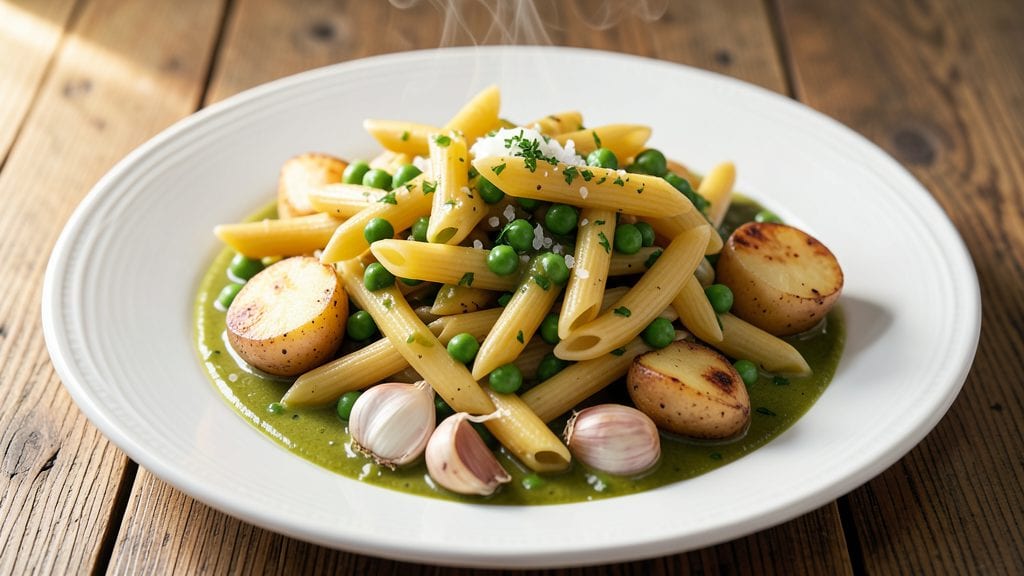
This one-pot pasta with peas and potatoes captures the essence of spring harvest in a single, comforting dish that’s as easy as it is satisfying. The secret lies in cooking everything together—pasta, potatoes, and peas—so the flavors meld perfectly while you handle just one pot.
I developed this recipe after realizing how often spring produce goes to waste when we don’t use it quickly enough, and it’s become a staple in my rotation for its simplicity and hearty appeal.
The beauty of this dish is in its balance: tender pasta, creamy potatoes, and sweet peas all come together in a light, herb-infused broth that’s rich without being heavy.
There’s no need for fancy techniques—just a few simple steps and a handful of ingredients that likely already live in your pantry. The result is a meal that’s ready in under 30 minutes, making it perfect for busy weeknights when you still want something that feels special.
What you’ll end up with is a one-pot wonder that’s creamy, flavorful, and packed with texture—each bite delivers a mix of al dente pasta, buttery potatoes, and bright peas, all tied together with a sauce that’s infused with garlic and herbs.
It’s the kind of dish that feels indulgent but is actually light enough for lunch or dinner, and it’s vegetarian-friendly without sacrificing depth of flavor.
Serve it as-is for a rustic meal, or add a sprinkle of grated Parmesan and fresh basil for extra elegance. The best part? Leftovers reheat beautifully, so you can make a big batch and enjoy it all week. Let’s get cooking!
Ingredients for pasta with peas and potatoes
Pantry staples meet spring harvest in one pot—peas, potatoes, and pasta that come together effortlessly.
| Ingredient | Amount | Notes |
|---|---|---|
| Penne Pasta 🍝 | 12 oz | Medium or short shape preferred |
| Baby Potatoes 🥔 | 1 ½ lb | Halved, unpeeled for texture |
| Fresh Peas 🌱 | 1 cup | Shelling optional, frozen works |
| Vegetable Broth 💧 | 4 cups | Low-sodium preferred, homemade ideal |
| Unsalted Butter 🧈 | 3 tbsp | Full-fat for richness |
| Garlic Cloves 🧄 | 3 cloves | Minced, fresh preferred |
| Fresh Thyme Leaves 🌿 | ½ tsp | Or 1/4 tsp dried thyme |
| Dried Oregano 🍃 | ¼ tsp | Italian or Mediterranean blend |
| Salt 🧂 | 1 tsp | Kosher or sea salt |
| Black Pepper 🌶️ | ½ tsp | Freshly ground preferred |
| Parmesan Cheese 🧀 | ½ cup | Freshly grated, reserved for serving |
| Fresh Basil Leaves 🌿 | ¼ cup | Chopped, for garnish |
| Lemon Juice 🍋 | 1 tbsp | Freshly squeezed, brightens flavors |
The potatoes are the backbone here, so small, waxy varieties like Yukon Gold or red potatoes hold up best—they won’t turn mushy. I grab mine from the produce section at Whole Foods when they’re in season, but any grocery store’s pre-washed baby potatoes work fine. Fresh peas? Trader Joe’s has them in season, but frozen peas are a great backup—just don’t thaw them first. The pasta? Penne is ideal for catching all the flavors, but any short tube shape will do. The key is using medium or short pasta so it cooks through while the potatoes get tender.
No fresh thyme? Dried works at one-third the amount, but the flavor won’t be as bright. Short on lemon juice? White wine vinegar works in a pinch, though it’s a bit sharper. The Parmesan is purely for serving—skip it if you’re avoiding dairy, but trust me, it’s worth the sprinkle. For the broth, homemade vegetable broth makes a world of difference, but even the good low-sodium store-bought stuff (like Pacific Foods) gets the job done. If you’re using frozen peas, add them last—they cook faster than the pasta and potatoes.
This reheats beautifully, honestly better the next day once everything melds. Store leftovers in an airtight container for 4-5 days in the fridge, or freeze for up to 3 months. I always double the recipe because it’s perfect for meal prep—portion it into containers with a little extra broth so it doesn’t dry out. The basil and Parmesan can be added fresh when serving, so they stay vibrant. If you’re prepping ahead, store the cheese and herbs separately until ready to eat.
Why You'll Love This Recipe
- One-Pan Magic: I swear by this for nights when I’d rather not wash a million dishes. Baby potatoes and peas roast alongside the penne in the same pot—just toss them all in with the broth, cover, and let the steam do the work. The butter melts into everything, so you’re left with a single pan that’s basically self-cleaning.
- Buttery Comfort: That first bite of creamy potatoes and tender peas in a rich, buttery broth? It’s the kind of dish that makes you slow down. The butter doesn’t just flavor—it makes the whole thing feel indulgent, even when it’s basically just veggies and pasta.
- Lunchbox Hero: Between us, this is my go-to for meal prep. The leftovers stay fresh for days, and the flavors only get better as the potatoes soften and soak up more of that buttery broth. Pack it cold or reheat it—either way, it’s a hit with kids (or adults who act like kids).
- Budget Flex: Fresh peas might seem fancy, but a single bag stretches across two meals here. Baby potatoes are cheaper than you’d think, and the broth stretches thin when you need it to. It’s the kind of dish that makes grocery day feel less stressful—no wasted ingredients, just pure, satisfying meals.
Step-by-Step instructions for pasta with peas and potatoes
This one-pot wonder brings spring flavors to your table with minimal cleanup and maximum satisfaction.
Parboil the Potatoes for Perfect Texture
Start by placing the 1.5 lb baby potatoes in a large pot and covering them with cold water. Bring to a boil over medium-high heat, then reduce to a gentle simmer for 8-10 minutes. You want the potatoes to soften slightly but still hold their shape—when you pierce one with a fork, it should offer slight resistance. Drain immediately and set aside.
This partial cooking prevents the potatoes from turning mushy later in the dish. I always parboil potatoes first—it's the secret to keeping them tender yet substantial in one-pot recipes. While they're cooking, take a moment to halve them if they're still whole, cutting each piece in half lengthwise. This ensures even cooking and a more uniform bite in your final dish.
Build the One-Pot Foundation
In the same pot you used for the potatoes, melt the 3 tbsp unsalted butter over medium heat. Add the 3 minced garlic cloves and cook for 30 seconds until fragrant—you should smell that fresh, sweet garlic aroma before it starts to color. Immediately add the 0.5 tsp fresh thyme leaves and 0.25 tsp dried oregano, stirring for 20 seconds to toast the spices gently.
Here's where the magic begins: add the halved potatoes back to the pot along with the 4 cups vegetable broth, 1 tsp salt, and 0.5 tsp black pepper. Bring to a boil, then reduce heat to medium-low and let it simmer uncovered for 10 minutes. This allows the potatoes to finish cooking while absorbing all those beautiful flavors from the butter, garlic, and herbs.
Add Pasta and Peas for the Perfect Al Dente Finish
While the potatoes are simmering, add the 12 oz penne pasta to the pot and stir gently to coat with the broth. The pasta will begin to absorb the liquid immediately—this is normal. After 2 minutes, add the 1 cup fresh peas (whether fresh or frozen, they'll work perfectly). Stir everything together and let it cook for another 8-10 minutes until the pasta is al dente.
You'll know it's ready when you can slide a fork through the pasta with just a little resistance. The peas should be tender but still hold their shape—no mushy peas here! If the mixture looks too thick and the pasta isn't cooking properly, add ½ cup hot water to loosen it up. This one-pot method works beautifully because the pasta and vegetables all cook together in the same flavorful broth.
Finish with Bright Flavors and Fresh Herbs
Once the pasta is perfectly cooked, remove the pot from heat and stir in the 1 tbsp lemon juice. This bright citrus note cuts through the richness of the butter and balances all the flavors. Give it a taste at this point—you might want to adjust the seasoning. If it needs more salt, add a pinch at a time until it's perfectly seasoned.
Let the pasta sit off the heat for 2 minutes to allow the flavors to meld together. Then, stir in the 0.25 cup chopped fresh basil leaves just before serving. The basil adds that fresh, garden-fresh quality that makes this dish feel like a spring celebration. The pasta should be coated in a light, flavorful sauce with tender potatoes and bright peas in every bite.
Serve with Fresh Parmesan and Enjoy Immediately
Transfer the pasta to serving bowls and top each portion with 0.5 cup freshly grated parmesan cheese. The cheese should be freshly grated—pre-shredded cheese won't melt as beautifully and often contains anti-caking agents that make it grainy. Serve immediately while the pasta is hot and the flavors are at their peak.
This dish comes together beautifully in one pot, making it perfect for busy weeknights or when you want to impress guests with minimal effort. The combination of creamy potatoes, al dente pasta, sweet peas, and bright lemon creates a harmonious balance of textures and flavors that everyone will love. Leftovers keep well in the refrigerator for 2-3 days, though I doubt you'll have any!
Pro Tips For Making Pasta With Peas And Potatoes
- PARBOIL POTATOES FIRST: I learned this the hard way—throwing raw baby potatoes into simmering broth means they’ll either turn to mush or stay rock-hard. Instead, blanch them in boiling salted water for 5 minutes first, then add them to the broth. This guarantees even cooking without gummy centers.
- DON’T OVERCOOK THE PEAS: Fresh peas lose their snap fast—after 2 minutes in boiling broth, they’re perfect. If you’re using frozen, add them last and pull them out as soon as they’re bright green. Overcooked peas taste like sad, mushy regret, and no one wants that.
- SAVOR THE PASTA WATER: When draining penne, reserve a cup of starchy pasta water. Tossing the finished dish with a splash (yes, even if it seems like overkill) binds everything together and makes the sauce cling. It’s the difference between a dry pile of noodles and a cohesive, saucy dish.
- USE HALF THE BUTTER: Unsalted butter is flavor neutral, but a full stick will make the dish greasy. Melt just 2 tablespoons in the broth at the end—enough to coat the potatoes and peas without turning the whole thing into a buttery mess. Trust me, your taste buds will notice.
Make-ahead tips for this recipe
Prep Ahead Like a Pro
Start by prepping all your ingredients the night before—halve the 1.5 lb baby potatoes and store them in an airtight container with a splash of water to prevent browning. Shell your 1 cup fresh peas (or thaw frozen peas) and keep them in a sealed bag.
Measure out your 12 oz penne pasta and store in a separate container. This way, you’ll only need to focus on cooking when you’re ready to make the dish. 🌟
One-Pot Meal Prep
For ultimate convenience, make the entire dish ahead of time and store it in a quart-sized glass container with a tight-sealing lid. After Step 4 in the instructions, let it cool completely before refrigerating.
The flavors actually deepen overnight, making it even more delicious the next day. Just reheat on the stovetop with ½ cup water or broth over medium-low heat for 5-7 minutes, stirring occasionally.
Freezer-Friendly Version
This recipe freezes beautifully for up to 3 months. After Step 4, let the pasta cool completely, then transfer it to a freezer-safe bag or container, leaving 1 inch of headspace for expansion.
When ready to eat, thaw overnight in the fridge, then reheat on the stovetop with a splash of water or broth. The texture holds up well, though the peas may soften slightly—just add a handful of fresh peas when reheating for extra brightness. ❄️
Portion Control Tips
Divide the cooked pasta into individual 16-ounce meal prep containers for easy grab-and-go lunches. Store the Parmesan cheese and fresh basil separately in small containers and add them fresh when reheating.
This keeps the dish vibrant and ensures the herbs stay flavorful. For extra convenience, pre-portion the lemon juice in a small squeeze bottle so you can add it right before eating.
Reheating for Best Results
If reheating from the fridge, use a heavy-bottomed saucepan and add ¼ cup water or broth to prevent sticking. Cover and heat over medium-low heat for 8-10 minutes, stirring occasionally.
For microwave reheating, transfer to a microwave-safe dish, cover loosely, and heat on 70% power for 2-3 minutes, stirring halfway through. The key is to keep the pasta from drying out—always add a splash of liquid when reheating. 🔥
Fresh Herbs Last
Never add fresh herbs like basil or thyme until you’re ready to serve. Their flavors and aromas are best when added fresh to hot or room-temperature dishes. If you’re prepping ahead, store the herbs separately in a sealed container with a paper towel to absorb moisture.
This keeps them fresh longer and ensures they retain their vibrant color and flavor when added at the end. 🌿
Nutrition facts
Frequently asked questions
Can I use frozen peas instead of fresh?
Frozen peas work perfectly in this recipe—just add them with the pasta in Step 3 and cook for the same 8-10 minutes. They’ll thaw quickly in the hot broth and maintain their texture. For extra brightness, stir in a handful of fresh peas at the end if you have them.
Why do you parboil the potatoes first?
Parboiling the potatoes prevents them from turning mushy when simmered later. The 8-10 minute pre-cook ensures they’re tender but still hold their shape, while the second simmer in the broth infuses them with flavor without overcooking. This two-step method is key for keeping the dish’s texture balanced.
What if my pasta gets too thick?
If the mixture looks too thick, simply add ½ cup hot water or broth and stir until the pasta is coated. The goal is a light, creamy sauce—not a gluey mess. Stirring occasionally while cooking helps prevent this, but don’t worry if it happens—just adjust with liquid.
Can I make this dish ahead for meal prep?
Yes! Store leftovers in an airtight container for 4-5 days or freeze for 3 months. Reheat on the stovetop with ½ cup water or broth over medium-low heat for 5-7 minutes. Add fresh basil and Parmesan just before serving to keep flavors vibrant.
What’s the best pasta shape for this recipe?
Penne is ideal because its ridges catch the sauce and peas, but any short tube shape (like fusilli or rotini) works. Avoid long pasta like spaghetti—it can get tangled in the potatoes. For extra fun, try farfalle or penne rigate for different textures.