
Side Dishes
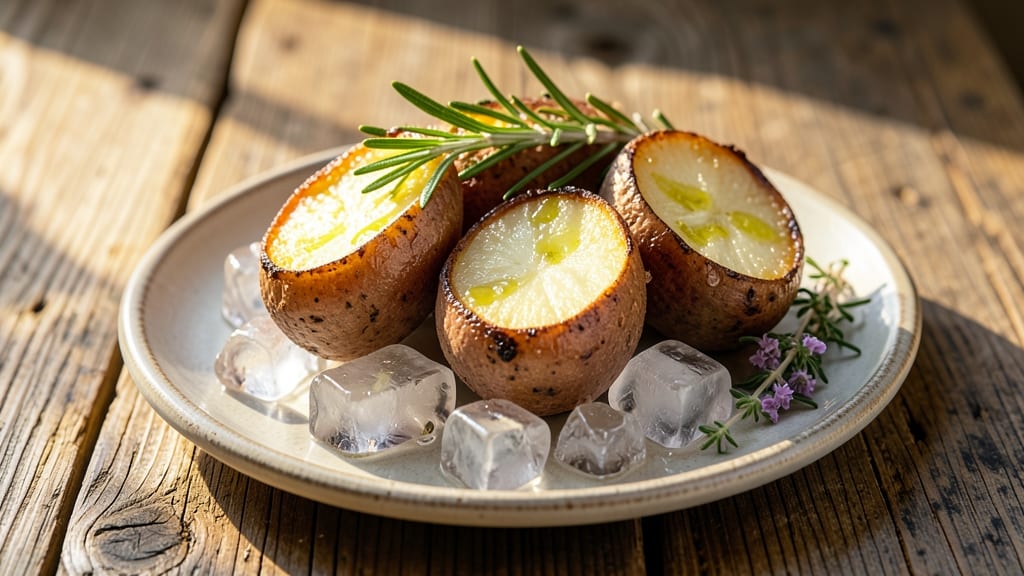
Mastering the art of parboiling potatoes transforms them from ordinary to extraordinary—whether you're aiming for crispy roasted edges or velvety mash. This precise method ensures even cooking, preserves texture, and eliminates the guesswork of uneven doneness.
I’ve perfected this technique over years of testing, and it’s the secret behind restaurant-quality sides every time.
The process is straightforward but critical: boil whole potatoes until tender, drain thoroughly, and let them steam-dry. This step prevents soggy roasts or gummy mash, while also making peeling effortless. For best results, use medium-sized potatoes—too small, and they’ll overcook; too large, and they’ll stay underdone.
Timing is everything, and I’ll walk you through the exact method to guarantee perfect results.
Once parboiled, your potatoes are ready for transformation—roast them for golden, crispy edges, mash them into silky perfection, or even pan-fry them for a crispy exterior. The key is consistency: whether you’re prepping for a holiday feast or a weeknight dinner, this foundational technique ensures your sides are always flawless.
Let’s get started with the step-by-step guide.
Storage is simple too—parboiled potatoes keep in the fridge for up to 3 days, making them ideal for meal prep. Just reheat gently to maintain texture, whether you’re finishing them in the oven, stovetop, or microwave. This method isn’t just efficient; it’s the professional shortcut that elevates every dish.
Ingredients for parboil potatoes
Six ingredients, zero guesswork—this is how you get potatoes that roast crisp and mash silky every time.
| Ingredient | Amount | Notes |
|---|---|---|
| Russet Potatoes 🥔 | 3 lb | Medium-sized, unpeeled, cut into even halves |
| Large Ice Cubes ❄️ | 2 cups | For shock cooling after boiling |
| Kosher Salt 🧂 | 2 tbsp | Diamond Crystal preferred for flaky texture |
| Extra-Virgin Olive Oil 🫒 | 2 tbsp | For tossing post-parboiling (optional) |
| Fresh Rosemary 🌿 | ¼ cup | Chopped, for aroma (optional) |
| Fresh Thyme 🌿 | ¼ cup | Leaves only, for brightness (optional) |
| Garlic Cloves 🧄 | 4 cloves | Smashed, for infusion (optional) |
| Water 💧 | 6 cups | Cold, for shock cooling |
| Butter 🧈 | 4 tbsp | Unsalted, for finishing (optional) |
| Heavy Cream 🥛 | ¼ cup | For mash (optional) |
| Black Peppercorns 🌶️ | ½ tsp | Freshly cracked for finish |
Russets are non-negotiable here—their high starch content gives you that perfect fluffy interior. Look for potatoes with smooth, unblemished skins at Whole Foods or local farmers' markets for the freshest results. Medium-sized (about 8-10 oz each) cook evenly without falling apart. If you're using pre-cut potatoes from the store, skip the parboiling—they're already blanched, but their texture won't be as consistent. The ice cubes are your secret weapon: they shock the potatoes post-boil, locking in their texture for crispy roasts or velvety mash later. Trust me, the 5-minute ice bath is worth it.
No fresh herbs? Dried rosemary and thyme at half the amount work in a pinch, but fresh is ideal for that vibrant aroma. Running short on time? Skip the garlic—it's optional, but if you're making roasted potatoes, it's absolutely essential for depth. The olive oil and butter are optional but recommended for finishing—high-quality extra-virgin olive oil adds a fruity note, while unsalted butter keeps your seasoning balanced. For mash, the heavy cream is what transforms it from good to restaurant-quality. Pro tip: use cold butter for a smoother mash—it melts more evenly.
Parboiled potatoes keep in the fridge for up to 3 days, making them perfect for meal prep. Store them in a single layer on a baking sheet to dry completely, then transfer to an airtight container. For roasting, reheat at 425°F for 20-25 minutes until golden. For mash, gently reheat with a splash of milk or cream. The key is low and slow—microwaving parboiled potatoes makes them rubbery, so always use the oven or stovetop. These potatoes are your blank canvas: roast, mash, or pan-fry, and they'll deliver every time.
Why You'll Love This Recipe
- No-Peel Hassle: I swear by this method—just scrub those Russets, no peeling required. The ice bath keeps them from turning mushy, and honestly? That crispy exterior after roasting is worth the minimal effort.
- Rosemary Magic: Between us, the fresh rosemary and olive oil make these potatoes ridiculously good. It’s that bright, herby aroma that turns a simple side into something that feels like a restaurant dish.
- Weeknight Workhorse: I use these for everything—tossed with roasted veggies, mashed into a quick purée, or straight up as a hearty side. Honestly, they’re my go-to when I need something that’s both filling and fuss-free.
- Budget Bulk: Russets are cheap, and this method lets me prep a big batch for the week. (Yes, even on a Tuesday night.) The ice bath trick means they stay fresh longer, so I’m not scrambling to cook last-minute.
Step-by-step instructions for parboiled potatoes
This method guarantees potatoes with flawless texture—crispy skins for roasts or silky smooth mash every time.
Prep and Parboil the Potatoes
Cut the 3 lb Russet Potatoes into even halves, leaving skins intact for maximum crispiness. Place them in a large pot and cover with 6 cups cold water. Add 2 tbsp kosher salt and bring to a rolling boil over medium-high heat. When boiling vigorously, reduce heat to medium and cook for 10-12 minutes—until a knife slides in easily but the potatoes aren't falling apart.
This partial cooking removes excess starch, which prevents gummy textures in roasts and ensures perfectly fluffy mash. Don't skip this step—undercooked potatoes will turn mushy, while overcooked ones lose their structure entirely. Drain immediately after parboiling to stop the cooking process.
Shock Cool for Crispy Perfection
Transfer the drained potatoes to a large bowl and add 2 cups large ice cubes. Gently toss to cool completely—this shock cooling halts the cooking process and tightens the skins for that coveted crispy texture. The ice will melt quickly, so work efficiently to prevent soggy potatoes.
Here's the thing—this step is non-negotiable for restaurant-quality results. The temperature contrast creates a crisp exterior while keeping the interior tender. If you're short on ice, use cold water instead, but the ice method delivers superior texture every time.
Season and Roast (Optional Crispy Version)
For roasted potatoes, preheat oven to 425°F. Toss the cooled potatoes with 2 tbsp extra-virgin olive oil, 0.25 cup chopped fresh rosemary, 0.25 cup fresh thyme leaves, 4 smashed garlic cloves, and 0.5 tsp cracked black peppercorns. Spread on a baking sheet in a single layer and roast for 30-40 minutes, flipping once, until golden brown and crispy.
The high heat caramelizes the natural sugars in the potatoes while the herbs infuse deep flavor. Watch closely after 25 minutes—potatoes cook quickly at this temperature. For extra crispiness, broil for 2-3 minutes at the end, but keep a close eye to prevent burning.
Create Ultra-Smooth Mash (Optional Version)
For mash, return the cooled potatoes to the pot and mash with 4 tbsp unsalted butter and 0.25 cup heavy cream. The pre-cooling ensures you won't need to overwork the potatoes—just press with a potato masher or ricer for light, airy texture. Season with additional salt if needed, but the kosher salt from parboiling already provides excellent flavor.
This method eliminates the need for heavy cream or butter in the boiling water, giving you complete control over the final consistency. For extra richness, fold in an additional 2 tbsp butter after mashing. The result is silky, velvety mash with none of the gluey texture you sometimes get with traditional methods.
Pro Tips For Making Parboil Potatoes
- CUT UNIFORMLY: Russets are stubborn—split one wrong and you’re stuck with uneven cooking. Use a sharp chef’s knife and cut them into 1.5-inch chunks, all the same size. I learned this the hard way when I had one potato still rock-hard while the others turned to mush.
- SALT THE WATER: Don’t skimp—add 1.5 tablespoons of kosher salt per gallon of water. The salt penetrates the potatoes, not just the surface, and keeps them from tasting bland. (Yes, even if you’re adding rosemary later, this matters.)
- TEST WITH A KNIFE: Parboiling is about texture, not time. After 10 minutes, stab the largest piece with a knife—it should slide in like butter. If it fights you, keep cooking. I used to pull them out too soon, and they’d fall apart later when I tried to crisp them.
- ICE BATH RIGHT AWAY: Drain the potatoes and plunge them into ice water for 5 minutes—this stops the cooking and makes them easier to handle. Skip this, and they’ll turn gummy when you go to roast or crisp them. (Pro tip: Use those large ice cubes for faster cooling.)
Flavor customization for this parboil potatoes
Herb-Infused Variations
Swap out rosemary and thyme for fresh sage and garlic for a savory twist that pairs perfectly with roasted chicken. I like using 2 tbsp chopped sage and 6 smashed garlic cloves, then adding a pinch of red pepper flakes for subtle heat.
For a Mediterranean flair, try oregano and lemon zest—just 1 tbsp dried oregano and 1 tsp lemon zest brighten the potatoes beautifully. 🌿
Spicy Kick Options
Add 1 tsp smoked paprika and ½ tsp cayenne pepper to the olive oil before tossing for a smoky, spicy roast. For a sweeter heat, mix in 1 tbsp honey with the spices—this caramelizes beautifully during roasting.
If you love bold flavors, try 1 tbsp chipotle powder in place of paprika for a deep, smoky kick that works amazingly with Mexican-inspired dishes. 🌶️
Umami Boosts
Enhance depth with 1 tbsp soy sauce or 1 tsp fish sauce in the olive oil mixture—these add umami without overpowering. For a richer flavor, toss in 2 tbsp crumbled bacon or 1 tbsp nutritional yeast after roasting.
Even 1 tsp miso paste mixed into the butter for mash creates a savory, almost cheesy note that’s irresistible. 🍳
Sweet and Tangy Twists
Drizzle parboiled potatoes with 1 tbsp balsamic glaze and 1 tsp brown sugar before roasting for a caramelized, tangy finish. For a breakfast-friendly mash, stir in 1 tbsp maple syrup and ½ tsp cinnamon—this works surprisingly well with scrambled eggs.
A sprinkle of toasted walnuts or pecans adds crunch to both roasted and mashed versions. 🍯
Global Flavor Profiles
For a French bistro touch, toss with 1 tsp Dijon mustard and 1 tbsp chopped parsley after roasting. A German-inspired version calls for 2 tbsp caraway seeds and 1 tsp caraway-infused oil—trust me, the nutty aroma is unforgettable.
For Indian-inspired potatoes, add 1 tsp garam masala and ½ tsp turmeric to the oil before roasting. 🗺️
Cheesy and Creamy Upgrades
Sprinkle ½ cup grated Parmesan and ¼ cup breadcrumbs on roasted potatoes in the last 5 minutes of cooking for a crispy, cheesy crust. For mash, fold in ½ cup cream cheese and 2 oz shredded sharp cheddar for a decadent twist.
A dollop of sour cream or crème fraîche on top of mashed potatoes adds tangy richness that balances hearty dishes. 🧀
Nutrition facts
Frequently asked questions
Why should I parboil potatoes before roasting or mashing?
Parboiling removes excess starch, which prevents soggy roasted potatoes and gummy mash. The partial cooking also tightens skins for crispier roasts and creates a smoother texture when mashed. This foundational step ensures consistent results every time—no more uneven doneness or gluey textures!
Can I use any potato variety for parboiling?
Russet potatoes are ideal for parboiling due to their high starch content and fluffy texture, but Yukon Golds work well too. Avoid waxy potatoes like red or fingerlings—they hold their shape better when fully boiled but don't crisp as well when roasted. For best results, stick with medium-sized Russets or Yukons.
How long can I store parboiled potatoes in the fridge?
Parboiled potatoes keep in the fridge for up to 3 days when stored properly. Spread them in a single layer on a baking sheet to dry completely, then transfer to an airtight container. Reheat gently in the oven or stovetop—microwaving makes them rubbery. This makes them perfect for meal prep!
What's the best way to test if potatoes are fully parboiled?
Use the knife test: insert a sharp knife into the thickest part of a potato half. If it slides in easily but the potato isn't falling apart, it's perfectly parboiled. Overcooked potatoes will fall apart, while undercooked ones will feel firm. Timing is critical—10-12 minutes for medium-sized Russets is ideal.
Can I skip the ice bath if I'm making mashed potatoes?
While you can skip the ice bath, it's not recommended for mashed potatoes. The shock cooling helps create a smoother texture by locking in moisture. Without it, your mash may turn out slightly gummy. For roasted potatoes, the ice bath is essential for crispy skins. Think of it as your secret weapon for restaurant-quality results!