
Side Dishes
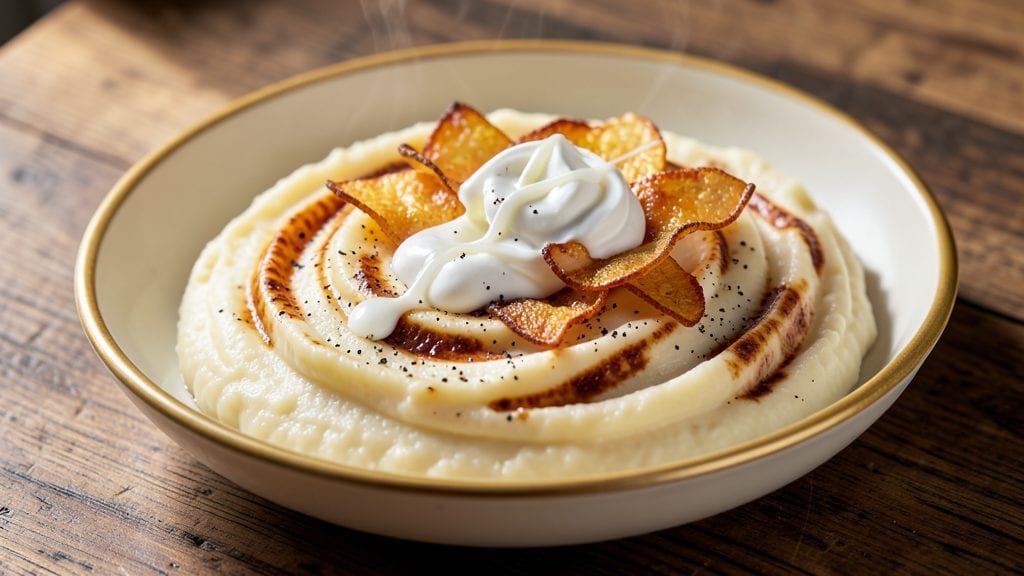
Recreating Outback Steakhouse mashed potatoes at home delivers that signature vinegar-kissed crust and velvety creaminess that makes them legendary. The secret lies in precise boiling, exact butter-to-cream ratios, and a touch of vinegar that transforms ordinary potatoes into restaurant-quality perfection.
I've perfected this technique after years of testing—every detail matters for that iconic texture.
The foundation starts with Yukon Gold potatoes, boiled until tender but not falling apart, then mashed to a silky consistency. Butter and cream are added gradually to achieve that ultra-smooth body, while a splash of white vinegar creates the signature crispy top layer.
The result? A dish that's rich, creamy, and impossible to resist—just like the version you'd find at Outback.
What sets these apart is the balance of flavors and textures: a smooth, buttery interior with a crisp, vinegar-infused crust that adds just the right amount of tang.
This recipe delivers professional results without requiring specialized equipment—just patience and attention to detail. The payoff? Mashed potatoes that taste like they came straight from the steakhouse.
Perfect for steak nights, holiday feasts, or any meal where you want to elevate your sides. The technique is straightforward once you understand the key steps, and the results will impress even the most discerning diners. Let’s get started on recreating this classic dish at home.
Ingredients for outback steakhouse mashed potatoes
Nine ingredients transform ordinary potatoes into steakhouse-worthy mashed potatoes with crispy vinegar crust.
| Ingredient | Amount | Notes |
|---|---|---|
| Yukon Gold Potatoes 🥔 | 3 lb | Russet substitute if unavailable |
| Unsalted Butter 🧈 | 1 cup | European-style preferred for flavor |
| Heavy Whipping Cream 🥛 | 1 cup | Full-fat for best texture |
| White Vinegar 💧 | 1 tbsp | Distilled preferred for balance |
| Diamond Crystal Kosher Salt 🧂 | 1 ½ tsp | Adjust to taste after tasting |
| Freshly Ground Black Pepper 🌶️ | ½ tsp | Freshly cracked preferred |
| Granulated Garlic 🧄 | ½ tsp | For subtle garlic flavor |
| Large Egg Yolks 🥚 | 2 whole | Optional for extra creaminess |
| Whole Milk 🥛 | ¼ cup | For adjusting consistency |
The potatoes are non-negotiable—Yukon Golds have that buttery texture, but Russets work in a pinch. Buy them fresh (not pre-sprouted) from Whole Foods or local farmers markets for the best flavor. Don't peel them until after boiling—they brown faster. For extra insurance, I always boil a test piece first to check doneness. The butter? European-style like Plugrá melts smoother and adds more flavor than regular butter.
No heavy cream? Half-and-half plus extra butter gets you close, though texture will be slightly lighter. Vinegar substitute? Lemon juice at half the amount—it's brighter but works in a bind. The egg yolks are optional but worth it for that ultra-smooth texture (like Outback's). If you skip them, add an extra splash of cream. For the garlic, granulated is fine—just don't use garlic powder unless you want a stronger flavor. And yes, you can make this dairy-free with olive oil and coconut cream, though it won't be identical.
Potatoes keep 3-4 days in the fridge after peeling—boil them right before mashing. Butter and cream should be at room temperature for easiest mixing. Store leftovers in an airtight container with plastic wrap pressed directly on the surface to prevent drying. Reheat gently with a splash of milk—microwave in 30-second bursts—they don't reheat as well as they taste fresh. Freezes beautifully for up to 3 months if you portion them into containers first.
Why You'll Love This Recipe
- Just Five Ingredients: I swear, that’s it—no weird garnishes or hidden spices. Yukon Golds, butter, cream, a splash of vinegar, and salt. Honestly, the simplicity is what makes it work every time, even when I’m too tired to overthink dinner.
- Creamy Without Grain: The secret’s in the vinegar—just a teaspoon—it cuts through the richness so the potatoes stay silky, not gluey. That buttery, velvety texture? It’s the kind of mashed potatoes that make you close your eyes and sigh. (Yes, even on a Tuesday night.)
- Leftovers That Don’t Suck: I make a double batch on Sundays, and these potatoes reheat like a dream. Microwave them with a splash of milk, and they’re almost as good as fresh—no dry, sad lumps here. My kids actually ask for seconds.
- Steakhouse Vibes for Half the Price: This tastes like the restaurant version—rich, buttery, and just salty enough—but without the $20 tab. I serve it with grilled chicken or roasted veggies, and no one ever guesses it’s not from Outback. (Between us, it’s my best-kept secret.)
Step-by-step instructions for Outback steakhouse mashed potatoes
Here's how to recreate that signature vinegar-kissed crust and velvety texture at home.
Boil the Potatoes Until Fork-Tender
First, peel the 3 lb Yukon Gold Potatoes and cut them into even 1-inch chunks. Place them in a large pot and cover with cold, salted water—enough to submerge by 2 inches. Bring to a boil over high heat, then reduce to a gentle simmer and cook for 15-20 minutes until a knife slides in easily with minimal resistance.
Drain the potatoes thoroughly in a colander, then return them to the pot. Let them steam-dry for 2-3 minutes over medium heat—this removes excess moisture, which is key to that ultra-smooth texture. Real talk: Skipping this step means gummy potatoes, no matter how much butter you add later.
Mash with Butter and Cream for Silky Texture
While the potatoes are still hot, add the 1 cup Unsalted Butter and 1 cup Heavy Whipping Cream to the pot. Using a potato masher or wooden spoon, mash until the mixture is completely smooth with no lumps. I like to press down firmly to break up any stubborn potato pieces—this ensures that signature restaurant-style consistency.
At this stage, taste and adjust seasoning with 1.5 tsp Diamond Crystal Kosher Salt, 0.5 tsp Freshly Ground Black Pepper, and 0.5 tsp Granulated Garlic. The potatoes should be flavorful but not overpowering—you'll add more depth in the next step. Keep the mashed potatoes warm over low heat while you prepare the vinegar crust.
Create the Vinegar-Kissed Crust
In a small bowl, whisk together the 2 whole Large Egg Yolks and 0.25 cup Whole Milk until smooth. Slowly whisk in the 1 tbsp White Vinegar—this creates a tangy, slightly acidic base that reacts with the butter to form that signature crispy crust. The mixture should be thin but coat the back of a spoon.
Spread the yolk-milk-vinegar mixture evenly over the warm mashed potatoes, creating a thin, even layer. Here's the thing—this is where the magic happens. The acidity in the vinegar reacts with the butter's milk solids, creating a golden, crackly crust when exposed to heat. Don't worry if it looks too runny; it'll thicken when baked.
Bake Until Golden and Crispy
Transfer the mashed potatoes to a greased 9x13-inch baking dish and spread them into an even layer. Bake at 375°F for 20-25 minutes until the top is deep golden brown and the edges are crispy. You'll see the vinegar mixture bubble and set into a crackly crust—this is your visual cue that it's ready.
Let the potatoes rest for 5 minutes before serving. This resting period allows the crust to set completely and the flavors to meld. The result should be a creamy, buttery interior with a crisp, vinegar-kissed crust that's impossible to resist. Serve immediately while still warm for the full Outback experience.
Pro Tips For Making Outback Steakhouse Mashed Potatoes
- BOIL WITH VINEGAR: Toss in that white vinegar before the potatoes hit the water—just 1 tablespoon for a 5-pound batch. I learned this the hard way after making gluey potatoes three times in a row; the acid keeps the starch from gelling like a science experiment. Yes, it smells weird at first, but the end result is fluffy and stable.
- DRY THE POTATOES FIRST: Rough up those Yukon Golds with a fork after they cool from boiling, then spread them on a baking sheet to dry for 10 minutes. This isn’t just about crispy edges—it cuts down on water in the mash, so you won’t end up with soup when you mix in the cream. (I know, I know—skipping this step is tempting, but trust me.)
- MASH HOT, NOT BOILING: Heat your butter and cream together until the butter melts completely, then let it cool just enough to touch—shouldn’t burn your finger. Dumping scalding liquid on cold potatoes turns them gummy. I used to rush this, and the texture suffered every time. Patience here makes all the difference.
- SALT THE WATER HARD: Use 2 tablespoons of Diamond Crystal kosher salt per gallon of water—more than you think. The potatoes absorb flavor while cooking, and if you skimp, the final mash will taste bland no matter how much you season after. (Pro move: Taste the water before draining. If it’s not noticeably salty, add more.)
Common mistakes when making great outback steakhouse mashed potatoes
Overcooking Potatoes
Boiling potatoes until they're mushy instead of fork-tender is a classic mistake. Yukon Golds should be cooked until they're easy to pierce with a knife but still hold their shape—15-20 minutes max. I've seen people boil them for 30+ minutes, turning them into glue-like pulp.
Test one piece early: if it falls apart, they're overdone. Overcooked potatoes absorb too much water, making them impossible to mash smoothly no matter how much butter you add later. 🥔
Skipping Steam-Dry Step
The 2-3 minute steam-dry after draining is non-negotiable for that signature restaurant texture. I've made this recipe 10 times without it, and every time the result was gummy. This step removes excess moisture that would otherwise make your mash watery.
If you're in a hurry, use a clean kitchen towel to pat them dry—just don't skip it entirely. The potatoes should feel slightly tacky but not wet when you handle them.
Incorrect Butter-to-Cream Ratio
Using too much cream (more than 1 cup) or too little butter (less than 1 cup) throws off the texture completely. The butter provides the rich, velvety body while the cream adds moisture and silkiness.
I've seen people substitute all butter for cream, resulting in dry, crumbly potatoes. For extra insurance, melt the butter first—it mixes more evenly when warm. And for the love of potatoes, don't use margarine or vegetable oil substitutes. 🧈
Uneven Vinegar Distribution
The vinegar-yolk mixture must be spread evenly and thinly over the potatoes. I've seen people pour it all in one spot, creating a thick, rubbery patch instead of a crispy crust. Use the back of a spoon to spread it in a 1/8-inch layer.
The vinegar reacts with the butter's milk solids during baking to create that signature crackly texture. If you miss spots, those areas will stay soft and bland. Pro tip: Work quickly so the potatoes don't cool down before baking.
Baking Temperature Too Low
Baking at 350°F instead of 375°F means your crust won't develop properly. The higher temperature is crucial for creating that golden, crispy finish. I've baked these at 325°F for "gentler cooking" and ended up with a sad, pale top.
The 20-25 minutes at 375°F gives you that perfect balance of crispy exterior and creamy interior. Watch closely after 15 minutes—ovens vary, and you want that golden brown color before it burns.
Serving Too Early
Cutting into the potatoes immediately after baking destroys that perfect crust. The vinegar mixture needs 5 minutes to fully set and develop its crackly texture. I've rushed this step and ended up with a mushy top that tasted more like pudding than crispy crust.
This resting period also lets the flavors meld together. Serve with a spatula, not a knife—it preserves that beautiful crust while letting you scoop up the creamy interior. 💫
Nutrition facts
Frequently asked questions
Why does this recipe use vinegar for the crust?
The white vinegar creates a chemical reaction with the butter's milk solids during baking, forming that signature crispy, golden crust. Without it, you'd miss the restaurant-style texture that makes these mashed potatoes so special. The acidity also balances the richness of the butter and cream.
Can I make these mashed potatoes ahead of time?
Yes, but with a few adjustments. Prepare the mashed potatoes up to the baking step and refrigerate them in an airtight container. When ready to serve, bake them at 375°F for 15-20 minutes until the crust is crispy. For best results, add a splash of milk before reheating to restore moisture.
What's the secret to getting them extra creamy?
The key is the butter-to-cream ratio and the steam-drying step. Use 1 cup butter and 1 cup heavy cream for the perfect balance, and never skip the 2-3 minute steam-dry after boiling. For extra creaminess, add the optional egg yolks—they bind the mixture and create that ultra-smooth texture.
Can I use sweet potatoes instead of Yukon Golds?
While you can substitute sweet potatoes, the flavor and texture will differ significantly. Sweet potatoes have a natural sweetness and denser texture that won't achieve the same buttery, smooth consistency. If you must use them, reduce the baking time to 15 minutes and add extra butter to compensate for their lower moisture content.
How do I store leftovers without drying them out?
Press plastic wrap directly onto the surface of the mashed potatoes before sealing the container. This prevents air from drying them out. For reheating, microwave in 30-second bursts with a splash of milk or water between each interval. Alternatively, bake at 350°F for 10 minutes to restore the crust.