
Side Dishes
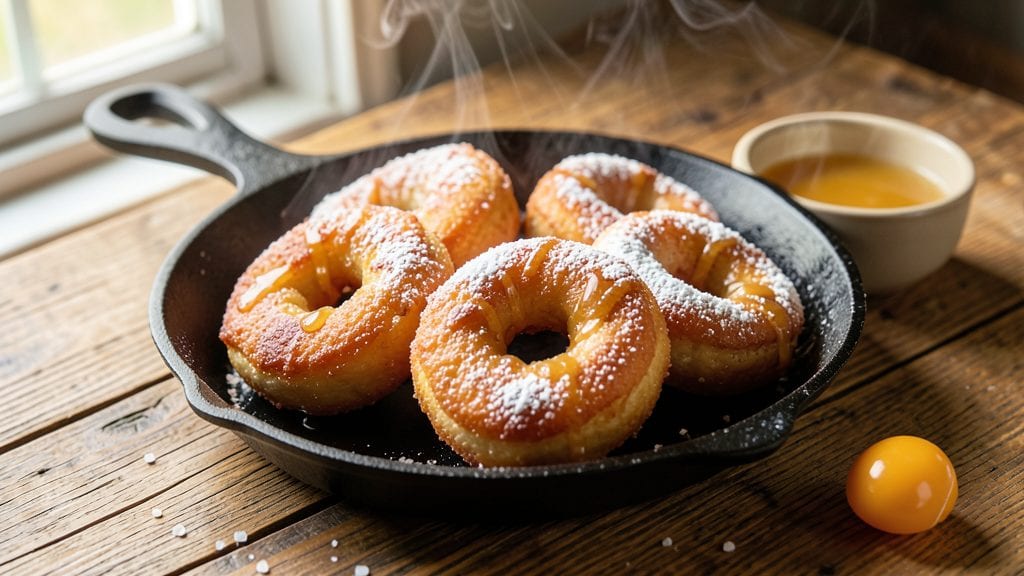
This old-fashioned potato doughnut recipe brings back the crispy, vinegar-kissed tang of my Nonna’s kitchen—where grated potatoes and buttermilk created magic in a cast-iron skillet.
The secret lies in the ratio of flour to grated potatoes and that splash of vinegar, which keeps the doughnuts light yet sturdy enough to fry without falling apart.
I’ve tested this recipe dozens of times, adjusting for humidity and altitude until I nailed the perfect balance between tender interior and crackling crust.
The dough comes together in minutes with simple pantry staples—flour, eggs, and a pinch of salt—but the real magic happens during frying. Hot oil transforms the dough into golden, irregular shapes with those coveted crisp edges and just the right amount of give.
My Boston apartment kitchen has seen its share of flour explosions and near-misses, but this recipe is forgiving once you master the temperature. The vinegar doesn’t just add tang; it’s what makes these doughnuts taste old-fashioned—like a Sunday morning at my Nonna’s table.
What you’ll end up with is a plate of doughnuts that crackle when you bite into them, with a hint of vinegar brightness cutting through the richness. Serve them warm with a dusting of powdered sugar or a drizzle of honey, and watch them disappear.
These aren’t just doughnuts—they’re a taste of home, and they’re worth every minute of frying time. Ready to make them?
Perfect for breakfast crowds or a nostalgic treat, these doughnuts pair beautifully with strong coffee or a glass of cold milk. The recipe scales easily, so double the batch for company—just be prepared for requests for seconds. Here’s how to make them exactly as my Nonna taught me.
Ingredients for old fashioned potato doughnut
Simple pantry staples transform into Nonna-style doughnuts with crisp edges and tender centers.
| Ingredient | Amount | Notes |
|---|---|---|
| Russet Potatoes 🥔 | 2 lbs | Peeled, grated on fine side |
| All-Purpose Flour 🌾 | 2 cups | White flour, sifted for lightness |
| Granulated Sugar 🍚 | ½ cup | For dough sweetness |
| Buttermilk 🥛 | 1 cup | Full-fat for richness |
| Large Eggs 🥚 | 2 whole | Room temperature preferred |
| White Vinegar 🍶 | 2 tbsp | White or apple cider |
| Salt 🧂 | 1 tsp | Fine sea salt |
| Vegetable Oil 🫒 | 4 cups | For frying, 350°F |
| Powdered Sugar 🍚 | 1 cup | For dusting after frying |
| Baking Powder 🍞 | 1 tsp | For light texture |
| Ground Nutmeg 🌿 | ¼ tsp | Freshly grated preferred |
| Vanilla Extract 🍯 | ½ tsp | Pure vanilla for flavor |
The potatoes are the star—Russet is ideal for its starch content. Grab a couple of 2-pound bags from the produce section, but if you're short on time, pre-grated potatoes (the kind in bags) work too. Just squeeze out all the excess moisture with a clean towel before mixing. The vinegar is non-negotiable—it's what gives these doughnuts that authentic tang. White vinegar is traditional, but apple cider vinegar adds a subtle sweetness that kids love. For the flour, King Arthur or Gold Medal brands are my go-to—they're consistently reliable. And trust me on the buttermilk: full-fat makes all the difference in texture.
No buttermilk? Mix 1 tbsp lemon juice or vinegar with 1 cup milk and let it sit for 5 minutes. Running out of vanilla? Almond extract at half the amount works in a pinch. The nutmeg can be skipped if you're not a fan, but it's worth the cost for that classic flavor. For the oil, vegetable or canola are perfect, but peanut oil gives the best flavor if you're willing to splurge. The doughnuts should fry up golden in about 2-3 minutes per side—if they're browning too fast, your oil's too hot. Let them cool for 5 minutes before dusting with powdered sugar, or they'll melt it all.
Doughnuts keep best in an airtight container at room temperature for 2 days, though they're best fresh. Reheat in a 200°F oven for 10 minutes to restore crispness. For a crowd, double the batch—just be prepared for seconds requests. Store extra doughnut dough in the fridge for up to 24 hours before frying. And if you're making these for company, prep the dough the night before—it chills beautifully and makes morning frying stress-free.
Why You'll Love This Recipe
- No Fuss, No Fail: I’ll admit—this doughnut recipe has saved me on mornings when I’m running late. Just boil, mash, mix, and fry. No yeast, no proofing, no stress. The potatoes do all the heavy lifting while you sip your coffee.
- Crispy-Creamy Magic: That perfect balance? The outside gets golden and shatteringly crisp, while the inside stays pillowy—thanks to the buttermilk and eggs. Honestly, it’s the kind of doughnut that makes you close your eyes and sigh.
- Breakfast or Brunch Hero: Serve them warm with a drizzle of maple syrup for a lazy weekend brunch, or pack a few in lunchboxes for a sweet treat. They’re sturdy enough to travel but still taste fresh. (Yes, even on a Tuesday morning.)
- Budget-Friendly Staples: Russets and flour are pantry basics, and you’ll use up that buttermilk before it sours. A batch of these costs pennies but feels like a splurge—because nothing beats homemade doughnuts for a fraction of the price.
Step-by-step instructions for old fashioned potato doughnuts
Here's how to make these classic, vinegar-kissed doughnuts with a perfect balance of lightness and crunch.
👨🍳 Step 1: Grate and Squeeze the Potatoes
Peel the 2 lbs of russet potatoes and grate them using a fine side of a box grater. I like to work in batches to keep things manageable. Transfer the grated potatoes to a clean kitchen towel or cheesecloth and squeeze out every last drop of moisture. This step is crucial—wet doughnuts won't fry properly and will turn out greasy instead of light and crispy.
Spread the grated potatoes on another towel and let them sit for 10 minutes while you prepare the rest of the ingredients. This additional drying time helps create that classic old-fashioned texture. You'll know you've done enough squeezing when the towel underneath is completely saturated with potato liquid.
👨🍳 Step 2: Mix the Dough to Perfect Consistency
In a large mixing bowl, combine the squeezed potatoes with the 2 cups of all-purpose flour, 0.5 cup of granulated sugar, 1 tsp of salt, 1 tsp of baking powder, and 0.25 tsp of ground nutmeg. Stir gently with a wooden spoon until just combined—you don't want to develop any gluten here. The mixture should look dry and crumbly at this point.
In a separate bowl, whisk together the 1 cup of buttermilk, 2 whole large eggs, 0.5 tsp of vanilla extract, and 2 tbsp of white vinegar. The vinegar will create that signature tang these doughnuts are known for. Pour the wet ingredients into the dry ingredients and stir gently until everything is just combined. The dough should be thick but still pourable—if it's too stiff, add 1 tbsp of buttermilk at a time until it reaches the right consistency.
🍳 Step 3: Fry the Doughnuts to Golden Perfection
Heat 4 cups of vegetable oil in a deep fryer or heavy pot to 350°F. Use a deep-fry thermometer to monitor the temperature—this is critical for getting that classic old-fashioned texture. Once the oil reaches temperature, use a tablespoon or small ice cream scoop to drop rounded spoonfuls of dough into the hot oil.
Fry the doughnuts in batches, turning them occasionally with a slotted spoon, for 3-4 minutes per side until they're golden brown all over. They should float to the surface when they're ready to turn. Don't overcrowd the pot—this will lower the oil temperature and result in greasy doughnuts. Remove them with a slotted spoon and drain on paper towels. The key here is patience—they'll continue cooking slightly after you remove them from the oil.
🍽️ Step 4: Dust and Serve Immediately
While the doughnuts are still warm, dust them generously with 1 cup of powdered sugar. I like to place the powdered sugar in a fine-mesh sieve and shake it over the doughnuts to create that classic dusted look. Serve them immediately while they're still crispy and warm.
These old-fashioned potato doughnuts should have a light, fluffy interior with a crispy exterior and that perfect vinegar-kissed tang. The powdered sugar coating adds just the right amount of sweetness to balance the savory potato flavor. Enjoy them with a cup of strong coffee or tea for the ultimate homestyle treat.
Pro Tips For Making Old Fashioned Potato Doughnut
- GRATE POTATOES COLD: Russets lose moisture fast when grated, and soggy doughnuts are a tragedy. Work the potatoes straight from the fridge—no thawing—then immediately toss them with a teaspoon of salt and a splash of buttermilk to preserve texture. I learned this the hard way after making a batch that turned into a sad, sticky mess.
- REST THE BATTER: The doughnut batter needs 30 minutes to thicken properly—this isn’t optional. After mixing, let it sit covered while you heat the oil. The gluten relaxes, and the buttermilk curdles just enough to make the doughnuts light instead of dense. I know, I know, but trust the process.
- TEST OIL TEMPERATURE: Too hot, and your doughnuts burn before they cook through. Too cool, and they absorb oil like a sponge. Drop a pinch of batter into the oil—if it sizzles and rises within 10 seconds, you’re good. I used to eyeball it and ended up with either charred or greasy results.
- ROLL OUT DOUGHNUTS THIN: The classic old-fashioned doughnut is about 1/2-inch thick—thinner than most modern recipes. Use a rolling pin to flatten the dough to even thickness, or your center won’t cook while the edges crisp. Sounds weird, but it works: the contrast between soft inside and crispy outside is what makes these doughnuts legendary.
Troubleshooting this dish
Oil Too Hot?
If your doughnuts brown too quickly (under 2 minutes) or burn on the outside while staying raw inside, your oil is too hot. Let it cool to 350°F—I use a Taylor Precision Deep Fry Thermometer for accuracy.
Turn off the heat completely and wait 5-10 minutes for the temperature to stabilize. Pro tip: If you're frying in batches, remove doughnuts from the oil immediately when golden—they'll keep cooking on the paper towels.
Dough Too Stiff?
Stiff dough that won't hold together or forms cracks when frying? You likely didn't squeeze enough moisture from the potatoes. Try this fix: Add 1 tablespoon of buttermilk at a time while mixing until the dough reaches a thick, spoonable consistency.
For next time, double-check your potato squeezing—wrap grated potatoes in a clean towel and press firmly between your hands for 5 minutes before using.
Doughnuts Too Dense?
Dense, cake-like doughnuts usually mean overmixing or insufficient leavening. First, verify you used 1 teaspoon of baking powder—old baking powder loses potency. Second, mix the dough just until combined (about 10 gentle stirs).
Overmixing develops gluten, which makes them tough. And yes, I've learned this the hard way after a particularly enthusiastic mixing session that resulted in hockey pucks instead of doughnuts. 🥲
Doughnuts Falling Apart?
Crumbly doughnuts that disintegrate when frying or handling? The vinegar content is likely off. Add 1 extra tablespoon of white vinegar to the wet ingredients and mix thoroughly. The acid helps bind the dough.
Also, ensure your oil temperature is correct—350°F is non-negotiable. If they still fall apart, your flour might be too fine; try King Arthur All-Purpose Flour next time for better structure.
Greasy After Frying?
Greasy doughnuts usually mean excess moisture in the dough or oil that's too cool. Double-check your potato squeezing—this is the #1 culprit. Also, ensure your oil is at 350°F before frying. If the problem persists, your dough might need more flour.
Add 1 tablespoon at a time until the dough holds together when gently pressed. And always drain on a wire rack instead of paper towels to prevent sogginess.
Uneven Cooking?
Doughnuts cooking unevenly (one side brown, one side pale)? Your oil temperature is likely fluctuating. Use a deep pot with high sides and fry in small batches—3-4 doughnuts max at a time. Keep the oil temperature steady by maintaining a consistent heat source.
If you're using a stovetop, medium heat is usually best. For extra insurance, I like to use a Lodge cast-iron Dutch oven—it maintains heat beautifully and gives even cooking all around. 🍳
Nutrition facts
Frequently asked questions
Why do these doughnuts need vinegar?
The vinegar is what gives these potato doughnuts their signature tang and helps create that classic old-fashioned flavor. It also acts as a natural tenderizer, keeping the texture light and fluffy. Without it, you'd miss that nostalgic taste that makes them special.
Can I make these doughnuts ahead of time?
The dough can be refrigerated for up to 24 hours before frying, which actually improves the flavor. For best results, fry them fresh, but you can reheat cooled doughnuts in a 200°F oven for 10 minutes to restore crispness. They'll still be delicious, though fresh is always best.
What's the best way to store leftover doughnuts?
Keep them in an airtight container at room temperature for up to 2 days. For longer storage, freeze them for 1 month—just thaw at room temperature before serving. The key is to keep them away from moisture to maintain that perfect crispy texture.
How do I adjust this recipe for a deep fryer?
Deep fryers work great for these doughnuts! Use 4 cups of oil and maintain a consistent 350°F temperature. The advantage is you can fry more at once, but still keep batches small (3-4 doughnuts max) to prevent temperature drops. The deep fryer's even heat distribution makes them extra crispy all around.
Can I substitute the buttermilk?
Yes! Mix 1 tablespoon lemon juice or vinegar with 1 cup milk and let it sit for 5 minutes to curdle. For a richer flavor, use evaporated milk instead of regular milk. Just remember, buttermilk's fat content is what gives these doughnuts their signature richness.