
Side Dishes
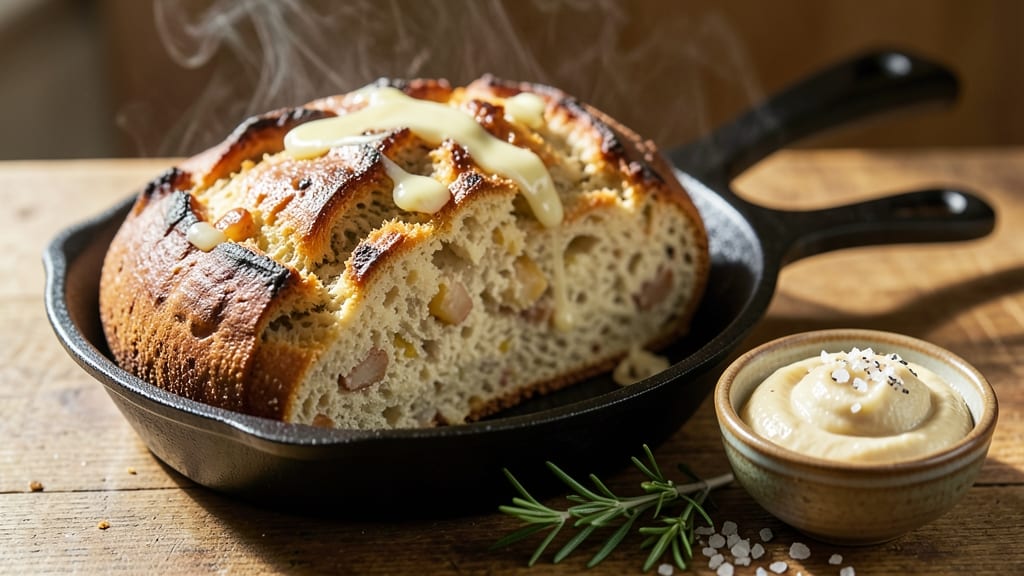
This old-fashioned potato bread recipe delivers the nostalgic comfort of tender, pink-hued loaves with a vinegar-kissed crust that crackles with every bite. The secret lies in perfectly cooked potatoes that infuse the dough with natural sweetness while keeping the texture impossibly light—no dense, heavy bread here.
I first discovered this recipe while researching classic Southern baking techniques, and it’s since become a staple in my kitchen for its ability to transform simple ingredients into something extraordinary.
The dough combines mashed potatoes with warm milk and butter, creating a rich base that develops into fluffy layers when properly proofed.
Unlike many bread recipes, this one relies on a precise balance of yeast activation and gentle kneading to avoid developing gluten, which keeps the crumb tender and the flavor focused on the potatoes.
With just 15 minutes of active prep time and a 1-hour rise, it’s a foolproof method that delivers restaurant-quality results without the fuss.
By the time it emerges from the oven, you’ll have golden-brown loaves with a crisp, vinegar-enhanced crust and a soft, slightly sweet interior that melts in your mouth. The aroma alone—warm, buttery, with a hint of caramelized potato—will have everyone gathering around the table.
This bread pairs beautifully with soups, stews, or even as a side to roasted meats, but it’s so good you might find yourself eating it straight from the pan.
For best results, score the crust before baking to ensure even expansion, and brush the tops with melted butter while still warm for that signature crackly texture. Leftovers keep well for 3 days at room temperature, making this the perfect make-ahead bread for busy weeks.
Let’s get started on creating your own batch of these timeless loaves.
Ingredients for old fashioned potato bread
Classic Southern baking meets simple pantry staples for this fluffy, vinegar-kissed potato bread.
| Ingredient | Amount | Notes |
|---|---|---|
| Russet Potatoes 🥔 | 2 lb | Peeled and boiled until fork-tender |
| All-Purpose Flour 🌾 | 3 cups | Plus 1 tbsp for dusting |
| Active Dry Yeast 🍞 | ¼ tsp | Or 1 packet instant yeast |
| Granulated Sugar 🍚 | 1 tbsp | For yeast activation |
| Unsalted Butter 🧈 | ½ cup | Cold, cubed for dough |
| Warm Whole Milk 🥛 | 1 cup | 110°F for yeast activation |
| Large Egg 🥚 | 1 whole | Room temperature |
| White Vinegar 🍶 | 1 tbsp | For tangy crust |
| Diamond Crystal Salt 🧂 | 1 tsp | Fine grain preferred |
| Vegetable Oil 🫒 | 2 tbsp | For greasing loaf pans |
| Coarse Sugar 🍚 | 1 tbsp | For sprinkling tops |
| Melted Butter 🧈 | 2 tbsp | For brushing crust |
The potatoes are the heart of this recipe—russets work best for their starchy texture and mild flavor. King Soopers or Walmart typically carry them at a great price, but any grocery store will have them. Boil them until completely tender (no resistance), then mash until smooth with no lumps. The butter should be cold when added to the dough—pull it from the fridge just before mixing. For the yeast, Bob's Red Mill active dry yeast is my go-to, but any brand works if it's fresh (check the date—yeast loses potency over time). The warm milk should feel like bathwater to your wrist (110°F), not hot to the touch.
No vinegar? Substitute lemon juice at half the amount—it’ll still give that bright tang. Out of white vinegar? Apple cider vinegar works too. The flour can be swapped for bread flour if you have it, but all-purpose works just fine. For a richer dough, replace half the milk with heavy cream. If your butter is salted, reduce the added salt by half a teaspoon. The coarse sugar on top is optional but adds a nice crunch—Turbinado sugar works beautifully if you want a fancier look. For gluten-free adaptation, use a 1:1 gluten-free flour blend and add 1 tsp xanthan gum to the dough.
Freshly made dough keeps for 24 hours in the fridge, wrapped tightly in plastic. For longer storage, shape the dough into loaves, wrap in foil, and freeze for up to 3 months. Thaw overnight in the fridge before baking. The bread is best eaten within 3 days of baking—it loses its signature softness after that. To reheat, wrap slices in a damp paper towel and warm in a 350°F oven for 5-7 minutes. Leftovers make great toast or French toast the next morning.
Why You'll Love This Recipe
- No Peel, No Stress: I’ll admit, I used to dread peeling potatoes—until I realized this bread works just fine with the skins on. Russets are sturdy, so you can scrub them clean and slice right through the peel. Less prep, same golden, fluffy magic.
- Buttery Potato Magic: That first bite? Warm, pillowy bread with a whisper of sweetness from the sugar and a rich, melt-in-your-mouth butter flavor. The potatoes add a subtle earthiness that balances the yeasty richness—it’s like a hug for your taste buds, but make it breakfast.
- Weeknight Hero: Between us, this is the bread I reach for when I’m too tired to bake from scratch. Toss in the dough, let it rise while I fold laundry, and boom—fresh bread with zero fuss. It’s my go-to for toast, sandwiches, or even a quick French toast casserole when I’m short on time.
- Budget-Friendly Staple: Russets and flour are cheap, and a single batch stretches across days. I make a double batch on Sundays, freeze half, and pull it out for toast or garlic bread all week. Plus, the butter and sugar are used sparingly—just enough to make it feel special without breaking the bank.
Step-by-step instructions for old fashioned potato bread
This method delivers tender, moist potato bread with a signature tangy crust every time.
Prepare the Potato Base
Peel the 2 lb russet potatoes and cut them into even 1-inch chunks. Place them in a large pot and cover with cold water by about 1 inch. Add 1 tsp diamond crystal salt and bring to a boil over high heat. Once boiling, reduce to medium-high heat and cook for 15-18 minutes until the potatoes are fork-tender.
Drain the potatoes thoroughly and let them cool slightly. While still warm, use a potato masher or fork to mash them until completely smooth. The texture should be lump-free and spreadable. Let the mashed potatoes cool completely before using in the dough—this prevents the yeast from activating too quickly.
Activate the Yeast and Mix the Dough
In a small bowl, combine the 1 cup warm whole milk (110°F), 1 tbsp granulated sugar, and 0.25 tsp active dry yeast. Let this sit for 5-7 minutes until the mixture becomes frothy and bubbly. This confirms the yeast is active and ready to work.
In a large mixing bowl, combine the 3 cups all-purpose flour and 1 tsp diamond crystal salt. Make a well in the center and pour in the yeast mixture, 1 whole large egg, and the cooled mashed potatoes. Mix with a wooden spoon until a shaggy dough forms. Then add the 0.5 cup cold unsalted butter, cut into small cubes, and work it into the dough until fully incorporated.
Knead and Develop the Dough
Turn the dough onto a lightly floured surface and knead for 8-10 minutes until smooth and elastic. You'll know it's ready when it springs back slowly when pressed. If the dough feels too sticky, add flour 1 tbsp at a time, but avoid over-flouring or the bread will become dense.
Place the dough in a lightly oiled bowl, cover with a damp kitchen towel, and let rise in a warm place for 1-1.5 hours, or until doubled in size. The dough should feel light and airy when pressed gently. This rising time is crucial for developing the bread's signature fluffy texture.
Shape and Second Rise
Punch down the risen dough to release air, then divide it into 2 equal portions. Shape each portion into a smooth loaf and place them in two greased 8x4-inch loaf pans. Cover with a damp towel and let rise again for 30-45 minutes until the dough domes above the pan edges.
Preheat your oven to 375°F. Just before baking, brush the tops of the loaves with 2 tbsp melted butter and sprinkle evenly with 1 tbsp coarse sugar. This creates the signature caramelized crust. For extra tang, brush the loaves with 1 tbsp white vinegar after removing them from the oven.
Bake to Golden Perfection
Bake the loaves for 30-35 minutes until they're golden brown and sound hollow when tapped on the bottom. The internal temperature should reach 190°F. Rotate the pans halfway through baking for even browning.
Remove from the oven and let cool in the pans for 5 minutes, then transfer to a wire rack. The bread should have a tender crumb and a slightly crisp, tangy crust. Slice while still warm for the best texture, but allow to cool for 10 minutes before serving to prevent crumbling.
Pro Tips For Making Old Fashioned Potato Bread
- BOIL POTATOES UNTIL TENDER: Don’t rush the potatoes—boil them until they’re so soft a fork slides in like a hot knife through butter. Overcooked potatoes mash smoother and prevent that gummy texture in your bread. (Yes, even if you’re impatient like me.)
- COOL MASHED POTATOES FIRST: I learned this the hard way—hot potato mash kills yeast faster than a winter freeze. Spread the mash on a tray and chill it 15 minutes before mixing with flour. Your dough will thank you with a better rise.
- KNEAD JUST ENOUGH: This dough isn’t fussy, but overworking it makes it tough. Stop when the edges smooth out—about 5 minutes by hand. (Your arms will too.)
- BRUSH WITH MELTED BUTTER: Skip the water brush—melted butter on the baked loaf gives that classic golden crust and keeps it moist for days. Use about 1 tablespoon total, spread thin. (Your future self will thank you.)
Best sauces and condiments for these flavors
Butter-Based Finishes
Nothing enhances this bread like a melted butter wash before and after baking. I use Land O’Lakes unsalted butter (or Plugrá for European-style richness) brushed on the loaves just before baking—this creates that signature crackly crust.
After baking, brush again with 2 tbsp melted butter while still warm. For extra decadence, mix 1 tbsp melted butter with ½ tsp cinnamon for a subtle sweetness. 🧈
Honey-Glaze Option
Swap the coarse sugar for a honey glaze by mixing 2 tbsp honey with 1 tbsp water and brushing it over the loaves after baking. This adds a delicate floral note that pairs beautifully with the potato’s natural sweetness.
I recommend local raw honey for depth, but Manuka honey adds an antimicrobial boost if you prefer. Let the glaze set for 5 minutes before slicing.
Herb-Infused Oils
For a savory twist, drizzle the baked loaves with infused olive oil before serving. I blend ½ cup extra-virgin olive oil with 2 tbsp finely chopped fresh rosemary and 1 tbsp chopped thyme, then simmer for 10 minutes before straining.
A light drizzle adds an aromatic depth that complements the bread’s buttery richness. Store the infused oil in a dark glass bottle in the fridge for up to 2 weeks.
Cheese Spread Pairing
Serve warm slices with a creamy herb cheese spread for dipping. Mix ½ cup softened cream cheese with 2 tbsp sour cream, 1 tbsp chopped chives, and ½ tsp garlic powder.
Spread on toasted bread and top with smoked salmon or avocado slices for a brunch-worthy upgrade. This pairing works especially well for holiday gatherings or weekend breakfasts. 🧀
Sweet Jam Accents
Balance the bread’s richness with a tangy jam like blackberry or raspberry. Warm 2 tbsp jam in a small saucepan with 1 tsp water until smooth, then drizzle over slices.
For a festive touch, arrange edible flowers (like nasturtiums) around the plate. This contrast is perfect for tea time or dessert-style servings. 🍓
Spiced Whipped Cream
For a dessert-like finish, whip ½ cup heavy cream with 1 tbsp powdered sugar and ½ tsp vanilla extract, then fold in ¼ tsp ground cardamom or cinnamon.
Pipe rosettes onto warm bread slices and top with toasted pecans for crunch. This works especially well for a potato bread French toast twist the next day. 🥥
Nutrition facts
Frequently asked questions
Why does this potato bread turn out pink?
The pink hue comes from the natural pigments in russet potatoes, especially when they're cooked until tender and mashed into the dough. The warm milk and butter also help develop this signature color while keeping the texture light and fluffy.
Can I make this bread without a stand mixer?
This recipe only requires 8-10 minutes of hand-kneading. Work the dough on a lightly floured surface until smooth and elastic. For best results, use a dough scraper to help with the kneading process and keep your hands from sticking.
What's the best way to store leftover potato bread?
Wrap cooled loaves tightly in plastic wrap or aluminum foil and store at room temperature for up to 3 days. For longer storage, freeze the bread (wrapped) for up to 3 months. To reheat, wrap slices in a damp towel and warm in a 350°F oven for 5-7 minutes for that fresh-baked texture.
Why did my potato bread turn out dense instead of fluffy?
Dense bread usually happens from over-kneading (which develops too much gluten) or under-proofing (not letting the dough rise long enough). For this recipe, knead just until smooth (8-10 minutes) and let it rise until doubled in size. Also ensure your yeast is fresh and the milk is warm (110°F) to activate it properly.
Can I substitute sweet potatoes for russets?
Sweet potatoes will change the flavor profile significantly—they're much sweeter and more moist. For this recipe, stick with russet potatoes for their starchy texture and mild taste. If you must use sweet potatoes, reduce the sugar in the recipe by half and adjust the baking time as they're denser.