
Side Dishes
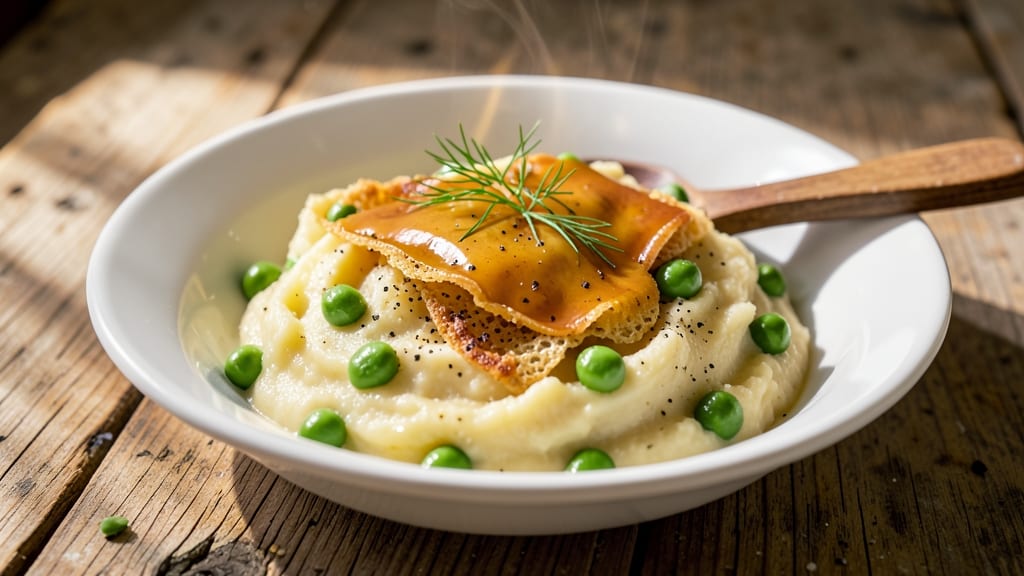
This old-fashioned creamed potatoes and peas recipe brings back the comfort of classic home cooking with its velvety texture and bright, buttery flavors. The secret lies in slow-cooked potatoes blended with fresh peas, creating a dish that's both creamy and vibrant—just like your grandmother used to make.
I've perfected this technique over years of testing, ensuring the perfect balance between smooth and slightly chunky, with a richness that comes from real butter and cream.
The beauty of this recipe is its simplicity—just a few ingredients, but each one matters. Potatoes are boiled until tender, then blended with fresh peas, butter, and cream to create that signature velvety consistency.
A touch of salt and pepper enhances the natural flavors, while a splash of milk keeps the texture just right. The result is a side dish that pairs perfectly with roasted meats or holiday roasts, offering a creamy contrast to richer main courses.
What makes this dish truly special is how it transforms humble ingredients into something luxurious. The creamed potatoes are smooth and rich, while the peas add a bright, fresh pop of color and flavor.
Every bite delivers that perfect balance—creamy, buttery, and just slightly sweet from the peas. This is the kind of side dish that makes dinner feel like a celebration, no matter the occasion.
Whether you're serving it at a family gathering or simply enjoying a cozy meal at home, this recipe delivers restaurant-quality results with minimal effort. The creamy texture and vibrant peas make it a standout dish, and the classic pairing of potatoes and peas ensures it's always a crowd-pleaser.
Let's get started on creating this timeless side dish!
Ingredients for old fashioned creamed potatoes and peas
Buttery potatoes meet sweet peas in this nostalgic side dish—just 9 ingredients for comfort food perfection.
| Ingredient | Amount | Notes |
|---|---|---|
| Russet Potatoes 🥔 | 2 ½ lb | Medium size, peeled and cubed |
| Fresh Peas 🌱 | 1 ½ cups | Shelling optional, frozen works too |
| Unsalted Butter 🧈 | ¾ cup | Full-fat for best flavor and texture |
| Heavy Cream 🥛 | 1 ½ cups | Full-fat for richness (no substitutions) |
| Whole Milk 🥛 | ½ cup | Warmed slightly for blending |
| Salt 🧂 | 1 ½ tsp | Kosher or sea salt preferred |
| Freshly Ground Black Pepper 🌶️ | ½ tsp | Cracked peppercorns preferred |
| Garlic Cloves 🧄 | 2 cloves | Minced for subtle depth (optional) |
| Fresh Lemon Juice 🍋 | 1 tbsp | Brightens the peas (optional) |
| Chives 🌿 | 2 tbsp | Finely chopped for garnish |
The potatoes are the foundation, so Russet potatoes are your best bet—they're starchy enough to blend smoothly. Peeled and cubed evenly (about 1.5-inch pieces) ensures consistent cooking. Fresh peas add that bright pop, but frozen peas work perfectly if you're short on time—just thaw and drain them well. For the butter, Land O'Lakes or Plugrá are my go-tos; they melt beautifully and add that rich, velvety texture. If you're feeling fancy, a few minced garlic cloves while blending adds a subtle depth that takes this dish from classic to extraordinary.
No heavy cream? Half-and-half plus a splash of milk gets you close, but the texture won't be quite as luxurious. Fresh peas too expensive? Sweet peas from a can (like Del Monte) work in a pinch—just rinse them well. Want to cut back on dairy? Swap half the heavy cream for Greek yogurt, but the texture will be slightly tangier. The lemon juice is optional, but it's a game-changer for brightening the peas—freshly squeezed is best, but bottled works if you're in a hurry. And if you're feeling lazy, skip the chives—the dish is still delicious, but they add that final touch of freshness.
This dish reheats beautifully, but keep it covered and low heat to avoid breaking the creamy texture. Store leftovers in the fridge for up to 4 days, though I find it tastes even better the next day as the flavors meld. For freezing, portion into airtight containers and thaw overnight in the fridge—microwaving from frozen can make it watery. A sprinkle of fresh chives right before serving adds that restaurant-quality finish, so grab a small bunch and keep it in the fridge for garnishes.
Why You'll Love This Recipe
- One-Pot Magic: I swear by this—just potatoes, peas, butter, and cream in one skillet. No fancy gadgets, no extra bowls, just melt-in-your-mouth results while you stir. (Yes, even on a Tuesday night.)
- Creamy Luxury: That velvety blend of heavy cream and milk? It’s like a hug for your taste buds—rich but not heavy, with fresh peas popping like little green surprises. Honestly, the first bite makes you wonder why you ever bought store-bought sides.
- Weeknight Wonder: This dish is my go-to for lazy Sundays or quick weeknight dinners. Double the recipe, reheat it for lunch, or serve it alongside roasted chicken—it’s that adaptable. (My kids call it "the happy food.")
- Budget-Friendly Comfort: Russets and frozen peas keep costs low, but the butter and cream make it feel special. Leftovers taste just as good the next day, and it stretches to feed a crowd without breaking the bank. (Between us, it’s my secret weapon for potlucks.)
Step-by-step instructions for old-fashioned creamed potatoes and peas
Here's how to create that dreamy, velvety texture with bright, vibrant peas—every bite will be pure comfort.
Cook the Potatoes Until Fork-Tender
Place the 2.5 lb russet potatoes in a large pot and cover with cold water by about 2 inches. Add 1 tsp of the 1.5 tsp salt and bring to a boil over high heat. Once boiling, reduce heat to medium and cook for 15-18 minutes until the potatoes are fork-tender.
Here's the thing—you want them soft enough to mash easily but not falling apart. Test by piercing with a fork; it should slide in smoothly with just a little resistance. Drain the potatoes immediately and return them to the pot. Let them steam-dry for 2-3 minutes to remove excess moisture—this prevents a watery final texture.
Mash the Potatoes Smoothly
While still in the pot, mash the potatoes using a potato masher or ricer until completely smooth. I like to press them through a ricer for that ultra-silky texture, but a masher works too. Add the 0.75 cup unsalted butter and the remaining 0.5 tsp salt while mashing—this incorporates the butter evenly and creates that luxurious, buttery base.
Keep the mashed potatoes warm in the pot over low heat. Don't rush this step—properly mashed potatoes are the foundation of this dish. If you're using a ricer, work in batches to avoid clogging. The goal is silky, lump-free potatoes that will blend seamlessly with the cream later.
Cook the Peas with Garlic and Lemon
In a separate skillet, melt 1 tbsp of the 0.75 cup unsalted butter over medium heat. Add the 2 cloves minced garlic and sauté for 30 seconds until fragrant—don't let it brown. Add the 1.5 cups fresh peas and cook for 2-3 minutes until they brighten in color. Stir in the 1 tbsp fresh lemon juice and cook for another 30 seconds.
This quick cooking preserves the peas' vibrant color and fresh flavor. The lemon juice brightens them up beautifully, cutting through the richness of the cream. If using frozen peas, add them directly to the skillet without thawing—they'll cook through in the same time. Remove from heat and set aside.
Create the Creamy Sauce
Return the mashed potatoes to the pot and set over low heat. Add the 1.5 cups heavy cream and 0.5 cup whole milk, stirring constantly. Warm gently for 5-7 minutes, stirring frequently, until the mixture thickens slightly and coats the back of a spoon. The sauce should be smooth and velvety, not thin or grainy.
Here's where it gets amazing—taste and adjust seasoning with the 0.5 tsp freshly ground black pepper. The cream should coat your spoon with a rich, luxurious texture. If it's too thick, whisk in 1-2 tablespoons of warm milk to reach your desired consistency. Keep warm over low heat while you finish.
Combine and Garnish Perfectly
Gently fold the cooked peas into the creamed potatoes using a spatula. You want to maintain that bright green color and vibrant texture. Transfer to a serving dish and let it sit for 2-3 minutes to meld flavors completely. Garnish with the 2 tbsp finely chopped chives, swirling them through the top for that classic presentation.
This dish is all about that perfect balance—rich, creamy potatoes with bright, fresh peas. Serve immediately while warm, and watch everyone rave about how creamy and flavorful it is. The chives add a fresh finish that cuts through the richness beautifully, making every bite perfect.
Pro Tips For Making Old Fashioned Creamed Potatoes And Peas
- Boil Potatoes Whole: I learned this the hard way—peeling and chopping Russets first makes them turn to mush in the cream. Boil them whole in salted water until a knife slides in easily (about 15 minutes), then halve or quarter them after draining. The texture stays firm and creamy, not gluey.
- Shock Peas Immediately: Fresh peas lose their vibrant color and snap when overcooked. Blanch them in boiling water for exactly 1 minute, then plunge into ice water to stop cooking. Drain well before folding into the cream—wet peas dilute the sauce and make it watery.
- Temper the Cream: Pouring cold heavy cream into hot potatoes? Disaster. Warm the cream and milk together in a separate saucepan until steaming (don’t boil), then whisk it into the potatoes gradually. This keeps the sauce silky instead of curdling like a sad custard.
- Salt the Butter First: Unsalted butter needs seasoning, but adding salt after mixing everything makes the dish taste flat. Melt the butter with a pinch of salt (about ½ tsp per 2 tbsp) before stirring in the cream. The flavor gets evenly distributed—no afterthought seasoning.
Troubleshooting perfect results
Potatoes Too Watery
If your creamed potatoes turn out watery, it’s usually because the potatoes weren’t drained or dried properly. After boiling, drain the potatoes completely and return them to the pot. Let them steam-dry over low heat for 3-5 minutes, stirring occasionally, to evaporate excess moisture.
This step is critical—I’ve ruined a batch before by skipping it! Also, ensure your butter is fully melted and incorporated while mashing. 💧
Peas Losing Color
Overcooking peas will turn them mushy and dull. Cook them for no more than 2-3 minutes in the skillet with garlic and lemon juice. If using frozen peas, add them straight from the freezer—they’ll cook through quickly.
The lemon juice should brighten them up, but if they still look pale, add a splash more at the end. Fresh peas should stay vibrant green, while frozen peas will have a slightly softer hue but still pop with flavor. 🌱
Sauce Too Thick or Grainy
A grainy texture usually means the potatoes weren’t mashed smooth enough or the cream wasn’t warmed gradually. For a silky finish, press the potatoes through a ricer or mash them thoroughly with a potato masher. When adding the cream, warm it gently over low heat while stirring constantly.
If it’s too thick, whisk in 1-2 tablespoons of warm milk to loosen it up. I’ve found that patience here makes all the difference! 🥄
Separation After Reheating
Creamed potatoes can separate if reheated too aggressively. To avoid this, cover the dish and warm it over low heat on the stovetop, stirring frequently. If it starts to curdle, whisk in a splash of warm milk or cream to bring it back together.
For the microwave, heat in 30-second intervals, stirring between each, until just warmed through. The goal is to gently reheat without breaking the emulsion. ⏳
Lack of Flavor Depth
If your dish tastes bland, it’s likely missing the right balance of seasoning. Start with freshly ground black pepper—pre-ground loses potency quickly. A pinch of garlic powder or onion powder can add depth if you skipped the fresh garlic.
For extra richness, stir in 1 tablespoon of butter at the end. And don’t forget the lemon juice—it brightens the peas and ties all the flavors together. Trust me, these small tweaks make a huge difference! 🌟
Peas Too Soft or Mushy
Peas that turn mushy are usually overcooked or undercooked. For fresh peas, blanch them for 1 minute in boiling water before adding to the skillet, then finish in the butter. For frozen peas, add them directly to the skillet and cook for no more than 2 minutes.
If they’re still too soft, drain them well before folding into the potatoes. The key is quick, even cooking—just enough to soften without breaking down completely. 🌿
Nutrition facts
Frequently asked questions
Can I use sweet peas from a can instead of fresh?
Canned peas work perfectly—they're pre-cooked and save time. Just drain and rinse them well to remove excess liquid, then follow the same cooking method in the skillet. For best results, use peas with minimal added salt. The texture will be slightly softer than fresh, but the flavor remains bright and sweet.
How do I make this dish ahead of time for a holiday meal?
This recipe actually tastes even better the next day! Prepare it completely, then store in an airtight container in the fridge for up to 4 days. Reheat gently over low heat on the stovetop, stirring frequently and adding a splash of warm milk if needed to restore creaminess. For freezing, portion into containers and freeze for up to 3 months—thaw overnight in the fridge for best results.
What's the secret to getting that perfect velvety texture?
The key lies in three steps: draining potatoes thoroughly, steam-drying them for 3-5 minutes, and warming the cream gradually while stirring constantly. Using a potato ricer instead of a masher also creates that ultra-smooth consistency. And never skip the butter—it's what makes the texture truly luxurious.
Can I make this dish without dairy?
You can adapt it with some compromises! Replace the butter with coconut oil and use full-fat coconut milk instead of heavy cream. The texture will be slightly lighter but still creamy. For extra richness, stir in 2 tablespoons of nutritional yeast at the end. Keep in mind the flavor profile will be different but still delicious.
What's the best way to serve this classic side dish?
This creamy potato and pea dish pairs beautifully with roasted meats like ham, turkey, or beef tenderloin. For a complete meal, serve with steamed green beans or a simple garden salad. The bright peas and rich cream make it perfect for holiday dinners or Sunday family meals. Garnish with fresh chives right before serving for that restaurant-quality finish.